

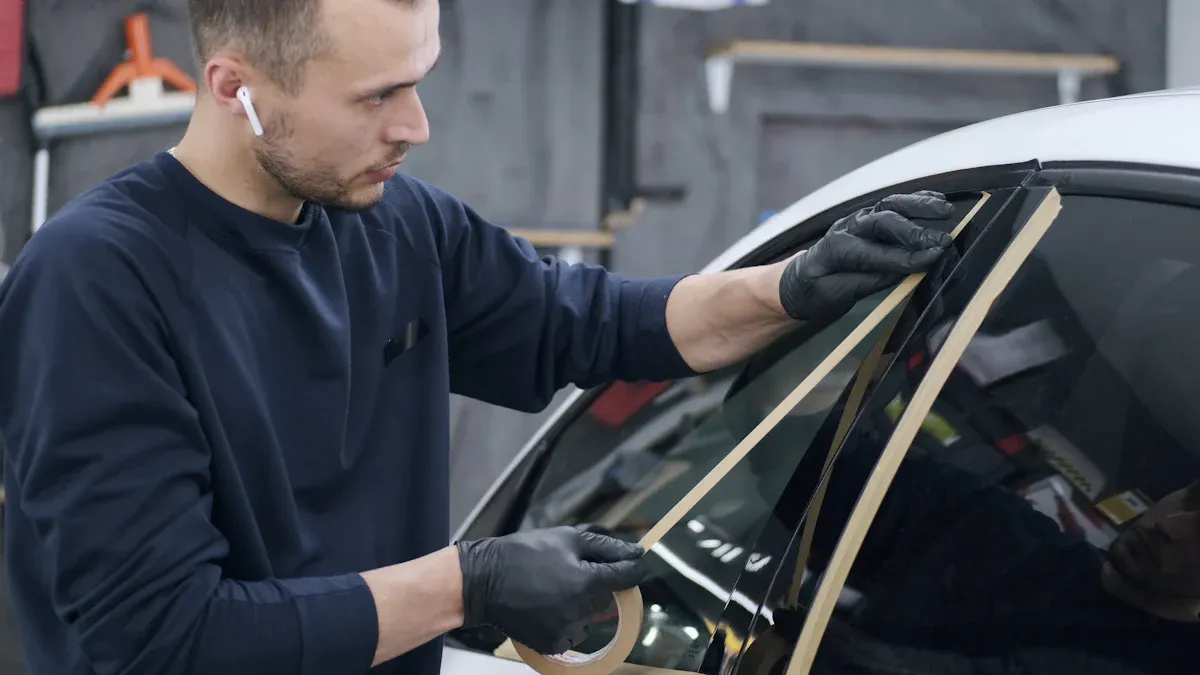
When you consider window tint for your vehicle, 20 percent window tint means only 20% of visible light passes through. This window tint percentage effectively blocks 80% of light rays. Many vehicle owners choose this tint level. This tint offers a great balance of benefits.
You get increased privacy. This tint blocks views into your vehicle.
It reduces glare from the sun and headlights. This improves your visibility.
It provides strong UV protection. This safeguards your skin and your vehicle’s interior.
The tint also helps reduce heat inside your vehicle. This makes your ride more comfortable.
This post gives you essential facts. You will learn what you need to know before installing 20% tint in 2025.
Key Takeaways
Always check your state’s window tint laws before installing 20% tint. Many states have rules about how dark your windows can be.
Dark 20% window tint helps keep your car cool and protects you from the sun’s harmful UV rays. It also gives you more privacy.
Driving at night or in bad weather can be harder with 20% window tint. It makes it more difficult to see outside your car.
Professional installation of window tint costs more but lasts longer and works better. DIY kits are cheaper but often have problems.
Different types of tint film offer different benefits. Ceramic and carbon films are good choices because they do not block phone signals.
VLT and Legality of 20 Percent Window Tint
Understanding VLT Percentages
You need to understand Visible Light Transmission (VLT). This refers to how much light passes through your windows. A 20 percent window tint means only 20% of outside light enters your vehicle. This makes the tint quite dark. Your car’s factory glass already has a VLT. This factory VLT combines with any applied tint. For example, if your factory glass allows 70% light through, and you add a 20% tint film, the net VLT becomes much lower. You multiply the percentages.
A 70% factory VLT combined with a 20% film results in a net VLT of 14% (0.70 * 0.20 = 0.14). This makes your windows even darker than you might expect. Many people find 35% tint ideal. It offers good comfort and often complies with state laws. Remember, a true 20% limo tint is usually much darker than a 20% VLT film.
State-Specific Tint Laws in 2025
Window tint laws vary greatly by state. You must check your local regulations before installation. Each state sets its own legal tint limits. These laws specify the maximum tint limits for different windows on your vehicle. For example, front side windows often have stricter rules than rear windows. Here is a look at some VLT percentages for front side windows in populous states:
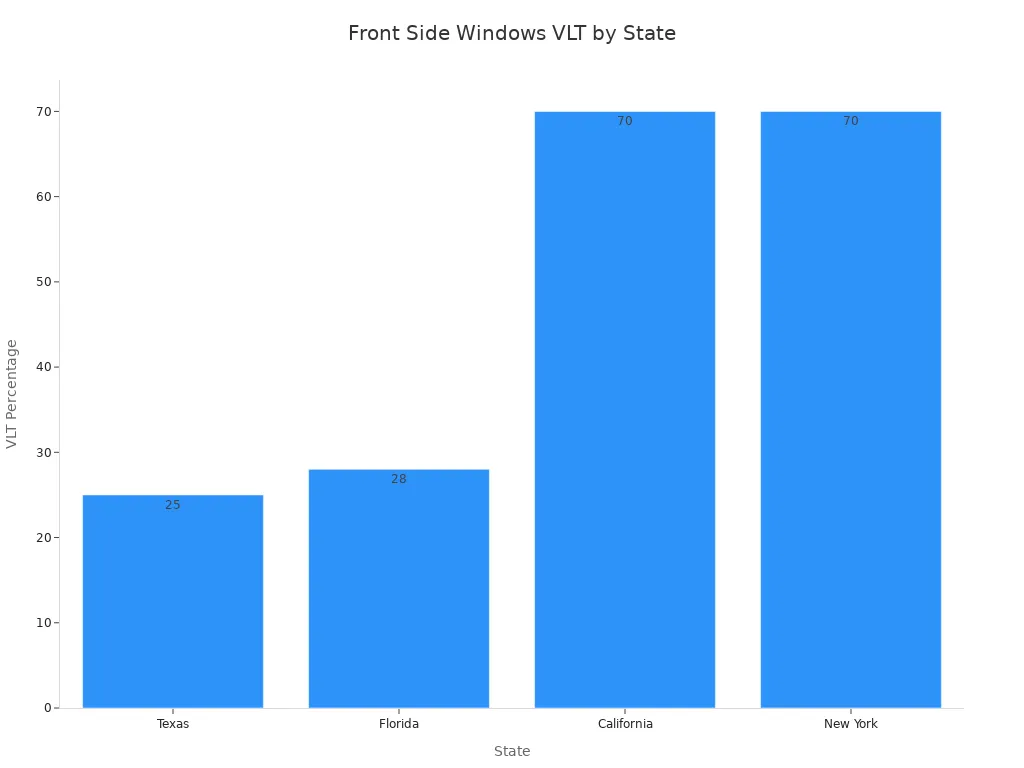
You can see that a 20% VLT tint is often too dark for front windows in many places. Even a 20% limo tint is almost universally illegal for front windows. Always research your state’s specific tint laws.
Consequences of Non-Compliant Tint
Ignoring window tint laws can lead to problems. You face costly penalties. Fines typically range from $50 to several hundred dollars. The exact amount depends on your state and how many times you have violated the laws. You might also receive a “fix-it” ticket. This requires you to remove or replace the illegal tint within a set time. Repeat violations mean higher fines.
Your vehicle might fail annual safety inspections. Non-compliant vehicles also risk insurance claims being denied. Manufacturers might void warranties. For instance, 20% limo tint is almost always illegal for front side windows. This very dark tint significantly reduces visibility. You must ensure your tint complies with all regulations. A 20% limo tint on your front windows will likely cause issues. You want to avoid fines for illegal 20% limo tint. Consider the implications of installing 20% limo tint.
Driver Visibility with 20% Tint
Excessively dark window tint can limit your vision. This increases your risk of an accident. You must consider how 20 percent window tint affects your ability to see.
Daytime Driving Experience
During the day, 20 percent window tint offers good glare reduction. You will notice less squinting from bright sunlight. This tint helps keep your eyes comfortable. It also reduces reflections on your dashboard. However, even in bright daylight, this tint makes your surroundings appear darker. You might find it harder to see details on the road. This is especially true when driving into shadows or under heavy tree cover. The overall visibility remains good for most drivers.
Nighttime Driving Challenges
Nighttime driving presents significant challenges with dark tint. Your eyes need more light to see clearly in the dark. A 20% limo tint drastically reduces the light entering your vehicle. This makes it much harder to see pedestrians, cyclists, and unlit objects. You will struggle to see street signs and road markings. Parking in dimly lit areas becomes very difficult. Backing up your vehicle at night requires extra caution. The dark tint severely limits your peripheral vision. This increases the risk of not seeing something important. A 20% limo tint can make night driving dangerous.
Visibility in Adverse Weather
Adverse weather conditions further complicate visibility with dark tint. Rain, fog, and heavy snow already reduce how far you can see. Adding a dark tint, like a 20% limo tint, makes it even worse. The tint absorbs more light. This means less light reaches your eyes. You will find it harder to distinguish objects in low-contrast environments. Driving in a storm with a 20% limo tint on your windows can be very risky. Your ability to react quickly depends on clear vision. This tint compromises that vision. Consider these factors carefully before you choose this level of tint for your vehicle.
Heat Rejection and Interior Comfort
Reducing Interior Temperature
20 percent tint significantly lowers your vehicle’s interior temperature. This tint blocks a large amount of solar energy. Less solar energy means a cooler cabin. You will feel more comfortable on hot days. A user with 20% ceramic tint in South Carolina reported great results. They said, “It helps big time with heat rejection in SC.” This heat reduction is a key benefit. This tint truly manages interior heat, making your drives much more pleasant.
Benefits for AC Efficiency
Your air conditioning system works less hard with 20 percent tint. The tint keeps your vehicle cooler. This means your AC does not need to run as often or as powerfully. You save fuel. Your AC system lasts longer. This heat reduction helps your vehicle’s overall efficiency. This helps manage interior heat, reducing strain on your engine. You will appreciate the improved fuel economy.
Comparison to Lighter Tints
Consider how 20 percent tint compares to lighter options. It offers superior rejection of solar energy. Here is how 20% tint stacks up against 35% tint:
20% Window Tint: Substantially cuts down on solar energy and more effectively reduces glare, especially beneficial in very sunny or hot regions. This provides excellent heat control.
35% Window Tint: Offers some reduction in solar energy and glare, but may not perform as well under intense summer conditions. It is more suitable for regions with moderate sunlight or when visibility is prioritized over maximum temperature control. You get maximum temperature control with 20 percent tint. This is a better choice for very hot climates. It also provides good uv protection. This level of tint is very effective. It ensures a cooler interior even on the brightest days.
UV Protection and Interior Preservation
Blocking Harmful UV Rays
Window tint offers excellent protection against harmful ultraviolet (UV) rays. These rays cause damage to your skin and your vehicle’s interior. A good quality tint, especially a 20% limo tint, acts as a strong barrier. It blocks a significant percentage of both UVA and UVB rays. This superior uv blocking helps keep you safe. You get continuous uv protection every time you drive. This tint provides a crucial layer of defense.
Protecting Skin and Vehicle Interior
Your skin benefits greatly from window tint. Prolonged sun exposure through car windows can lead to serious health issues. Window tint helps prevent:
Premature skin aging
Wrinkles
Skin cancer
Deep skin damage
Damage to DNA skin cells
Sunburns
Skin darkening
Consider the case of a 69-year-old man. He drove a delivery truck for 28 years. The left side of his face, exposed to the sun through the driver’s side window, showed severe aging and damage. His right side, less exposed, looked much healthier. This shows how much incidental sun exposure through windows harms your skin. A good tint provides vital protection.
The interior of your vehicle also gets protection. UV rays cause fading and cracking of your dashboard, upholstery, and other surfaces. Window tint preserves your vehicle’s appearance. It extends the life of your interior materials. This protection maintains your vehicle’s value.
20% Limo Tint for UV Protection
A 20% limo tint offers maximum UV protection. This very dark tint blocks almost all harmful UV radiation. You gain peace of mind knowing you have strong protection. This level of tint is not just for privacy; it is also a powerful health and preservation tool. Many privacy and protection tints offer good UV blocking. However, a 20% limo tint provides some of the best available protection. This tint helps keep you and your vehicle safe from the sun’s damaging rays.
Privacy Levels of 20% Tint
External View and Privacy
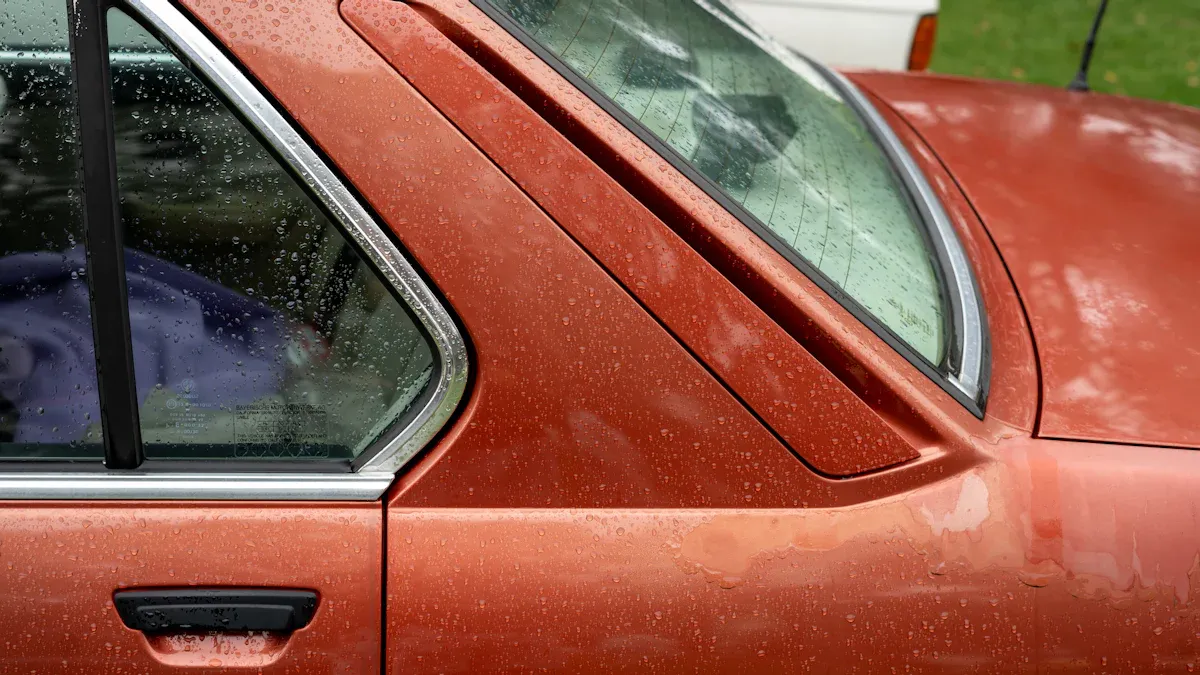
You want to know about privacy. 20 percent tint on car windows greatly reduces visibility from the outside. This tint enhances privacy. It makes it difficult for people outside to see into your vehicle. This added discretion helps keep you and your valuables secure. From the outside, a 20% limo tint creates a mysterious look. It acts like an elegant veil over your vehicle. This ensures your privacy. A 20% limo tint allows only 20% of light to pass into the vehicle. This significantly enhances the privacy factor. This tint is an excellent choice for you if you prioritize privacy. You will get a sleek, mysterious look for your vehicle. It prevents prying eyes from intruding. This tint offers great privacy.
Internal Visibility Balance
Inside your vehicle, the 20% limo tint provides a comfortable feeling. You will experience a mildly dim ambiance. You still have ample visibility. This tint offers a shielded interior experience. You can see out clearly. Others cannot see in easily. This balance is key for many drivers. The dark tint does not block your view out.
Perception of Vehicle Occupants
People outside will perceive your vehicle differently. The dark 20% limo tint suggests a desire for discretion. It gives your vehicle a more exclusive feel. You gain peace of mind. You know your activities inside the vehicle remain private. This level of tint helps deter potential thieves. They cannot easily see what is inside. The 20% limo tint adds a layer of security. This tint is very effective.
Cost of 20% Tint Installation
Factors Influencing Price
Several factors influence the cost of installation for 20% window tint. You will find prices vary based on the type of tint film you choose. Dyed films are the most affordable. Metalized films fall in the mid-range. Ceramic films are the most expensive. They offer superior performance. The number and size of your windows also affect the cost. Larger windows or more windows require more material. This increases the overall cost. Window shape and accessibility also play a role.
Unusually shaped windows or those in hard-to-reach areas increase labor time. This adds to the price. Labor costs and installation time are significant factors. Professional installers charge hourly rates or flat fees. The brand of window tint and its warranty also impact the price. Premium brands offer better durability and longer warranties. Your geographical location also affects pricing. Urban areas often have higher prices due to increased labor costs.
Average Professional Installation Costs
Professional installation of 20% window tint typically costs between $200 and $600. This price range covers most standard vehicles. The exact cost depends on the factors mentioned above. For example, a high-quality ceramic tint on a larger vehicle will be at the higher end of this range. A basic dyed tint on a smaller car will be less expensive. Professional services often include a warranty. This warranty covers issues like peeling or bubbling. This gives you peace of mind.
DIY vs. Professional Considerations
You might consider a do-it-yourself (DIY) tint installation to save money. DIY tint kits typically cost $30 to $100. However, professional tint installation offers significant advantages.
Aspect | DIY Tint Kit | Professional Tint |
|---|---|---|
Average Cost | $30 – $100 | $200 – $600 |
Expected Lifespan | 3–5 years | 8–10 years |
Quality Level | Basic | Premium |
Additional Expenses | Tools, replacement film | Minimal (covered by warranty) |
DIY tint often uses lower-grade films. These films are prone to fading and bubbling. They also lack essential UV protection and heat rejection. This results in a shorter lifespan, usually 1 to 3 years. Improper installation further compromises durability. Professional services use high-grade films like ceramic or carbon. These offer superior UV protection and heat rejection. They also last 5 to 10 years or more. Professionals provide warranties and precise application. This ensures a seamless, durable finish.
DIY tint installation presents challenges. You need thorough window cleaning to prevent air bubbles. Precise film cutting is essential. Achieving a bubble-free finish is difficult. Inaccurate measurements or trapped air can ruin the appearance. Professional installers have experience and specialized tools. They can seamlessly mold tint to window curves. This significantly reduces imperfections common in DIY jobs.
Risk Category | Professional Installation | DIY Installation |
|---|---|---|
Human Error | Minimal risk with guarantees | Significant risk due to lack of competence |
Product Defects | Rare due to quality materials | Possible with low-quality films |
Legal Implications | Rare due to expertise | Significant risk from inadequate tint levels |
While DIY kits are cheaper upfront, they come with potential hidden costs. You might need to purchase extra tools. You may replace film due to mistakes. You might even need professional correction services. DIY also demands significant time and patience. Improper application can lead to bubbling, peeling, and discoloration. It can also cause legal issues if visibility standards are not met. This negates initial cost savings. It also requires additional expenditure for rework.
Types of 20% Tint Film
Dyed Film Characteristics
You have several choices for your 20% tint. Dyed window film is one option. Manufacturers make this film from a polyester or polymer base. They infuse dyes into the material. This ensures consistent color and durable performance. This film offers good UV protection. It helps block harmful UV rays.
This protects you and prevents your interior from fading. It also provides moderate heat reduction. You get good glare reduction too. Dyed film is generally lower in cost. However, it has limitations. It may fade or bubble over time. It does not block heat as well as other types of film. It absorbs sun rays instead of rejecting them. This makes it less effective for temperature control. A 20% limo tint made from dyed film might not last as long.
Metallic Film Properties
Metallic window film is another choice for your 20% tint. This film is highly effective at blocking sunrays. It is also scratch-resistant. This film offers superior heat rejection. It reflects solar energy well. This reduces interior temperature. It lessens your reliance on air conditioning.
Metallic film also excels in reflecting UV radiation. This protects your interior fabrics from fading. It offers enhanced durability. It resists fading better than traditional films. You also get privacy and security. The reflective surface hides your vehicle’s interior. However, metallic film has a significant drawback. Its metallic components can interfere with wireless signals. This affects GPS, cell phones, and radio reception. This interference can pose challenges for seamless connectivity. A 20% limo tint using metallic film gives you great heat rejection. But you might lose phone signal.
Carbon Film Advantages
Carbon film offers distinct advantages for your 20% tint. This film significantly reduces infrared radiation. This keeps your interior cooler. It potentially lowers energy costs. Carbon films are non-metallic. This is a major benefit. They do not interfere with electronic signals. Your GPS, cell phones, or radio will work fine. This also means better durability compared to dyed films.
Carbon films are more durable than dyed or metallic films. They do not rely on dyes that fade. They do not use metals that can cause other issues. This makes them less likely to fade, discolor, or turn purple over time. A 20% limo tint made with carbon film gives you excellent temperature control without signal problems. This 20% limo tint is a popular choice.
Ceramic Film Benefits
Ceramic window film is a premium option for your 20% tint. While more expensive, it offers maximum visibility. It rejects up to 99% of UV rays. It also blocks high levels of infrared rays. This means excellent temperature control for your vehicle. Ceramic film provides superior clarity.
You get a clear view out. This film does not contain metal. So, it will not interfere with your electronic signals. This makes it a top choice for performance. A 20% limo tint using ceramic film gives you the best of all worlds. You get privacy, uv protection, and great temperature control. This 20% limo tint is a smart investment for long-term comfort and protection. This 20% limo tint offers superior performance. This 20% limo tint is highly recommended.
Tint Installation Process and Curing
Professional Installation Steps
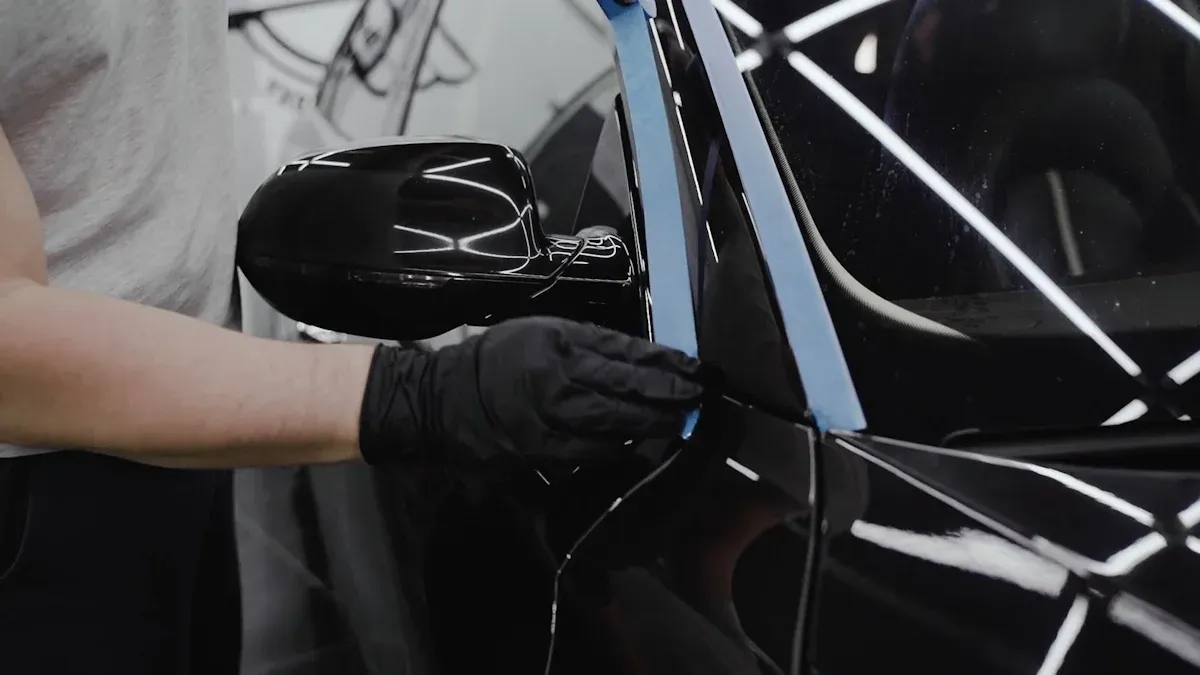
You should go to a certified installer for window tinting. This avoids poor installation. Professional installation ensures quality. Here are the steps a professional follows for your new tint:
They discuss your needs and preferences. They assess your vehicle and recommend film types.
They select the best tint film for you. This includes shade, color, and type.
They thoroughly clean your windows. This removes dirt, dust, and grease.
They precisely cut the tint film. They apply it with special adhesive. They use professional tools to smooth out bubbles.
They conduct a final inspection. This ensures correct application and your satisfaction with the tint.
Importance of Proper Curing
Proper curing is vital for your new tint. The recommended curing time for newly installed 20% window tint typically ranges from 3 to 7 days. This period is crucial. The adhesive needs to fully bond to the glass. Trapped moisture evaporates during this time. Prematurely rolling down windows can cause problems. This disrupts the adhesive bond. It can lead to peeling, bubbling, or edge separation. This might require costly rework or replacement. Factors like climate, film material, and adhesive type affect drying time. Warm, dry conditions might allow a 3-day cure. Humid or cold climates could extend it to 7 days.
You must adhere to this curing time for several reasons:
It protects your investment. It ensures proper adhesion. This prevents peeling and detachment. It extends the tint’s life.
It maintains aesthetic appeal. It prevents unsightly bubbles and imperfections. This preserves the tint’s clean look.
It ensures operational integrity. Properly adhered tints perform better. They reduce UV exposure. They manage interior temperatures.
It prevents mechanical issues. It avoids disrupting tint placement near window mechanics. This could lead to costly repairs.
Post-Installation Care
After the curing period, you can maintain your tint easily. Use a soft cloth and a non-ammonia based cleaner. Ammonia can damage the tint film. Avoid abrasive cleaners or scrub brushes. These can scratch the tint. Follow these simple steps. Your tint will look great for years. This ensures the longevity of your tint. Refer to your installer’s specific installation guide for detailed care instructions.
Maintenance and Longevity
Recommended Cleaning Practices
You must clean your tint regularly to keep it looking good. Use a soft cloth or microfiber towel for wiping. These tools are lint-free and highly absorbent. A soft squeegee, made of rubber or silicone, helps achieve streak-free drying. Always use a non-ammonia cleaner. Ammonia can damage your tint. You can also use mild soap and water. Avoid waxes and polishes on tinted windows. They attract dust and dirt. Clean your tinted windows at least once a month. Clean more often in dusty areas. Promptly clean off bird droppings or tree sap. Park in the shade to avoid direct sun exposure. This helps your tint last longer. Avoid sharp objects near your tinted windows. Roll windows down carefully to prevent peeling.
Expected Lifespan of Quality Tint
High-quality tint offers significant longevity. Carbon window films, including 20% options, can last over a decade. Ceramic 20% tints are very durable. They often maintain their quality for more than 7 years. Professional installation and proper maintenance greatly influence this lifespan. A good quality tint, installed correctly, can retain its effectiveness for over ten years. This makes your investment worthwhile.
Signs of Tint Degradation
You should watch for signs your tint needs replacement. Bubbling or peeling film often signals issues. This happens when the adhesive weakens from heat and sun. These bubbles can grow and obscure your vision. Noticeable fading or discoloration is another sign. Continuous UV exposure breaks down the dye in the film. This causes it to lighten or turn purple. This reduces the tint’s UV protection. Scratches or surface damage also indicate a problem. Imperfections from abrasive cleaning or sharp objects weaken the tint. Difficulty seeing through the tint, especially at night, means it is time for a change. This can result from fading or bubbling.
Potential Downsides and Considerations
Reduced Visibility in Specific Conditions
You must understand that 20 percent window tint significantly reduces light. This tint allows only 20% of visible light into your vehicle. This light reduction helps with glare. However, it also makes overall visibility lower. This is especially true in low-light conditions. Dark window tints, like 20% VLT, most negatively impact your driving at night. You will find it harder to see in poorly lit areas. Adverse weather also creates challenges. Rain or fog makes it difficult to discern pedestrians, cyclists, and other vehicles. You might struggle to spot road hazards. This increases your accident risk. Darker tint exacerbates these visibility issues. It makes spotting obstacles or reading road signs challenging.
Legal Compliance Risks
Installing dark tint carries legal risks. A 20% VLT is a ‘dark tint’ category. Many places have strict tint laws. You could face substantial fines. Some jurisdictions fine up to AED 1,500. You might need mandatory vehicle inspections. Authorities can require you to remove improperly installed window films. This compromises your vehicle’s safety. Your insurance policy could become invalid. Common risks include excessive VLT percentages. This means your tint is darker than legally permitted. Reflective or mirrored films are often prohibited. Front windshield tinting is typically banned or strictly regulated. Inconsistent tint application can also cause issues. Always check your local tint laws.
Impact on Vehicle Resale
Your choice of tint can affect your vehicle’s resale value. Some buyers prefer no tint. Others might want a lighter tint. A very dark tint, like 20%, might deter potential buyers. They may not like the look. They might worry about the legality of the tint.
This could make your vehicle harder to sell. You might need to lower your asking price. Consider this impact before you install dark tint.
20 percent window tint offers great comfort, strong UV protection, and enhanced privacy. This tint provides excellent UV protection. You also gain privacy and protection. This level of privacy is a key benefit. However, you must consider potential drawbacks.
Check local laws and regulations carefully. Many state laws restrict dark tint. Professional installation ensures quality and proper UV protection. This also guarantees your UV protection. You get superior UV protection. Weigh these facts against your needs. Make an informed decision about 20% tint in 2025. This ensures your tint meets all laws.
FAQ
Is 20% limo tint legal everywhere?
No, 20% limo tint is often too dark for front windows in many states. You must check your local laws. Non-compliant 20% limo tint can lead to fines. Always ensure your window tint percentage meets regulations for your vehicle. This avoids legal issues.
💡 Tip: Always verify your state’s specific window tint percentage laws before installation.
How does 20% limo tint improve privacy?
A 20% limo tint offers significant privacy. It makes it very hard for outsiders to see into your vehicle. This enhanced privacy keeps your belongings and activities discreet. You gain peace of mind with this level of privacy. It provides excellent protection.
Does 20% limo tint affect night driving?
Yes, 20% limo tint makes night driving challenging. It reduces light entering your vehicle. This makes it harder to see pedestrians or road signs. You should exercise extra caution. Your safety is important. This tint offers great protection during the day.
What kind of protection does 20% limo tint offer?
A 20% limo tint provides excellent protection. It blocks harmful UV rays, safeguarding your skin. It also protects your vehicle’s interior from fading. This tint helps with heat rejection, keeping your vehicle cooler. You get comprehensive protection.
Can 20% limo tint interfere with my vehicle’s electronics?
Some types of 20% limo tint, like metallic films, can interfere with electronics. They might affect GPS or cell signals. Ceramic or carbon films offer the same privacy and protection without interference. You should choose carefully for your car.



