


When it comes to reliability, Alfa Romeo often sparks debate among car enthusiasts. Recent surveys show that in 2020, Alfa Romeo scored just under 93% for reliability, ranking eighth among manufacturers. Despite this, 28.6% of owners reported faults, mainly related to electrical issues. You might wonder how these figures impact your ownership experience. Reliability plays a crucial role in your satisfaction as a car owner, influencing everything from maintenance costs to your overall driving joy. As we dive deeper into this topic, you’ll discover what makes Alfa Romeo a unique choice in the automotive world.
Key Takeaways
Alfa Romeo scored just under 93% for reliability in 2020, ranking eighth among manufacturers.
Common issues include electrical malfunctions, engine problems, and transmission difficulties, which can affect ownership satisfaction.
Routine maintenance costs for Alfa Romeo can be higher than other brands, averaging around $2,000 annually for models like the Giulia.
Despite reliability challenges, many owners appreciate the stunning design and thrilling performance of Alfa Romeo vehicles.
Consider your priorities: if style and performance matter most, Alfa Romeo may be a great choice; if reliability is key, explore other options.
Reliability Issues
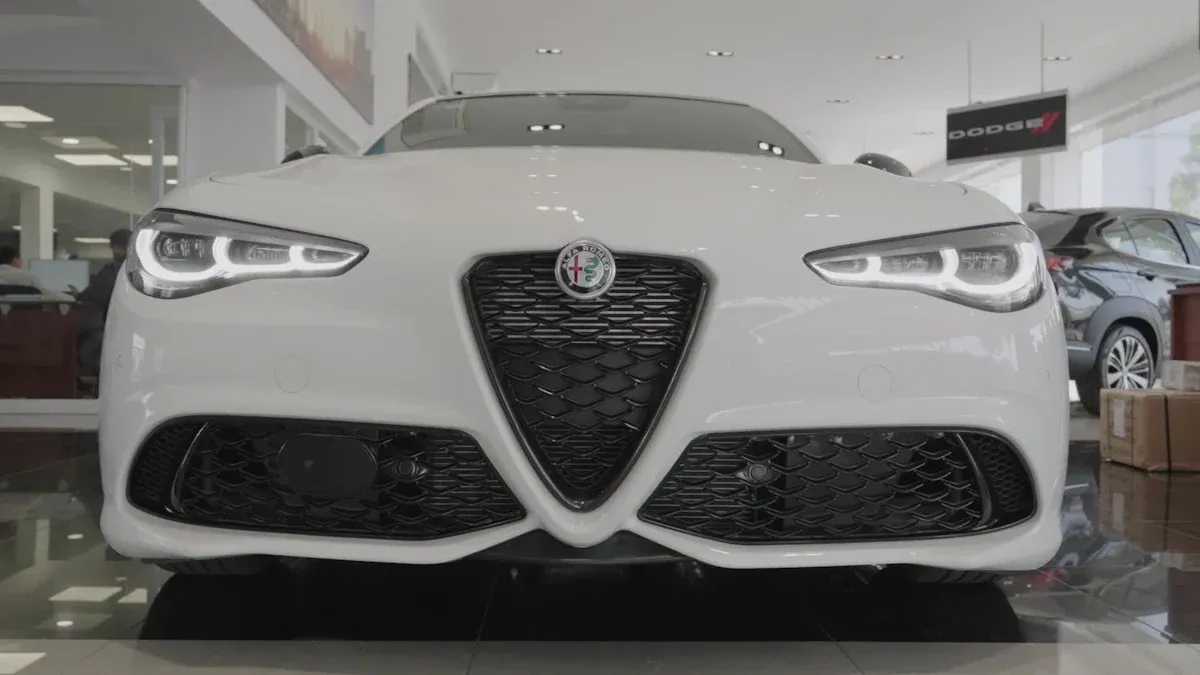
When you consider buying an Alfa Romeo, it’s essential to understand the reliability issues that some owners have reported. Let’s break down the most common problems you might encounter.
Engine Problems
Alfa Romeo vehicles can face several engine-related issues. According to owner surveys, here are some of the most frequently reported problems:
Problem Type | Description |
|---|---|
Electrical System Malfunctions | Common faults with wiring and assembly affecting battery performance and stop-start system. |
Brake System Issues | Reports of squeaking noises and reduced braking performance. |
Cooling System Issues | Overheating issues due to thermostat problems and radiator leaks. |
Fire Risk and Fuel Leaks | Cracks in fuel line sensor housing leading to fuel leaks and fire risks. |
Battery Issues | Problems with alternator and battery performance reported by owners. |
Many users have noted that engine failure rates in Alfa Romeo models are comparable to other luxury brands. However, some have expressed frustration with the availability of parts and service centers. If you’re not mechanically inclined, you might want to think twice about owning one. But if you enjoy a driver’s car, the quirks might not bother you as much.
Electrical Failures
Electrical failures are another common headache for Alfa Romeo owners. You might experience issues like faulty sensors, unreliable infotainment systems, and intermittent problems with lights and displays. These problems often stem from poor connections or defective components.
Transmission Issues
Transmission problems can also arise in Alfa Romeo vehicles. Here are some of the most common issues you might encounter:
Delayed or rough shifting, where gears don’t engage smoothly.
Unusual noises during gear changes, such as grinding or whining.
Burning smell or fluid leaks under the vehicle.
Lack of responsiveness when accelerating.
Hesitation or struggle to shift gears.
Slipping gears, where the car changes gears unexpectedly.
These transmission issues can be frustrating, especially if they affect your driving experience.
Alfa Romeo Maintenance Costs
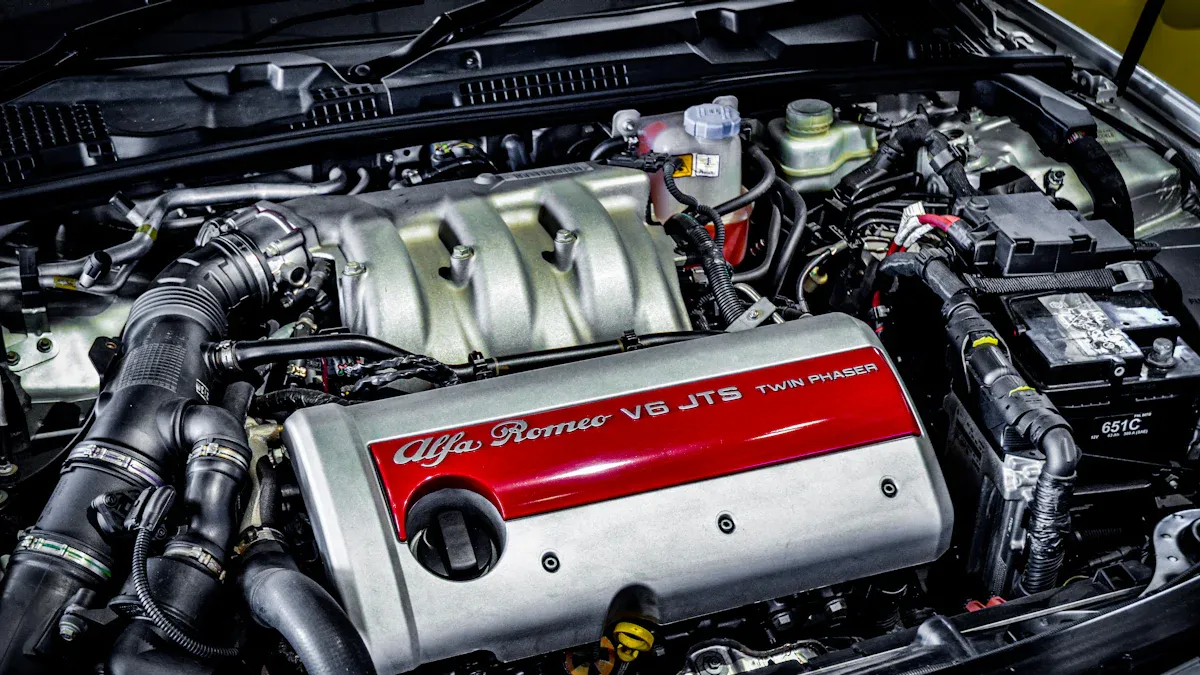
When you own an Alfa Romeo, understanding maintenance costs is crucial. These costs can significantly impact your overall ownership experience. Let’s break down what you can expect for routine maintenance and repair expenses.
Routine Maintenance
Routine maintenance for your Alfa Romeo can be a bit pricier than some other brands. For instance, an owner of a 2018 Alfa Romeo Giulia reports spending around $2,000 annually on maintenance. This figure can vary based on your driving habits, especially if you drive around 17,000 miles each year.
Here’s a quick look at some common routine maintenance tasks and their costs:
Maintenance Task | Frequency | Cost Range |
|---|---|---|
Oil Change | Every 12 months or 10,000 miles | $180 |
Tire Replacement | Every six years | $2,000 |
Cabin Air Filter Replacement | Every 15,000 miles | $53-$124 |
Spark Plug Replacement | Every 30,000-60,000 miles | $256-$259 |
Keeping up with these tasks helps ensure your vehicle runs smoothly and efficiently. However, you should be prepared for these costs as part of your ownership experience.
Repair Costs
When it comes to repairs, Alfa Romeo vehicles tend to require more frequent maintenance compared to brands like Toyota or Honda. While newer models have shown improvements in reliability, they still need regular upkeep to avoid costly repairs. Here’s a breakdown of some common repairs and their associated costs:
Repair Type | Recommended Interval | Cost Range | Purpose |
|---|---|---|---|
Engine Replacement | As needed for critical issues | $4,000-$10,000 | More cost-effective than purchasing a new car for expensive models. |
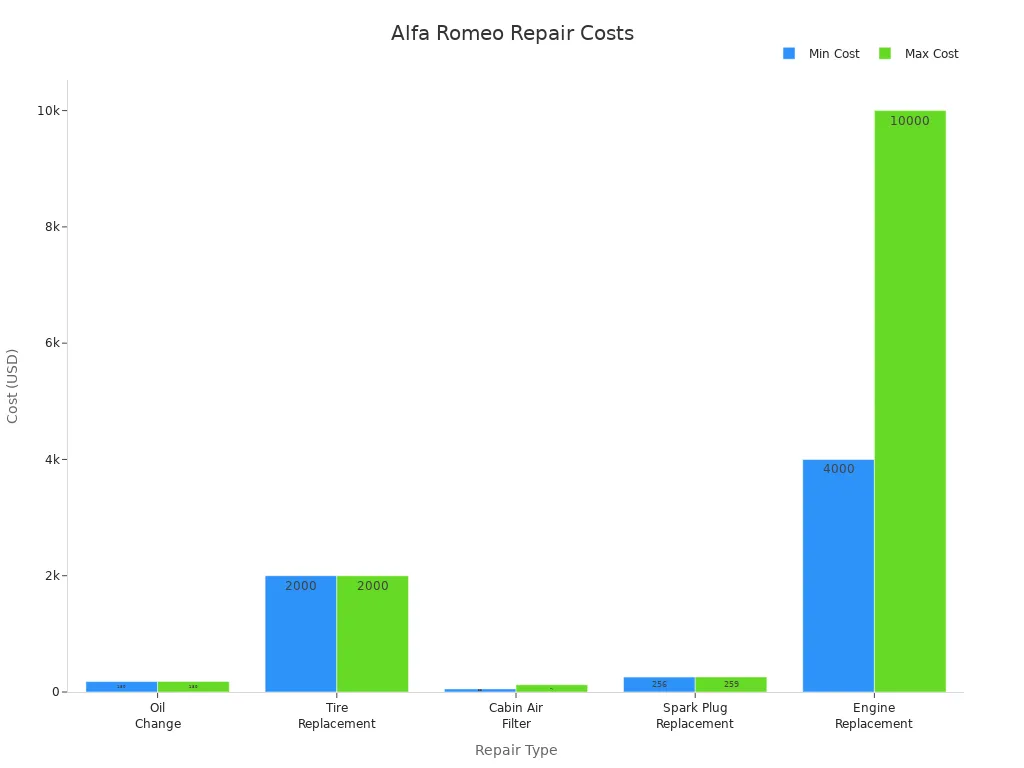
While these costs may seem high, they reflect the unique engineering and performance that Alfa Romeo vehicles offer. If you’re passionate about driving and appreciate the brand’s heritage, these expenses might be worth it. Just remember to budget accordingly!
Owner Experiences
When it comes to owning an Alfa Romeo, experiences can vary widely. Many owners share their thoughts on what they love and what frustrates them. Let’s dive into the positive and negative feedback.
Positive Feedback
You’ll find that many Alfa Romeo owners rave about their vehicles. Here are some of the highlights:
Stunning Design: Owners often appreciate the sleek and stylish look of Alfa Romeo cars. The design stands out on the road, making a statement wherever you go.
Performance: The driving experience is a major satisfaction point. For instance, the Giulia Quadrifoglio is frequently described as thrilling and exotic, offering an exhilarating ride that keeps you coming back for more.
Enjoyable Driving: Many drivers note that Alfa Romeo vehicles are among the most enjoyable to drive in their class. The handling and responsiveness make every journey feel special.
Negative Feedback
However, not all experiences are rosy. Some owners have voiced their concerns about reliability. Here are a few common complaints:
Some users express disappointment with reliability issues.
A friend’s experience included a $3,200 brake fluid change, which highlights the high service costs associated with these problems.
Additionally, several owners report specific issues, such as:
Fuel leaks, especially in 2020 and 2021 models due to cracks in the fuel line sensor housing.
Electrical problems, including issues with the adaptive cruise control system in 2017 and 2018 models.
Engine misfires and brake failures reported across various models.
Despite these challenges, the Alfa Romeo Giulia received a reliability score of 74 out of 100 from J.D. Power. This score indicates that while there are significant complaints, the brand has made efforts to address these concerns through recalls and repairs.
Overall, owner satisfaction ratings reflect a mix of joy and frustration. Many owners would consider purchasing the same vehicle again, but the reliability issues can leave a lasting impact on brand perception.
Comparisons with Competitors
When you think about luxury cars, BMW and Audi often come to mind alongside Alfa Romeo. Let’s see how they stack up against each other in terms of reliability, maintenance costs, and customer satisfaction.
Alfa Romeo vs. BMW
In recent studies, BMW generally scores higher in reliability compared to Alfa Romeo. Here’s a quick look at their ratings:
Brand | Reliability Rating | Notes |
|---|---|---|
Alfa Romeo | N/A | Improved reliability for Giulia reported. |
BMW | Specific ratings | Higher ratings for retained value noted. |
You might find that the Alfa Romeo Giulia shows improved reliability compared to its past records. However, BMW has specific reliability ratings available for several models. Interestingly, some reports suggest that the Giulia may be considered more reliable than the BMW M3.
When it comes to maintenance, Alfa Romeo offers five years of complimentary scheduled maintenance. In contrast, BMW provides only three years. But keep in mind that BMW is known for better reliability and resale value, which can lead to lower overall ownership costs.
Alfa Romeo vs. Audi
Now, let’s compare Alfa Romeo with Audi. Here’s how their 10-year maintenance costs look:
Brand | 10 Year Maintenance Cost |
|---|---|
Alfa Romeo | $8,733 |
Audi | $10,213 |
You’ll notice that Alfa Romeo’s maintenance costs are generally lower than Audi’s over a decade. This difference can help you budget better and avoid surprises down the road.
Customer satisfaction is another area to consider. Here’s how Alfa Romeo compares to BMW and Audi in terms of dealership experience:
Brand | Sales Satisfaction Index Score | ACSI Customer Satisfaction Score | J.D. Power Dealership Experience Score |
|---|---|---|---|
Alfa Romeo | 797 out of 1,000 | N/A | N/A |
BMW | 810 out of 1,000 | 78 | 79 |
Audi | 804 out of 1,000 | 80 | 80 |
While Alfa Romeo has a decent score, BMW and Audi lead in customer satisfaction. This could influence your decision if you value dealership experience.
In summary, Alfa Romeo vehicles have shown notable improvements in reliability over recent years. Here are some key takeaways:
The Giulia received a reliability rating of 4.7 out of 5 stars based on consumer reviews.
Models like the Giulietta boast high satisfaction ratings, with a reliability score of 98.6%.
While Alfa Romeo offers stunning design and thrilling performance, they do face reliability challenges, requiring more frequent maintenance.
When considering an Alfa Romeo, think about what matters most to you. If style and performance top your list, you might find the brand appealing. However, if reliability and low maintenance costs are your priorities, you may want to explore alternatives from other manufacturers.
FAQ
What is the average lifespan of an Alfa Romeo?
Alfa Romeo vehicles typically last between 150,000 to 200,000 miles with proper maintenance. Your driving habits and care can significantly influence this range.
Are Alfa Romeo parts expensive to replace?
Yes, parts for Alfa Romeo can be pricier than those for mainstream brands. You should budget for higher repair costs, especially for specialized components.
How often should I service my Alfa Romeo?
You should service your Alfa Romeo every 10,000 miles or annually, whichever comes first. Regular maintenance helps prevent costly repairs down the line.
Do Alfa Romeo cars hold their value well?
Alfa Romeo vehicles tend to depreciate faster than some competitors. However, models like the Giulia have shown improved resale values in recent years.
Is Alfa Romeo a good choice for daily driving?
If you enjoy a sporty driving experience and unique design, Alfa Romeo can be a great daily driver. Just be prepared for potential maintenance challenges.



