

Looking for reliable transmission oil pressure sensors that fit your vehicle and stand up to heat and vibration? Start with these six top picks: Honda Civic 2006–2011 OEM-fit sensor, Dorman 926-442 for Chrysler/Dodge/Ram, KEJSTED dual switches for Honda and Acura, a universal transmission fluid pressure switch, HiSport governor/speed sensor 4799758 for many Dodge/Jeep/Chrysler models, and Honda/Acura 28610-R36-004.
Check VIN, connector type, thread size, and sealing to avoid leaks and confirm correct signals.
Read on for details and fitment tips.
| Transmission Oil Pressure Sensors for Honda Civic 2006-2011 |
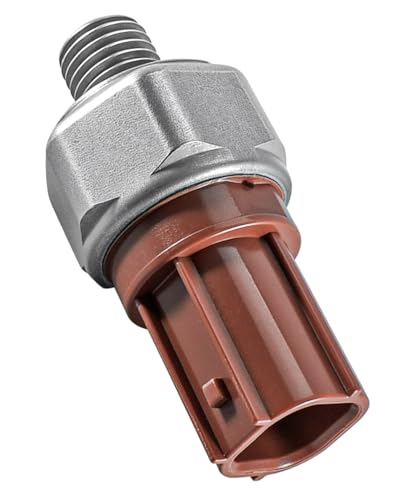
| Best for Civics | Function: Transmits transmission oil pressure to ECU (sensor) | Vehicle-fit / Compatibility: Honda Civic 2006–2011 | OE / Replacement Part Numbers (replaces or matches): Replaces 1S12242, 28600RPC003/004/013, PS534, PS535 | VIEW LATEST PRICE | Read Our Analysis |
| Dorman Transmission Pressure Sensor for Chrysler/Dodge/Ram |

| Reliable Replacement | Function: Transmission oil pressure transducer (senses pressure) | Vehicle-fit / Compatibility: Select Chrysler/Dodge/Ram models (verify exact fit) | OE / Replacement Part Numbers (replaces or matches): Dorman 926-442 (matches original transducer fit/function) | VIEW LATEST PRICE | Read Our Analysis |
| Transmission Pressure Switches for Honda & Acura (2PCS) |

| Best Value Pack | Function: Transmission oil pressure switch (2nd–3rd gear) | Vehicle-fit / Compatibility: Honda & Acura models (Accord/Civic/CR-V/Acura lines) — verify fit | OE / Replacement Part Numbers (replaces or matches): Compatible with 28600-P7W-003, 28600-P7Z-003, 28600-P7Z-013, 28610-RAY-003, 28610-RKE-004, 99230/99232, 90411E/C | VIEW LATEST PRICE | Read Our Analysis |
| Transmission Fluid Pressure/Oil Pressure Sensor Switch |
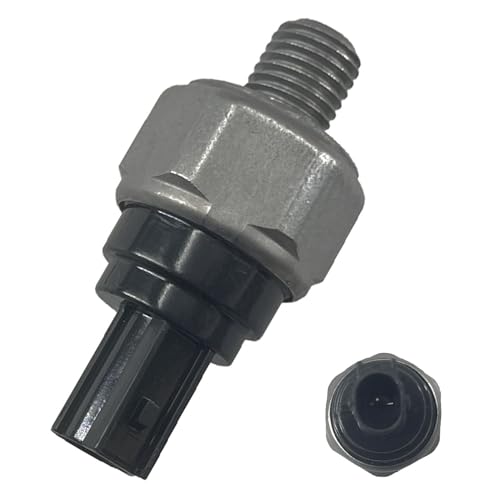
| Premium OEM Fit | Function: Transmission fluid / oil pressure switch | Vehicle-fit / Compatibility: Various Honda/Acura models (Accord, Civic, MDX, RDX, Pilot, etc.) — model-year ranges listed | OE / Replacement Part Numbers (replaces or matches): Replaces 28610R36004, 28610R97003/97013, 28610RKE004, 1S12591, PS743, V26730062, etc. | VIEW LATEST PRICE | Read Our Analysis |
| HiSport Transmission Governor Pressure Sensor (4799758) |
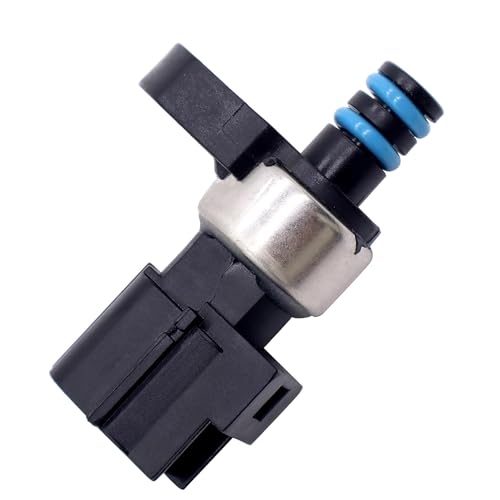
| Wide Compatibility | Function: Transmission governor/pressure sensor | Vehicle-fit / Compatibility: Dodge/Jeep/Chrysler/Ram/Mitsubishi models (1999–2021 ranges) — check fit | OE / Replacement Part Numbers (replaces or matches): Replaces 4799758, 4799758AB/AC/AD/AF, 5016222AA | VIEW LATEST PRICE | Read Our Analysis |
| Automatic Transmission Oil Pressure Sensor (28610-R36-004) |

| Luxury Model Fit | Function: Transmission oil pressure switch/sensor | Vehicle-fit / Compatibility: Honda & Acura models (Accord/Civic/MDX/RDX/Pilot/Ridgeline etc.) — verify fit by year/VIN | OE / Replacement Part Numbers (replaces or matches): Part number 28610-R36-004 (matches OEM 28610-R36-004) | VIEW LATEST PRICE | Read Our Analysis |
More Details on Our Top Picks
Transmission Oil Pressure Sensors for Honda Civic 2006-2011
In case you drive a Honda Civic from 2006 to 2011 and you want shifts that feel steady and predictable, this transmission oil pressure sensor is a smart choice. You’ll fit it easily because it replaces part numbers like 1S12242, 28600RPC003, 28600RPC004, 28600RPC013, PS534, and PS535. It sends real time oil pressure data to the ECU so shift control stays precise and shifting feels smooth. The stainless steel build stands up to heat, pressure, and vibration, so it won’t age or crack quickly. You’ll notice less shock, no slip, quick shifts, and fewer warning lights.
- Function:Transmits transmission oil pressure to ECU (sensor)
- Vehicle-fit / Compatibility:Honda Civic 2006–2011
- OE / Replacement Part Numbers (replaces or matches):Replaces 1S12242, 28600RPC003/004/013, PS534, PS535
- Construction / Materials:Stainless steel construction (high-temp/pressure/vibration resistant)
- Purpose / Benefit:Restores smooth shifting, improves responsiveness and shift control
- Support / Warranty / Return Policy:Durability claims extend service life (no explicit warranty listed)
- Additional Feature:Fast, stable signal
- Additional Feature:Stainless steel construction
- Additional Feature:High-temp/high-vibration resistant
Dorman Transmission Pressure Sensor for Chrysler/Dodge/Ram
Provided you drive a Chrysler, Dodge, or Ram and need a simple, reliable fix for a failing transmission oil pressure reading, the Dorman 926-442 transmission pressure sensor is a smart choice that fits drivers who want a direct, worry-free replacement. You’ll like that it matches original fit and function, so installation feels familiar and quick. Check fit initially through entering make, model, and trim into your garage tool. The sensor uses durable materials, so it should last. Experts in the United States back it, and the manufacturer brings decades of know-how, giving you real peace of mind.
- Function:Transmission oil pressure transducer (senses pressure)
- Vehicle-fit / Compatibility:Select Chrysler/Dodge/Ram models (verify exact fit)
- OE / Replacement Part Numbers (replaces or matches):Dorman 926-442 (matches original transducer fit/function)
- Construction / Materials:Durable construction using quality materials (unspecified)
- Purpose / Benefit:Restores transmission oil pressure sensing after original failure
- Support / Warranty / Return Policy:US-based product experts; manufacturer backing (Dorman) — verify fit
- Additional Feature:US-based product experts
- Additional Feature:Century-old manufacturer
- Additional Feature:Verify fit with garage tool
Transmission Pressure Switches for Honda & Acura (2PCS)
You’ll appreciate these KEJSTED 2PCS transmission pressure switches when you own a Honda or Acura and want a reliable, user-replaceable part that directly targets 2nd to 3rd gear oil pressure control. You’ll get two new switches that match many OEM numbers like 28600-P7W-003 and 28600-P7Z-003, so you can swap the old failing switch without guessing. They fit Accord, Civic, CR-V, Element, Fit, Odyssey, Pilot and many Acura models but check fit initially. The parts use durable materials, run stable, and arrive quality tested. Should it fail, the seller offers replacement or refund and quick replies.
- Function:Transmission oil pressure switch (2nd–3rd gear)
- Vehicle-fit / Compatibility:Honda & Acura models (Accord/Civic/CR-V/Acura lines) — verify fit
- OE / Replacement Part Numbers (replaces or matches):Compatible with 28600-P7W-003, 28600-P7Z-003, 28600-P7Z-013, 28610-RAY-003, 28610-RKE-004, 99230/99232, 90411E/C
- Construction / Materials:High-quality material (brand KEJSTED) for long-lasting durability
- Purpose / Benefit:Restores 2nd–3rd gear pressure sensing; stable operation and reliable shifting
- Support / Warranty / Return Policy:100% quality tested; replacement/refund available; seller replies within 12 working hours
- Additional Feature:Two-piece set
- Additional Feature:100% quality tested
- Additional Feature:Seller replies within 12h
Transmission Fluid Pressure/Oil Pressure Sensor Switch
Should you want a reliable, affordable replacement that fits many Honda and Acura models, this Transmission Fluid Pressure Switch is a solid pick and will save you time on diagnosis. You’ll get part 28610R36004 that replaces several numbers, so you won’t worry about fit. It suits MDX, RDX, Accord, Civic, CR-V, Pilot, Ridgeline and more across various years. The switch uses quality ABS plastic and feels sturdy whenever you handle it. It ships as one piece, includes a 12 month warranty, and offers Amazon Message support. You’ll like the simple swap and clearer pressure readings.
- Function:Transmission fluid / oil pressure switch
- Vehicle-fit / Compatibility:Various Honda/Acura models (Accord, Civic, MDX, RDX, Pilot, etc.) — model-year ranges listed
- OE / Replacement Part Numbers (replaces or matches):Replaces 28610R36004, 28610R97003/97013, 28610RKE004, 1S12591, PS743, V26730062, etc.
- Construction / Materials:High-quality ABS plastic
- Purpose / Benefit:Restores transmission fluid pressure sensing for correct operation (improves function)
- Support / Warranty / Return Policy:12-month warranty; customer support via Amazon Message
- Additional Feature:ABS plastic construction
- Additional Feature:12-month warranty
- Additional Feature:Broad Acura/Honda coverage
HiSport Transmission Governor Pressure Sensor (4799758)
Should you need a reliable, direct-fit replacement for governor or transmission speed sensing on older Dodge, Jeep, Chrysler, Ram, or Mitsubishi vehicles, the HiSport 4799758 is made to match the original part and get your transmission responding like it should. You’ll find it fits many models from 1999 to 2021, including Durango, Dakota, Ram, Wrangler, and Grand Cherokee. It replaces several OEM numbers and installs like the factory sensor. The plastic build keeps weight low and performance steady. You can expect seller support within one business day and a 30-day return option provided it doesn’t meet your needs.
- Function:Transmission governor/pressure sensor
- Vehicle-fit / Compatibility:Dodge/Jeep/Chrysler/Ram/Mitsubishi models (1999–2021 ranges) — check fit
- OE / Replacement Part Numbers (replaces or matches):Replaces 4799758, 4799758AB/AC/AD/AF, 5016222AA
- Construction / Materials:Quality plastic material
- Purpose / Benefit:Direct OE replacement to restore governor/speed/pressure sensing
- Support / Warranty / Return Policy:Seller responds within 24 working hours; 30-day return (Amazon) and support
- Additional Feature:Direct OE replacement
- Additional Feature:Wide model-year coverage
- Additional Feature:30-day return guarantee
Automatic Transmission Oil Pressure Sensor (28610-R36-004)
Should you drive a late-model Acura or Honda and want a reliable way to monitor transmission pressure, the Automatic Transmission Oil Pressure Sensor 28610-R36-004 is a strong match. You’ll find it fits many Acura models like MDX, RDX, RL, RLX, TL, TSX, and ZDX across specific years. It also suits Honda sedans, crossovers, SUVs, vans, and utilities such as Accord, Civic, CR-V, Element, Odyssey, Pilot, and Ridgeline within listed ranges. Before you install, check your VIN or service manual to confirm fit. You’ll appreciate its direct role as a transmission oil pressure switch sensor.
- Function:Transmission oil pressure switch/sensor
- Vehicle-fit / Compatibility:Honda & Acura models (Accord/Civic/MDX/RDX/Pilot/Ridgeline etc.) — verify fit by year/VIN
- OE / Replacement Part Numbers (replaces or matches):Part number 28610-R36-004 (matches OEM 28610-R36-004)
- Construction / Materials:(Not explicitly specified) implies standard sensor materials for OEM replacement (durable construction noted)
- Purpose / Benefit:Restores transmission oil pressure sensing/function for listed vehicles
- Support / Warranty / Return Policy:Compatibility note advising verification; no explicit warranty listed (verify with seller)
- Additional Feature:Matches specific part number
- Additional Feature:Luxury-model focus (Acura)
- Additional Feature:VIN/service manual recommended
Factors to Consider When Choosing Transmission Oil Pressure Sensors
As you pick a transmission oil pressure sensor, start alongside checking compatibility with your vehicle so you know the sensor will fit and communicate correctly with the transmission control system. Also consider signal response time and electrical signal stability, because quick, steady readings keep shifts smooth and prevent drivability issues. Finally, look at materials and durability along with installation and fitment to make sure the part lasts and you won’t struggle to install it.
Compatibility With Vehicle
Because a wrong sensor can leave you stranded or cause damage, you’ll want to match the transmission oil pressure sensor to your vehicle exactly. Start by confirming the part number matches your vehicle year, make, model, and engine or transmission code, since tiny changes matter. Also check the electrical connector type and pin count so it plugs in without splicing. Next, verify the sensor’s pressure range and output type match what your ECU or transmission control unit expects. At the same time inspect mounting thread size, sealing method like O-ring versus metal threads, and overall dimensions to avoid leaks or interference. Cross-reference OEM manuals, compatibility tables, or run a VIN lookup rather than trusting generic fit lists to stay safe and confident.
Signal Response Time
You matched the sensor to your vehicle, and now you need to contemplate how fast that sensor talks to the control unit. You want a sensor that responds in milliseconds so the ECU sees pressure shifts quickly. Faster response improves gear timing and cuts shift shock, so sub-10 ms is ideal for rapid shifting. Should a sensor take more than 50 ms you’ll observe lag during quick shifts. Also look for consistent timing across repeated cycles. Jitter creates uneven shifts even if average latency looks good. Make sure the sensor keeps its response under heat and vibration because stress can slow electronics and harm control. Finally, match response speed to your transmission strategy. High-performance electronic systems need the fastest, lowest-latency sensors.
Durability And Materials
Should you want a transmission oil pressure sensor that lasts, pick materials and construction that keep out fluid, heat, and vibration so the sensor can keep telling the ECU the truth day after day. You’ll want corrosion resistant metals like stainless steel or high grade engineered plastics that won’t degrade in hot, contaminated fluid. Check rated temperature and pressure limits and match them to your transmission’s range, since fluid can hit about 250°F and pressures span a few to several hundred psi. Favor sensors with strong housings, secure connectors, and vibration and shock resistance. Look for proven seals such as O rings, molded seals, or welded joints that resist aging and additives. Also review MTBF or manufacturer lifespan to feel confident about long term durability.
Installation And Fitment
Upon fitting a transmission oil pressure sensor, start alongside matching the physical and electrical details so the part plugs in and seals without a fight. You should confirm the OEM part number or connector pin count and shape so the cable assembly mates cleanly. Also verify thread size, pitch, and sealing method, since an O-ring versus a crush washer changes how you seat the sensor and avoid leaks. Check mounting orientation and clearance so the sensor body and wiring don’t rub nearby parts or bake in heat. Compare operating pressure range and response type so the control unit reads the signal correctly. Finally follow the recommended torque and use a calibrated wrench to tighten the sensor to spec and prevent damage.
Electrical Signal Stability
Picking the right transmission oil pressure sensor means getting a clean, steady electrical signal so the control unit can make good decisions every time. You’ll want low output noise so the ECU sees true pressure changes, not random spikes. Fast response time matters too because shifts happen quickly and the sensor must follow in milliseconds. Look for consistent linearity and repeatability so the voltage or current matches actual pressure across the whole range and calibration stays stable. Also check for strong immunity to electromagnetic interference and solid grounding, which cut transient errors in busy electrical environments. Finally, choose sensors with minimal thermal drift from −40°C to +125°C so readings stay accurate as your transmission heats and cools.
Warranty And Support
When purchasing a transmission oil pressure sensor, warranty and support tell you how protected you’ll be should things go wrong, so don’t treat them as an afterthought. You should check warranty length, which commonly runs from 6 to 24 months, and confirm it covers electronic failure, mechanical failure, and normal wear. Also verify claim requirements like proof of purchase, vehicle VIN, and installation receipts, and whether DIY installation or non-certified repairs void coverage. Ask whether return shipping, replacement parts, or labor reimbursement are included, or whether you only get a refund or exchange. Look for support channels and response times through email, phone, or chat, and whether technicians give troubleshooting and installation guidance. Finally, ask whether consequential damage such as transmission harm is covered or excluded.
