

Tanks that fit your rig, keep water safe, and avoid leaks or extra weight are top priorities for any RV trip. Best options include Class A Customs T-3000 (30 gal), UM-2000 under‑mount (20 gal), T-5000 (50 gal), 10 and 20 gal kits with pumps and fittings, and the RecPro 100 gal for long runs.
Pick NSF‑approved MDPE, seamless construction, proper venting and plastic-thread fittings. Match tank capacity to trip length so everyone stays hydrated and gear stays light.
| classAcustoms | One (1) RV Fresh and Gray Water 30 Gallon Tank | T-3000 |

| Versatile Mid-Size | Capacity: 30 gallons | Intended Use: Fresh or gray water (RV, concessions, portable sinks) | Country of Manufacture / Origin: Made in USA (Elkhart, Indiana) | VIEW LATEST PRICE | Read Our Analysis |
| Class A Customs UM-2000 20-Gallon RV UnderMount Tank |
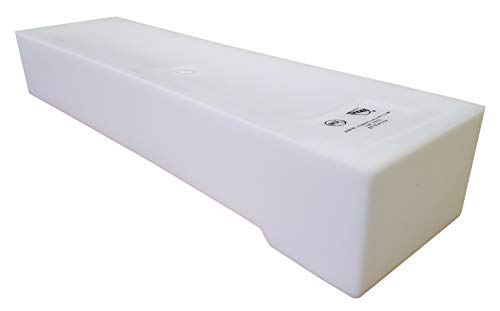
| Under-Mount Saver | Capacity: 20 gallons | Intended Use: Fresh or gray water (RV, concessions, portable sinks) | Country of Manufacture / Origin: Made in USA (Elkhart, Indiana) | VIEW LATEST PRICE | Read Our Analysis |
| Class A Customs T-5000 50-Gallon RV Fresh Water Tank |
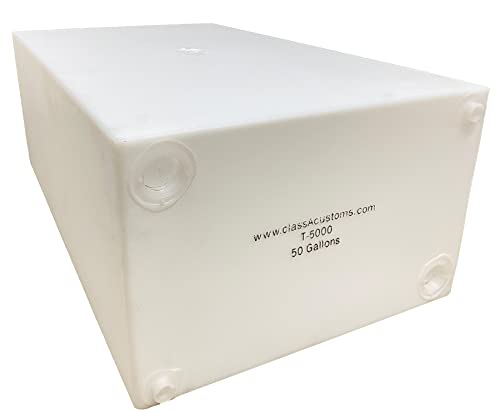
| High-Capacity Choice | Capacity: 50 gallons | Intended Use: Fresh or gray water (RV, concessions, potable storage) | Country of Manufacture / Origin: Made in USA (Elkhart, Indiana) | VIEW LATEST PRICE | Read Our Analysis |
| classAcustoms 10-Gallon RV Fresh Water Tank Kit |

| Compact Kit | Capacity: 10 gallons | Intended Use: Fresh/drinking water for RVs and concessions (kit includes pump) | Country of Manufacture / Origin: Made in USA | VIEW LATEST PRICE | Read Our Analysis |
| classAcustoms 20 Gallon RV Fresh Water Tank Kit |

| Ready-to-Use Kit | Capacity: 20 gallons | Intended Use: Fresh/drinking water for RVs and concessions (kit includes pump) | Country of Manufacture / Origin: Made in USA | VIEW LATEST PRICE | Read Our Analysis |
| RecPro 100 Gallon RV Fresh Water Tank |

| Long-Trip Bulk | Capacity: 100 gallons | Intended Use: Fresh or gray water for RVs/trailers (potable storage) | Country of Manufacture / Origin: Made in USA | VIEW LATEST PRICE | Read Our Analysis |
More Details on Our Top Picks
classAcustoms | One (1) RV Fresh and Gray Water 30 Gallon Tank | T-3000
In case you want a reliable, easy-to-install tank for your RV or camper, the classAcustoms T-3000 30 gallon tank is a smart choice. You’ll appreciate its NSF approved plastics that keep water safe for drinking and daily use. It fits tight spaces at 34.5 by 12 by 17.5 inches and can sit on any side so you can rotate it to change height or width. It includes multiple 1.5 and 0.5 inch NPT fittings, some sealed for easy customization. Don’t over tighten fittings, vent the non pressurized tank, and use gravity filling to avoid damage.
- Capacity:30 gallons
- Intended Use:Fresh or gray water (RV, concessions, portable sinks)
- Country of Manufacture / Origin:Made in USA (Elkhart, Indiana)
- Material / Safety Rating:NSF-approved plastics (drinking water safe)
- Fittings Included / Built-in Fittings:Two 1.5″ female NPT (sealed membranes) + two 0.5″ female NPT (open) [additional 1.5″ balloon-style sealed and 0.5″ threaded]
- Non-Pressurized / Venting Requirement:Non-pressurized — must be vented; do not attach pressurized garden hose
- Additional Feature:Compact 30-gallon capacity
- Additional Feature:Multiple removable membranes
- Additional Feature:Any-side orientation
Class A Customs UM-2000 20-Gallon RV UnderMount Tank
Whenever needing a tough, space-saving fresh water tank that fits under a coach or trailer, the Class A Customs UM-2000 20-gallon under-mount tank is a great choice for you. You’ll appreciate that it’s made in Elkhart, Indiana, from NSF-approved materials safe for drinking water. It measures 48 whenever 13 whenever 8.5 inches with sturdy walls and clean finish. You can mount it on any side to change height or width, and it includes two 1.5-inch and two 0.5-inch female NPT fittings. Don’t pressurize it, vent it properly, use plastic fittings, and avoid over-tightening metal threads.
- Capacity:20 gallons
- Intended Use:Fresh or gray water (RV, concessions, portable sinks)
- Country of Manufacture / Origin:Made in USA (Elkhart, Indiana)
- Material / Safety Rating:NSF-approved materials (drinking water safe)
- Fittings Included / Built-in Fittings:Two 1.5″ female NPT (sealed membranes) + two 0.5″ female NPT (open)
- Non-Pressurized / Venting Requirement:Non-pressurized — must be vented; avoid direct garden hose connection
- Additional Feature:UnderMount design
- Additional Feature:Long 48″ footprint
- Additional Feature:Low-profile 8.5″ height
Class A Customs T-5000 50-Gallon RV Fresh Water Tank
Provided that you want a tough, easy-to-install 50 gallon tank for your RV or concession trailer, the Class A Customs T-5000 fits the bill. You’ll appreciate its one piece seamless MDPE build that won’t burst and shows the waterline through creamy white plastic. It weighs 37 pounds and fits compact spaces at 38.25 by 22.25 by 14.25 inches. Use the built in NPT fittings with plastic connectors and avoid over tightening. Don’t seal or pressurize the tank and always vent it. Have a pro install it, brace it, and follow local health rules for food use.
- Capacity:50 gallons
- Intended Use:Fresh or gray water (RV, concessions, potable storage)
- Country of Manufacture / Origin:Made in USA (Elkhart, Indiana)
- Material / Safety Rating:MDPE (NSF/ANSI Std 61 approved; drinking water safe)
- Fittings Included / Built-in Fittings:Two 1.5″ female NPT (sealed membranes) + two 0.5″ female NPT (open)
- Non-Pressurized / Venting Requirement:Non-pressurized — must be vented; avoid sealed pressurized connections
- Additional Feature:Translucent creamy white
- Additional Feature:One-piece seamless construction
- Additional Feature:Visible waterline
classAcustoms 10-Gallon RV Fresh Water Tank Kit
Should you want a simple, reliable freshwater setup for an RV, the classAcustoms 10-Gallon kit is a smart pick for solo travelers, small families, and concession operators who need safe drinking water on the road. You’ll like that it’s made in the USA from NSF approved MDPE, so it’s safe for drinking water. The seamless one piece tank fits tight spaces and shows the waterline. Install it on a level surface and brace it; don’t hang it or pressurize it. The kit includes fittings, hoses, clamps, and a 12V on demand pump that runs about 3 GPM. Clean before initial use.
- Capacity:10 gallons
- Intended Use:Fresh/drinking water for RVs and concessions (kit includes pump)
- Country of Manufacture / Origin:Made in USA
- Material / Safety Rating:MDPE (DOW NSF/ANSI Std 61 approved; drinking water safe)
- Fittings Included / Built-in Fittings:Two 1.5″ female NPT (sealed membranes) + two 0.5″ female NPT (open) — plus included plumbing kit (hose barbs, clamps, hoses, pump)
- Non-Pressurized / Venting Requirement:Non-pressurized — must be vented; warnings about pressurization; pump is 12V on-demand
- Additional Feature:Includes 12V on-demand pump
- Additional Feature:Complete plumbing kit
- Additional Feature:Lightweight 10 lb
classAcustoms 20 Gallon RV Fresh Water Tank Kit
Should you want a reliable, compact fresh water solution for a small motorhome or conversion van, the classAcustoms 20 Gallon RV Fresh Water Tank Kit fits the bill because it pairs an NSF-approved 20 gallon tank with a ready-to-install plumbing kit and a 12 volt on-demand pump. You’ll like the safe material and versatile orientation that lets you rotate the tank to suit tight spaces. The kit includes hoses, clamps, adapters, and a vent hose so you can install without hunting parts. The pump runs on 12 V, delivers about 3.0 GPM, and senses pressure to protect itself. Follow the manual and avoid pressurizing fills.
- Capacity:20 gallons
- Intended Use:Fresh/drinking water for RVs and concessions (kit includes pump)
- Country of Manufacture / Origin:Made in USA
- Material / Safety Rating:NSF-approved materials (drinking water safe)
- Fittings Included / Built-in Fittings:Two 1.5″ female NPT (sealed membranes) + two 0.5″ female NPT (open) — plus included plumbing kit (hose barbs, clamps, hoses, pump)
- Non-Pressurized / Venting Requirement:Non-pressurized — must be vented; warnings about pressurization; pump is 12V on-demand
- Additional Feature:20-gallon pump kit
- Additional Feature:Includes fill & vent hoses
- Additional Feature:12V3 pump model
RecPro 100 Gallon RV Fresh Water Tank
Provided that you’re the kind of RV owner who loves long trips or travels with a family, the RecPro 100 gallon freshwater tank is a reliable choice that keeps your water needs covered. You’ll appreciate its large 100 gallon capacity for extended stays and busy crews. Made in America from sturdy polyethylene, it resists leaks and handles road bumps without fuss. You can use it for drinking water or gray water, and it doubles as an emergency backup. It installs in trailers and RVs, fits typical spaces, and connects to potable systems. You’ll feel secure aware that it’s built tough for life on the road.
- Capacity:100 gallons
- Intended Use:Fresh or gray water for RVs/trailers (potable storage)
- Country of Manufacture / Origin:Made in USA
- Material / Safety Rating:Polyethylene (potable/freshwater safe)
- Fittings Included / Built-in Fittings:(General polyethylene tank) — fittings not specified in summary
- Non-Pressurized / Venting Requirement:Non-pressurized (typical polyethylene freshwater tank) — venting implied though not detailed in summary
- Additional Feature:Large 100-gallon capacity
- Additional Feature:Heavy-duty polyethylene
- Additional Feature:Emergency backup suitable
Factors to Consider When Choosing Rv Freshwater Tanks
When you select an RV freshwater tank, consider initially about how much water you need and how far you’ll travel between fills so capacity matches your range. Also check the tank material for safety and durability, make sure the shape fits your storage space, and confirm fittings, threads, venting, and pressure requirements will work with your plumbing. These points all connect to one goal: a safe, leak-free system that gives you confidence on the road.
Capacity And Range
Pick a tank size that fits how you live on the road, because water is heavy and your freedom depends on it. First, estimate daily use. Plan 3 to 5 gallons per person for minimal trips, 10 to 20 gallons for comfort. Multiply by trip length to get needed capacity. Next, weigh range against weight. Larger tanks give longer time between fills but add about 8.34 pounds per gallon, which affects GVWR, axles, and handling. Also consider refill availability on your route so you don’t carry unnecessary weight. Check physical fit and orientation in your RV since a big tank may not install where you need it. Finally, match tank size to use patterns from weekend getaways to full time living to avoid surprises on the road.
Material And Safety
Should you want safe water on the road, start upon choosing tanks made from NSF/ANSI approved plastics like MDPE or HDPE, since those materials are tested to be safe for drinking and won’t leach harmful chemicals into your supply. You’ll want seamless, one-piece rotationally molded tanks whenever possible because they remove joints where bacteria hide and reduce leak risk. Check average wall thickness, often near 7/32 inch, and manufacturing tolerances to judge strength and resistance to bulging under load. Make sure interior surfaces are smooth and cleaned before use so sanitizing is easier and bacteria struggle to grow. Also confirm the plastic tolerates your cleaning chemicals, expected temperatures, and UV exposure, and matches fresh versus gray water use.
Tank Shape Fit
Because space in an RV is unforgiving, you’ll want a freshwater tank shape that fits the cavity without forcing or trimming parts. Start at measuring length, width, and height, and add about a quarter inch tolerance so the tank slips into place. Pick a rectangular, low-profile, or tall skinny shape that matches the opening and sits on a stable surface. You can rotate some tanks to change height or width, which helps when underfloor cavities are odd. Consider about how the shape spreads weight when full, since flat tanks spread load and tall tanks concentrate it and could need bracing. Also make sure the tank’s placement allows proper venting and gravity filling while keeping plumbing access clear for installation and maintenance.
Fittings And Threads
Start via checking the threads and fittings on any freshwater tank you’re considering, because they’re the parts that keep water in and leaks out. You’ll want matching thread types and sizes so fittings seat properly and form tight seals without awkward adapters. For polyethylene tanks pick plastic-threaded fittings to avoid galling or cracking from metal parts. Whenever you tighten, stop at hand-tight plus a quarter to half turn so plastic threads don’t strip. In case you change from hose to pipe, use correct thread adapters and hose barb fittings sized to the tank thread and hose ID to prevent leaks and unwanted pressure. Also make sure vents and fill ports accept removable, correctly sized fittings or membranes so air can move freely once you fill or use water.
Venting And Pressure
Whenever you pick an RV freshwater tank, pay close attention to how it vents and handles pressure, because proper venting keeps your water flowing smoothly and your tank intact. You’ll rely on a vent to let air in and out as you draw or fill water. Should you seal the tank through connecting a garden hose without an air gap, added pressure can deform or even rupture plastic tanks, so don’t do that. Match vent and vent hose size to the manufacturer’s spec, and route hoses to avoid kinks, steep rises, or immersion that could block airflow. Good venting stops slow siphoning, glugging noises, and erratic flow. Use plastic-threaded fittings and avoid over-tightening metal ones that can crack or strip threads.
Installation And Mounting
Proper venting and pressure control protect the tank, and good mounting does the same for everything attached to it. You want the tank on a level, stable surface so it won’t rock or stress fittings while you drive. Pick an orientation that fits your space, but check clearance for fittings and access. Use plastic-threaded fittings and don’t over-tighten; that prevents cracking molded ports. Where fittings bear load, add backing plates or support blocks for strength. Route fill, vent, and outlet hoses with gentle bends so they won’t chafe, rub on sharp edges, or sit near heat sources. Don’t hang the tank using straps or pile weight on top. Instead, brace under the perimeter and leave access for inspection and future service.
Maintenance And Cleaning
You should check and clean your RV freshwater tank on a regular schedule so it stays safe and tastes good. Flush and sanitize every 3 to 6 months or after storage using about 50 ppm chlorine, roughly 1/4 cup household bleach per 15 gallons, then rinse until no bleach smell remains. After each trip, drain and rinse to remove food, soap, and sediment, and run fresh water through outlets and vents to stop biofilm. Inspect fittings, seals, and vents quarterly for cracks or worn gaskets, and swap plastic threaded fittings alternatively they show wear. Use a visible waterline or dipstick to watch sediment and deep clean whenever capacity drops, scrubbing or using an RV safe cleaner. Store tanks dry, capped, and out of sunlight to prevent algae and UV damage.
