

Transmission cooling lines keep fluid temperatures down and extend gearbox life. This list highlights five top cooling-line options for 2026 drivers, covering direct-fit assemblies, heavy-duty braided kits, and vehicle-specific replacements.
Each selection balances fit, corrosion resistance, and cooling performance so you avoid roadside failures. Read on for clear guidance on choosing the right line for your vehicle and driving needs.
| A-Premium Transmission Oil Cooler Line Hose Assembly for Jeep Wrangler |

| Reliable Replacement | Compatibility / Application: Jeep Wrangler 2007–2011 (V6 3.8L, 42RLE/4-speed) | Function / Purpose: Inlet and outlet transmission oil cooler line assembly (restores cooling/flow) | Construction Material / Durability: Durable, corrosion-resistant construction | VIEW LATEST PRICE | Read Our Analysis |
| Alpha Rider CVT Transmission Oil Cooler Line & Gasket Kit |

| Complete Kit | Compatibility / Application: Nissan Juke 2010–2018 (1.6, CVT) | Function / Purpose: Cooler lines + filter/gasket kit (cooling and filtration) | Construction Material / Durability: Corrosion-resistant, high-temperature iron; aluminum alloy filter components; rubber gasket | VIEW LATEST PRICE | Read Our Analysis |
| Dorman Automatic Transmission Oil Cooler Hose Assembly |
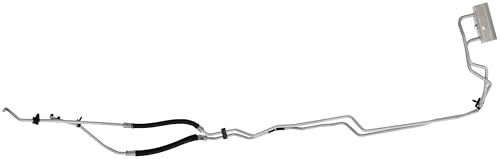
| OE Fitment | Compatibility / Application: Select Cadillac/Chevrolet/GMC models (specific years/models via fit tool) | Function / Purpose: Transmission oil cooler hose assembly (restores transmission cooling) | Construction Material / Durability: Quality materials designed for reliable service life | VIEW LATEST PRICE | Read Our Analysis |
| Dorman Transmission Oil Cooler Hose Assembly for Ford |

| Ford-Specific Fix | Compatibility / Application: Select Ford models (specific years/models via fit tool) | Function / Purpose: Transmission oil cooler hose assembly (restores transmission cooling) | Construction Material / Durability: Durable construction using quality materials | VIEW LATEST PRICE | Read Our Analysis |
| AN6 Stainless Steel Braided Transmission Fluid Cooler Hose Kit |

| Performance Upgrade | Compatibility / Application: Universal fit for many transmissions (GM 4L80E, TH350/TH400/700R4/4L60/4L60E/4L65E/TR6060; Ford C4/C6/AOD/4R100/4R70W; AN-6 adaptable) | Function / Purpose: Transmission cooler hoses (improves cooling capacity and circulation) | Construction Material / Durability: PTFE inner hose with stainless-steel braid (high corrosion/heat resistance) | VIEW LATEST PRICE | Read Our Analysis |
More Details on Our Top Picks
A-Premium Transmission Oil Cooler Line Hose Assembly for Jeep Wrangler
Provided you own a Jeep Wrangler from 2007 to 2011 with the V6 3.8L and automatic transmission, this A-Premium inlet and outlet transmission oil cooler line hose assembly is a smart choice whenever you want a reliable, direct-fit replacement. You’ll find the dual-line 33.5 inch assembly fits the 42RLE 4-speed setup and matches reference numbers like 5801323 and 55056624AC. It’s made from durable, corrosion-resistant materials, so you won’t worry about leaks or premature failure. Before you order, check the compatibility tool for your VIN. A-Premium backs it with a one-year unlimited-mileage warranty for peace of mind.
- Compatibility / Application:Jeep Wrangler 2007–2011 (V6 3.8L, 42RLE/4-speed)
- Function / Purpose:Inlet and outlet transmission oil cooler line assembly (restores cooling/flow)
- Construction Material / Durability:Durable, corrosion-resistant construction
- Fit Type / Installation:Direct replacement (33.5″ dual-line)
- Leak/Failure Prevention Benefit:Reliable, leak-free operation claimed
- Manufacturer Support / Warranty:A-Premium one-year unlimited-mileage guarantee
- Additional Feature:One-year unlimited warranty
- Additional Feature:Dual-line inlet/outlet
- Additional Feature:33.5-inch length
Alpha Rider CVT Transmission Oil Cooler Line & Gasket Kit
Should you drive a Nissan Juke 1.6 with the CVT gearbox from 2010 to 2018 and want dependable transmission care, this Alpha Rider kit is a smart pick. You get cooler lines, a transmission filter, an oil pan gasket, and a cooler filter that work together to keep fluid clean and moving. The iron lines resist corrosion and heat so leaks stay away. The aluminum filter assembly and rubber gasket seal tightly to protect the valve body. Through replacing old parts, you reduce failure risk and enhance cooling. You’ll feel confident being aware fitment matches your Juke exactly.
- Compatibility / Application:Nissan Juke 2010–2018 (1.6, CVT)
- Function / Purpose:Cooler lines + filter/gasket kit (cooling and filtration)
- Construction Material / Durability:Corrosion-resistant, high-temperature iron; aluminum alloy filter components; rubber gasket
- Fit Type / Installation:Vehicle-specific kit (designed to fit Nissan Juke CVT models)
- Leak/Failure Prevention Benefit:Replaces corroded lines and filters to prevent leaks and valve-body clogging
- Manufacturer Support / Warranty:Implied support via kit components and quality materials (manufacturer support implied)
- Additional Feature:Includes transmission filter
- Additional Feature:Aluminum alloy filter housing
- Additional Feature:Designed for Nissan Juke
Dorman Automatic Transmission Oil Cooler Hose Assembly
Provided you want a dependable, direct-fit replacement that gets your transmission cooling back to normal fast, the Dorman 624-437 Automatic Transmission Oil Cooler Hose Assembly is a smart pick. You’ll find it fits select Cadillac, Chevrolet, and GMC models and matches original equipment fit and function. Check your vehicle in the garage tool and confirm the Confirmed Fit bar before buying. Should a blue-circled i appears, hover for extra fit notice. It’s built from quality materials to stop leaks and last. U.S.-based product experts support you, and the maker brings over a century of automotive know-how to back the part.
- Compatibility / Application:Select Cadillac/Chevrolet/GMC models (specific years/models via fit tool)
- Function / Purpose:Transmission oil cooler hose assembly (restores transmission cooling)
- Construction Material / Durability:Quality materials designed for reliable service life
- Fit Type / Installation:Direct replacement (matches OE fit/function for listed vehicles)
- Leak/Failure Prevention Benefit:Restores proper cooling when original assembly leaks or fails
- Manufacturer Support / Warranty:Backed by U.S.-based product experts and Dorman support
- Additional Feature:OE-matching direct replacement
- Additional Feature:Garage-tool fit verification
- Additional Feature:U.S.-based product experts
Dorman Transmission Oil Cooler Hose Assembly for Ford
Should you drive a Ford and want a hassle-free fix for a leaking or damaged transmission cooler line, the Dorman 624-542 automatic transmission oil cooler hose assembly is a smart choice. You’ll get a direct replacement that matches the original fit and function, so installation is straightforward. It tackles common failure causes like corrosion, collision, vibration, and fitting damage with durable materials built to last. You can trust Dorman know-how backed with long automotive experience and U.S. product support. Before you buy, enter your Ford’s make, model, and trim into the garage tool to confirm compatibility.
- Compatibility / Application:Select Ford models (specific years/models via fit tool)
- Function / Purpose:Transmission oil cooler hose assembly (restores transmission cooling)
- Construction Material / Durability:Durable construction using quality materials
- Fit Type / Installation:Direct replacement (matches OE fit/function for listed Ford vehicles)
- Leak/Failure Prevention Benefit:Replaces failed assemblies caused by corrosion, collision, vibration, or fitting damage
- Manufacturer Support / Warranty:Backed by Dorman product experts and company experience
- Additional Feature:Addresses collision damage
- Additional Feature:Covers vibration-related failures
- Additional Feature:Model-specific part number (624-542)
AN6 Stainless Steel Braided Transmission Fluid Cooler Hose Kit
Should you tow heavy loads or drive long distances and want a simple, reliable upgrade, this AN6 stainless steel braided transmission cooler hose kit is built for you. You get two 70 inch PTFE core hoses with stainless braid that resist corrosion and stay flexible. They fit many GM and Ford transmissions and work with AN-6 adapters for universal use. The kit includes multiple billet adapters and two aluminum 4L80E fittings so you can route lines cleanly and reduce leaks. You’ll notice better cooling while towing, improved durability, and easier installation. Support is available in case you require fitting details.
- Compatibility / Application:Universal fit for many transmissions (GM 4L80E, TH350/TH400/700R4/4L60/4L60E/4L65E/TR6060; Ford C4/C6/AOD/4R100/4R70W; AN-6 adaptable)
- Function / Purpose:Transmission cooler hoses (improves cooling capacity and circulation)
- Construction Material / Durability:PTFE inner hose with stainless-steel braid (high corrosion/heat resistance)
- Fit Type / Installation:Universal/adapter-based installation using AN-6 fittings and included adapters
- Leak/Failure Prevention Benefit:Braided construction and quality fittings reduce leaks and improve seam strength
- Manufacturer Support / Warranty:Seller/customer support available (email/Q&A); manufacturer quality/process assurances
- Additional Feature:Two 70-inch hoses
- Additional Feature:PTFE inner with SS braid
- Additional Feature:Includes multiple AN-6 adapters
Factors to Consider When Choosing Transmission Cooling Lines
Once you select transmission cooling lines, you’ll want to match them to your vehicle so fittings, length, and routing work without stress. Consider material and construction next since stainless braided or rubber lines affect durability and cooling capacity. Also check fittings and adapters and be honest about how much heat your setup needs so the hose type and routing support reliable performance.
Compatibility With Vehicle
Because fitment mistakes can quickly lead to leaks, damage, or costly downtime, you’ll want to confirm exact vehicle details before ordering transmission cooling lines. Start at noting year, make, model, engine size, and transmission type, since connectors and routing change between years and transmission families. Match OEM part numbers or check the service manual to verify inlet and outlet port sizes, thread types, and hose lengths so lines seal and route correctly. Also check whether your car uses a dual-line assembly or separate single lines and confirm total length and bend geometry to avoid kinks or contact with moving parts. Finally verify cooler type and required pressure and temperature ratings, especially when you tow or haul heavy loads.
Material And Construction
You’ve already checked fit and routing, and now it’s time to look closely at what the cooling lines are made of and how they’re built. You want a corrosion-resistant outer layer like stainless steel braid or coated steel so rust won’t eat the line in wet or salty areas. Inside, choose PTFE or a high-temp rubber core rated above 250°F so fluid won’t swell or deteriorate. Prefer multi-layer construction with core, reinforcement braid, and protective cover because it handles pressure better, bends without kinking, and resists abrasion. Also verify fittings use anodized aluminum or plated steel and match common thread and flair sizes. Finally, confirm pressure and temperature ratings exceed your expected conditions for long, worry-free service.
Hose Length And Routing
Routing your transmission cooling lines correctly will keep your driveline cool and give you fewer headaches down the road, so start measuring the path from the trans cooler fittings to the radiator or remote cooler and add 2 to 4 inches of slack for movement and to seat the fittings properly. After that, pick the most direct safe path to avoid extra hose length that raises fluid volume and lowers cooling efficiency. Route hoses away from hot parts like exhaust and turbos, keeping 2 to 4 inches clearance and using protective sleeves or clips where needed. Keep bends gentle, with radii at least three times the hose outer diameter, and allow for engine and suspension movement with flexible loops. Secure hoses every 12 to 18 inches to prevent chafing and vibration damage.
Fittings And Adapter Types
Now that you’ve planned hose length and routing, the next step is to match the right fittings and adapters so your lines stay leak-free and last. You’ll see inverted flare SAE, AN ORB, and NPT threads. Each one needs a matching mating fitting to seal properly. Pick adapters that match thread type and size exactly, such as AN-6 or 1/4″ NPT, because taper versus straight threads won’t mix. Choose O-ring or crush fittings whenever you want a static reliable seal, or use flare and AN for metal-to-metal sealing where appropriate. Upon converting types, install a certified adapter rated for fluid pressure and temperature, and check clearances so hoses don’t kink or strain. Follow torque specs and use PTFE tape only on tapered NPT threads.
Cooling Capacity Needs
Should you schedule transmission cooling, consider how hard you use the vehicle and pick a cooler that gives a bit more than you estimate so the system stays safe under stress. You should estimate heat load from towing, heavy loads, or spirited driving because those raise transmission fluid 50 to 100°F. Next match cooler size to fluid flow rate since higher gallons per minute need larger or multi pass coolers to hold fluid near 175 to 200°F. Also weigh cooler surface area and fin density because more area and higher fins per inch enhance cooling, especially at idle or low speed. Factor in hot climates and stop and go duty cycles. Finally build a 20 to 30% safety margin for fouling, corrosion, and future wear.
Installation And Maintenance
Whenever you select transmission cooling lines, consider installation and maintenance as part of the product, not an afterthought, because how the lines are fitted and cared for determines how long your transmission will last. Inspect and measure existing lines before you buy replacements so length and fittings match. That prevents kinks and excess tension during installation. Always depressurize and drain fluid per the maker’s procedure to avoid spills and contamination. Use correct torque specs and thread sealant or crush washers so fittings seal without damage. Route lines away from heat, moving parts, and sharp edges, and secure them with clamps or brackets at recommended intervals to prevent chafing and vibration fatigue. After installation refill to the proper level, cycle gears to bleed air, then check leaks and fluid temperature.
