

Rocker arm nuts and bolts hold valve geometry steady at high RPM and prevent stretch under heat and load. Choose hardware that matches your engine’s thread sizes and head styles for proper clamp and long service life.
I cover proven OEM and aftermarket choices for Chevy LS and SBC engines plus a full Honda GX kit, and explain material grades and thread specs so you can pick the right set for your build and budget. Read on for practical, hands-on guidance that saves time and protects your valvetrain.
| 8mm Allen Head Rocker Arm Bolts (16-Pack) |

| High-Strength OEM | Application (Engine Type): LS-family engines (LS2, LS6, LQ4, LQ9, LY5, LY6, LM7) | Quantity in Set: 16 pieces | Function (Purpose): Secure rocker arm and stem seat (valvetrain fastening) | VIEW LATEST PRICE | Read Our Analysis |
| Speedway Motors SBC Rocker Arm Nuts Set (16) |

| Stock Replacement | Application (Engine Type): Small-block Chevy (SBC) engines using 3/8-24 NF rocker studs | Quantity in Set: 16 pieces | Function (Purpose): Retain rocker arms on studs (rocker arm nuts for clamping) | VIEW LATEST PRICE | Read Our Analysis |
| Yamakato Valve Rocker Arm Set for Honda GX Engines |

| Small-Engine Kit | Application (Engine Type): Honda GX series & 188F (GX270, GX340, GX390) generator engines | Quantity in Set: Multiple components (complete rocker arm kit: 2 rocker arms + associated hardware; full valve rocker arm set) | Function (Purpose): Replace rocker arm/valvetrain components to restore valve operation | VIEW LATEST PRICE | Read Our Analysis |
| GM Genuine Parts 12560961 Rocker Arm Bolts (not shown) |
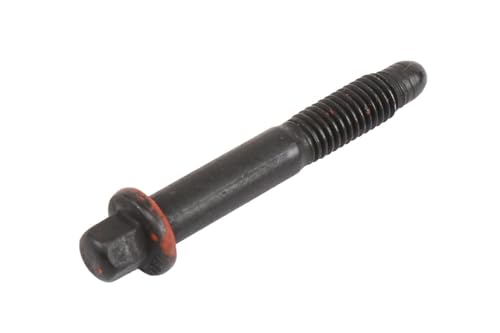
| OE Certified | Application (Engine Type): GM vehicles (Chevrolet, Buick, GMC, Cadillac — OE GM engines) | Quantity in Set: Not specified (sold as individual rocker arm bolts part number) | Function (Purpose): Fasten rocker arm (rocker arm bolt replacement) | VIEW LATEST PRICE | Read Our Analysis |
| BTR Brian Tooley LS Rocker Arm Bolt Set (16) |

| Performance Grade | Application (Engine Type): LS-family engines (LS1, LS2, LS3, LS6, LQ4, LQ9, LY5, LY6, LM7) | Quantity in Set: 16 pieces | Function (Purpose): Secure rocker arms in LS valvetrain (high-performance fastening) | VIEW LATEST PRICE | Read Our Analysis |
More Details on Our Top Picks
8mm Allen Head Rocker Arm Bolts (16-Pack)
In case you want a reliable, high-strength fastener for LS-family engines, these 8mm Allen head rocker arm bolts are a great choice. You’ll like that the 16-pack fits many LS engines like LS2, LS6, LQ4, LQ9, LY5, LY6, and LM7, covering 4.8L to 6.2L displacements. Made from 35CrMoA alloy structural steel, they offer high strength, wear and corrosion resistance, and OEM-equivalent quality. They secure the rocker arm and stem seat with a precise Allen head design. You’ll find them inspected before shipment and backed through seller support, so you may install with confidence.
- Application (Engine Type):LS-family engines (LS2, LS6, LQ4, LQ9, LY5, LY6, LM7)
- Quantity in Set:16 pieces
- Function (Purpose):Secure rocker arm and stem seat (valvetrain fastening)
- Material / Construction:35CrMoA alloy structural steel
- Corrosion Resistance / Finish:Corrosion resistant (material properties noted)
- Fitment / OEM Compatibility:Direct OEM fit for listed LS-family applications
- Additional Feature:Grade 12.9 strength
- Additional Feature:35CrMoA alloy steel
- Additional Feature:Direct OEM fit
Speedway Motors SBC Rocker Arm Nuts Set (16)
You’ll like the Speedway Motors SBC rocker arm nuts set whenever you want solid, no-fuss hardware for a small block Chevy rebuild or tune-up. You get a full set of 16 stock-style nuts made for Chevy engines using standard 3/8-24 NF rocker studs, so fitment worries fade fast. They’re steel with zinc plating, so they resist corrosion and hold up over time. The deformed top design helps clamp and retain the rocker arm reliably. At 0.49 inch tall with 0.625 inch hex flats, they’re easy to wrench on. You’ll appreciate the dependable strength and complete coverage for one install.
- Application (Engine Type):Small-block Chevy (SBC) engines using 3/8-24 NF rocker studs
- Quantity in Set:16 pieces
- Function (Purpose):Retain rocker arms on studs (rocker arm nuts for clamping)
- Material / Construction:Steel (zinc-plated)
- Corrosion Resistance / Finish:Zinc plated finish for corrosion resistance
- Fitment / OEM Compatibility:Correct thread spec for SBC heads (3/8-24 NF) — OEM-style replacement
- Additional Feature:3/8-24 NF thread
- Additional Feature:Zinc plated finish
- Additional Feature:Deformed top retention
Yamakato Valve Rocker Arm Set for Honda GX Engines
Choose the Yamakato GX390 valve rocker arm set whenever you want a straightforward, reliable repair kit for Honda GX270, GX340, GX390 and Chinese 188F engines. You’ll get a full kit with rocker arms, pivots, pivot bolts, pivot adjusting nuts, push rod guide plate, valve push rods, and valve lifters. It fits 11HP, 13HP, 5KW and 6.5KW generator engines and replaces worn valve train parts so your engine runs smoothly. Check your engine model before you buy to make sure fit. You’ll appreciate clear fitment numbers and simple maintenance that restores valve train efficiency quickly.
- Application (Engine Type):Honda GX series & 188F (GX270, GX340, GX390) generator engines
- Quantity in Set:Multiple components (complete rocker arm kit: 2 rocker arms + associated hardware; full valve rocker arm set)
- Function (Purpose):Replace rocker arm/valvetrain components to restore valve operation
- Material / Construction:Metal components (engine-grade valve train hardware — steel alloys)
- Corrosion Resistance / Finish:Suitable for engine use (implied corrosion-resistant engine-grade finish)
- Fitment / OEM Compatibility:Direct replacement for specified Honda/188F part numbers
- Additional Feature:Complete valve train kit
- Additional Feature:Includes push rods/lifters
- Additional Feature:Replaces Honda part numbers
GM Genuine Parts 12560961 Rocker Arm Bolts (not shown)
Mechanics and DIYers who want reliable, factory-fit hardware will find the GM Genuine Parts 12560961 rocker arm bolts a smart pick, because they’re designed through GM engineers to match the exact fit and safety needs of Chevrolet, Buick, GMC, and Cadillac engines. You’ll notice they fasten rocker arms and related components with OE precision. Since GM validates these parts for safety systems, you’ll feel confident replacing worn bolts without guessing about compatibility. GM updates designs and materials, so you get improved durability. Should you want a part that fits like the original and reduces installation worries, these bolts work well.
- Application (Engine Type):GM vehicles (Chevrolet, Buick, GMC, Cadillac — OE GM engines)
- Quantity in Set:Not specified (sold as individual rocker arm bolts part number)
- Function (Purpose):Fasten rocker arm (rocker arm bolt replacement)
- Material / Construction:OEM-specified metal (GM OE metal hardware)
- Corrosion Resistance / Finish:GM OE standard (meets OEM material/finish expectations)
- Fitment / OEM Compatibility:GM Genuine OE part (designed and validated by GM engineers)
- Additional Feature:GM-engineer validated
- Additional Feature:OE-original specification
- Additional Feature:Safety-system compatible design
BTR Brian Tooley LS Rocker Arm Bolt Set (16)
Should you need a tough, ready-to-install bolt set for high-revving LS engines, the BTR Brian Tooley Racing 16-piece rocker arm bolt kit is a smart pick. You’ll get a full set of 16 bolts sized 8mm with 12-point heads, ready to replace worn hardware. They fit many LS families like LS1, LS2, LS3, LS6, LQ4, LQ9, LY5, LY6, and LM7 in 5.3L to 6.2L displacements. BTR builds them from premium high-strength materials so you can run high RPM without worry. You’ll find installation straightforward, durable performance likely, and peace of mind during spirited driving.
- Application (Engine Type):LS-family engines (LS1, LS2, LS3, LS6, LQ4, LQ9, LY5, LY6, LM7)
- Quantity in Set:16 pieces
- Function (Purpose):Secure rocker arms in LS valvetrain (high-performance fastening)
- Material / Construction:High-strength steel (premium materials for performance)
- Corrosion Resistance / Finish:Designed for durability (implied corrosion resistance/high-strength finish)
- Fitment / OEM Compatibility:Replacement set for LS engines; compatible with listed LS families
- Additional Feature:12-point head style
- Additional Feature:High-RPM rated
- Additional Feature:Brian Tooley Racing brand
Factors to Consider When Choosing Rocker Arm Nuts Bolts
When you pick rocker arm nuts and bolts, you want parts that match your engine’s strength and thread type so they hold up under stress and fit without forcing. Consider about corrosion resistance and bolt head style next, because they affect longevity and how easy the parts are to tighten or remove. Also pay close attention to the manufacturer’s torque specifications so you won’t strip threads or cause valve train problems.
Material Strength
Pick fasteners with material strength that matches the forces in your valve train, because the wrong bolt will stretch, crack, or let the rocker arm lose clamp. You want high strength alloy steels like grades 10.9 or 12.9 when loads are high, since higher tensile strength limits stretch under preload and vibration. Check yield and tensile ratings so the grade exceeds expected operating preload. Also watch fatigue strength because rocker arm bolts see constant cycles; good alloy chemistry and proper heat treat stop cracks from starting. Consider corrosion resistance too, via stainless or protective coatings, so pitting and hydrogen problems don’t erode clamping. Finally balance hardness with ductility, since brittle bolts can fracture under shock while tougher alloys absorb impact and keep you safe.
Thread Compatibility
After you’ve chosen a bolt with the right strength and toughness for the valvetrain, you’ll need to make certain the threads match up so the rocker arm stays clamped and the engine runs smoothly. You should confirm pitch and diameter exactly match the stud or tapped hole, for example 3/8-24 NF for small-block Chevy studs or M8 x 1.25 for many metric fasteners. Also check thread form like UNC, UNF, NF, or metric coarse and fine because mixing them can strip the stud or prevent proper clamp. Look for required thread class or locking features such as deformed top, nylon insert, or prevailing torque to resist vibration at high RPM. Finally, inspect thread condition and engagement length and make certain heat-treatment suits the load.
Corrosion Resistance
Corrosion often creeps in quietly, and you want rocker arm nuts and bolts that will last without causing headaches. Choose fasteners made of stainless steel or with zinc plating or phosphate treatments so moisture and road salt won’t eat them. Consider where you drive and pick a protection level rated for that use, for example salt-spray resistance for coastal or winter vehicles. Corrosion weakens threads and lowers clamp load over time, so choose higher grade alloys or coatings to keep torque specs and valve-train reliability. Also watch electrochemical compatibility and avoid mating dissimilar metals that cause galvanic action. Inspect and replace any corroded hardware, and use anti-seize or proper thread lubricant where specified to reduce corrosion and guarantee correct torque.
Bolt Head Style
Consider the bolt head initially, because it sets how you’ll work on the valve train and how long the hardware will hold up. You want a head style that matches your tools and service habits. Internal-drive Allen heads keep a low profile and resist rounding in tight spots, yet they can trap debris or moisture. External hex or 12-point heads let you use sockets or wrenches quickly, and low-profile 12-point designs clear crowded valvetrain areas. Taller hex or flanged heads give larger wrenching surfaces for higher torque and repeated service. Flanged or washer-faced heads spread clamping load to protect rocker arms and pedestals. Pick a head that balances clearance, tool access, cleanliness, and how often you’ll be servicing the engine.
Torque Specifications
You picked a bolt head that fits your tools and service style, and now you need to make sure the fastener gets the right clamp load so the rocker arm works reliably. Always follow the manufacturer torque value, since small-block V8s often sit between 25 and 35 lb·ft but your engine might differ. Use a calibrated torque wrench and tighten in the proper sequence with the engine at the specified condition, cold or hot, so preload stays even and the valve train avoids distortion. Should the manual call for torque plus angle, clean and lightly lubricate threads as instructed and measure the angle precisely. Don’t reuse damaged hardware. Only employ torque-to-yield methods when the service manual requires them to prevent permanent bolt stretch.
Fitment Accuracy
Whenever you’re picking rocker arm nuts and bolts, fit matters as much as strength, so take time to match threads, head style, length, and grade to the job. You’ll initially verify exact thread size and pitch like 3/8-24 NF or M8x1.25 so nothing cross-threads and installation feels right. Next check head style and access, since Allen, 12-point, or hex heads need the right tool in a tight engine bay. Then match bolt length and shoulder to rocker and stud geometry so parts clamp without bottoming out or hitting the valve train. Also confirm grade and tensile strength for your RPM and performance needs so preload holds and bolts don’t stretch. Finally, confirm compatibility with your engine family and mounting type.
Heat And Wear Resistance
Whenever engines run hot and parts move fast, the right rocker arm nuts and bolts need to fight both heat and wear so your valvetrain keeps its tune. You should pick high strength alloy or hardened steels like chromium molybdenum so parts keep tensile strength as temperatures spike. Also choose fasteners with protective coatings such as zinc or phosphate to cut rust that speeds wear. Pay attention to grades like 10.9 or 12.9 so bolts resist deformation and thread galling during repeated thermal cycles. Smooth shanks, accurate thread tolerances, and controlled surface roughness reduce friction and fretting at contact surfaces. Finally, confirm operating temperature specs and look for fatigue and tensile testing done at raised temperatures so you can trust long term performance.
