

In case you need fuel anywhere, you can’t go wrong with five proven picks: a 50 gallon polyethylene portable tank with a 12V 10.6 GPM pump for fast fills, the Weather Guard 100 gallon steel tank for big diesel runs, a 2 inch vented transfer tank cap to stop vacuum collapse and leaks, a 16 gallon wheeled fuel caddy with a 3.7 GPM reversible pump, and the RDS 45 gallon aluminum tank for tough, rust-free hauling, with more smart tips ahead.
| 50 Gallon Portable Fuel Transfer Tank with Pump |
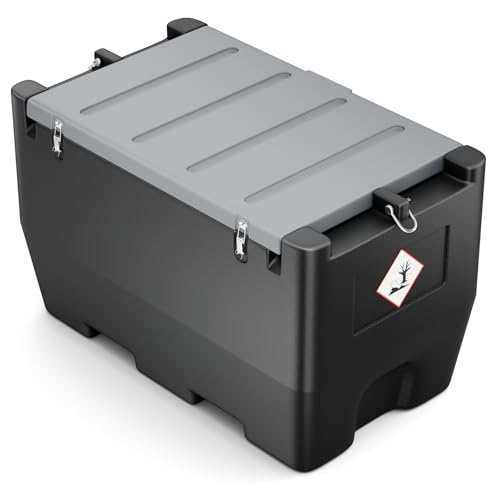
| Best Portable Pick | Capacity: 50 gal | Fuel Type: Diesel, gasoline | Material: Polyethylene | VIEW LATEST PRICE | Read Our Analysis |
| Weather Guard 100-Gallon Diesel Transfer Tank (358-5-02) |

| Best Heavy-Duty Tank | Capacity: 100 gal | Fuel Type: Diesel, hydraulic fluids (nonflammable liquids) | Material: Steel | VIEW LATEST PRICE | Read Our Analysis |
| Transfer Tank Vented Diesel Fuel Cap Fill Lid |

| Best Replacement Cap | Capacity: 2″ bung cap (no tank capacity) | Fuel Type: Diesel (transfer/fuel tanks) | Material: Metal (iron finish) | VIEW LATEST PRICE | Read Our Analysis |
| 16 Gallon Portable Fuel Caddy with Electric Pump |
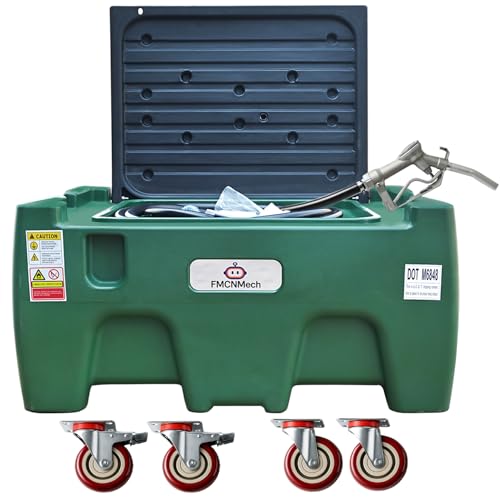
| Best for Small Jobs | Capacity: 16 gal | Fuel Type: Gasoline, diesel, kerosene | Material: HDPE | VIEW LATEST PRICE | Read Our Analysis |
| RDS Rectangular Auxiliary/Transfer Fuel Tank (45 Gallon) |

| Best Auxiliary Tank | Capacity: 45 gal | Fuel Type: Diesel, gasoline | Material: Aluminum | VIEW LATEST PRICE | Read Our Analysis |
More Details on Our Top Picks
50 Gallon Portable Fuel Transfer Tank with Pump
Should you be a truck owner who’s tired of last-minute fuel runs or juggling messy gas cans, a 50-gallon portable fuel transfer tank with a pump can feel like a real lifesaver. You can carry diesel or gas in one tough polyethylene tank that shrugs off heat, rain, and snow, so you worry less about dents and leaks.
Next, you’ll like how fast it works. The 12V pump pushes up to 10.6 GPM, and the 13.1-foot cable reaches your battery with less hassle. Then the auto shutoff nozzle and 360-degree connector stop spills and hose twists. Finally, forklift pockets keep lifting steady, even at the time it’s full.
- Capacity:50 gal
- Fuel Type:Diesel, gasoline
- Material:Polyethylene
- Portability:Portable; forklift pockets
- Pump Included:Yes (12V transfer pump)
- Flow Rate:Up to 10.6 GPM
- Additional Feature:Automatic shutoff nozzle
- Additional Feature:360-degree connector
- Additional Feature:Fuel level indicator
Weather Guard 100-Gallon Diesel Transfer Tank (358-5-02)
A 100 gallon tank can feel like peace of mind bolted right into your truck bed, and that’s exactly what the Weather Guard 358-5-02 delivers for workdays that don’t allow fuel stops. It fits most full size pickups, and its steel body with a gloss black finish feels ready for rough miles.
Next, consider what you’re carrying. This rectangular tank holds diesel fuel and other nonflammable liquids like hydraulic fluid. At 47 x 24 x 23 inches and 153.4 pounds, you’ll want help lifting it. Mounting hardware comes in the box, but you’ll need to buy a transfer pump separately. A limited lifetime warranty adds calm.
- Capacity:100 gal
- Fuel Type:Diesel, hydraulic fluids (nonflammable liquids)
- Material:Steel
- Portability:Truck-mounted (full-size pickup fit); includes mounting hardware
- Pump Included:No (pump not included)
- Flow Rate:N/A (pump not included)
- Additional Feature:Includes mounting hardware
- Additional Feature:Limited lifetime warranty
- Additional Feature:Full-size pickup fit
Transfer Tank Vented Diesel Fuel Cap Fill Lid
Keeping your transfer tank safe starts with the small parts you touch every time you fuel up, and a vented diesel fuel cap fill lid is one of the biggest. This JYINCPED cap fits a 2-inch base with a standard 2 NPT threaded bung, so it works with transfer and auxiliary tanks on the farm, jobsite, or road.
Next, you get two-way venting. It lets pressure and vapors escape as you loosen it, and it pulls air in during fuel draw to stop vacuum collapse. A spring-loaded gasket seals tight to curb leaks. Install through align, push, twist; remove slowly to vent.
- Capacity:2″ bung cap (no tank capacity)
- Fuel Type:Diesel (transfer/fuel tanks)
- Material:Metal (iron finish)
- Portability:Replacement cap (portable component)
- Pump Included:No (cap only)
- Flow Rate:N/A (cap; no flow spec)
- Additional Feature:Both-direction venting
- Additional Feature:Spring-loaded gasket seal
- Additional Feature:2-inch NPT threads
16 Gallon Portable Fuel Caddy with Electric Pump
When you’re tired of running back and forth for fuel, a 16-gallon portable fuel caddy with an electric pump can feel like the backup plan you didn’t know you needed. You can roll it on sturdy wheels to your truck, boat, or mower and fuel up fast, with fewer stops and less stress.
Next, the 12V pump pushes up to 3.7 GPM and can run forward or reverse, so you stay in control. You can handle gas, diesel, or kerosene. The HDPE tank fights UV, corrosion, and static. A 13-foot hose, metal suction tube, and aluminum nozzle help prevent leaks. You also get tested safety plus 24-hour support.
- Capacity:16 gal
- Fuel Type:Gasoline, diesel, kerosene
- Material:HDPE
- Portability:Wheeled caddy
- Pump Included:Yes (12V electric pump)
- Flow Rate:Up to 3.7 GPM
- Additional Feature:Forward/reverse pumping
- Additional Feature:Sturdy rolling wheels
- Additional Feature:13ft fuel hose
RDS Rectangular Auxiliary/Transfer Fuel Tank (45 Gallon)
Truck owners who drive long routes or work far from the next station will like the RDS MFG INC 71083 Rectangular Auxiliary/Transfer Fuel Tank, because it gives you a solid 45 gallons of extra fuel in a slim, bed-friendly shape. Its 57 x 9.5 x 20 inch size stays low, and at 42 pounds it won’t feel like dead weight.
Because it’s aluminum with fully welded seams, you won’t battle rust, and you’ll trust it over rough miles. It supports diesel and gasoline, but the flow differs. Diesel gravity feeds from the bottom. Gas needs an electric pump to siphon from the top. An optional diesel install kit helps tie into your OEM tank.
- Capacity:45 gal
- Fuel Type:Diesel, gasoline
- Material:Aluminum
- Portability:Vehicle auxiliary/transfer tank (rectangular mount style)
- Pump Included:No (pump optional/required for gasoline siphon)
- Flow Rate:N/A (depends on external pump/gravity feed)
- Additional Feature:Fully welded seams
- Additional Feature:Rustproof aluminum build
- Additional Feature:Optional diesel install kit
Factors to Consider When Choosing Fuel Transfer Tanks for Truck**
You’re close to picking the right fuel transfer tank, but you’ll feel a lot better once you match tank capacity to your runs, confirm it’s compatible with your fuel type, and choose a pump flow rate that won’t keep you waiting. Next, you’ll want a tank material that can take real workday abuse and still resist leaks and corrosion, so you’re not stuck managing a messy, stressful breakdown. Finally, you’ll check mounting and fitment so it sits solid in your truck bed, clears your toolbox and tonneau cover, and stays quiet instead of rattling you crazy.
Tank Capacity Needs
How far do you really need to go before you can refuel again? Start at figuring out your fuel use per hour or per mile, then match it to how frequently your truck, tools, or equipment must top off. You’ll feel a lot calmer whenever you’re not stopping every day for a refill.
Next, size the tank to your work. For long routes or heavy-duty jobs, a 45 to 100 gallon tank keeps you moving. For job sites and smaller rigs, 16 to 50 gallons feels lighter, easier to lift, and simpler to park with.
Then get practical. Check bed space, mounting points, and your truck’s weight limits. Keep in mind, a bigger tank can quickly turn into a heavier load.
Fuel Type Compatibility
Because the wrong fuel tank can turn a smooth workday into a stressful mess, fuel type compatibility deserves your attention before you buy. To begin, match the tank to what you haul: diesel, gasoline, or kerosene. Should you switch fuels often, a multi fuel tank can save you space and keep your setup simple. Next, check the tank material. You want metal or polymer that resists that fuel’s chemistry, so you don’t end up with corrosion, leaks, or dirty fuel in your equipment. Then consider volatility. Gasoline needs proper venting to control vapor pressure, so fumes don’t build up in your truck bed. Finally, confirm the tank fits your pump, hoses, filters, and caps, so nothing fights each other.
Pump Flow Rate
Why does pump flow rate matter so much during the moment you’re choosing a fuel transfer tank for your truck? Because it decides how fast you’ll get back on the road. Flow rate is measured in gallons per minute (GPM). In case you often top off big tanks or fuel more than one vehicle, a higher rate, around 10 GPM, saves real time and frustration. Should you run a smaller setup or you need careful control, a 3 to 4 GPM pump can feel steadier and less splashy.
Next, match the pump to your power. A 12V pump usually pairs well with your truck battery and keeps transfers efficient. Also, look for forward and reverse. Reverse helps you fix overfills, clear lines, and handle messy moments calmly.
Material And Durability
During the period you’re hauling fuel day after day, the tank’s material and build quality decide whether you feel confident on the road or stuck coping with leaks, dents, or rust at the worst time. Polyethylene tanks handle scratches, bumps, and harsh weather well, so you worry less whenever your gear shifts or the sun bakes your truck.
If you want raw strength, steel takes hits and holds shape, but it’s heavier, and it needs a good coating so rust doesn’t creep in. Aluminum gives you a lighter tank that still stays tough, and it naturally fights corrosion. Next, look for fully welded seams, because they cut weak spots that can start drips. Finally, choose caps and fittings made from corrosion-resistant metal, with venting, so pressure won’t build up and stress the tank.
Mounting And Fitment
While you’re shopping for a fuel transfer tank, mounting and fitment can make the difference between a setup that feels rock-solid and one that keeps you on edge every mile. Start with bed measurements. Should the tank be even a bit too wide or tall, it’ll shift, rub, or block your cover. Next, consider weight. A full tank gets heavy fast, so confirm your truck can handle the load and decide whether you’ll need forklift pockets or another lifting method. Then check the mounting hardware. You want brackets and bolts that match your bed or frame so the tank stays planted on rough roads. Finally, look at the tank’s shape and connection layout. You should reach outlets, vents, and pump hookups without bumping rails, wheel wells, or toolboxes.
Safety And Venting
Because fuel expands, builds pressure, and gives off vapors, safety and venting should sit at the top of your checklist each time you pick a fuel transfer tank for your truck. You need proper venting so pressure can escape instead of forcing fumes out at the moment you crack the cap. A safety vent cap also lets air back in, so you won’t pull a vacuum that can buckle the tank while you’re drawing fuel.
Next, look closely at the vent hardware. You want seals or gaskets that stay snug, so fuel won’t seep and vapors won’t pour out, yet pressure still relieves safely. Choose a tank made from materials that resist sun, cold, and road grime, since strong walls mean fewer scary surprises. Automatic shut-off nozzles add extra spill protection too.
Hose And Nozzle Quality
In case you desire clean, stress-free fueling on the side of the road or back at the shop, your hose and nozzle quality can make or break the whole setup. Start with materials that resist corrosion and match your fuel, because weak rubber or cheap metals can swell, crack, and leak whenever you least need the mess.
Next, consider reach and control. A hose around 13 feet lets you park once and fuel from better angles, even whenever space is tight. Then, look for a nozzle with automatic shut-off, so it clicks off whenever the tank is full and you don’t wear diesel on your boots. Finally, choose 360-degree swivel connectors to stop twisting and kinks. In case you run diesel, gasoline, or kerosene, pick parts rated for all three.
