

Brake rotors matter a lot for daily driving in 2026. The best ones give you quiet stops, steady pedal feel, and less rust over time.
For most drivers, OEM-fit vented rotors with solid metal quality and coated hats are the safest bet. Brands like ACDelco, TRQ, and Bosch stand out, and some offer better value than expected.
| ACDelco Silver Front Brake Rotor 18A1659A |

| Everyday Value Pick | Vehicle Fit: Select Chevrolet, Pontiac, Saturn | Rotor Position: Front | Corrosion Protection: Non-coated | VIEW LATEST PRICE | Read Our Analysis |
| ACDelco Silver Front Brake Rotor 18A812A |

| Budget-Friendly OEM Fit | Vehicle Fit: Select Buick, Chevrolet, Oldsmobile, Pontiac | Rotor Position: Front | Corrosion Protection: Not specified | VIEW LATEST PRICE | Read Our Analysis |
| TRQ Rear Brake Rotor Set for Cadillac CTS Camaro |

| Performance Daily Driver | Vehicle Fit: 2009–2019 Cadillac CTS; 2010–2022 Chevrolet Camaro | Rotor Position: Rear | Corrosion Protection: G-Coated | VIEW LATEST PRICE | Read Our Analysis |
| BOSCH QuietCast Premium Front Brake Rotor Single |
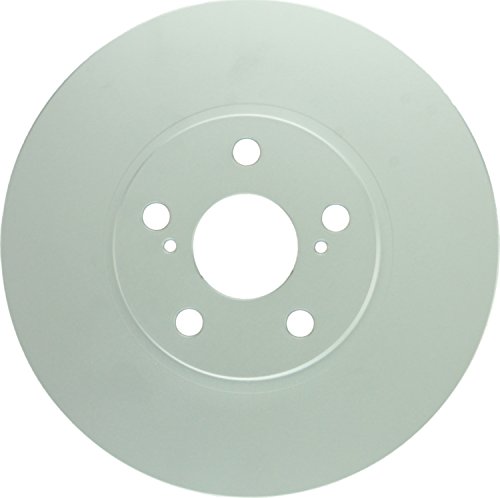
| Premium Corrosion Defense | Vehicle Fit: Pontiac Vibe; Scion tC; Toyota Celica/Corolla/Matrix | Rotor Position: Front | Corrosion Protection: Aluminum/zinc coating | VIEW LATEST PRICE | Read Our Analysis |
| Compatibility with Chrysler Dodge Jeep Mitsubishi Models |

| Best Fit Coverage | Vehicle Fit: Chrysler, Dodge, Jeep, Mitsubishi models | Rotor Position: Not specified | Corrosion Protection: E-Shield coating | VIEW LATEST PRICE | Read Our Analysis |
More Details on Our Top Picks
ACDelco Silver Front Brake Rotor 18A1659A
Should you want an everyday value pick, this ACDelco Silver front rotor fits daily commuting beautifully. You get an 11.7 inch cast iron rotor built for select Chevrolet, Pontiac, and Saturn models, including Cobalt, Malibu, HHR, G5, G6, and Ion.
Why it works:
- Multi-alloy construction and application-specific vanes improve cooling, airflow, and fade resistance.
- A non-directional ground finish and balanced design help cut noise and vibration.
- Rounded edges add strength under heat and load.
It’s vehicle-specific, so confirm fit with your VIN initially. You also get a 24 month unlimited-mile limited warranty. Pair it with ACDelco pads for a smarter brake refresh.
- Vehicle Fit:Select Chevrolet, Pontiac, Saturn
- Rotor Position:Front
- Corrosion Protection:Non-coated
- Heat Dissipation:Multi-alloy + application-specific vanes
- NVH Control:Non-directional ground, balanced design
- Package Quantity:1 rotor
- Additional Feature:Rounded radius edges
- Additional Feature:Smooth rotor surface
- Additional Feature:24-month warranty
ACDelco Silver Front Brake Rotor 18A812A
Should you want a budget-friendly OEM fit, the ACDelco Silver Front Brake Rotor 18A812A is a smart daily-driver pick. You get multi-alloy construction, application-specific vanes for better cooling, and less brake fade in stop-and-go life.
It also helps your commute feel calmer:
- Non-directional ground finish supports smooth pad contact
- Balanced design cuts noise and vibration
- Rounded edges add strength under heat and load
And because the surface stays smooth, you can see less thickness variation and more even pad wear. Fitment covers many Buick, Chevrolet, Oldsmobile, and Pontiac models, but check your VIN with the Confirmed Fit tool. Guessing is cheaper only until it isn’t.
- Vehicle Fit:Select Buick, Chevrolet, Oldsmobile, Pontiac
- Rotor Position:Front
- Corrosion Protection:Not specified
- Heat Dissipation:Multi-alloy + application-specific vanes
- NVH Control:Non-directional ground, balanced design
- Package Quantity:1 rotor
- Additional Feature:Rounded radius edges
- Additional Feature:Smooth rotor surface
- Additional Feature:Cast iron construction
TRQ Rear Brake Rotor Set for Cadillac CTS Camaro
Should you want a performance daily driver rotor set, this TRQ rear kit fits the brief. You get two G-Coated rear rotors, drilled, slotted, and vented, for 2009 to 2019 Cadillac CTS and 2010 to 2022 Chevrolet Camaro models.
Why it works:
- G-Coating fights corrosion
- Drilled slots help shed heat and debris
- Vented construction improves cooling in heavier use
TRQ has spent 25-plus years focusing on direct-fit, OEM-style replacements, so installation should stay straightforward, not character-building. Before ordering:
- Confirm fit in Amazon Garage
- Check the full compatibility chart
And should you wrench at home, TRQ’s huge DIY video library helps.
- Vehicle Fit:2009–2019 Cadillac CTS; 2010–2022 Chevrolet Camaro
- Rotor Position:Rear
- Corrosion Protection:G-Coated
- Heat Dissipation:Drilled/slotted vented design
- NVH Control:Slotted/drilled vented performance design
- Package Quantity:2 rotors
- Additional Feature:Drilled and slotted
- Additional Feature:Direct-fit replacement
- Additional Feature:DIY video support
BOSCH QuietCast Premium Front Brake Rotor Single
Should you want premium corrosion defense in a daily driver rotor, this BOSCH QuietCast front disc is a smart fit. Part number 50011343 gives you a 274.9 mm front rotor with aluminum and zinc coating, so rust stays in check and open wheels look cleaner.
You also get:
- Precision balancing for smooth stops and no pedal pulsation
- OEM-style vanes that shed heat, cut vibration, and help rotor life
- An ABS tone ring where required, keeping brake and traction systems happy
It fits several Toyota-based favorites, including Corolla, Matrix, Celica, Vibe, and tC. But verify trim and engine fitment initially. It’s sold as one rotor only.
- Vehicle Fit:Pontiac Vibe; Scion tC; Toyota Celica/Corolla/Matrix
- Rotor Position:Front
- Corrosion Protection:Aluminum/zinc coating
- Heat Dissipation:OEM-style vane configuration
- NVH Control:Precision balanced, reduced vibration
- Package Quantity:1 rotor
- Additional Feature:ABS tone ring
- Additional Feature:Engraved discard thickness
- Additional Feature:Precision balanced
Compatibility with Chrysler Dodge Jeep Mitsubishi Models
Should you want broad fit coverage for everyday commuting, these rotors match a long list of Chrysler, Dodge, Jeep, and Mitsubishi models.
You’re covered for:
- 2007 to 2010 Chrysler Sebring
- 2011 to 2014 Chrysler 200
- 2008 to 2014 Dodge Avenger
- 2007 to 2012 Dodge Caliber
- 2007 to 2017 Jeep Patriot
- 2007 to 2017 Jeep Compass, plus 2017 Compass
- 2011 to 2018 Mitsubishi Outlander Sport
Before you buy, use Amazon Confirmed Fit and enter your year, make, model, engine, and trim. Should a blue “i” appear, check the remarks. And you’ll get OE vane design, spin balancing, smooth finish, E-Shield protection, and easier installation too.
- Vehicle Fit:Chrysler, Dodge, Jeep, Mitsubishi models
- Rotor Position:Not specified
- Corrosion Protection:E-Shield coating
- Heat Dissipation:OE-specific vane design
- NVH Control:Spin balanced, noise/vibration control
- Package Quantity:Not specified
- Additional Feature:E-Shield coating
- Additional Feature:VCI bag packaging
- Additional Feature:Reduced pad break-in
Factors to Consider When Choosing Brake Rotors for Daily Driving
Once you choose brake rotors for daily driving, start with the basics: make sure the fitment matches your vehicle exactly, then look at material quality so you get solid braking, longer wear, and fewer headaches. And pay close attention to heat dissipation design, because vented or well-engineered rotors help manage stop-and-go heat before it turns into fade, warping, or that annoying steering wheel shake. You’ll also want corrosion resistance plus low noise and vibration, since a rotor that stays cleaner, quieter, and smoother makes your daily commute a lot easier.
Vehicle Fitment Check
Although brake rotors can look nearly identical at a glance, fitment is the primary thing you need to lock down, because even a small mismatch can turn a simple brake job into an annoying parts-return saga.
Before you buy, confirm:
- Your vehicle’s year, make, model, engine, and trim with a VIN-based fit tool.
- Front or rear position, plus rotor diameter, bolt pattern, and hub bore.
- OEM part numbers, vane design, ABS tone ring, and other vehicle-specific details.
And don’t skip the fine print. Fitment advisories often flag model-year exceptions, special brake packages, or certain engines that change everything. In case anything looks fuzzy, cross-reference your service manual, parts catalog, and an online confirmed-fit checker. Better yet, measure your current rotor’s dimensions and mounting points directly. Yes, it’s nerdy, but returns are worse.
Rotor Material Quality
Even in the event that two rotors share the same size and bolt pattern, the material and build quality still decide how they’ll behave once heat, rain, stop-and-go traffic, and a few panic stops enter the scene.
For daily driving, you’ll usually want:
- Cast iron, because it balances cost, wear resistance, and durability.
- Alloyed cast iron, with carbon, silicon, or molybdenum, provided you want better crack resistance and a sturdier rotor over time.
- Protective coatings on non-braking surfaces, especially provided you deal with road salt, puddles, or damp mornings.
And don’t ignore manufacturing details. Precision-ground faces, balanced vanes, and engraved discard thickness help you avoid annoying noise, uneven pad wear, excess runout, and guesswork once replacement time arrives. Rust never sleeps, and cheap finishing often proves it quickly.
Heat Dissipation Design
Because daily driving piles on repeated stops, traffic heat, rain, and the occasional hard brake, a rotor’s heat dissipation design matters just as much as its raw material. You want a rotor that moves heat away fast, stores enough of it, and avoids concentrated hot spots.
Focus on:
- Internal venting and vane count. More, wider vanes push more air through the rotor, helping curb brake fade in stop-and-go use.
- Thermal mass. Larger diameter and thickness let the rotor absorb more heat before temperatures spike.
- Surface features. Slots and drilled patterns can clear gas and debris and trim surface temps, but they also remove some mass.
- Precision machining. Balanced construction reduces uneven heating, thermal distortion, runout, and the dreaded pedal pulsation. Heat management is boring, until it isn’t!
Noise And Vibration
While heat capacity gets most of the attention, noise and vibration often decide whether your brakes feel refined or just plain annoying day to day.
Look for rotors with:
- A non-directional ground finish, which helps pads contact evenly and cuts pedal pulsation.
- Precision spin balancing, because imbalance creates lateral vibration and extra noise.
- Rounded or chamfered edges, which soften pad engagement and reduce high-frequency squeal.
Cooling matters too. In case vane design manages heat poorly, the rotor heats unevenly, thickness variation builds, and you get runout, squeal, and that irritating shimmy through the wheel or pedal. Keep an eye on PTV, or parallel thickness variation. Once it exceeds a few thousandths of an inch, judder usually follows. And should the braking surface get scored or rough, expect more squeal and vibration.
Corrosion Resistance
After noise and pedal feel, corrosion resistance is what often separates a rotor that stays tidy and smooth from one that starts looking rough in a hurry.
For daily driving, you’ll want:
- Protective coatings, like aluminum-zinc finishes or VCI-based protection, especially should you deal with humidity, rain, or salted roads.
- Good resistance on the braking surface itself, because corrosion there can increase pad wear, create thickness variation, and lead to vibration.
- Vented designs and balanced finishes that shed moisture and debris from vanes and mating surfaces.
Bare cast iron can show rust within days or weeks, so orange film alone isn’t always a crisis. But coatings help non-contact areas stay cleaner longer and preserve appearance. And sealed VCI packaging matters too, since it helps prevent pre-installation rust. Nice bonus: less cleanup, less hassle.
Installation And Pairing
Even should you pick an excellent rotor, installation and pad pairing will decide whether it stays smooth, quiet, and vibration-free or turns into a pulsation machine a few weeks later.
Start clean:
1. Machine off the protective coating, then spray brake cleaner on the friction surface so pads contact evenly.
Check the supporting cast too:
- Inspect or replace pads
- Service caliper slides and shims
- Check wheel bearings
Mismatched or sticky parts create noise, vibration, and harshness, basically NVH with a bad attitude.
Then match parts wisely. Pair smooth, non-grooved rotors with daily-driving pads rated for similar use, so you get consistent bite and decent pad life.
Finally, torque lug nuts to spec in a star pattern, then bed everything in with moderate stops. And avoid hard braking for the initial 100 to 200 miles.
Frequently Asked Questions
How Often Should Brake Rotors Be Replaced on Daily Drivers?
You should replace brake rotors every 30,000 to 70,000 miles on daily drivers. Since Americans average 13,500 miles yearly, you’ll likely need rotors about every two to five years, depending on driving habits and wear.
Can Warped Brake Rotors Be Resurfaced Instead of Replaced?
Yes, you can sometimes resurface warped brake rotors provided they’re thick enough and not cracked or severely heat-damaged. You should measure runout and thickness initially, because many modern rotors are too thin to machine safely.
Do Drilled or Slotted Rotors Improve Everyday Commuting Performance?
Usually, you won’t notice meaningful commuting gains from drilled or slotted rotors. You’ll get reliable daily performance from quality plain rotors, while drilled or slotted designs mainly add cost, noise, pad wear, or cracking risk.
What Causes Brake Rotors to Wear Out Prematurely?
Why do rotors wear out prematurely? You cause premature rotor wear through hard braking, worn pads, stuck calipers, poor installation, overheating, corrosion, and ignored maintenance. Should you don’t replace pads promptly, you’ll accelerate damage and warping.
How Can I Tell if My Brake Rotors Are Overheating?
You can tell your brake rotors are overheating when you notice a burning smell, brake fade, vibration, bluish discoloration, or smoke after hard stops. You should also watch for warped braking feel and unusual pad glazing.
