

Motor oil additives can help with smoke, ticking, leaks, and worn engine parts. The best one depends on the issue your engine has and the oil already in use.
Some formulas add zinc for older flat-tappet cams, while others target seal wear or friction. This guide covers top picks for 2026 and the quick checks that help you choose the right bottle.
| Liqui Moly Oil Smoke Stop (2122) |

| Smoke Reduction Pick | Primary Benefit: Reduces blue exhaust smoke | Engine Compatibility: Petrol and diesel engines | Oil Compatibility: Common engine oils | VIEW LATEST PRICE | Read Our Analysis |
| Liqui Moly Hydro Tappet Additive 300 ml (1009) Hydro Valve Oil Additive |
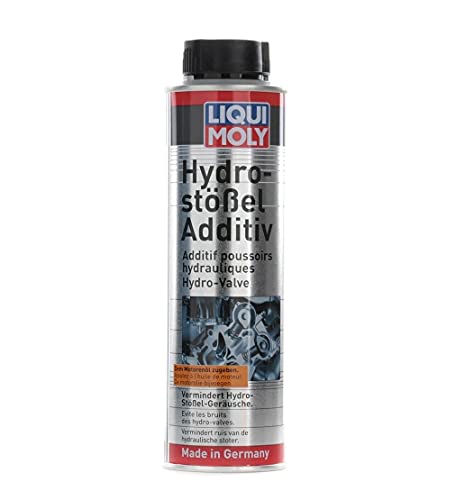
| Noise Reduction Pick | Primary Benefit: Quiets hydraulic lifter noise | Engine Compatibility: Petrol and diesel engines | Oil Compatibility: All commercially available motor oils | VIEW LATEST PRICE | Read Our Analysis |
| REV-X Zinc ZDDP Oil Additive – 2 fl. oz. |

| Break-In Essential | Primary Benefit: Adds anti-wear ZDDP protection | Engine Compatibility: Automotive engines/vehicles | Oil Compatibility: Synthetic and mineral oils | VIEW LATEST PRICE | Read Our Analysis |
| Slick 50 Original Engine Treatment | 32 oz. Single |
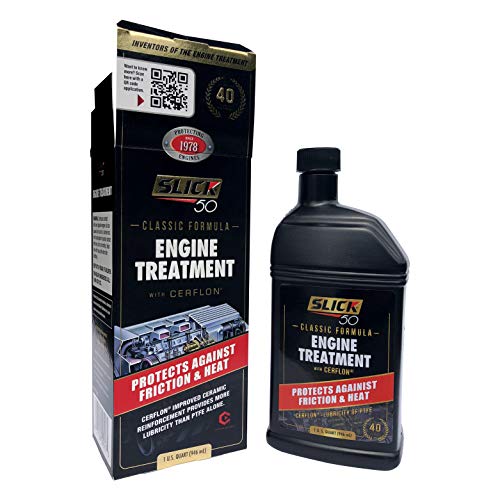
| Friction Fighter | Primary Benefit: Reduces friction and wear | Engine Compatibility: All gasoline engines | Oil Compatibility: All oil types and viscosities | VIEW LATEST PRICE | Read Our Analysis |
| Liqui Moly Motor Oil Saver (300 ML) – 2 Pack |

| Seal Restore Pick | Primary Benefit: Restores seals and reduces leaks | Engine Compatibility: Gas and diesel engines | Oil Compatibility: Engine oil systems | VIEW LATEST PRICE | Read Our Analysis |
More Details on Our Top Picks
Liqui Moly Oil Smoke Stop (2122)
Provided that blue smoke is your headache, this smoke reduction pick targets worn, oil-burning engines fast. Liqui Moly Oil Smoke Stop 2122 comes in a 300 ml can and uses very high viscosity fluid, SAE J300 Grade 40, to help seal wear-related gaps, improve compression, and cut exhaust haze in petrol or diesel engines.
You can add it:
- At an oil change.
- Between changes if oil consumption climbs.
It fits cars and trucks, mixes with common engine oils, and suits older engines facing heat and heavy loads. Consider it as a thick helper for tired internals, not a magic wand. Universal fit keeps things simple too.
- Primary Benefit:Reduces blue exhaust smoke
- Engine Compatibility:Petrol and diesel engines
- Oil Compatibility:Common engine oils
- Volume:300 mL
- Container Type:Can
- Fit Type:Universal fit
- Additional Feature:Reduces blue exhaust smoke
- Additional Feature:Improves worn-engine compression
- Additional Feature:High-viscosity wear sealing
Liqui Moly Hydro Tappet Additive 300 ml (1009) Hydro Valve Oil Additive
In case valvetrain clatter drives you nuts, this noise reduction pick is built for hydraulic lifter chatter. Liqui Moly Hydro Tappet Additive 300 ml (1009) helps dampen noise from worn hydraulic lifters and keeps tappets functioning properly, so your engine sounds less like a coffee can full of bolts.
You can use it in:
- Petrol engines
- Diesel engines
- Engines with or without diesel particle filters
Why it stands out:
- It enhances operational reliability.
- It can improve drivability.
- It’s compatible with all common motor oils.
Just add it to your engine oil exactly as directed. But skip it should your motorcycle uses a wet clutch.
- Primary Benefit:Quiets hydraulic lifter noise
- Engine Compatibility:Petrol and diesel engines
- Oil Compatibility:All commercially available motor oils
- Volume:300 mL
- Container Type:Not specified
- Fit Type:Not specified
- Additional Feature:Dampens hydraulic lifter noise
- Additional Feature:Optimizes tappet function
- Additional Feature:DPF-safe formulation
REV-X Zinc ZDDP Oil Additive – 2 fl. oz.
REV-X Zinc ZDDP is a break-in essential for flat tappet and fresh camshaft builds.
If you’re protecting new camshaft and lifter surfaces, this 2 fl. oz. bottle gives you concentrated anti-wear chemistry where friction hits hardest. It forms a sacrificial layer at contact points, helping prevent metal-to-metal scuffing, which is exactly what you want during break-in.
Use it like this:
- Mix 2 ounces with 6 quarts of oil.
- You’ll reach about 3000 to 3200 ppm ZDDP.
- Run it with synthetic or mineral oil.
And yes, for flat tappet engines, it’s basically mandatory. Universal fit, simple bottle, no drama, just protection.
- Primary Benefit:Adds anti-wear ZDDP protection
- Engine Compatibility:Automotive engines/vehicles
- Oil Compatibility:Synthetic and mineral oils
- Volume:2 fl. oz.
- Container Type:Bottle
- Fit Type:Universal fit
- Additional Feature:Flat tappet essential
- Additional Feature:Break-in wear protection
- Additional Feature:3000–3200 ppm ZDDP
Slick 50 Original Engine Treatment | 32 oz. Single
Slick 50, a friction fighter for gasoline engines, makes the most sense should you want one additive that plays nicely with any motor oil. You can use it with conventional, semi-synthetic, or full synthetic oil, and its Cerflon® blend pairs PTFE with Boron Nitride for a tougher ceramic-like barrier.
You get:
- Less friction, wear, heat, and sludge
- Better oil durability and possible fuel-efficiency gains
Use it smartly:
- Shake well.
- In the event your engine holds 5 quarts or less, replace 1 quart with this 32-ounce bottle.
- In the event it holds 6 quarts or more, replace 20% of the oil.
Once yearly, or each oil change. Nice and easy.
- Primary Benefit:Reduces friction and wear
- Engine Compatibility:All gasoline engines
- Oil Compatibility:All oil types and viscosities
- Volume:32 oz.
- Container Type:Bottle
- Fit Type:Not specified
- Additional Feature:Cerflon PTFE ceramic
- Additional Feature:Reduces sludge buildup
- Additional Feature:Annual treatment interval
Liqui Moly Motor Oil Saver (300 ML) – 2 Pack
Liqui Moly Motor Oil Saver, your seal restore pick, suits drivers who want to curb leaks and oil burn without jumping straight to major engine work. You get two 300 mL bottles, universal fit for cars and trucks, and support for gas or diesel engines.
Why it earns shelf space:
- Regenerates rubber and plastic seals in the oil circuit
- Cuts oil consumption from hardened valve stem seals
- Helps reduce blue smoke, leaks, and engine noise
Use it once aging seals start acting expensive. With a 4.6-star average from 793 reviews and Amazon’s 30-day return coverage, you’ve got a confidence lift, not a miracle in a bottle.
- Primary Benefit:Restores seals and reduces leaks
- Engine Compatibility:Gas and diesel engines
- Oil Compatibility:Engine oil systems
- Volume:300 mL per bottle, 2-pack
- Container Type:Bottle
- Fit Type:Universal fit
- Additional Feature:Regenerates aged seals
- Additional Feature:Minimizes external leaks
- Additional Feature:Reduces valve seal consumption
Factors to Consider When Choosing Motor Oil Additives
When I choose a motor oil additive, I start alongside matching it to the engine’s condition, then I check the additive’s job, whether that’s stopping leaks, reducing wear, cleaning sludge, or quieting noisy lifters. And I also make sure it’s compatible with the oil already in the crankcase, synthetic or conventional, because the wrong mix can create more headaches than help. Before I pour anything in, I look at the appropriate moment to apply it and the exact dosage requirements, because timing and ounces matter more than the label’s hype!
Engine Condition Match
Because the right additive only helps provided it matches what’s actually going on inside the engine, I always start with condition initially, not marketing claims on the bottle.
I look at symptoms initially:
- Worn rings or valve seals often benefit from thicker seal-conditioning formulas.
- Oil burning usually calls for smoke-reducing, viscosity-boosting help.
- Noisy hydraulic lifters respond better to lifter and tappet conditioners.
I also consider hardware. Should I be handling a flat tappet cam or a fresh rebuild, I lean toward extra anti-wear protection like ZDDP, but only whenever emissions equipment won’t object. Catalytic converters and DPFs can be expensive drama.
Then I check basics:
- compatible with synthetic or mineral oil
- dosed for total oil volume, like ml per quart
- suited to heat, load, and an aging engine’s needs too
Additive Function Type
Start near pinning down the additive’s actual job, since function tells me far more than the label hype ever will. I look for purpose initially, because anti-wear ZDDP, PTFE or ceramic friction reducers, seal conditioners, smoke suppressors, and lifter quieting formulas all solve different problems.
Here’s how I sort them:
- Protective film additives guard metal surfaces, great for flat-tappet break-in and wear control.
- Viscosity builders thicken oil, helping smoke or noise, but they’re a blunt instrument.
- Seal conditioners chemically swell aging seals, which can curb minor leaks fast.
And dose matters. Some functions work at tiny ppm levels, while others need meaningful volume replacement to mix properly. I also ask whether the effect is temporary, like seal swelling, or longer-lasting, like an anti-wear layer. That changes maintenance timing.
Oil Compatibility
Although the bottle may promise miracles, I check compatibility before I care about any performance claim, because an additive has to play nicely with the oil already in the crankcase or it can change viscosity, upset additive balance, and create problems I didn’t bargain for.
I keep my checklist simple:
- Match base oil type: conventional, semi-synthetic, or full synthetic.
- Confirm viscosity compatibility with the SAE grade, because thick additives can bump viscosity upward.
- Make sure the chemistry is safe for catalytic converters, diesel particulate filters, and sensors.
- Check seal and wet clutch compatibility, especially with common elastomers.
And I always read the mixing ratio. Concentration limits matter! Should dosing push ppm too high, oil properties can shift, lubrication standards can drift, and performance can get weird fast.
Application Timing
Compatibility tells me whether an additive belongs in my engine at all, and timing tells me at what point it has the best chance to work without pushing the oil out of balance.
I add most products at oil-change time, with fresh oil, so they dilute evenly and circulate everywhere fast.
For specific jobs, timing shifts:
- Break-in or high-ZDDP formulas go in immediately with fresh oil during a new engine break-in or cam and lifter install.
- Seal-conditioning or leak products work best on a warm engine, added on the maker’s schedule so they reach seals thoroughly.
- Noise or lifter additives go in once tapping starts, then circulate for the stated mileage window.
And I avoid random mid-interval top-ups. Tiny bottles often match specific sump volumes, so bad timing can create bad chemistry.
Dosage Requirements
Because dose is where a good additive either helps or quietly makes a mess, I always match the amount to the engine’s total oil capacity and the label’s dosing ratio instead of eyeballing a splash and hoping for the best.
Here’s my quick rule set:
- Read the ratio exactly, like 2 fl oz per 6 quarts, because that targets a specific concentration.
- Calculate from total oil capacity in quarts or liters, not guesswork.
- Respect the maximum limit. Some formulas only work inside a narrow ppm window, and too much can thicken oil or upset its additive chemistry.
- Should I top up later, I dose only for the added oil, not a full change again.
- I pour into warm oil, idle a few minutes, and log dates and amounts. Math beats sludge!
Vehicle Use Case
Getting the dose right is only half the job; I also match the additive to how the vehicle actually works, since a commuter that sees cold short hops needs different help than a tow rig baking its oil on long grades.
I keep it simple:
- For high-mileage engines, I pick seal conditioners to restore flexibility, cut leaks, and reduce oil consumption from blow-by.
- For towing or heavy loads, I want extra film strength or a viscosity enhancement, so oil pressure stays up and bearings stay protected.
- For city traffic and short trips, I favor cold-start wear protection because oil often never fully warms.
- For flat-tappet cams or break-in, I use higher ZDDP.
- And with catalytic converters or DPFs, I choose low-ash, emissions-safe formulas. Filters hate surprises!
Final Thoughts
In the end, I’d pick the additive that matches the symptom, not the hype. A noisy lifter needs one fix, a flat-tappet cam another. Consider it like coffee: 2 ounces too much can wake the whole house, and too much additive can upset oil balance just as fast.
- Match the problem
- Check oil capacity
- Protect cats, clutches, and seals
Do that, and your engine has a much better chance of running smoother, quieter, and longer!
