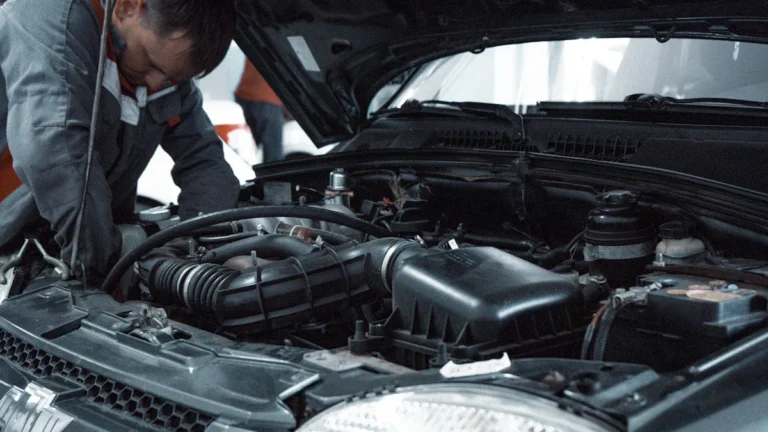
A bad tensioner pulley often starts with squealing or chirping from the belt area, then could turn into grinding, rattling, or light knocking as the bearings wear. Drivers could see cracks, glazing, or slack in the belt, or notice the pulley wobbling. Dim headlights, weak A/C, stiff steering, and rising engine temperature can follow. Warning lights and uneven engine power can appear too, and the next signs show just how risky it can become.
Squealing or Chirping Noises From the Belt Area
At the moment a tensioner pulley starts to fail, one of the initial warning signs often shows up as a high pitched squealing or chirping from the belt area. This sound can make a driver feel nervous, but it is really a helpful preliminary alert. It usually means the serpentine belt is slipping because the tensioner is not holding proper pressure.
During acceleration or while turning the steering wheel, the noise often gets louder, which can guide simple noise diagnosis.
Drivers might also notice visible belt wear, like glazing, cracks, or frayed edges. These are clear signals that belt maintenance is needed soon.
Whenever people listen to these sounds and act together, they protect the engine and avoid sudden breakdowns that leave anyone feeling stranded.
Grinding, Rattling, or Knocking From the Tensioner
Sometimes a driver will hear harsher sounds from the front of the engine, like grinding, rattling, or even a light knocking, and feel their stomach drop. Those sounds can make anyone worry, and with good reason.
Grinding often means the tensioner bearings are worn, and metal parts could be scraping together. Rattling usually points to a loose or misaligned pulley that no longer holds steady pressure. Knocking can signal a failing tensioner that needs quick noise inspection before the belt slips off.
When the tensioner arm moves or shakes too much, it shows serious internal wear. Paying attention to these sounds, and building a simple tensioner maintenance habit, helps drivers catch problems promptly and protect both the engine and their peace of mind.
Visible Belt Wear, Cracks, or Slack
Whenever someone looks under the hood and sees belt cracks, shiny glazed spots, or loose hanging sections, it can be a preliminary warning that the tensioner pulley is not doing its job.
These visible signs often show up in clear patterns, like frayed edges or deep lines, that point to where the belt is slipping or being pulled unevenly.
As the problem grows, the belt can start to look slack, and that is usually at the time crucial parts like the alternator and power steering begin to act up.
Common Belt Wear Patterns
Common belt wear patterns can quietly reveal what is going wrong with a tensioner pulley long before a breakdown happens.
Whenever someone looks closely at the serpentine belt, they may see glazing that makes the surface look shiny and hard. This often points to extra friction and poor serpentine belt maintenance, which also cuts down the tensioner pulley lifespan.
Cracks across the ribs show that heat, age, or engine fluids have started to weaken the rubber.
Frayed edges suggest the belt is not tracking straight on the pulleys.
Uneven wear across the belt face can signal improper tension that stresses certain spots more than others.
Through checking for these patterns about every 10,000 miles, drivers protect crucial parts like the alternator and power steering.
When Visible Slack Appears
Rarely does a driver expect to open the hood and actually see slack in the serpentine belt, yet that small amount of looseness can signal a big problem with the tensioner pulley. At the time the belt hangs a bit low or can be pushed easily by hand, it often means the pulley is not holding proper tension.
That slack can cause belt slip, weak alternator output, and poor power steering feel.
Along with slack, drivers might notice shiny glazed ribs, frayed edges, or fine cracks on the belt surface. Sometimes the pulley itself shows chips or rough spots that throw the belt off track.
Regular checks, a steady belt replacement schedule, and simple tensioner maintenance tips help people care for their vehicles and avoid roadside breakdowns together.
Misaligned or Wobbling Tensioner Pulley
When a tensioner pulley sits at the wrong angle or starts to wobble, the belt cannot ride smoothly and begins to wear in uneven, worrying patterns.
In this section, the focus turns to how pulley misalignment happens in the initial place and why that shaky movement can quickly turn into real trouble for the engine.
Through comprehending these initial signs, a driver can catch a wobbling pulley before it causes slipping belts, loud noises, or costly damage to crucial accessories.
How Pulley Misalignment Happens
Although a tensioner pulley looks simple from the outside, several small problems inside it can slowly push the pulley out of line.
Over time, the bearings or bushings wear out, so the pulley no longer sits straight. Different tensioner types can hide this wear in different ways, which can make people in a shared garage or family driveway feel unsure about what they are seeing.
Misalignment often starts after installation errors, like bolts not tightened evenly or the wrong spacer used.
A light impact to the tensioner bracket can also twist the pulley just enough to cause trouble.
Then the belt begins to track sideways, showing uneven fraying or cracking, while the tensioner arm shakes or vibrates more than normal.
Dangers of Wobbling Pulleys
Misalignment inside the tensioner does not just make the pulley look a little off; it turns that small wobble into real risk under the hood. A wobbling pulley makes the serpentine belt slip, squeal, and heat up.
Over time, the belt can fray, crack, or snap, leading to sudden tensioner failure and serious engine consequences.
That same wobble often comes with grinding or rattling sounds. Those noises signal worn bearings and poor alignment, which slowly weakens engine performance.
As the belt tracks unevenly, it can chew into edges, damage accessories, and stress crucial parts.
People could initially feel it in the steering wheel. A slipping belt can starve the power steering pump, making every turn harder and triggering warning lights that no driver should ignore.
Dim Headlights and Weak Electrical Performance
Dim headlights and weak electrical power can feel scary, especially at night, and this often ties back to a tensioner pulley that is not holding the serpentine belt tight enough.
At the moment that belt slips, the alternator cannot spin fast enough, so dimming headlights and flickering dash lights start to show up. This electrical strain can make a driver feel alone on the road, but the cause is often simple and shared by many others.
As the battery stops charging well, windows move slower, interior lights fade, and accessories act tired.
Occasionally there is a light squeal, rattle, or vibration from the front of the engine that hints at the worn pulley. Regular checks of the tensioner help protect the alternator, battery, and everyone riding along.
Overheating, Poor A/C, or Power Steering Issues
Strange electrical issues are not the only things a weak tensioner pulley can result in, and that is where many drivers feel even more anxious. Once this small part stops holding the belt tight, the water pump could slow down, and engine overheating can creep in during normal drives. People often feel puzzled, because the temperature gauge climbs even while they believe they did everything right.
A loose belt can also keep the A/C compressor and power steering pump from functioning well. The cabin feels warm, and the steering wheel feels heavy, especially in parking lots.
| Symptom Area | What Drivers Often Notice |
|---|---|
| Cooling System | Rising temperature gauge, hot smell under hood |
| A/C Performance | Weak airflow, slow cooling at stoplights |
| Power Steering Feel | Stiff wheel, hard low speed turns, arm fatigue |
Prompt tensioner pulley care helps everyone feel safer together on the road.
Dashboard Warning Lights and Intermittent Engine Performance
At the time dashboard warning lights begin to pop on and off without a clear reason, it can leave any driver feeling worried and confused.
It often feels random, yet a weak tensioner pulley is a quiet link behind many of these moments. As the pulley lets the belt slip, the alternator could not charge well, so the check engine or battery light can glow or flicker.
A loose belt can also slow the water pump, so a temperature light might join in. Along with these warnings, drivers could feel engine fluctuations, like sudden loss of power or uneven acceleration.
With proper dashboard diagnostics, stored trouble codes can point straight to the tensioner pulley, inviting timely care before overheating or accessory failures spread.