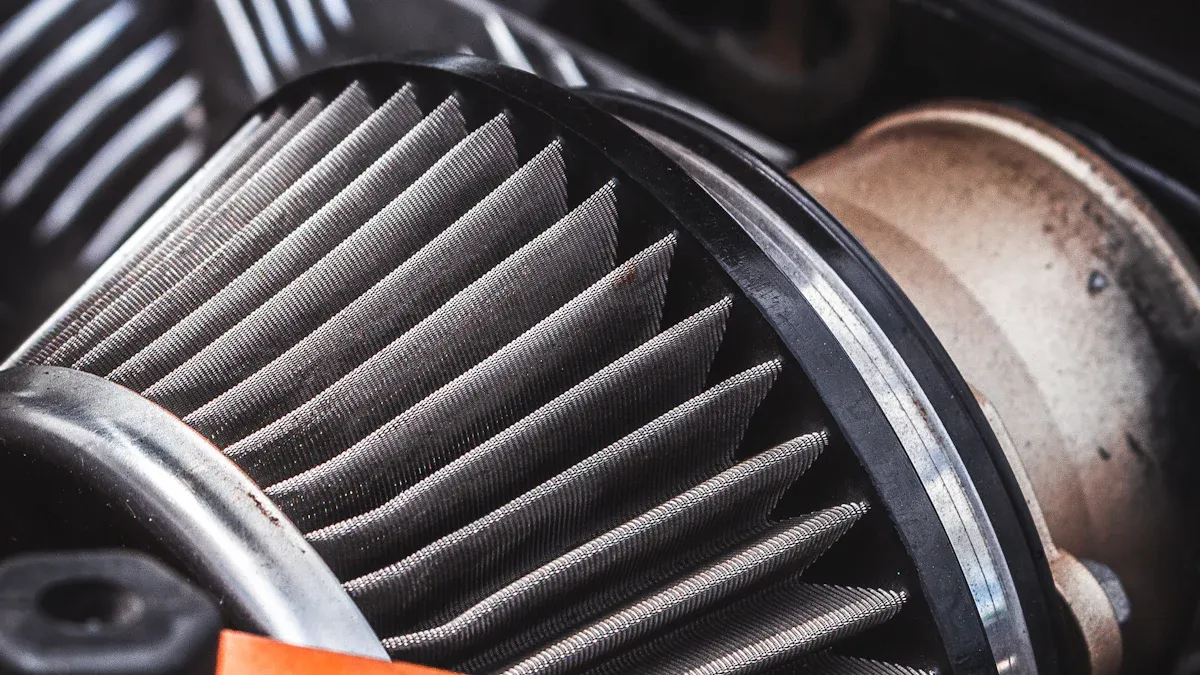
Wondering how often to change cabin air filter? Most car makers say every 15,000 to 30,000 miles or once a year. Regular swaps help your AC work better and keep air cleaner by blocking dust, pollen, and odors. Always check your manual for your Change My Car Ac Filter schedule.
Key Takeaways
Change your cabin air filter every 15,000 to 30,000 miles or once a year for optimal performance.
Pay attention to driving conditions; urban driving or dusty environments may require more frequent changes.
Look for signs like weak airflow or bad smells to know when to replace your filter.
How Often to Change Cabin Air Filter
Manufacturer Recommendations
You might wonder how often you should change your cabin air filter. Most car makers suggest swapping out the filter every 15,000 to 30,000 miles. Some experts say you should do it every year, even if you drive less. You can find the recommended interval in your owner’s manual. Luxury brands like BMW and Mercedes started using cabin air filters earlier than other cars, so they may ask you to change the filter more often. If you drive a luxury vehicle, check your manual for stricter rules.
Here’s a quick look at what experts and real drivers say:
Source | Expert Recommendation | Real-World Practice |
|---|---|---|
Motor Vero | 12,000-15,000 miles or annually | More frequent changes in urban environments |
Express Lube | One-size-fits-all approach | City driving requires more frequent changes |
Fiver Wire | 12,000-15,000 miles | Mileage may not be precise; conditions affect frequency |
Tip: Always check your owner’s manual for the exact interval. Your car may need a different schedule than others.
Driving Habits and Environment
Your driving habits and where you live can change how often you need to replace the cabin air filter. If you drive in cities with lots of traffic, your filter will catch more dust and pollution. This means you should change the cabin air filter more often than the standard interval. If you live in a dusty area or near wildfires, your filter works harder and gets dirty faster.
Here are some things that can make you change the filter sooner:
Driving in polluted or dusty areas
Living in places with lots of pollen or mold
Driving in heavy traffic or urban environments
Having pets in the car (pet hair and dander clog the filter)
Smoking inside the vehicle
Seasonal changes, like spring and fall, when pollen is high
If you or your passengers have allergies or asthma, you may want to change the cabin air filter every 6,000 to 10,000 miles. Some people swap the filter before spring to get ready for pollen season, then again before winter.
Note: If you notice bad smells, weak airflow, or more dust inside your car, it’s time to check the filter. Don’t wait for the recommended interval if you see these signs.
Signs You Need to Replace the Cabin Air Filter

How Do I Know If I Need to Replace My Cabin Air Filter
You might ask, how do I know if I need to replace my cabin air filter? The answer is simple. Your car gives you clues when the filter gets dirty or clogged. If you notice weak airflow from the vents, that’s a big sign. Sometimes, you might smell something musty or odd inside your car. If you or your passengers start sneezing or feel allergy symptoms while driving, your cabin air filter could be the problem. These signs mean your filter is not keeping the interior air quality fresh.
🚗 Tip: If you wonder, “how do I know if I need to replace my cabin air filter,” check for these changes in your car’s comfort and air.
Common Warning Signs
You can spot several warning signs when your cabin air filter needs attention. Here are the most common ones:
Reduced airflow from the vents
Musty or moldy smell coming from the vents
Dust blowing out when you turn on the AC or heater
The heater or AC does not cool or heat as well as before
Loud fan noise when you use the climate control
Foggy windows that take longer to clear
If you ignore these signs, you might wonder what happens if you don’t change your cabin air filter. A clogged filter makes your AC work harder, which can hurt its performance and even damage the system. You will also notice poor interior air quality, which can make driving less comfortable, especially during allergy season. So, if you want to keep your car’s air clean and your AC running strong, don’t skip this simple maintenance step. Remember, what happens if you don’t change your cabin air filter is never worth the risk.
How to Change My Car AC Filter
Quick Replacement Steps
You might wonder how to change the cabin filter in your car. The process is easier than you think. Most vehicles let you replace the cabin air filter in less than 20 minutes. First, check your owner’s manual to find where is the cabin air filter. Many Japanese and Korean cars put the filter behind the glove box. American cars often use the same spot, but sometimes you find the filter under the hood. Electric vehicles can have the filter in either place, so always double-check.
Here’s a quick table to help you locate your filter:
Car Model Type | Common Location for Filter | Access Method Description |
|---|---|---|
Japanese & Korean | Behind the glove box | Release glove box stops, no screws needed for many models. |
American | Behind glove box or under hood | May require screws for underhood access. |
Electric Vehicles | Behind the glove box or under hood | Ensure HVAC is off before accessing the filter. |
Before you start, gather these tools:
Replacement cabin air filter (make sure it fits your car)
Screwdriver set
Flashlight
Gloves (optional)
Vacuum cleaner (for cleaning debris)
To replace the cabin air filter, open the glove box or hood, remove the old filter, and slide in the new one. Clean the area with a vacuum if you see dust. If you ask, “how long can cabin air filter last,” most last 15,000 to 30,000 miles, but check your manual for how often to replace the cabin air filter.
Benefits of Regular Filter Changes
When you change my car ac filter on time, you help your AC work better and keep the air fresh. Studies show that a clean filter can block up to 98% of dust and allergens. This means you breathe easier and enjoy better air quality. Regular cabin air filter service also protects your AC system from dust buildup, which can lower repair costs. If you replace the cabin air filter often, you avoid musty smells and keep your car comfortable. Wondering how long can cabin air filter last? If you drive in dusty or busy areas, you may need to replace it more often.
If you want to save money, you can replace a cabin filter yourself for $15–$40, depending on your car. Dealerships charge more for cabin air filter replacement, sometimes over $100. Doing your own maintenance keeps costs low and your AC filter working at its best.
🚗 Tip: If you ever ask, “where is the cabin air filter,” check your manual or look behind the glove box. Regular maintenance makes a big difference!
You should change your cabin air filter every 15,000 to 30,000 miles or once a year. Regular replacement keeps your air fresh, helps your AC run smoothly, and saves you money on repairs.
A clean filter means better air quality and system efficiency.
Always check your manual and think about your driving habits.
FAQ
How do I know which cabin air filter fits my car?
Check your owner’s manual or ask at an auto parts store. You can also search your car’s make, model, and year online.
Can I clean and reuse my cabin air filter?
Most cabin air filters are not reusable. You should replace them with a new one for the best air quality and AC performance.
What happens if I forget to change my cabin air filter?
You might notice bad smells, weak airflow, or more dust inside your car. Your AC could work harder and wear out faster.