An EGR delete removes the exhaust gas recirculation valve and passages to enhance throttle feel and cut intake soot, often giving firmer midrange power and steadier response. It also raises combustion heat and NOx emissions, increases intake deposits and oil stress, and can trigger faults, inspections, fines, or warranty issues. Proper gasket work, sensor relocation, and tuned engine calibration reduce risks. Owners should weigh legal, maintenance, and long-term wear trade offs before proceeding to learn more.
How the EGR System Works and Why It Exists
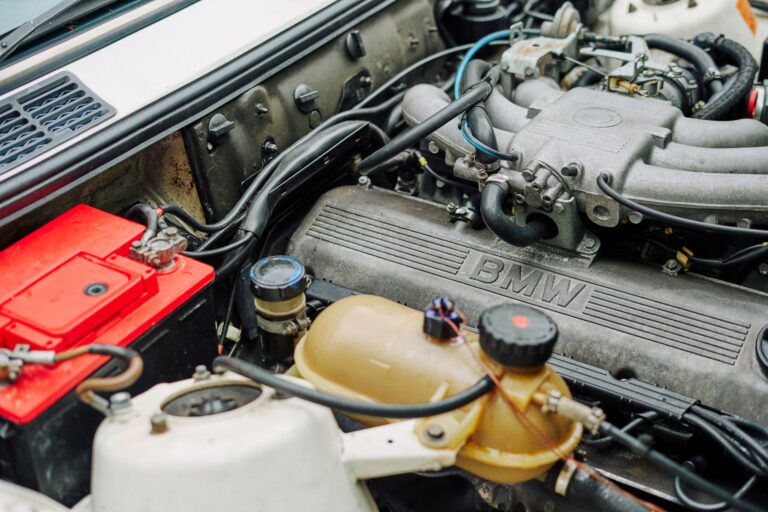
In many modern engines, the exhaust gas recirculation system sends a small portion of exhaust back into the intake to lower combustion temperatures and cut nitrogen oxide pollution. The system routes gases through recirculation pathways that blend with fresh air. It is designed so the engine breathes cooler, steadier mixtures.
People who care for their vehicles often want to understand how this works and feel part of a community that cares about engines and the environment. The EGR valve opens and closes under control from the engine’s management, and passages guide the gases safely. Lower combustion temperature reduces harmful emissions and helps engines meet rules. This shared knowledge builds trust and helps owners make choices that fit their values and needs.
Performance Benefits Drivers Expect From an EGR Delete
For many drivers who tinker with their trucks or cars, removing the EGR valve promises clearer, more direct gains in how a vehicle feels and performs on the road. Many expect improved throttle response right away, with cleaner, firmer acceleration as soon as the pedal is pressed. Owners also report reduced intake deposits over time, which helps maintain consistent airflow and keeps sensors reading more reliably.
This can lead to steadier power delivery across shifts and loads. Drivers who share tips and photos often notice smoother idle and quicker rev return, which helps build confidence in group projects. The shared experience creates trust and practical advice about maintenance changes that matter. Shifts between street driving and towing feel more predictable, so work and recreation flow better.
Common Drawbacks and Engine Risks of Removing EGR
Removing the EGR can raise nitrogen oxide levels, which harms air quality and can lead to legal trouble in places with emissions rules.
It can also speed up engine wear through increasing combustion temperatures and leaving more soot and deposits in the intake and valves. These two risks are closely linked because higher heat and deposits make parts fail sooner while also creating more NOx, so drivers should weigh benefits against long term costs carefully.
Increased NOx Emissions
Why does turning off the EGR system make the engine breathe easier but also create a new problem with air pollution? Removing EGR raises combustion temperature, which helps power and response, yet it can cause a NOx spike that worries the community and regulators. The crew that cares about clean air will want strong emissions monitoring to stay aware and responsible.
| Effect | Reason |
|---|---|
| Higher NOx | Less recirculated exhaust cools combustion |
| Local air impact | More smog and health risk |
| Regulatory risk | Detected through monitoring programs |
| Community concern | Neighbors notice poorer air quality |
People who share roads and garages appreciate honest choices. Clear data and care help maintain belonging while managing trade offs.
Accelerated Engine Wear
After discussing higher NOx and community concerns, attention turns to how closing off a major emissions path affects the engine itself. Many in the community care for their machines and worry about accelerated engine wear whenever the EGR is removed.
Without recirculated gases, combustion temperatures can rise. Higher heat can lead to increased friction in moving parts and faster breakdown of oil additives.
Evidence shows oil contamination can become more common as soot and unburned fuel bypass systems designed to capture them. That contamination shortens oil life and wears bearings, rings, and cam lobes sooner.
Owners who share tips often recommend closer oil checks, more frequent changes, and watching for metal particles. These steps help preserve the engine and keep trust among fellow enthusiasts.
Legal, Regulatory, and Environmental Implications
Whenever people consider the legal, regulatory, and environmental implications of an EGR delete, they often feel worried and unsure about what comes next. In this space, readers find clear talk about regulatory compliance and environmental justice while feeling welcomed into a community that cares.
Laws vary by place and apply to emissions controls, inspections, and vehicle use. Understanding rules helps someone avoid fines and keeps shared air cleaner.
Local groups often link health concerns to vehicle pollution, so choices affect neighbors and schools. Owners should check permits, warranties, and resale issues before acting.
Honest discussion with mechanics and local agencies creates trust and shared responsibility, so decisions respect rules and protect community health.
When an EGR Delete Makes Sense — and When It Doesn’t
Whenever someone considers about removing the EGR, they should weigh emissions and legal risk alongside the chance of real power gains.
Engine wear effects also matter, because older parts or a tired cooling system can turn a small surge into costly repairs.
Through comparing probable performance improvements with potential long-term damage and compliance issues, a person can make a clearer, more confident choice.
Emissions and Legal Risk
How does a driver decide whether removing the EGR system makes sense for their truck or car? A person weighs emissions liability and legal exposure against performance goals and community values. Law matters. Local regulations might ban tampering and carry fines. State inspections and resale issues also affect choices. People want belonging and responsible options, so they often seek certified shops and documented parts to reduce risk.
| Consideration | Impact |
|---|---|
| Local laws | Might prohibit EGR removal |
| Inspections | Could fail vehicle testing |
| Fines | Create financial burden |
| Resale value | Buyer trust might drop |
Drivers who care about community and compliance find paths like approved upgrades or keeping the system intact to balance goals and reduce legal exposure.
Engine Wear Effects
Engine longevity matters a lot to drivers who want their vehicle to stay reliable and affordable. Removing the EGR can change combustion temperatures and soot patterns. That affects wear in clear ways and subtle ways that the community cares about.
- Increased combustion heat can speed piston scoring should deposits concentrate on rings and skirts.
- More soot and ash can lead to faster lubrication breakdown and reduced oil film strength.
- Cooled EGR flow loss could raise cylinder wall temperatures and alter ring sealing.
- Older engines with weak oil control are more vulnerable and require regular monitoring.
- Well tuned systems and frequent oil changes help friends keep engines healthy.
These points link engine chemistry with mechanical stress. People who share tips often focus on preventive maintenance rather than quick fixes.
When Power Gains Occur
Changes in wear patterns make the question of power gains more personal for any owner considering an EGR delete. Whenever an EGR valve is removed, some drivers notice crisper throttle response and a fuller torque curve at mid RPMs. Others see little change because their engine already has balanced combustion and careful maintenance.
Fuel economy can improve slightly once combustion is more consistent, but that depends on tuning and driving habits. A community of owners often shares results, which helps newcomers feel understood and guided.
It is helpful to match expectations to the vehicle, age, and service history. Testing before and after, and discussing results with peers, links observed gains to real conditions and builds confidence in the decision.
Step-by-Step Installation and Mechanical Considerations
Before opening the hood, take a breath and envision the job as a careful puzzle where each piece must fit. The installer feels welcome and capable. Stepwise work promotes safety and shared trust. Start by gathering parts and tools that match gasket replacement needs and torque specs. Check vacuum routing and plan sensor relocation paths with gentle care.
- Remove EGR components slowly and label hoses and connectors for easy reassembly.
- Inspect flanges and replace gaskets to prevent leaks and keep the group confident.
- Follow torque specs on bolts and tighten in sequence to avoid warping.
- Reroute vacuum lines clearly and secure them away from heat sources.
- Relocate or cap sensors with protected mounts and friendly tagging for later service.
Required Tuning, Software Changes, and Diagnostics
Tuning the vehicle after removing the EGR requires deliberate software updates and careful diagnostics so the car runs smoothly and reliably. The engine control unit must receive updated fuel mapping to match changed exhaust flow and combustion temperatures. A trusted tuner or shop can load a compatible file that keeps the group safe and confident.
At the same time sensor calibration is vital for accurate readings from oxygen and intake sensors. Diagnostic scans should check for stored faults and make certain adaptations reset properly. Together these steps reduce limp modes and odd behavior while keeping the community feel of shared knowledge. Owners should choose experienced technicians, keep clear records, and use repeat testing to confirm stability and dependable performance.
Maintenance, Troubleshooting, and Long-Term Outcomes
Maintaining an engine after an EGR delete means paying steady attention and acting quickly whenever problems appear. Owners who share tips and checks build trust and feel supported. Routine service helps prevent surprises and keeps the group rolling. Practical care focuses on parts that change risk and cost over time.
- Check for leaks and gasket replacement needs during each inspection to keep seals tight and shared confidence high.
- Monitor codes and symptoms so the community can help spot patterns promptly and suggest fixes.
- Schedule fluid flushes and filter changes on a predictable timetable to protect cores and injectors.
- Inspect hoses and mounts to catch wear before it fails and leaves someone stranded.
- Keep clear records and photos to help others learn from real results and choices.