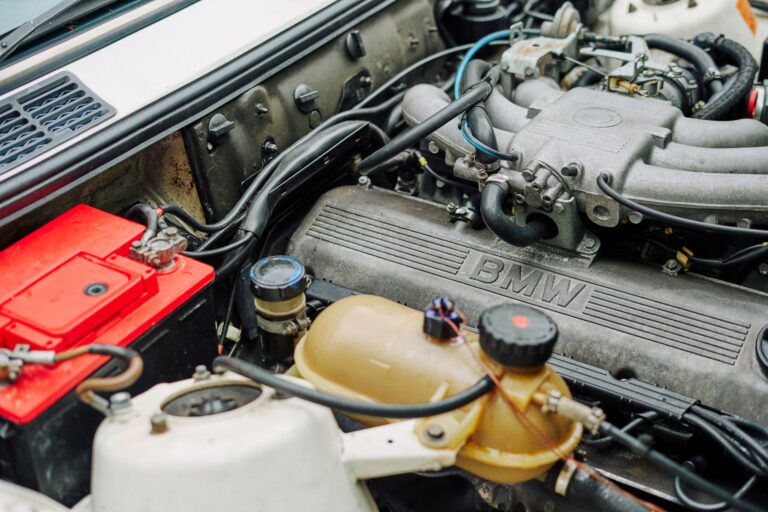
You’ll choose between orange and green coolant based on chemistry and your car’s needs. Orange uses organic acid inhibitors that last longer and protect aluminum better, so you will get extended service intervals and steadier performance. Green relies on silicates and phosphates for quicker surface protection but requires earlier replacement. Don’t mix them because additives can neutralize and clog passages. Flush fully should you switch, use distilled water for top-ups, and check your manual to learn more.
What Is Orange Coolant and How It Works
Curious about orange coolant and how it keeps your engine happy? You’ll find it’s a blend designed to protect and connect you to your vehicle with dependability.
Orange coolant uses organic additives that resist breakdown, giving strong color stability so you can spot leaks and trust what you see. It balances corrosion inhibitors and additives to guard different metals inside the cooling system.
You’ll notice good thermal conductivity, so heat moves away from the engine efficiently and your car runs cooler under stress.
As you learn this, you’ll feel part of a community that cares for engines the right way. You’ll appreciate clear maintenance choices, practical care steps, and friendly tips that help you keep things running smoothly.
What Is Green Coolant and How It Works
You’ll find green coolant is usually a water and ethylene glycol mix with silicate and phosphate additives that guard metal parts.
These additives create a protective film to stop rust and pitting while buffering acidity, so your engine stays healthy over time.
Expect shorter service intervals than some newer formulas, so plan regular checks and changes to keep protection consistent.
Composition and Additives
What makes green coolant different from other radiator fluids? You’ll find it starts with base fluids like ethylene glycol or propylene glycol that carry heat away from your engine. You’re part of a group that cares about reliable performance, so understanding what’s inside helps you trust the choice.
Green coolant also blends in stabilizing agents that keep those base fluids steady over time and under heat. Additives such as pH buffers, anti-foaming compounds, and seal conditioners join the mix to support engine parts and keep the fluid working smoothly.
These elements work together rather than alone, so you get consistent flow, steady temperature control, and longer fluid life. You’ll feel reassured using a coolant designed with such balanced chemistry.
Corrosion Protection Mechanism
At the time you pour green coolant into your radiator, it does more than move heat away from the engine; it creates an invisible shield that slows rust and metal wear. You’ll notice inhibitors bond to metal, forming thin oxide layers that stop oxygen and moisture from attacking the surface. That film lets parts share a longer life, and you’re part of a group that cares for gear and keeps engines steady. Green formulas also use controlled ion exchange to neutralize acidic spots, so corrosion can’t spread along seams or joints. You feel safer aware that chemistry works for you. Below is a simple view of how protection works for common metals.
| Action | Effect |
|---|---|
| Inhibitor adsorption | Barrier formation |
| Oxide layers | Surface passivation |
| Ion exchange | pH balance |
| Film repair | Ongoing protection |
Service Life Expectations
How long will green coolant really protect your engine before it needs changing? You’ll usually get around two to five years or 30,000 to 50,000 miles depending on your driving and maintenance.
You and your car are a team, so watch for signs of coolant degradation like darkening color, smell, or foaming. Green formulas rely on inhibitors that offer corrosion protection, but those chemicals deteriorate over time and reduce thermal stability. That drop means the coolant can’t move heat as well, and rust and scale can form.
Keep a regular schedule, test the fluid, and top off with the same type as required. Should you want peace of mind, have a trusted shop inspect hoses and radiator periodically.
Chemical Differences Between Orange and Green Coolants
You’ll notice orange and green coolants use different inhibitor chemistries that change how they protect your engine.
The additive packages also vary, so one mix could focus on long-term organic acids while the other uses traditional silicates and phosphates.
Comprehending these differences helps you pick the coolant that matches your car’s corrosion protection needs and maintenance habits.
Inhibitor Chemistry Types
Want to know what really sets orange and green coolants apart at the chemical level? You’ll find the main difference in inhibitor chemistry. You and others who care about your vehicle join a group that wants reliable protection and long life.
Here are three key inhibitor types to notice and what they mean for you.
- Organic inhibitors: These rely on carboxylates and other organic acids. They bond to metal and form a thin protective film. They’re common in orange coolants and last longer.
- Inorganic inhibitors: These use silicates, phosphates, and borates. They provide quick protection but deplete faster. They’re often found in older green formulas.
- Hybrid inhibitors: These mix organic and inorganic chemistries to balance quick defense and long life.
Additive Package Differences
At the time you look under the hood, the color difference between orange and green coolant points to a deeper contrast in their additive packages, and that matters for how well your engine stays protected. You want to feel confident, and understanding what’s inside helps. Orange mixes often include organic acid technology with long term additives and thermal stabilizers for steady performance. Green mixes use traditional inhibitors with different fade patterns and simpler stabilizers.
| Feature | What it means to you |
|---|---|
| Long term additives | Fewer top-offs, steady care for your engine |
| Thermal stabilizers | Consistent heat resistance on trips |
You belong to a community that cares for engines. Trust your choice, check labels, and ask whenever you need help.
Corrosion Protection Mechanisms
At the time you compare orange and green coolant, the biggest chemical difference shows up in how each one fights corrosion, and that matters for your engine’s life. You want to belong to a group that cares for its car, so here’s how they differ.
Orange formulas lean on organic acids to create thin protective coatings on metal. Green mixes rely more on inorganic inhibitors that change electrochemical interactions at surfaces. Together those approaches protect different metals in your cooling system and suit different maintenance styles.
- Orange: organic acids form films, gentle and long lasting.
- Green: inorganic inhibitors alter electrochemical interactions, fast acting.
- Your choice: match metallurgy and service habits for best protection.
Typical Lifespan and Service Intervals
Anytime you pick a coolant, keep in mind it doesn’t last forever and the type you choose affects how long it will protect your engine. You want to feel confident, so watch for coolant degradation that shows as discoloration, sludge, or a sour smell.
Orange and green formulas age differently, and you’ll notice changes sooner with some blends. For replacement timing, check coolant quality every season and plan full changes per lifespan guidelines for your coolant type. You can also test coolant strength with a simple hydrometer or test strip.
As you share maintenance duties with friends or family, it feels easier and less stressful. Stay in the loop, set alerts, and ask for help in case you’re unsure about timing or test results.
Manufacturer Recommendations and Vehicle Compatibility
Check your owner’s manual initially because your manufacturer often names the exact coolant type your engine needs, and using the wrong one can cause corrosion or seal damage.
You’ll also want to match coolant to vehicle specifics like engine material and model year since some cars require orange organic formulas while others need traditional green ones.
In case you’re unsure, call your dealer or a trusted mechanic and they’ll help you pick the right product for your car.
Manufacturer-Specified Coolant Types
Car makers usually tell you exactly what type of coolant to use, so you’ll want to follow their guidance to keep your engine happy and safe. You belong to a group that cares for cars, and following manufacturer specifications helps you fit right in.
Check coolant compatibility information in the manual and on service stickers before topping up.
- Read the manual for fluid type and change intervals, then match labels.
- Use OEM or approved aftermarket coolants that list compatibility with your engine metals and seals.
- Ask a trusted shop or dealer at times labels are unclear so you don’t guess.
These steps connect what the maker recommends with what you buy. That way, you protect your engine and stay part of a community that cares for vehicles responsibly.
Vehicle-Specific Compatibility
At the time a manufacturer tells you which coolant to use, they’re protecting the engine parts and the seals inside it, so you should treat that guidance as specific to your vehicle’s design and materials. You belong to a group of owners who care, and you’ll feel confident once you follow those instructions.
Check your owner manual and service stickers for the exact type, noting any regional formulations that address local water quality or climate. Also watch for seasonal adjustments recommended from the maker, like different mixtures for winter versus summer.
Should you be unsure, ask a dealer or trusted shop. They’ll help match the coolant to your engine, hoses, and thermostat, keeping everyone on the same page.
How Mixing Orange and Green Coolants Affects Performance
At the time you mix orange and green coolant, it can feel like you’re trying to get two different teams to play well together, and that matters because they were made with different chemicals and goals in mind. You want to belong to a group that cares for your car, and you deserve clear guidance on performance impact and mixture risks.
- Performance: mixing can lower heat transfer and change boiling point, so your engine might run hotter and feel less responsive.
- Stability: the blend could create cloudy deposits that clog small passages, reducing flow and stressing the pump.
- Longevity: additives can neutralize each other, shortening coolant life and creating maintenance surprises.
You can handle this, and choosing one coolant keeps things simple and safer.
Corrosion Protection and Additive Packages Compared
At the time you pick a coolant, you’re also choosing a chemical team that protects metal parts from rust and wear, and different colors usually mean different additive styles. You want to belong to a group that trusts its engine care.
Orange coolants often use organic acids that focus on long lasting protection, while green types use silicates and phosphates for fast surface defense. Consider additive cooperation as teammates working together to block corrosion, cushion seals, and stabilize pH.
Corrosion testing shows some formulas excel on aluminum, others on cast iron. You’ll notice feel and smell differ, and your mechanic will explain compatibility.
Whenever you compare labels, watch blend method, reserve life, and warranty fit so your choice supports your car and community.
How to Identify Which Coolant Is in Your System
Curious which coolant is already in your car? You can find out with a calm system inspection and a few simple steps that make you feel confident and included.
- Open the radiator or overflow tank at the time the engine is cool. Check coolant color visually and observe whether it looks orange, green, or another hue. This helps you and others know what to expect.
- Use a clear container and a clean rag to collect a small sample. Lay it out with friends or family who help you maintain the car.
- Read your owner manual or check the cap for labels. Compare the sample to the recommended coolant type.
These steps connect you to a community of drivers who care for their vehicles together.
Proper Flushing and Drain Procedures Before Switching
Now that you can tell what coolant is in your system, you’ll want to remove it properly before putting in a different type. You’ll feel safer understanding flush methods and drain techniques work together.
Initially, let the engine cool and open the radiator cap carefully. Use drain techniques like loosening the petcock and collecting old coolant in a safe container. Then run a gentle garden hose through the system or use a recommended flush solution to clear residues. Repeat flushing until the outflow runs clear. While flushing, cycle the heater on to reach concealed passages.
After the final drain, close fittings securely and check for leaks. You’ll join others who take care, and you’ll protect your engine once you switch coolants.
Topping Off: When to Use Distilled Water Vs Coolant
Considering whether to add distilled water or coolant in case your reservoir sits low? You want to protect your engine and belong to a community that cares for its car.
Use distilled water whenever you need a temporary top up. It respects water quality and won’t add minerals that clog the system. Use coolant when levels are noticeably low or the mix is wrong.
Follow a clear filling sequence to keep things safe.
- Check level and color before you touch anything.
- Top with distilled water only for short drives and emergencies.
- Add proper coolant to restore the correct mix and long term protection.
These steps link quick fixes with proper service. You’ll feel confident and included whenever you follow them.
Environmental and Disposal Considerations
Because coolant contains chemicals that can harm animals, plants, and water supplies, you should handle and dispose of it carefully. You belong to a group that cares about nature, so choose biodegradable formulations whenever possible and store used coolant in sealed containers.
Many repair shops accept old coolant, and community hazardous waste drop-offs will take what you can’t keep. Label containers clearly and never pour coolant down drains, onto soil, or into storm sewers.
Wear gloves and wipe spills immediately, then rinse tools with minimal water and collect the rinse. Should a spill reach soil or water, contact local authorities for cleanup guidance.
Cost Comparison and Availability
Want to know which coolant will save you money without leaving you stranded? You’ll find costs vary according to type and market trends, so you’ll want to watch prices and stock.
Orange formulas often cost more up front but last longer. Green mixes are cheaper per bottle and easier to find at big chains.
Consider regional availability whenever you travel or join a local car group.
- Compare unit price and long term value so you feel confident about the choice.
- Check shops and online sellers near you to avoid surprises on road trips.
- Lean on your community for tips on where to buy affordable, reliable coolant.
This way you’ll save money and stay connected to people who care.
Practical Tips for Maintaining Optimal Cooling System Health
You saved money through comparing coolant types and finding what’s easy to buy on the road, and now you’ll want to protect that choice with regular care for your cooling system. You belong to drivers who value smart upkeep, so check radiator cleaning more often than you believe. Flush debris, clean fins gently with low-pressure water, and wipe away bugs and dirt so air flows freely.
At the same time schedule thermostat inspection during service intervals. A stuck thermostat spoils temperature control, so test it whenever you notice odd heat swings. Watch hoses and clamps for soft spots or leaks and feel the upper radiator hose for proper warmth. Keep coolant level topped to the mark and use the correct mix. These simple habits keep you confident and supported on every drive.