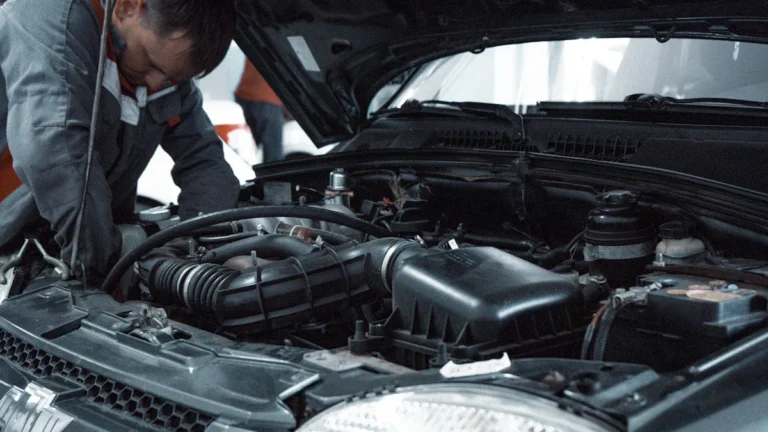
Hear a ticking and worry? You’re not alone and you can fix many causes. Initially check oil level and pressure because low oil makes lifters tick and bearings suffer. Next listen for steady injector clicks or loose exhaust manifold bolts and gaskets. Inspect timing chain tensioner, belts, pulleys and accessory mounts for slack or wobble. Look under for loose heat shields or rusted fasteners. Some ticks need simple tightening or oil change, others need parts replaced, keep going to learn more.
Identifying Different Types of Engine Ticks
Curious what that persistent tick under your hood signifies? You want to belong to a group that understands cars and feels safe fixing them collectively. Start by listening closely.
Some ticks stem from mechanical resonance in loose parts such as heat shields or brackets. Others originate from valvetrain wear where lifters or rockers tap. You may notice a different pace once ignition misfires cause uneven engine pulses.
Location helps too. A tick from the top often points to valve gear. A tick from the front could be pulleys or timing chain tensioners. A deeper metallic ping could be bearing noise.
As you compare sounds, you’ll learn patterns and share tips. That shared knowledge helps you spot urgent fixes as opposed to things you can schedule.
Low Oil Level or Pressure Issues
A ticking sound can indicate a lot of things, and one of the most serious is low oil level or low oil pressure. You’ll want to check your dipstick initially and top up should it’s low.
If the oil level looks fine, watch the pressure gauge while the engine runs. A falling needle or erratic reading can signal a real pressure problem. Your car’s oil sensor might also trigger a warning light; don’t ignore it.
Low pressure starves parts of oil, and that creates metal-on-metal noise and fast wear. You’re not alone in facing this worry. Reach out to friends or a trusted shop for help. They can test the pump, inspect filters and lines, and restore safe oil flow.
Worn or Sticking Valve Lifters
In case your engine begins ticking even with good oil levels, worn or sticking valve lifters could be the cause and they warrant a quick look. You’ll want to listen and feel for a rhythmic tap that varies with RPM.
Hydraulic lifters can collapse or stick once they wear, letting extra clearance create that tick. You and others who care for your car can check for symptoms without alarm. A simple lifter adjustment may help on older mechanical systems, though hydraulic lifters often self-adjust unless contaminated.
In the event you notice change after fresh oil or additive, you’re on the right track. Community repair events or a trusted mechanic can guide you through inspection, cleaning, or replacement, making the fix manageable and reassuring.
Faulty or Loose Exhaust Manifold Components
In case you hear a sharp ticking that gets louder once the engine warms up, check the exhaust manifold area because loose manifold bolts can let hot gases escape and make noise.
A cracked exhaust gasket can do the same thing and it often shows up as a ticking that fades as you rev the engine. You’ll want to inspect both the bolts and the gasket so you can fix the leak before it causes more damage.
Loose Manifold Bolts
As soon as your engine starts ticking and you feel a small rattle under the hood, don’t panic; loose manifold bolts are a common, fixable cause and you can learn to spot them promptly.
You’ll initially listen for a rhythmic tick that grows with RPM. Then you’ll peek at the manifold bolts for signs of bolt corrosion or a loose fit.
Should you have a torque wrench, you’ll check manifold torque to the spec in your manual. Tighten slowly and evenly so you don’t warp the flange.
In case bolts look rusted, you’ll replace them and use anti-seize on threads to protect against future corrosion. You’ll recheck after a short drive.
You’ll join others who’ve fixed this and felt relief.
Cracked Exhaust Gasket
At the moment you hear a sharp ticking that seems to puff with every engine breath, a cracked exhaust gasket could be the quiet troublemaker you didn’t expect. You want to belong to a group that cares for its car, and you’ll feel better understanding this is fixable.
A cracked gasket lets exhaust leak where the manifold meets the head and it can sound like ticking at idle. You can choose exhaust gasket replacement once you see soot, smell fumes, or feel heat near the firewall.
Learn about gasket material types because metal, composite, and multilayer steel each handle heat and pressure differently. You can replace the gasket yourself or join a trusted shop for help and reassurance.
Timing Chain or Belt Wear and Tensioner Problems
Once your engine starts ticking, worn timing chains or belts and tired tensioners are often the quiet culprits causing stress under the hood, and you deserve clear guidance so you can act before small noise turns into big trouble.
You’ll want to check chain alignment initially and listen for rhythm changes as the engine warms. Should guides or rollers wobble, the tensioner might be failing.
- Inspect chain alignment for slack or uneven wear
- Consider tensioner replacement whenever noise persists or movement occurs
- Ask a trusted friend or mechanic to watch cam timing while you run the engine
You’re not alone in this. Walk through checks slowly, use simple tools, and talk through findings with someone who cares.
Early action keeps your engine reliable and your worry low.
Fuel Injector or Injector O-Ring Noises
You could hear a steady click from your injectors and consider it’s normal, but the rhythm can tell you whether something’s off.
In case an injector O-ring is leaking or dried out, you’ll sometimes catch a soft squeak or hiss near the intake that points to a seal problem.
Pay attention to how the clicks and squeaks change together, because that link helps you decide whether to replace an O-ring or have a technician check the injector itself.
Injector Click Rhythm
Provided that you hear a steady tick under the hood, don’t panic — that rhythm often comes from the fuel injectors clicking as they open and close. You belong here, and you’ll learn what the sound means. The injector timing affects engine smoothness, and the spray pattern affects combustion. Together they explain why you hear a beat.
- Listen for steady, even clicks that match engine speed.
- Take note of changes when you rev; timing or spray pattern issues will alter rhythm.
- In case clicks are uneven, bring it to a trusted friend or shop for testing.
You’ll feel better understanding this is a common, manageable noise. Trust your instincts, ask questions, and accept help from people who care about your car.
O‑Ring Leak Squeak
Ever notice a high-pitched squeak coming from around the injectors and question what’s wrong? You’re not alone. That O-Ring leak squeak often signals seal deterioration or lubrication issues. You’ll feel better understanding you can inspect and gently clean around each injector, replace hardened O rings, and apply proper lubricant. Provided you belong to a car-care group, share photos and tips. That support helps you learn faster and avoid repeat problems. Below is a simple table to guide quick checks and actions.
| Symptom | Likely Cause | Quick Action |
|---|---|---|
| High squeak | Seal deterioration | Replace O ring |
| Occasional hiss | Loose injector | Tighten clip |
| Dry feel | Lubrication issues | Apply grease |
| Fuel smell | Minor leak | Inspect further |
| Repeating squeak | Old seals | Join community help |
Rod or Main Bearing Wear and Knock
Hearing a deep knock from the engine can feel scary, but it often points to worn rod or main bearings that need attention. You want clear knock diagnosis and reassurance that you belong among people who solve car problems together.
Whenever bearings wear, bearing lubrication breaks down and metal contacts creating a rhythmic knock you can feel and hear.
You can help the process by checking oil, listening at idle and load, and sharing the task with a friend. Keep these steps in mind:
- Check oil level and condition, then change with correct grade
- Listen during startup and under load to narrow the sound
- Inspect oil pressure and connect with a trusted mechanic
These actions link your care to better engine life and peace of mind.
Loose Accessories, Pulleys, or Heat Shields
At the time something rattles under the hood, you’ll want to know whether it’s a loose pulley, accessory, or heat shield, because these parts can make noise that sounds much worse than the problem really is. You’ll feel reassured once you learn to spot rattling noises promptly.
| Item | What to check |
|---|---|
| Pulley | Wobble, wear marks |
| Belt | Cracks, glazing |
| Accessory | Mount bolts |
| Heat shield | Loose tabs |
| Fasteners | Tightness, missing pieces |
Check belts, pulleys, and shields for play. Tighten bolts, replace worn brackets, and add a washer or clip in case needed. Vibration causes often come from simple wear or missing hardware. You’re not alone; many drivers fix this themselves and share tips.