

Many drivers wonder about the average cost of car maintenance in 2026. Vehicles become more complex each year. Economic factors also drive up expenses. Inflation concerns nearly half of motorists. Paul Burgess, CEO at Startline Motor Finance, noted, “You can really feel in these responses how consumers feel weary and worried after repeatedly being hit by rising costs in recent years.” This blog provides a comprehensive guide. It helps readers understand, budget for, and minimize these expenses. It answers the question: how much does vehicle maintenance cost in the coming year? Understanding vehicle maintenance cost is key.
Key Takeaways
Budget around $2500 each year for car care. This covers both regular check-ups and surprise repairs.
Your car’s brand, age, and how you drive change how much you pay for upkeep. Luxury cars cost more to fix.
Do regular car maintenance. This stops small problems from becoming big, expensive ones.
You can save money by doing some car tasks yourself. Also, pick good repair shops.
Driving smoothly helps your car last longer. This means less wear and tear on parts.
Projected Average Car Maintenance Cost in 2026
Overall Annual Estimates
Drivers often seek a clear figure for their annual car expenses. For 2026, the routine average cost of car maintenance is projected to be around $800 per year. This figure covers basic, scheduled services. However, experts advise budgeting a more substantial amount. They suggest allocating approximately $2500 annually for all maintenance and potential repairs. This higher figure accounts for both routine needs and unexpected issues. Another way to estimate the average cost of car maintenance is by considering mileage. Many sources suggest budgeting about 10 cents per mile driven. For example, a driver covering 15,000 miles annually would budget $1500. This method provides a flexible estimate based on individual usage. Understanding the full scope of vehicle maintenance cost helps owners plan effectively.
Routine Versus Unexpected Costs
The difference between the $800 routine average and the $2500 recommended budget highlights a crucial distinction. Routine maintenance includes predictable services. These services are oil changes, tire rotations, and fluid checks. Car owners can easily plan for these expenses. They follow a manufacturer’s schedule. Unexpected costs, however, present a greater challenge. These can range from minor fixes to major component failures. A sudden brake system issue or an engine problem falls into this category. These unexpected repair costs can quickly escalate. Therefore, the higher budget recommendation accounts for these unforeseen events. It ensures drivers have funds available when major repairs become necessary. This proactive budgeting approach helps prevent financial stress. It also keeps vehicles running safely and reliably.
Routine Maintenance Costs in 2026

Essential Service Projections
Routine car maintenance forms the backbone of vehicle longevity. In 2026, essential services will continue to include oil changes, filter replacements, and brake inspections. These tasks are crucial for keeping a car running smoothly. Manufacturers provide schedules for these services. Following these schedules helps prevent more expensive repairs later. The cost for these basic services can vary. It depends on the vehicle’s make and model. However, drivers should expect slight increases due to inflation and rising labor costs. Regular checks ensure optimal performance and safety. This proactive approach saves money over time. This type of routine maintenance is non-negotiable for vehicle health.
Tire Care and Replacement
Tire care is another vital part of routine car maintenance. This includes regular rotations, balancing, and pressure checks. Proper tire maintenance extends tire life. It also improves fuel efficiency. Tire replacement costs can be significant. The price depends on the tire type and brand. Drivers should budget for new tires every few years. This depends on mileage and driving conditions. Ignoring tire wear can lead to dangerous situations. It can also cause damage to other vehicle components. Regular inspections help identify wear early. This allows for timely replacement. This aspect of routine car maintenance directly impacts safety and performance.
Fluid Checks and Replacements
Checking and replacing fluids is a key aspect of routine car maintenance. This includes engine oil, transmission fluid, brake fluid, and coolant. These fluids lubricate parts and prevent overheating. They also ensure proper braking. Dirty or low fluids can cause serious damage. For example, old engine oil can lead to engine wear. Replacing fluids according to the manufacturer’s recommendations is important. This helps maintain vehicle health. Drivers can often check some fluid levels themselves. However, professional technicians should handle replacements. This ensures correct fluid types and proper disposal. This routine vehicle maintenance keeps systems functioning correctly. It is a critical part of overall car care.
Unexpected Repair Costs in 2026
Common Major Component Failures
Unexpected car repairs can range from a few hundred dollars to over $10,000. The current average car repair bill stands at $838. Internal combustion car repair costs have significantly increased. Major component failures often cause these high expenses. An engine replacement or transmission overhaul represents a substantial financial burden. These repairs involve expensive parts and extensive labor. Modern vehicle complexity also drives up diagnostic time. This adds to the overall cost. Drivers must prepare for such possibilities.
Electrical System Repairs
Modern vehicles rely heavily on complex electrical systems. These systems control everything from engine performance to infotainment. Issues with sensors, wiring harnesses, or onboard computers often arise. Diagnosing electrical problems requires specialized tools and expertise. Technicians spend considerable time tracing faults. This diagnostic time contributes significantly to the final bill. These complex issues drive up repair costs. A simple sensor replacement can quickly become an expensive repair.
Accident-Related Expenses
Accidents introduce another category of unexpected expenses. Even minor collisions can result in significant damage. Bodywork, paint, and structural repairs are common. Hidden damage to internal components often occurs. This damage may not be visible immediately. Specialized body shops handle these repairs. Their labor rates can be higher. The average cost of accident repairs varies widely. It depends on the severity of the impact and the vehicle model. Insurance often covers these costs, but deductibles apply.
Factors Influencing Vehicle Maintenance Cost
Several factors determine the overall vehicle maintenance cost. These elements include the car’s make and model, its age and mileage, how a person drives, and even where they live. Understanding these influences helps owners predict and manage their expenses.
Vehicle Type and Brand Impact
The type of vehicle and its brand significantly affect maintenance costs. Luxury brands often have higher expenses. Steven Elek, who oversees auto data analytics at Consumer Reports, states, “Expensive luxury vehicles are often quite expensive to maintain over time.” He also notes, “The difference to maintain a car, on average, between some brands can be thousands of dollars over a 10-year time frame.” European luxury marques like Audi, BMW, and Mercedes-Benz are among the most expensive to maintain. For example, Audi’s 10-year maintenance cost is $10,211, and Mercedes-Benz is $12,942.
Rank | Brand | 10 Year Maintenance Cost |
|---|---|---|
7 | Audi | $10,211 |
11 | Mercedes-Benz | $12,942 |
13 | BMW | $16,021 |
14 | Land Rover | $18,072 |
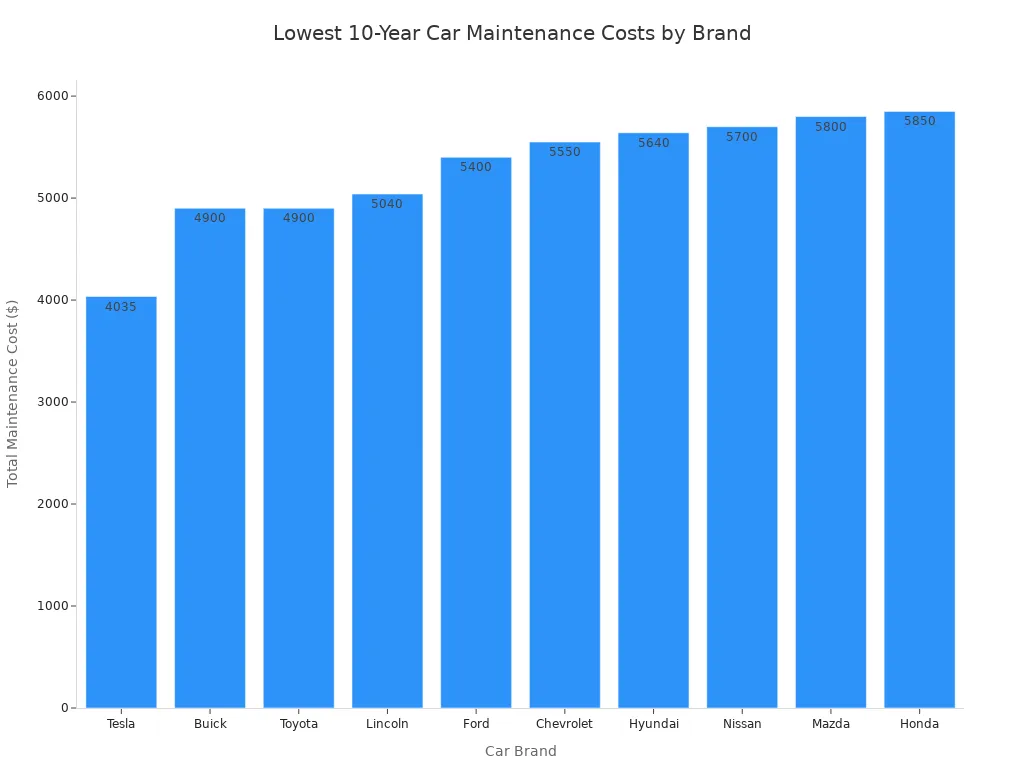
In contrast, some brands offer much lower car maintenance costs. Toyota, Honda, and Mazda consistently rank among the most affordable. This difference highlights the impact of maintenance costs by brand.
Age and Mileage Considerations
A vehicle’s age and mileage greatly influence its repair costs. Older vehicles or those with high mileage generally incur more frequent and expensive repairs. Mileage-related wear affects engines, transmissions, and brakes. This leads to a higher likelihood of needing major repairs. Age-related degradation also occurs. Rubber seals, gaskets, and hoses dry out and crack. This causes leaks and performance issues. Automotive fluids also lose effectiveness over time. A 12-year-old truck with 80,000 miles can cost $0.37 per mile to operate. A 4-year-old truck with 50,000 miles costs about $0.16 per mile. This shows age can be a stronger cost determinant than mileage.
Driving Habits and Environment
Driving habits directly impact maintenance expenses. Aggressive driving, including speeding, harsh braking, and rapid acceleration, increases wear and tear. This affects the engine, suspension, tires, and brakes. Drivers who brake cautiously spend around $211 per year on tires. Those who brake harshly see tire costs around $347 per year. Improper gear changes also wear down the transmission. Infrequent or short-distance driving can also be detrimental. Cars need regular, longer trips for proper lubrication and to prevent carbon deposits.
Regional Labor Rates
Regional labor rates also affect the average cost of maintenance. These rates vary significantly across different areas. Factors include state regulations, the cost of living, and demand for services. California has the highest average labor rates, at $173 per hour. States with lower living costs, like Mississippi, have lower labor rates. The West region generally has the highest mechanic hourly rates. This is due to higher living costs and stricter environmental laws. The Midwest features moderate labor rates. The South’s rates are moderate but vary. The Northeast tends to have higher labor rates due to dense urban populations and high living costs.
Region | State | Labor Rate (per hour) |
|---|---|---|
West | California | $155-$175 |
South | Mississippi | $150-$155 |
Northeast | New York | $135-$140 |
Midwest | Ohio | $130-$140 |
Budgeting for Vehicle Maintenance

Budgeting for car maintenance is crucial. Total car maintenance costs can reach approximately $9,500 over a decade. This section provides actionable advice. It helps owners manage their vehicle maintenance cost.
Creating a Dedicated Fund
Owners should create a dedicated fund for car maintenance. Setting aside money regularly helps cover routine services. It also prepares for unexpected repairs. This proactive approach helps budget for car repair costs effectively. Even small, consistent contributions add up. This fund ensures financial readiness for vehicle needs.
Extended Warranties and Service Plans
Extended car warranties offer financial protection. The average monthly cost typically ranges from $75 to $150. Several factors impact this cost. These include the vehicle’s age and mileage. Newer cars with lower mileage cost less. The type of coverage also matters. Exclusionary warranties are more expensive. They cover more components. Contract length affects monthly costs. Longer terms increase them. Where owners purchase the warranty also plays a role. Dealership markups can increase prices.
These plans often include added perks. Owners get roadside assistance. They also receive rental car reimbursement. Trip interruption coverage is another benefit. Trusted partners offer reliable claims support. They are known for fast and fair service. Transferable plans add extra resale value. This is useful if owners sell their car.
Determining an exact average cost for extended car warranties is challenging. Prices can range from a few hundred to several thousand dollars annually. This variance is due to the vehicle type. Replacing parts on a pricey European luxury car is more expensive. It costs significantly more than on a mainstream domestic car. Mainstream vehicles are generally inexpensive to repair. An emergency repair fund might be a better option for them. Owners of luxury and sports cars find extended warranties more beneficial. Their repair costs are dramatically higher. Consider these options to budget for car repair costs.
Emergency Fund Allocation
Beyond routine budgeting, an emergency fund is vital. Unexpected repairs can arise suddenly. These can be costly. Allocating funds specifically for emergencies prevents financial strain. This fund covers major component failures or accident-related expenses. It ensures owners can afford necessary repairs. This contributes to the overall cost of vehicle ownership. It also helps manage the full cost of vehicle ownership. Owners can budget for car repair costs by having this safety net.
Minimizing Your Car Maintenance Expenses
Drivers can take steps to lower their car maintenance costs. Smart choices and consistent effort help save money. This section offers practical tips. It helps reduce expenses.
Proactive Maintenance Benefits
Taking care of a car regularly saves money in the long run. Adhering to a proactive car maintenance schedule offers many financial benefits. It prevents small issues from becoming expensive problems. For example, replacing brake pads early avoids costly rotor damage. Regular upkeep also improves fuel efficiency. This leads to savings at the gas pump. Consistent maintenance extends the vehicle’s lifespan. This maximizes the initial investment. A well-maintained car with a documented service history sells for more money. A complete service history can increase a car’s resale value by up to 20%. This shows that good routine car maintenance directly leads to financial gains.
DIY Maintenance Opportunities
Some car maintenance tasks do not require a professional. Owners can perform these tasks themselves. This saves money. Checking and topping up fluids is one example. This includes oil, coolant, and brake fluid. Rotating tires at home ensures even wear. It also extends tire life. Changing the oil yourself helps the engine run smoothly. These simple tasks are part of good routine car maintenance. They prevent wear and tear.
Choosing Reputable Services
Selecting the right service center is important. A reputable shop has certified and experienced technicians. They provide clear, written estimates before starting work. They use high-quality parts and modern equipment. Look for positive customer reviews and a good reputation. Good shops offer excellent customer service. They explain repairs clearly. They also provide a warranty on parts and labor. Choosing a reliable service center ensures quality routine car maintenance.
Driving Style for Longevity
How a person drives affects car longevity. A smoother driving style reduces wear and tear. This includes gradual acceleration and deceleration. It reduces strain on tires and other parts. Exercising caution during cornering also helps. Gentle and gradual braking extends the life of brake pads. It also reduces stress on other components. Proper gear shifting prevents engine strain. Gradually easing into a drive allows the engine to warm up. This minimizes wear. This driving style is a key part of effective routine car maintenance. Some cars may become too expensive to repair in 2026. Research specific models to understand their long-term costs.
Projected average costs for car maintenance are rising. Proactive planning is essential for all vehicle owners. Informed decisions and diligent maintenance significantly mitigate financial burdens. Understanding the overall vehicle maintenance cost helps owners budget effectively. Implementing smart strategies for car maintenance costs is crucial. This leads to responsible car ownership and long-term savings.
FAQ
What is the average annual car maintenance cost in 2026?
The routine average cost is about $800 per year. However, experts suggest budgeting around $2500 annually. This covers both expected services and potential unexpected repairs.
Why do some car brands cost more to maintain?
Luxury brands often use specialized parts and require expert labor. These factors increase maintenance expenses. Brands like BMW and Mercedes-Benz typically have higher long-term costs than Toyota or Honda.
How can drivers minimize car maintenance expenses?
Proactive maintenance prevents costly repairs. Drivers can perform some DIY tasks. Choosing reputable service centers helps. A smooth driving style also reduces wear and tear on vehicle components.
Is an extended warranty a good investment for car owners?
Extended warranties offer financial protection against unexpected repairs. They can be beneficial for luxury or high-end vehicles with expensive parts. For mainstream cars, an emergency fund might be a better option.
Does a car’s age and mileage affect maintenance costs?
Yes, older vehicles and those with higher mileage generally incur more frequent and expensive repairs. Components wear out over time. This leads to a higher likelihood of needing major replacements.



