Your car’s brake booster is a crucial component. It amplifies the force you apply to the brake pedal. This makes stopping easier and safer. Recognizing brake booster symptoms quickly is vital. This prevents dangerous driving situations. Federal data shows brake problems cause a significant number of accidents. For instance, brake defects account for 42% of all defects in crashes involving faulty vehicles. This highlights the serious risks. You must understand your brake booster. This guide gives you ten vital facts about brake booster symptoms and replacement costs.
Key Takeaways
A hard brake pedal, longer stopping distance, or a hissing sound means your brake booster has a problem.
You can do simple tests at home to check your brake booster, but a mechanic can find the exact issue.
Replacing a brake booster costs between $325 and $1,250. This depends on your car and where you get it fixed.
Driving with a bad brake booster is dangerous. It makes your car unsafe and can cause more damage.
Regular brake checks and maintenance keep your braking system healthy and prevent big problems.
Understanding the Brake Booster
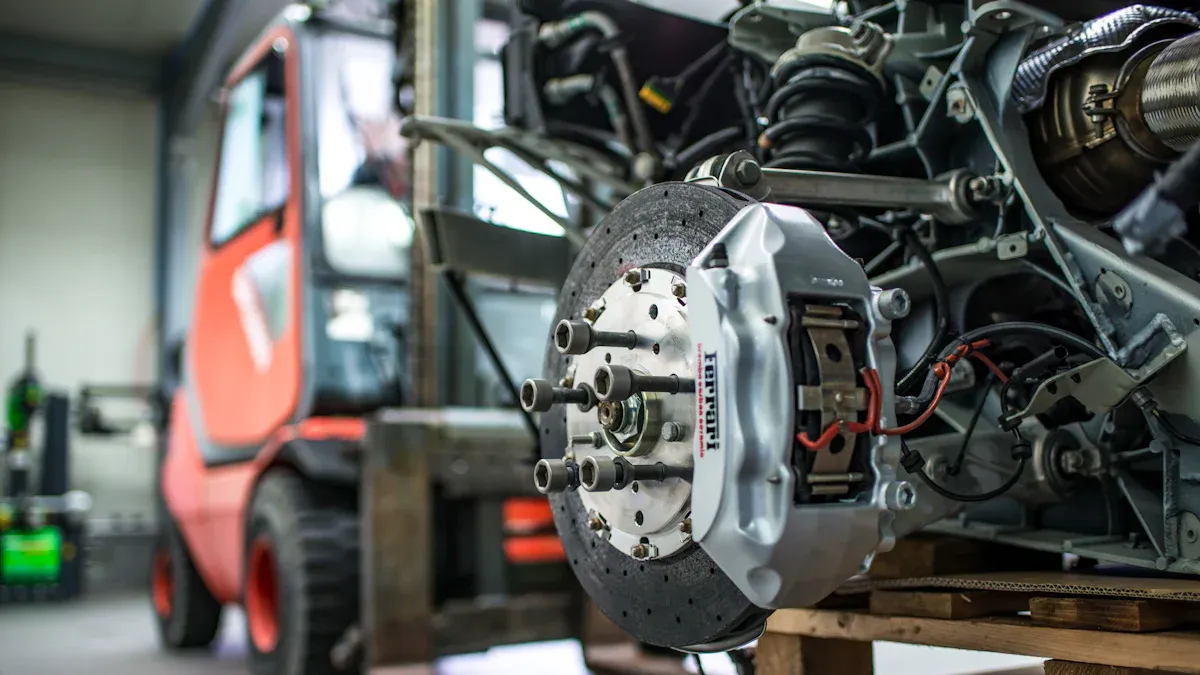
Your car’s brake booster is a key part of its braking system. It makes stopping your vehicle much easier and safer. This component amplifies the force you apply to the brake pedal.
How Power Brakes Work
Modern cars use power brakes. These systems rely on several important parts working together.
The master cylinder is a crucial component. It sits behind your dashboard. This part generates hydraulic pressure through primary and secondary pistons. It then sends this pressure through brake lines. An attached reservoir replenishes the master cylinder chambers.
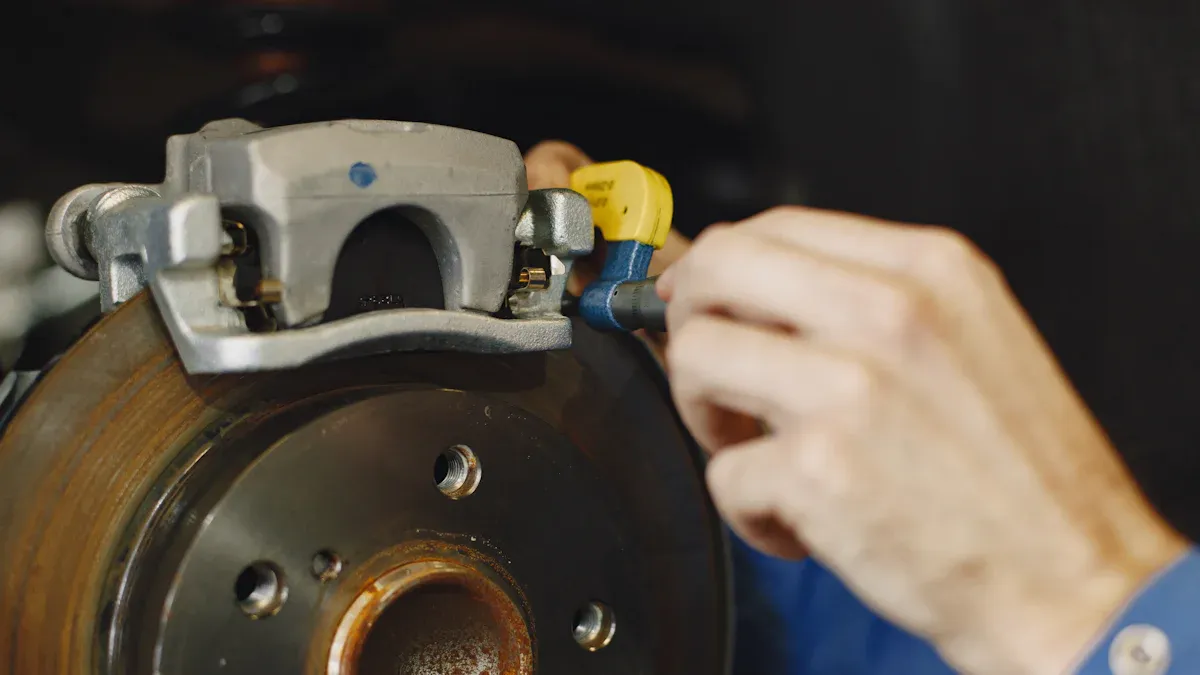
This pressure reaches the brake calipers. These are often used in disc brakes. Calipers have pistons that press against metal discs, called rotors. This creates friction to slow your wheels.
Alternatively, some cars use drum brakes, typically on the rear wheels. Here, a brake cylinder transfers pressure. This activates pistons that cause brake shoes within the drum to expand. This also creates friction to slow and stop the wheel. The brake booster works alongside these parts, ensuring you have enough stopping power with minimal effort.
The Brake Booster’s Function
The main job of the brake booster is to convert the relatively small force you put on the brake pedal into significantly greater hydraulic pressure. This force multiplication means you do not need to push the pedal very hard to stop your car effectively.
Most brake boosters are vacuum-operated. Inside the brake booster, a diaphragm divides it into two chambers. One chamber connects to the engine’s vacuum, usually from the intake manifold. The other chamber is open to regular atmospheric pressure.
When you press the brake pedal, a valve opens. This allows atmospheric pressure to enter the vacuum chamber. This creates a big pressure difference between the two chambers. This difference generates a strong push force. This push force is then amplified through a mechanical linkage. It transmits this amplified force directly to the master cylinder. This amplified force helps the master cylinder send strong pressure to your brakes. Without a working brake booster, stopping your car would take much more effort. The connection between the brake pedal and the master cylinder is crucial for efficient braking.
Key Brake Booster Symptoms
You need to recognize common brake booster symptoms. This helps you identify a problem early. Ignoring these signs can lead to dangerous driving conditions. Here are the vital symptoms you should know.
Hard Brake Pedal Feel
You might notice your brake pedal feels unusually stiff. It requires much more force to push down. This is a primary sign of a failing brake booster. The power assist is gone. You are doing all the work yourself. Internal issues within the brake booster cause this hard pedal. Specifically, problems with the diaphragm and the two-way valve are common. If insufficient vacuum exists, the diaphragm cannot move effectively. This happens because the pressure difference between its front and rear is too small. Also, a faulty two-way valve stops the booster from keeping vacuum or letting in atmospheric pressure. This leads to a hard pedal. A hole in the diaphragm or a bad two-way valve are common failures.
Increased Stopping Distance
Your car takes longer to stop. This is a critical safety concern. If your vehicle stops at a longer distance than usual, your bad brake booster likely causes it. The system cannot generate enough stopping power. You must press the pedal harder and longer to slow down. This increases the risk of an accident. This symptom directly relates to the loss of power assist.
Hissing Sounds and Engine Issues
You may hear a distinct hissing sound when you press the brake pedal. This sound often comes from the brake booster itself. It indicates a vacuum leak. A hole in the vacuum hose connected to the brake booster can cause this. A problem with the booster diaphragm also triggers this. Air leaking from the master cylinder gasket into the brake booster is another cause. This vacuum leak can also affect your engine. You might notice engine stalling or a rough idle. This happens because the engine’s vacuum system is compromised. Unlike a brake fluid leak, a vacuum leak does not involve fluid loss.
Check Engine Light Illumination
Sometimes, your check engine light comes on. This can signal brake booster symptoms. Your car’s computer detects an issue within the braking system. It then triggers the light. This often happens with a bad brake booster. Specific diagnostic trouble codes (DTCs) relate to brake booster malfunctions. For example, P0558 (Brake Booster Pressure Sensor Circuit High) or P0557 (Brake Booster Pressure Sensor Circuit Low) might appear. These codes point directly to a problem with the brake booster. While a bad master cylinder can also cause braking issues, the symptoms of a bad master cylinder often include a spongy pedal or a brake fluid leak. A failing master cylinder does not typically cause the same vacuum-related engine symptoms.
Diagnosing a Bad Brake Booster
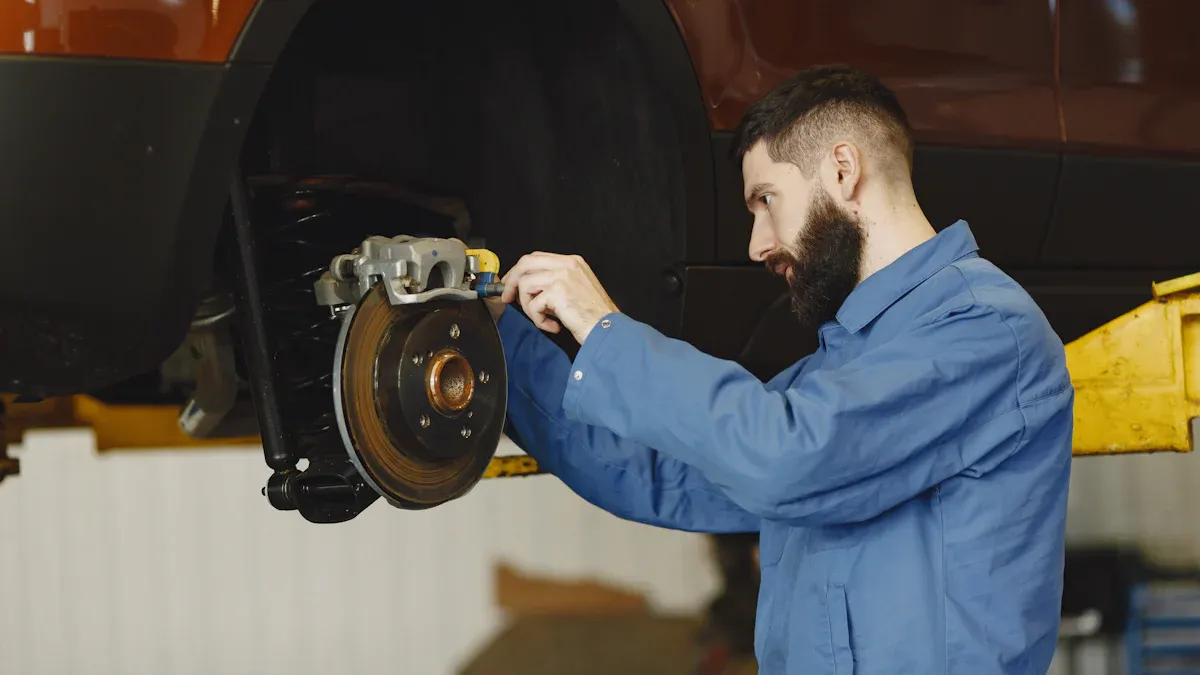
You need to know how to identify a failing brake booster. This helps you address the problem quickly. You can perform some checks yourself. Professionals also have specific methods.
Simple At-Home Tests
You can perform some simple brake booster tests at home. These tests help you identify a potential problem. First, turn off your car’s ignition. Pump the brake pedal four to five times. This depletes any remaining vacuum in the brake booster. Next, connect a vacuum gauge to the vacuum supply hose. Start the engine. Let your car idle for a few minutes. Watch the vacuum gauge. A normal reading should be between 15 and 20 inches of mercury (Hg) or 50 to 70 kilopascals (kpa) at idle. When your engine is at normal operating temperature, check the operating vacuum pressure. You should see a minimum of 18 inches of vacuum. If your reading is lower, you might have a problem. This test checks the vacuum integrity of the brake booster. You can also check the master cylinder for leaks. A leaking master cylinder can affect brake performance.
Professional Diagnostic Steps
If your at-home brake booster tests suggest an issue, you should seek professional help. Mechanics have specialized tools. They can perform more thorough diagnostics. They will check the vacuum lines. They will also inspect the brake booster itself. They might also check the master cylinder for proper function. A professional can accurately determine if you have a bad brake booster. They can also rule out other issues, like a faulty master cylinder. They ensure your entire braking system, including the master cylinder, works correctly.
Brake Booster Replacement Cost
You might wonder about the cost to replace a brake booster. The overall cost for brake booster replacement can vary significantly. You can expect to pay between $325 and $1,250. This range includes both the necessary parts and the labor involved. The exact price depends on several factors. These factors include your vehicle’s specific make and model. They also include where you get the repair work done.
Average Replacement Expenses
The average replacement expenses for a brake booster fall within this broad range. You should prepare for these costs. A failing brake booster makes your car unsafe. You must address this issue promptly. Ignoring it can lead to more expensive repairs later. Sometimes, a mechanic might also suggest replacing the master cylinder at the same time. This happens if the master cylinder shows signs of wear or if it was affected by the failing brake booster. For example, if the brake booster leaked fluid, it could damage the master cylinder. Replacing the master cylinder adds to the total cost. This ensures the entire braking system functions optimally.
Parts and Labor Breakdown
The total cost breaks down into two main components: parts and labor. Labor costs typically range from $100 to $200. This covers the mechanic’s time and expertise. The parts cost for the brake booster itself usually falls between $160 and $550. This price depends on your car’s specific needs and the quality of the part. If your mechanic also replaces the master cylinder, that part can add another $50 to $200 or more. A new master cylinder ensures your entire braking system works correctly. It prevents future issues. Always ask for a detailed estimate. This estimate should clearly show the cost of the brake booster and any other parts like the master cylinder. This transparency helps you understand the full expense before the work begins.
Cost Factors for Brake Booster Replacement
Vehicle Specifics and Booster Type
You will find the cost of a brake booster replacement varies greatly. Your vehicle’s make and model significantly influence this. For example, replacing a brake booster and accumulator on a 2010 Toyota Prius can cost around $3400 at a dealership. A specialized hybrid repair shop might charge $3900. The OEM price for a brake booster in a 2010 Subaru Outback is much higher than for newer models. This shows how model year affects the cost. The type of booster also plays a role. Some vehicles use a single-diaphragm brake booster. Others use a dual-diaphragm design. Dual-diaphragm boosters offer more assist. They often cost more.
Booster Type | Price |
|---|---|
Single Diaphragm | $129.99 |
Dual Diaphragm | $200.99 |
Sometimes, you might also need a new master cylinder. This adds to the overall cost. A failing master cylinder can also impact braking.
Regional and Shop Pricing
Where you live also impacts the cost to replace a a brake booster. Labor rates differ by region. Major metropolitan areas often have higher prices. Rural areas might offer lower rates. The type of repair shop also matters significantly. Dealerships typically charge more for parts and labor. They use original equipment manufacturer (OEM) parts. Independent mechanics or specialized shops might offer more competitive pricing. They may use aftermarket parts. The complexity of the job also influences labor cost. Some vehicles require more time to access the brake booster. Always get multiple quotes before you commit to a repair. This helps you compare prices for the brake booster replacement. Remember, a failing brake booster affects your safety. Do not delay this important replacement. Ensure your new brake booster works well with your master cylinder. You want your entire braking system to function perfectly. A new master cylinder might be needed if the old one was damaged by a leaking booster. Sometimes, mechanics recommend replacing the master cylinder as a preventative measure. This ensures optimal performance and safety for your vehicle.
Dangers of a Faulty Brake Booster
You must understand the serious risks of a malfunctioning brake booster. Ignoring problems with this component can lead to dangerous situations. Your safety and the safety of others depend on a fully functional braking system.
Compromised Vehicle Safety
A faulty brake booster directly compromises your vehicle’s safety. You lose significant stopping power. This means you must press the brake pedal much harder to slow down or stop. Your reaction time in an emergency decreases dramatically. You might not stop in time to avoid an accident. Imagine a sudden stop on the highway. You need full braking power instantly. A failing brake booster prevents this. You put yourself and others at extreme risk if you drive with a bad brake booster. Your car becomes unpredictable in critical moments.
Potential for Further Damage
A failing brake booster does not just affect your immediate safety. It can also cause further damage to your vehicle’s braking system. When the brake booster fails, your master cylinder must work much harder. This increased strain can lead to premature wear or failure of the master cylinder itself. You might then face a more complex and expensive repair. A vacuum leak from a bad brake booster can also affect engine performance. This leads to rough idling or stalling. Continuing to drive with a bad brake booster can worsen these issues. You risk more extensive and costly repairs down the line. Address any brake booster issues promptly to protect your vehicle and your wallet.
Professional Help and Prevention
You must know when to seek expert help for your car’s brakes. You also need to understand how to keep your brake system healthy. This helps ensure your safety on the road.
When to Consult a Mechanic
You should always consult a mechanic if you notice any issues with your brakes. Do not delay. A key sign for immediate professional inspection is a hard or stiff pedal. If you need to apply excessive force to the brake pedal to slow down, it indicates a potential problem with the power brake booster. Modern vehicles use a vacuum-assisted booster to amplify braking force. If this system fails, you rely only on your mechanical force. This makes stopping much harder, especially in emergencies. This issue needs prompt attention to restore power assistance. Brake boosters often show signs of wear around 115,000 miles. This mileage is a good reference point for considering a check-up.
Brake System Maintenance Tips
Regular maintenance keeps your brake system working well. This prevents bigger problems later. Brake fluid can last anywhere from two to five years. You should check your vehicle manual for specific brake fluid care cycles. If your manufacturer does not provide a schedule, monitor your brake fluid level. Have it tested with every oil change. Schedule a brake inspection at the first sign of spongy brakes. Mechanics visually check brake lines and fluid levels as part of routine vehicle checks. If you see any signs of a brake fluid leak, a qualified mechanic should inspect your brakes.
Proactive maintenance offers many benefits. It ensures the long-term durability of your braking system. This reduces the need for frequent and expensive replacements. Addressing small issues early prevents undue wear on parts like rotors, calipers, and brake lines. This keeps repair costs down. Proper brake fluid management significantly enhances vehicle safety. It also extends the lifespan of brake components. You avoid severe brake failure consequences like increased stopping distances. Regular service can also prevent you from needing to repair or replace a master cylinder prematurely. Knowing your brakes are in top condition gives you peace of mind. A documented history of regular brake service also increases your car’s resale value.
You must recognize critical brake booster symptoms. A hard pedal, increased stopping distance, and hissing sounds are key symptoms. These are vital for your safety. The cost for replacement typically ranges from $325 to $1,250. Your vehicle type and location influence this. You need prompt repair. This ensures your vehicle’s safety and prevents further damage. Prioritize your brake system health. Seek professional advice when you have doubts about any brake booster symptoms.
FAQ
Can you drive with a bad brake booster?
No, you should not drive with a bad brake booster. It makes your brake pedal hard. This increases your stopping distance. You put yourself and others at risk. Get it fixed right away.
What are the symptoms of a bad master cylinder compared to a bad brake booster?
A bad master cylinder often causes a spongy brake pedal or a fluid leak. The symptoms of a bad master cylinder differ from a hard pedal. A bad brake booster causes a hard pedal. It also causes engine issues due to a vacuum leak.
Can a brake booster leak fluid?
A brake booster itself does not typically leak brake fluid. If you see a fluid leak, it usually comes from the master cylinder. However, a failing master cylinder can leak fluid into the brake booster. This can damage the booster.
Is it better to repair or replace a master cylinder?
You usually replace a master cylinder rather than repair it. Internal seals wear out. This causes a leak. Replacing ensures full braking function. It is often more cost-effective than trying to repair or replace a master cylinder’s complex internal component.