

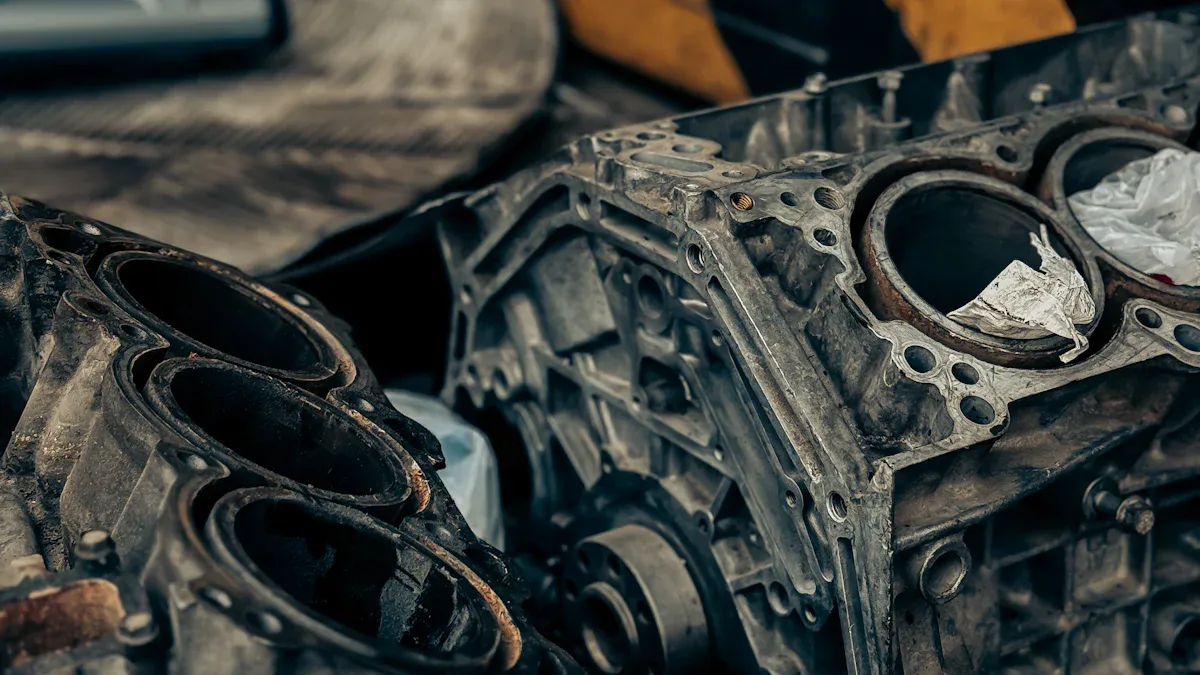
Your engine’s cylinder head plays a critical role. It seals the combustion chambers. A cracked cylinder head causes severe problems. This damage can lead to catastrophic engine failure. Many vehicles suffer from a cracked cylinder head. Early detection of a cracked cylinder head is very important. You prevent further damage and higher repair costs. Understanding cracked cylinder head symptoms helps you act fast. You protect your engine from serious harm.
Understanding the Cylinder Head
What is a Cylinder Head
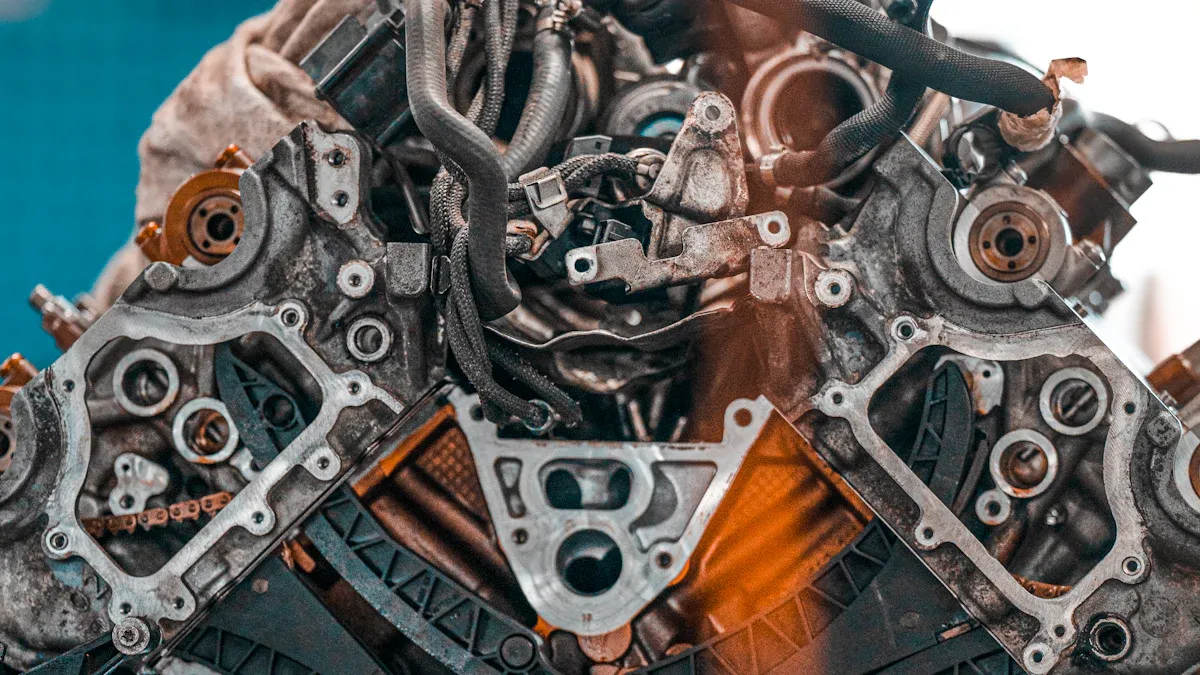
The cylinder head is a vital part of your engine. It sits on top of the engine block. Think of it as the “brain” of your engine’s combustion process. It forms the roof of the combustion chamber. This part houses many important components. You will find spark plugs here. It also contains passages for air and exhaust. These passages ensure a clean air/fuel mixture enters for combustion. They also make sure spent exhaust gases leave the combustion chamber. The cylinder head includes coolant passages. These passages prevent overheating. It also has oiling passages for component lubrication. You will also find valves, springs, and sometimes the camshaft here. These parts control air intake and exhaust. The cylinder head seals the combustion chamber. It controls the gas exchange process.
Why a Cracked Cylinder Head is Serious
A cracked cylinder head is a very serious problem for your engine. Ignoring a cracked cylinder head can lead to severe engine damage. Cracks allow coolant to enter cylinders and the engine block. This contaminates your engine oil. Coolant contamination causes major engine problems. It can even cause pitting and damage to the engine block itself. If coolant enters the cylinders, your engine burns it off. This damages the cylinders. Depending on where the cracks are, they can also damage valves. This reduces engine efficiency. It leads to further issues. You might need extensive repairs if you ignore a cracked cylinder head. You may need to replace more than just the cylinder head and gasket. This is necessary to restore proper combustion sealing. It also prevents additional damage. A damaged cylinder head impairs your engine’s ability to dissipate heat. This causes overheating. Increased stress and heat from a compromised cylinder head can harm other critical engine components. These include pistons, valves, and the engine block itself.
10 Cracked Cylinder Head Symptoms
You need to recognize the signs of a cracked cylinder head early. This helps you prevent more serious engine damage. Here are 10 common cracked cylinder head symptoms you should watch for.
Engine Overheating
You might notice your engine temperature gauge consistently reads high. Steam could even come from under your hood. This means your engine cannot cool itself properly. Persistent overheating is a key indicator of a serious problem. Engine temperatures exceeding 280 degrees Fahrenheit cause significant damage. Aluminum cylinder heads are especially susceptible to cracking or warping at these high temperatures. A cracked cylinder head often causes this issue.
White Exhaust Smoke
You may see thick, white smoke coming from your tailpipe. This is especially true after your engine warms up. This white smoke is not normal condensation. It means coolant is burning inside your engine’s combustion chambers. This is a clear sign of a problem, possibly a cracked cylinder head. The smoke will have a distinct, sweet smell.
Coolant Loss (No External Leak)
Your coolant reservoir level drops, but you see no puddles under your car. This indicates your coolant is going somewhere internally. You might not see a visible coolant leak on the ground. However, the coolant could be leaking into your engine’s crankcase or combustion chambers. This internal coolant leak is a classic symptom.
Milky Oil or Sludge
Check your engine oil dipstick. If the oil looks like a milkshake, you have a problem. You might also see a thick, whitish sludge under your oil filler cap. This milky appearance means coolant is mixing with your engine oil. This contamination is extremely serious. Your oil loses its ability to lubricate engine parts. This can lead to severe engine damage, often from a cracked cylinder head.
Reduced Engine Performance
Your engine might feel sluggish. It could lack power. You might notice poor acceleration. This indicates a loss of compression. It also points to improper combustion. A cracked cylinder head can cause this. The engine cannot produce its usual power.
Rough Idling or Misfires
Your engine might shake. It could run unevenly. The check engine light might even come on. This happens when coolant enters a cylinder. It can foul a spark plug. It also affects combustion. These are common cracked cylinder head symptoms. They indicate serious combustion issues.
Sweet Exhaust Smell
You might notice a distinct sweet odor from your exhaust. This is a strong indicator. Burning coolant has a sweet smell. This confirms coolant is burning inside your engine. It points to a breach in the cooling system.
Bubbles in Coolant Reservoir
Watch your coolant reservoir when the engine runs. You might see bubbles appear. This means combustion gases are leaking into the cooling system. This is a very strong indicator. It shows a breach between the combustion and cooling systems.
Discolored Spark Plugs
Inspect your spark plugs. They might show unusual discoloration.
Fouling deposits from oil, antifreeze or excess fuel can coat the spark plug. This coating changes their color. This symptom helps you pinpoint which cylinder might have a problem. It can indicate a cracked cylinder head.
External Fluid Leaks
You might notice visible puddles of coolant or oil around the cylinder head area. This means a crack extends to the outside of the head. This external coolant leak is often easier to spot. It still requires immediate attention.
Common Causes of a Cracked Cylinder Head
You now understand the symptoms of a cracked cylinder head. It is also important to know what causes this serious problem. Several factors can lead to a cracked cylinder head.
Severe Engine Overheating
Severe engine overheating is the most common cause of a cracked cylinder head. When your engine gets too hot, the metal expands beyond its limits. This creates immense stress. This stress can cause cracks in the cylinder head. Many things can cause overheating. A malfunctioning thermostat might get stuck closed. This stops hot coolant from leaving the engine. A failing water pump also prevents coolant from moving. This makes your engine overheat quickly. You might also have a coolant leak. This means you do not have enough coolant. Your engine cannot cool itself properly. Regularly checking your coolant levels is a small step. It can save you from very high repair costs.
Thermal Shock
Thermal shock is another major cause of a cracked cylinder head. This happens when your engine experiences rapid temperature changes. For example, you might pour cold coolant into a very hot engine. The sudden cold makes the hot metal contract too quickly. This rapid contraction creates stress. This stress can easily lead to cracks in the cylinder head. You should always let your engine cool down before adding coolant if it has overheated.
Manufacturing Defects
Sometimes, a cracked cylinder head is not your fault. It can happen due to manufacturing defects. These defects are flaws in the metal or casting process. They create weak spots in the cylinder head. These weak spots can crack under normal engine stress. This is less common, but it does happen.
Improper Maintenance
Poor maintenance practices often contribute to a cracked cylinder head. You must keep your cooling system in good shape. If you do not, your engine can overheat. This leads to a cracked cylinder head. You need to check your coolant levels often. You should also make sure your cooling system has no air pockets. Air pockets create hot spots in the engine. These hot spots can cause localized overheating and cracking. Regular maintenance helps prevent these issues.
Cracked Cylinder Head Repair Costs: Factors
Many factors influence the final cost of a cracked cylinder head repair. Understanding these factors helps you prepare for the expense. You need to consider your vehicle, the engine, and the damage itself.
Vehicle Make and Model
Your car’s make and model greatly influence the cost. Different cars have different costs. High-performance vehicles or luxury cars often have higher price tags. Their designs are intricate. Their parts are specialized. This means a cracked cylinder head repair for these vehicles costs more.
Engine Type and Complexity
Engine type also affects your cracked cylinder head repair bill. V-type engines, like V6 or V8, usually cost more. They have two cylinder heads. This effectively doubles the parts cost. You often need to replace both heads for engine balance. This is true even if only one is damaged. Complex engines demand more work. This leads to increased labor time.
Severity of the Crack
The crack’s severity directly impacts your repair cost. Small cracks in cast iron or aluminum heads are often repairable. Mechanics use pinning. Larger cracks in aluminum heads need TIG welding. Cast iron heads with large cracks can use furnace welding. Very deep cracks or cracks in critical areas mean you need a full replacement. This ensures long-term reliability. Visible cracks may be observed during removal. This impacts repair versus replacement decisions.
Regional Labor Costs
Where you live also changes the cost. Labor rates for automotive repairs vary by region. For example, the West has high mechanic hourly rates. California can reach $155-$175 per hour. This significantly impacts your total cracked cylinder head cost.
Parts Cost: New vs. Remanufactured
You can choose between new or remanufactured parts. New cylinder heads cost more. Remanufactured parts are often a more affordable option. They can save you money on your cracked cylinder head repair.
Average Cracked Cylinder Head Repair Costs
You need to understand the potential costs when you face a cracked cylinder head. Repair expenses vary greatly. Many factors influence the final bill. You can expect different price ranges for minor fixes versus full replacements.
Minor Crack Repair Cost
Sometimes, you have a small crack. Mechanics can often repair these minor cracks. They use specialized techniques. Welding is one common method. Pinning is another. These methods fix the crack without replacing the entire head.
Repair Method | Average Cost Range |
|---|---|
Welding | Around $200 |
Pinning | $150 to $250 |
You can see these repairs are much more affordable. They are a good option if the damage is minimal. This type of cracked cylinder head repair saves you money.
Major Crack Repair Cost
A major crack usually means you cannot repair the cylinder head. The damage is too severe. You will likely need a full replacement in these cases. Trying to fix a large crack often leads to more problems later. The integrity of the metal is compromised. This means a “major crack repair” often translates into the cost of a replacement.
Cylinder Head Replacement Cost
Replacing a cylinder head is a significant expense. The cost depends on your vehicle and engine type. For example, replacing a cylinder head on a diesel engine can cost anywhere from $1,500 to $5,000 or more. The average cost for a cylinder head replacement can range from a few hundred to a couple of thousand dollars. This broad range accounts for various influencing factors. You might even hear a dealer quote over $5000 plus tax for the fix. This shows you the potential for very high costs. This is especially true for complex engines or luxury vehicles.
Related Repair Costs
A cracked cylinder head rarely causes damage in isolation. You often face additional repair costs. You will need new gaskets. You also need fresh engine fluids. Coolant and oil are essential. Sometimes, the overheating that caused the crack damages other engine components. You might need new valves or even piston rings. These related repairs add to your total bill. They make the overall cracked cylinder head repair more expensive.
Repair vs. Replacement: The Decision
You face a big decision when your engine has a cracked cylinder head. Should you repair it or replace it? This choice depends on several factors. You must consider the damage, your budget, and your vehicle’s overall condition.
When to Repair a Cracked Cylinder Head
You can often repair a cracked cylinder head if the damage is minor. This is usually more cost-effective than a full replacement. Repairing a cracked cylinder head saves you money when the damage is small.
Condition | Repair Cost (Minor Cracks) | Replacement Cost (Average) |
|---|---|---|
Minor Damage | $500 – $1,500 | $1,500 – $3,500 |
For minor cracks, you have several repair options:
Welding
Resurfacing
Using specialized sealants and products
These methods can fix the problem without needing a new part.
When to Replace the Cylinder Head
You should replace the cylinder head when the crack is severe. Multiple cracks or cracks in critical areas make repair unreliable. If the crack is too deep, or if it affects valve seats, replacement is the best choice. A replacement ensures your engine runs correctly and reliably. You avoid future problems this way.
Considering Engine Replacement
Sometimes, the damage from a cracked cylinder head is too extensive. It might affect other engine components. The cost of repairing or replacing the cylinder head, plus other damaged parts, can add up. If the total repair cost approaches the price of a new or remanufactured engine, you should consider a full engine replacement. This might be the most economical long-term solution for your vehicle.
You must address a cracked cylinder head promptly. This prevents catastrophic engine failure and severe engine damage. Watch for white smoke, milky oil, and coolant loss. These are key cracked cylinder head symptoms. Repair costs depend on your vehicle and the damage. Seek professional diagnosis immediately if you suspect a cracked cylinder head. Regular maintenance prevents many issues. Consider remanufactured parts for cost savings.
