

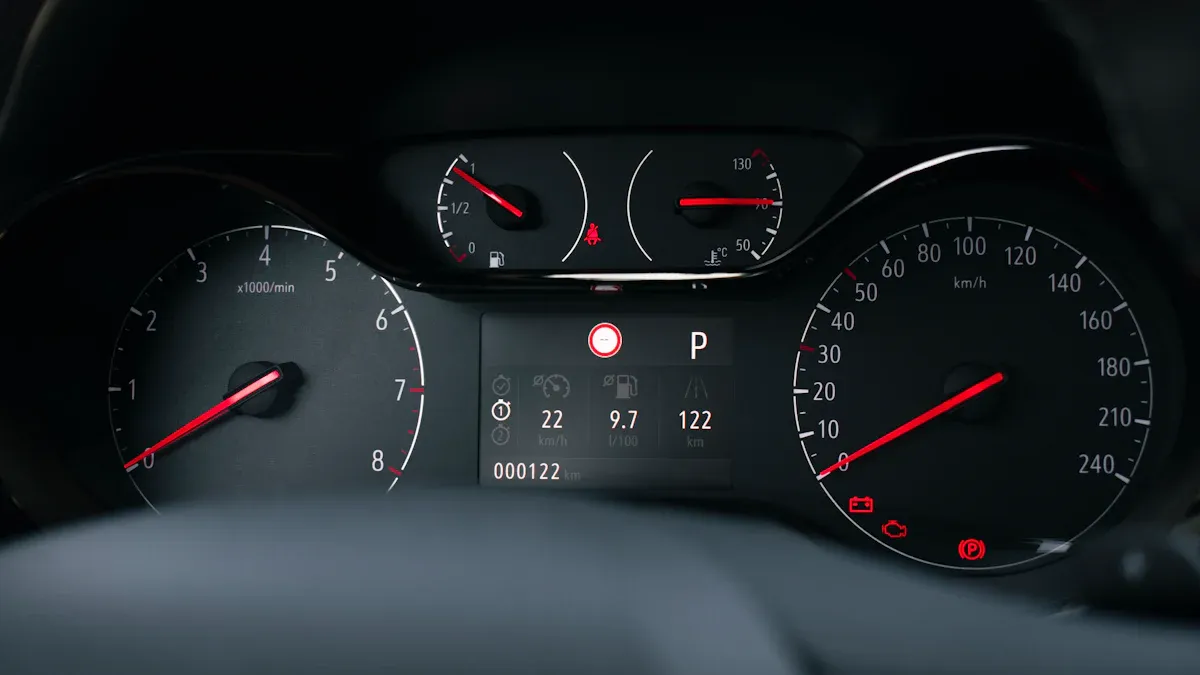
When your traction control light comes on, it signals something important. It shows either the system is actively working or there is a malfunction. Ignoring this warning light comes on can put your safety at risk, especially during challenging driving conditions. You should never overlook a warning light. Fixing a tcs light is often straightforward. For example, repairs for systems like Stabilitrak, similar to your traction control system, usually cost between $80 and $200. This is a reasonable price for such a critical tcs component. This guide offers 11 practical solutions. You will learn to understand, diagnose, and fix your tcs issues. This ensures safer journeys for you.
Your Traction Control System
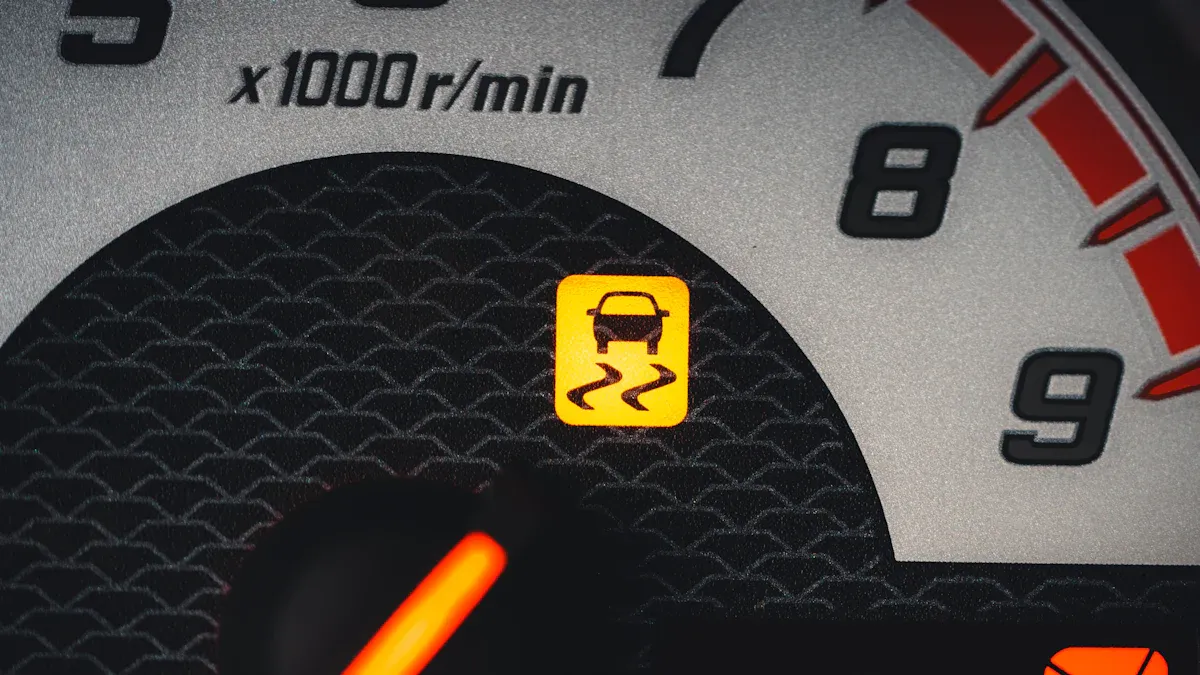
What the Traction Control Light Indicates
When you see the traction control light on your dashboard, it tells you two things. First, your car’s traction control system is actively working. It helps you maintain grip on slippery roads. Second, the light might signal a problem with the system itself. This means a component of your traction control system needs attention.
Why the TCS is Crucial for Safety
Your car’s tcs is a vital safety feature. It prevents your wheels from spinning when you accelerate. This is especially helpful on wet, icy, or loose surfaces. The tcs system works by detecting wheel slip. When a wheel loses traction, the tcs applies the brakes to that specific wheel. It can also reduce engine power. This helps you keep control of your vehicle. Imagine driving on a rainy day. Without the tcs, your wheels might spin freely, making you lose steering control. The tcs intervenes quickly to prevent this.
The tcs relies on several key parts to do its job. Wheel speed sensors detect changes in individual wheel speeds. This tells the tcs if a wheel is losing grip. An Electronic Control Unit (ECU) processes this data. It acts like the brain of the tcs. An electrohydraulic brake actuator then applies braking to specific wheels. This component often works with your Anti-lock Braking System (ABS). An Automatic Traction Control (ATC) valve receives signals from the ECU. It initiates braking on affected wheels. All these parts work together to ensure your tcs functions correctly. A properly working tcs system significantly improves your car’s stability. It helps you drive more confidently in challenging conditions. You rely on the tcs to keep your car stable. Ignoring issues with your tcs can compromise your driving safety. This system is a cornerstone of modern vehicle safety technology.
Check Tire Pressure
Low Tire Pressure Impact on TCS
Your car’s tires are crucial for safety. Incorrect tire pressure can significantly affect your vehicle’s performance. It also impacts how your traction control system (tcs) works. When one tire has lower pressure than the others, it rotates at a different speed. The tcs sensors detect this difference. They interpret it as a loss of traction. This can cause your traction control light to come on. Incorrect tire pressure is a frequently reported reason for the traction control light to illuminate. Other common causes for traction control faults include faulty wheel speed sensors and improper tire sizes. The system thinks there is a problem even when there isn’t one. This false alarm means your tcs might not work correctly when you truly need it.
Inspecting and Adjusting Tire Pressure
Checking your tire pressure is a simple task. You can do it yourself. First, find the recommended tire pressure for your vehicle. This information is usually on a sticker inside your driver’s side door jamb. You can also find it in your car’s owner’s manual. Use a reliable tire pressure gauge. Check the pressure when your tires are cold. This means your car has not been driven for at least three hours. Unscrew the valve cap on each tire. Press the gauge firmly onto the valve stem. Read the pressure. If the pressure is too low, add air until it matches the recommended level. If it is too high, release some air. Proper tire pressure ensures your tcs receives accurate information. This helps your car maintain stability and keeps you safe on the road.
Inspect Wheel Speed Sensors
Wheel Speed Sensor Function
Your car’s wheel speed sensors are vital. They sit at each wheel’s hub or brake assembly. These sensors watch how fast each wheel turns. They send this information to your car’s computer. The Traction Control System (TCS) uses this data. It finds wheel spin when you accelerate. This helps keep your car stable. It ensures good traction, especially on slippery roads. A wheel speed sensor measures wheel rotation. It sends this data to the electronic control unit (ECU). This data is key for traction control. It helps detect wheel slippage. Then, the system can redistribute power. This maintains stability and grip. If these sensors malfunction, the TCS gets bad data. This causes slow or wrong responses to slipping wheels. It can also cause power problems or turn off the system.
Diagnosing Faulty Wheel Speed Sensors
You need to check these sensors if your traction control light stays on. A faulty wheel speed sensor often triggers specific trouble codes. You can use an OBD-II scanner. It reads these codes from your car’s computer. For example, code C0055 points to a rear wheel speed sensor circuit problem. Other codes include C0035 for the left front sensor. C0040 is for the right front sensor. C0045 indicates the left rear sensor. C0050 means the right rear sensor. You might also see BCM-0010 for the left front wheel sensor. BCM-0020 is for the right front. BCM-0030 is for the left rear. BCM-0040 is for the right rear. These codes tell you which sensor has an issue. They are common reasons the traction control light comes on.
Cleaning and Checking Sensors for Damage
After checking for codes, you can do a physical traction control inspection. Locate each wheel speed sensor. They are usually near the brake calipers or wheel hubs. Look for dirt, rust, or debris on the sensor and its wiring. You can gently clean the sensor with a soft brush and electrical contact cleaner. Also, check the wiring for any cuts, fraying, or loose connections. A damaged wire can stop the sensor from working. Make sure the sensor is securely mounted. Sometimes, a simple cleaning or tightening can fix the problem. If you find physical damage, you will need to replace the sensor.
Examine the Steering Angle Sensor
Steering Angle Sensor Role
Your car’s steering angle sensor is a key part of its safety systems. It tells your car’s computer how much you are turning the steering wheel and in what direction. This information is vital for systems like Electronic Stability Control (ESC). The ESC uses data from this sensor to know if you are losing control. It compares your steering input with the car’s actual movement. If your intended direction does not match the car’s path, the ESC can act. It applies brakes to specific wheels. This helps “steer” the car back on track. It reduces the risk of skidding. The steering angle sensor also provides input to the traction control system (tcs). It can connect to a control module or communicate directly on the car’s network. This network is called the Controller Area Network (CAN).
Symptoms of a Malfunctioning Sensor
A faulty steering angle sensor can cause several problems. You might see inconsistent readings on your car’s display. The stability control warning light will often turn on. This shows a problem with the electronic stability program. You might also notice issues with other safety features, like your traction control. The car might lose stability and traction control, especially when you turn sharply or drive on slippery roads. Sometimes, the ABS might activate unexpectedly during normal driving. This makes the brake pedal pulsate. You could also feel changes in how the steering feels. This happens because the sensor sends wrong information. A loose steering wheel with “play” can also be a sign. This sensor can fail. For example, one sensor in a 2008 Trailblazer failed at about 95,000 miles. Experts say this is a bit early but not unusual.
Addressing Sensor Issues
If you suspect a problem with your steering angle sensor, you need to address it. First, check for any trouble codes using an OBD-II scanner. These codes can point to a specific sensor issue. Sometimes, after a front-end alignment, the car drives differently. This might mean the sensor needs resetting or realigning. A professional mechanic can diagnose the sensor. They can check its signals and make sure it works correctly. If the sensor is faulty, you will need to replace it. Replacing a steering angle sensor helps restore your car’s stability and the proper function of your tcs. This ensures your car’s safety systems work as they should.
Evaluate the ABS Module
ABS and Traction Control System Connection
Your car’s anti-lock braking system (ABS) and traction control system (tcs) work closely together. The anti-lock braking system stops your wheels from locking up when you brake hard. This helps you steer. The tcs helps you accelerate without your wheels spinning on slippery roads. Both systems use wheel speed sensors. These sensors tell the car’s computer how fast each wheel is turning. If these sensors fail, both your ABS and tcs warning lights might come on. This shows how connected they are. The ABS module is like the brain for both. It takes information from the wheel speed sensors. It then controls the braking system. This control is very important for how the traction control system works.
Signs of ABS Module Problems
A problem with your ABS module can cause issues with your tcs. Modern cars link the ABS with the tcs system and electronic stability systems. If the ABS module fails, it cannot talk to these systems correctly. This can cause your tcs to stop working or give you errors. You might see several signs of an ABS system malfunction:
The traction control system warning indicator light will turn on. This is a common sign of a serious problem.
Your tcs might not turn off or on when you try. It could stay on even if you switch it off.
You might lose tcs system features. This makes it harder to control your car in bad weather. For example, the tcs will not help you much if your car hydroplanes. The ABS and tcs often share the same module. This means they can show similar problems.
When to Seek Professional ABS Help
If you notice any of these signs, you should get professional help. An ABS module problem affects your car’s safety. You rely on these systems to keep you safe. A mechanic can diagnose the problem. They have special tools to check the ABS module. Fixing the issue quickly ensures your tcs and ABS work correctly. This keeps you safe on the road.
Check the Brake Light Switch
Brake Light Switch Influence on TCS
Your car’s brake light switch does more than just turn on your brake lights. It sends a signal to your car’s computer. This signal tells the computer when you press the brake pedal. The traction control system (tcs) uses this information. It needs to know if you are braking. If the switch fails, the tcs might not get the correct signal. This can confuse the system. It might think you are still accelerating when you are actually slowing down. This incorrect information can cause your traction control light to come on. A faulty brake light switch can also affect other systems. These include cruise control or your anti-lock brakes.
Diagnosing a Faulty Switch
You can often diagnose a faulty brake light switch easily. First, check your brake lights. Ask a friend to stand behind your car while you press the brake pedal. If your brake lights do not come on, the switch is likely bad. You might also notice your cruise control does not work. Sometimes, your car’s computer will store a specific trouble code. You can use an OBD-II scanner to read these codes. These codes can point directly to a problem with the brake light switch. A bad switch can prevent the tcs from working properly.
Simple Switch Replacement
Replacing a brake light switch is often a simple task. You can usually do it yourself. The switch is typically located near the top of your brake pedal arm. You will need to disconnect the wiring harness from the old switch. Then, you can remove the old switch. It usually twists out or unclips. Install the new switch in the same way. Reconnect the wiring harness. Test your brake lights to make sure they work. This simple fix can resolve your traction control light issue. It helps restore full function to your tcs.
Inspect the Throttle Position Sensor
TPS Role in Engine Management
Your car’s throttle position sensor (TPS) plays a vital role in how your engine runs. It monitors the position of the throttle valve. This valve controls how much air enters your engine. The TPS then sends this data to your Engine Control Unit (ECU). The ECU uses this information to adjust various engine parameters. For example, it changes the air-fuel mixture and ignition timing. This ensures your engine operates efficiently. A properly working TPS helps your car accelerate smoothly and maintain a steady speed.
Symptoms of a Bad TPS
A faulty throttle position sensor can cause several noticeable problems. You might experience rough idling or hesitation when you accelerate. Your car could also surge or stall unexpectedly. Sometimes, your check engine light will come on. A faulty TPS can indirectly trigger the traction control light. This happens because the TPS relays information to the anti-lock braking system. This system then supplies the necessary traction aids. If this information is incorrect due to a failing TPS, it affects the tcs operation. This can cause your tcs light to illuminate.
Testing and Replacing the TPS
You can test your TPS with a multimeter. First, locate the sensor, usually on the throttle body. Disconnect its electrical connector. Follow your car’s service manual for specific testing procedures. You will typically measure voltage changes as you manually open and close the throttle. If the readings are inconsistent or show no change, your TPS is likely bad. Replacing the TPS is often a straightforward task. You usually unbolt the old sensor and install a new one. This simple fix can restore proper engine function and turn off your tcs light. It helps your tcs work correctly again.
Look for Vacuum Leaks
How Vacuum Leaks Affect Engine Performance
Your engine needs a precise mix of air and fuel to run well. Vacuum leaks let extra, unmeasured air into the engine. This throws off the air-fuel balance. Your engine then runs “lean,” meaning it has too much air and not enough fuel. You might notice an uneven idle or frequent stalling. Your car could hesitate when you accelerate. Engine misfires are also common. Your fuel efficiency can drop significantly. The engine’s computer tries to fix the problem by adding more fuel. In serious cases, you might have trouble starting your car. You could also lose power when driving. The check engine light usually comes on. This happens because the computer sees strange readings from sensors. Driving with a vacuum leak for too long can damage parts like the catalytic converter. This can also confuse your car’s tcs. The system might misinterpret engine struggles as a loss of traction.
Common Leak Locations
Vacuum leaks can happen in many places. You should know where to look.
Broken vacuum hoses or tubes: These are often the main culprits. Engine heat can make them crack or break.
Leaking gaskets and seals: Gaskets around the intake manifold or throttle body can dry out. This causes leaks.
Faulty components: Parts like EGR valves, fuel pressure regulators, or purge valves can crack. They rely on vacuum to work.
A failing brake booster: This part helps you brake. A broken part inside can cause a vacuum leak. You might notice a hard brake pedal.
Cracked carburetor intake boots: These rubber parts move fuel. Heat and age can make them crack.
Loose intake manifold bolts: Leaks can occur if these bolts are not tight.
Identifying and Repairing Leaks
You can often find a vacuum leak by listening. You might hear a distinct hissing sound from the engine bay. You can also use a smoke machine. This machine fills the intake system with smoke. Smoke will come out where the leak is. Another method involves carefully spraying carburetor cleaner around suspected areas. If the engine RPM changes, you have found a leak. Fixing the leak usually means replacing the damaged hose, gasket, or component. This restores your engine’s proper performance. A well-running engine helps your tcs work correctly. This can turn off your tcs light. A healthy engine ensures your tcs gets accurate information.
Resetting the System
When a Simple Reset Helps
Sometimes, your car’s computer just needs a little nudge. If you fixed a problem, like a faulty sensor, the tcs system might need time to recognize the repair. A simple system reset can resolve a traction control light issue. Your car’s computer might clear minor faults on its own. This happens after a few successful ignition cycles and some steady driving. You can help this process. Drive your car for 10 to 15 minutes at a moderate speed. Include some turns and smooth stops. If the light turns off during this drive, you do not need to do anything else. This shows your tcs is working correctly again. Avoid disconnecting the battery for minor issues. This does not fix the real problem. It can also reset your radio presets or engine idle memory.
Performing a Battery Disconnect Reset
If the light stays on after a repair, or if you suspect a computer glitch, you can try a battery disconnect. This resets your car’s on-board computer. First, make sure your car is off. Open the hood. Locate your car battery. You will see two terminals, one positive (+) and one negative (-). Use a wrench to loosen the nut on the negative battery cable. Carefully remove the negative cable from the battery terminal. Make sure it does not touch any metal parts. Wait for at least 15 minutes. This gives the computer enough time to fully discharge. Reconnect the negative battery cable. Tighten the nut. Start your car. Check if the light is off. This reset can sometimes clear persistent warning lights. It helps your tcs system get a fresh start. This action can sometimes resolve minor electronic issues affecting your tcs. Remember, this might reset your radio stations and other settings. It can also affect your engine’s learned idle settings for a short time.
Common Electrical Issues

Electrical problems often cause your car’s warning lights to come on. Your traction control system (TCS) relies on a steady flow of electricity. Issues like damaged wiring or loose connections can trigger the traction control light. You need to check your car’s electrical system if other solutions do not work.
Low Battery Voltage Effects
Your car’s battery powers all its electrical components. A weak or dying battery can cause many problems. Low battery voltage can make your car’s computer systems act strangely. The TCS module might not get enough power to work correctly. This can cause the system to malfunction. You might notice other electrical issues too, like dim headlights or slow cranking when you start your car. A failing battery can send inconsistent power. This confuses the sensors and modules.
Checking Fuses and Wiring
You should inspect your car’s fuses and wiring. Fuses protect electrical circuits. A blown fuse can cut power to the TCS. You can find your car’s fuse box in the owner’s manual. Check all fuses related to the TCS, ABS, and engine control. You also need to look at the wiring. Damaged wiring or loose connections can interrupt signal flow. This happens at wheel-speed sensor junctions or the module’s power feed. Corroded pins, cracked harnesses, or loose connectors are common culprits. Thoroughly inspect connectors and pins. Clean and adjust them as needed. Low-level signals are sensitive to resistance from dirt, corrosion, or looseness. Wheel speed codes are frequently caused by faulty wiring or connectors. The sensor in the hub is generally robust. Use a multimeter to verify continuity and proper voltage (12 V ± 0.5 V) at the module’s power pin.
Diagnosing Alternator Problems
Your alternator charges your car’s battery while the engine runs. A faulty alternator means your battery will not stay charged. This leads to low battery voltage. An alternator problem can cause the same issues as a weak battery. You might see a battery warning light on your dashboard. Your car’s electrical systems, including the TCS, will struggle to function. You can test your alternator with a multimeter. It should produce around 13.5 to 14.5 volts when the engine runs. If it produces less, you likely have an alternator problem.
Other Reasons the Traction Control Light Comes On
Sometimes, the traction control light illuminates for less common but equally important reasons the traction control light comes on. You should understand these to diagnose your vehicle correctly.
Accidental TCS Button Press
You might accidentally press the Traction Control System (TCS) button. This happens more often than you think. When you press the button to turn off the tcs system, an ‘OFF’ indicator appears on your dashboard. This confirms the system is deactivated. The TCS light will illuminate, often with an ‘OFF’ sign underneath it. This tells you the tcs system is currently disengaged. If you see this, simply press the button again to reactivate the system. The light should then turn off.
Fuel Economy and Sensor Issues
A decrease in fuel economy can also trigger the traction control light. If you notice your car using more gas, it might suggest a clogged air filter or a faulty oxygen sensor. These issues affect your engine’s performance. They can indirectly cause the traction control system to react. Your car’s computer might misinterpret engine struggles as a loss of traction. This can cause the light to come on.
StabiliTrak System Concerns
If the traction control light remains on, it could indicate a problem with your StabiliTrak system. This system works with your traction control to maintain vehicle stability. A steering angle sensor malfunction can cause the light to illuminate. The system relies on this sensor to understand your steering wheel’s position for stability control. If it fails, the system cannot maintain vehicle stability during your driving. Issues with the ABS module or brake control module can also trigger the light. These modules are crucial for both ABS and traction control. Their malfunction can prevent proper detection of traction loss or application of braking power to individual wheels. Wiring or electrical problems, such as corroded connectors or damaged wiring, can disrupt signals between sensors and the traction control system. This leads to its improper functioning and the illumination of the warning light.
You must not ignore the traction control light. It plays a crucial role in maintaining your vehicle’s stability and ensuring your safety. Some solutions are simple DIY fixes. Other issues require professional attention. Prompt action is always key. Prioritize vehicle maintenance. Address warning lights immediately. This ensures safe and confident driving. Fixing a tcs light helps you stay secure on the road.
FAQ
What does the traction control light mean when it comes on?
The traction control light tells you two things. It shows the system is actively working to prevent wheel slip. It can also signal a problem or malfunction within your vehicle’s stability systems.
Can I drive with the traction control light on?
You can drive with the light on, but you should not ignore it. Your car’s stability systems might not work correctly. This can make driving unsafe, especially in bad weather. Get it checked soon.
How can I reset my traction control light?
You can try a simple reset. Disconnect your car’s negative battery cable for about 15 minutes. This clears the computer’s memory. Reconnect the cable and start your car to see if the light turns off.
When should I seek professional help for my traction control light?
You should seek professional help if the light stays on after basic checks. This includes checking tire pressure or resetting the system. Complex issues like ABS module problems or faulty sensors need expert diagnosis.
Does low tire pressure affect traction control?
Yes, low tire pressure affects traction control. If one tire has lower pressure, it spins at a different speed. Your car’s sensors detect this. They can mistakenly think you are losing traction. This causes the light to come on.
