


You turn the key, but your car won’t start. That frustrating silence often signals one of many potential critical failures. This guide empowers you by identifying the 11 common reasons your car won’t start. You’ll learn about your car’s battery, as a dead car battery or electrical issues frequently prevent your car from starting its engine. The starter motor helps the engine start, so problems with the starter or the car’s alternator can also lead to critical failures and stop the engine. You’ll understand ignition system failures, as the ignition system is key to starting the engine. Fuel delivery issues can also cause critical failures and stop the engine. Each section details symptoms and actionable troubleshooting steps for your car’s problems, from simple checks to professional diagnosis.
Key Takeaways
A dead car battery or corroded battery terminals are common reasons a car will not start. Check these first.
Problems with the starter motor or alternator can stop your car from starting. Look for clicking sounds or dim lights.
Fuel issues, like a clogged fuel filter or a bad fuel pump, prevent the engine from getting gas. This stops the car from starting.
Worn spark plugs, bad ignition coils, or a faulty immobilizer system can stop your car from starting. These parts help the engine ignite fuel.
Always check simple things first, like the gear position or a locked steering wheel. If problems continue, a professional mechanic can help.
Dead Car Battery: A Common Critical Failure
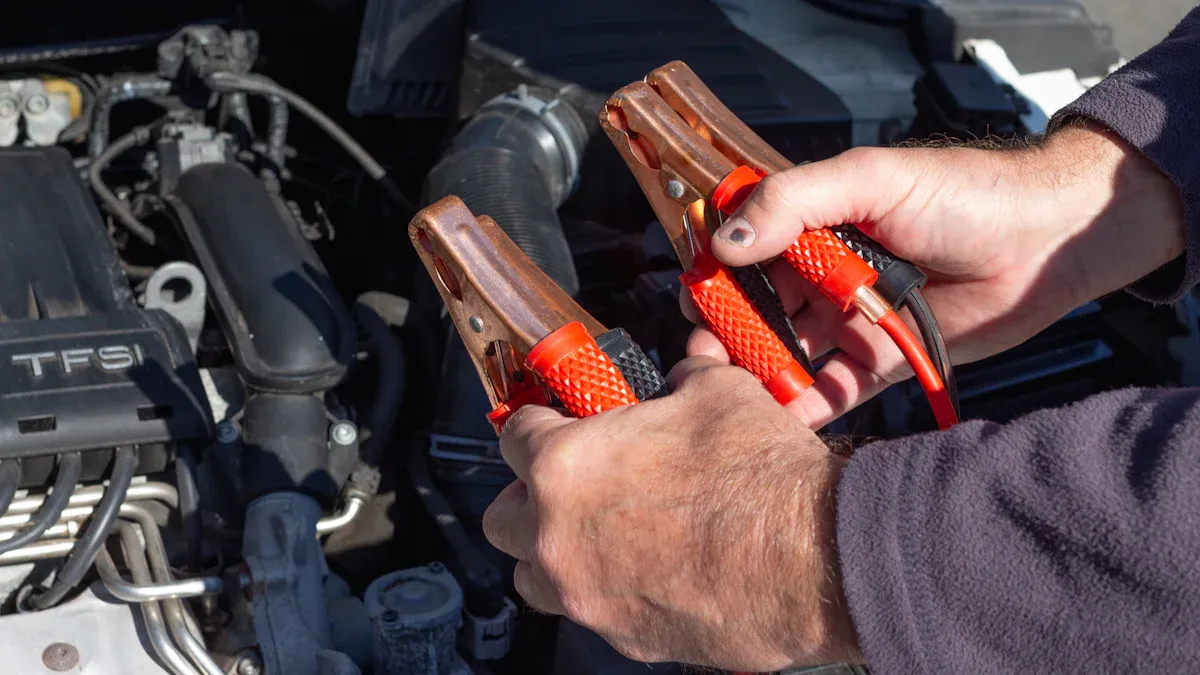
A dead battery is one of the most common reasons your car won’t start. You turn the key, but nothing happens. This often points to a power problem. A healthy battery provides the electrical current your car needs to crank the engine and get it running. When your battery fails, your car simply cannot start.
Symptoms of a Dead Battery
You will notice several signs if your car battery is dead or dying. Your car lights may not turn on at all, or they might appear very dim. When you turn the key, you might hear a rapid clicking sound. This sound comes from the starter trying to engage the engine with insufficient power. Sometimes, you hear no sound at all. You can also check your battery’s voltage. A healthy 12-volt car battery should maintain a voltage range of 9.6 to 10.5+ volts when under a load for 30 seconds straight. Here is what different voltage readings mean for your battery’s charge:
State of Charge | Voltage (Volts) |
|---|---|
100% | 12.7 – 13.2 |
75% | 12.4 |
50% | 12.1 |
25% | 11.7 |
Discharged | 0 – 11.6 |
What to Do for a Dead Battery
If you suspect a dead battery, you can try jump-starting your car. You will need jumper cables and another vehicle with a working battery. Connect the cables correctly, then try to start your car. If your car starts, let it run for at least 15-20 minutes to allow the alternator to recharge the battery. However, a jump-start is often a temporary fix for underlying battery problems. Car batteries generally last between three and five years. In cooler climates, batteries can last five years or more. In hot climates, batteries typically last around three years. If your battery is old, you likely need a replacement. Ignoring these issues can lead to more frustrating problems later. If your car won’t start again after a jump, you probably need a new battery.
Corroded or Loose Battery Terminals
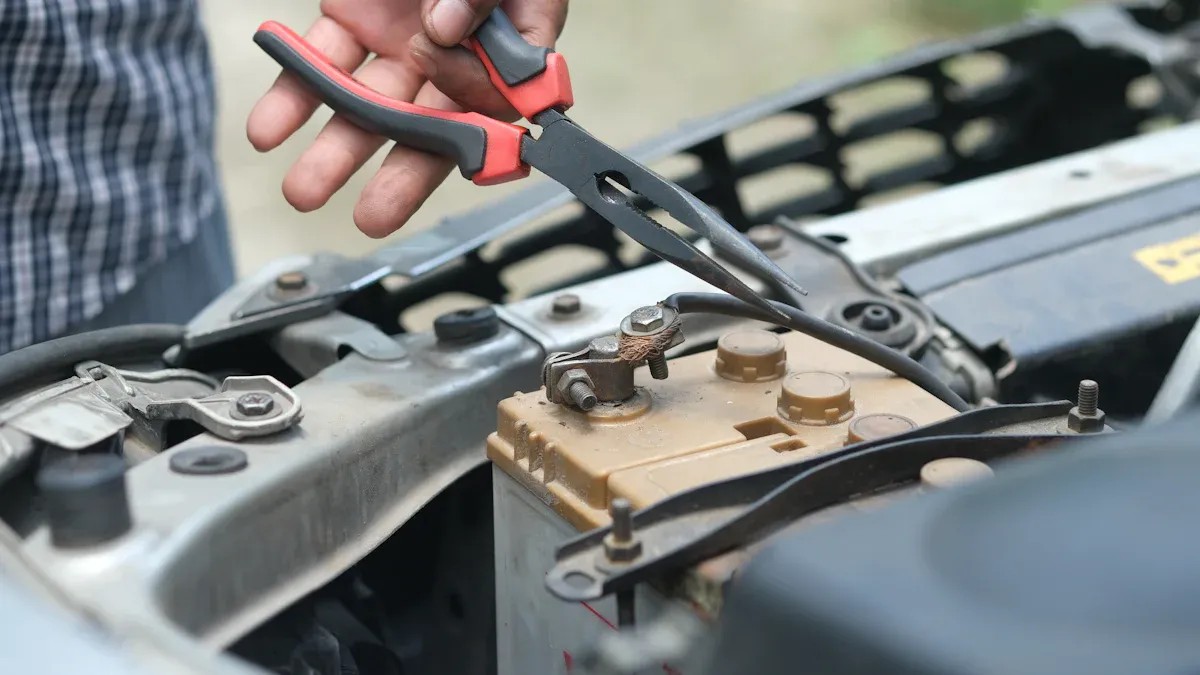
Corroded or loose battery terminals represent another critical failure when your car won’t start. Even a fully charged battery cannot power your car if the connection is poor. Clean and secure connections are vital for your car’s electrical system. These issues prevent the proper flow of electricity from the battery to the starter and other components. This stops your engine from turning over and prevents it from starting.
Diagnosing Battery Terminal Issues
You can often diagnose battery terminal issues with a quick look. Look for a white or bluish-green powdery substance around the battery posts and cable clamps. This is corrosion. Loose terminals also cause problems. Try to wiggle the battery cables. They should not move easily. If they are loose, they cannot send enough power to the starter motor. This means your car will not start its engine. You might hear a clicking sound from the starter when you turn the key, or nothing at all. These symptoms are similar to a dead battery, but the root cause is different. These connection problems prevent your car from getting the power it needs to start the engine.
Fixing Battery Terminal Problems
Fixing corroded or loose battery terminals is a straightforward task. First, ensure your car is off. Wear gloves and eye protection. Disconnect the negative battery cable first, then the positive. Follow these steps to clean and secure your battery connections:
Use a wire brush or a battery terminal cleaning tool. Scrub away all corrosion from the battery posts and cable clamps.
You can also use a mixture of baking soda and water to clean the corrosion.
Rinse with clean water and dry thoroughly.
Reconnect the positive cable first, then the negative. Make sure both connections are tight. You should not be able to wiggle them. This ensures a strong electrical connection. A clean connection allows the battery to send full power to the starter motor, helping your engine start reliably. This helps the engine start. Regular checks can prevent these issues from stopping the engine from starting. ✨
Faulty Starter Motor
A faulty starter motor is another one of the critical failures that can leave your car won’t start. The starter is a small electric motor. It turns the engine over to begin the combustion process. When you turn your key or push the start button, you activate the starter. It then engages the flywheel, which rotates the engine. If the starter has problems, your car’s engine will not turn over.
Signs of a Bad Starter Motor
You will notice distinct signs if your starter is failing.
Clicking Sound: You might hear a single, loud click when you try to start the car. This often means the starter solenoid receives power but cannot send enough to the starter motor.
Grinding Noise: A grinding sound suggests the starter gear is not engaging the engine’s flywheel correctly. This can damage both parts.
No Sound: Sometimes, you hear nothing at all. This indicates a complete electrical failure to the starter or a completely seized starter motor.
Dimming Lights: Your dashboard lights might dim when you try to start the car. This shows the starter is drawing power but not effectively turning the engine. These issues prevent your car from starting its engine.
Next Steps for a Faulty Starter
If you suspect a faulty starter, you should take specific steps. First, avoid repeatedly trying to start the car. This can drain your battery further or cause more damage to the starter or flywheel. You can try to gently tap the starter with a hammer or wrench. This sometimes dislodges a stuck component inside the starter. However, this is a temporary fix for a faulty starter.
You should also check the electrical connections to the starter. Ensure they are clean and tight. Loose or corroded wires can prevent the starter from getting power. If these checks do not help, you likely need a new starter. Replacing a starter can be complex. It often requires lifting the car and accessing the engine from underneath. For these problems, you should call a professional mechanic. They can properly diagnose the issues and replace the starter. This ensures your car will start reliably again.
Bad Alternator Preventing Car Start
Your car relies on the alternator to charge the car battery. It also powers all the car’s electrical systems while the engine runs. Think of it as a small generator. If your alternator fails, your car battery will eventually drain. This means your car won’t start. A bad alternator can leave you stranded.
How to Spot Alternator Failure
You can spot several signs if your alternator has gone bad. You might notice your headlights dim. Your interior lights could also appear faint. Other electrical components, like your radio or power windows, might work slowly or not at all. A common sign is a dead battery, because the alternator is not recharging it. You might also hear a whining or grinding noise from under the hood. This noise comes from a failing bearing inside the alternator.
Your dashboard can also give you clues. A failed alternator can cause many warning lights to turn on. You might see the red battery charging light. Other lights like the Check Engine Light, ABS light, VSC (Vehicle Stability Control) light, airbag light, or traction control light can also illuminate. These lights come on because modern car electrical systems are very sensitive to voltage changes. If the alternator isn’t charging correctly, the voltage drops. This triggers various warning indicators. In older cars, a blown fuse for the alternator warning light could stop the alternator from working. This meant you might not get an early warning. Then, other electrical issues would appear as the battery drained.
Addressing Alternator Problems
If you suspect a bad alternator, you should get it tested. Many auto parts stores offer free testing for your car’s charging system. If the test confirms your alternator has gone bad, you will need to replace it. A car alternator typically lasts about seven years or 150,000 miles. The quality of the part and how many electronics you use in your car can affect this lifespan. Replacing an alternator can be a complex job. It often involves removing other engine components to access it. For these problems, it is best to call a professional mechanic. They can ensure your new alternator is installed correctly. This will keep your car’s electrical system healthy and help your car start reliably every time.
Clogged Fuel Filter or Low Fuel
Your car needs a steady supply of clean fuel to run. If your car won’t start, fuel delivery issues are a common cause. A clogged fuel filter or simply running out of fuel can prevent your engine from getting the necessary power. Without fuel, your engine cannot ignite and start. These fuel system problems stop your car from moving.
Checking Fuel Delivery Issues
First, check your fuel gauge. You might have simply run out of fuel. This is a common oversight. If your car has fuel, then you should consider a clogged fuel filter. A dirty fuel filter blocks the flow of fuel to the engine. This causes many problems. You can identify a clogged fuel filter by these signs:
You have difficulty starting the car. The car might not start at all if you do not change the filter.
The engine misfires or idles roughly. This happens because the engine gets insufficient fuel.
Your car stalls unexpectedly while you drive.
Other fuel system components, like the electric fuel pump, may fail. The pump overworks trying to push fuel through the clogged filter.
You hear loud or unusual noises from the fuel pump.
The Check Engine Light illuminates. Sensors detect a problem within the fuel system.
Resolving Fuel System Obstructions
If you are out of fuel, the solution is simple: add more fuel to your car. If a clogged fuel filter causes your car’s problems, you need to replace it. A new fuel filter allows fuel to flow freely to the engine. This helps your car start and run smoothly. Replacing a fuel filter can be a straightforward task on some cars. However, on other cars, it might be more complex. If you are unsure, a professional mechanic can replace the fuel filter for you. This ensures your car’s fuel system works correctly. Regular maintenance, including fuel filter changes, prevents these issues and helps your engine start every time.
Faulty Fuel Pump
Your car needs a working fuel pump. This pump sends fuel from the tank to the engine. If the fuel pump fails, your engine will not get the fuel it needs. Your car will not start. This is a critical failure. Without proper fuel delivery, your car simply cannot operate.
Identifying a Failing Fuel Pump
You can often hear signs of a failing fuel pump. Listen for loud noises. You might hear them from the driver’s door when your car idles. You could also hear swirling or gargling noises. These sounds come from the back of the car, near the fuel tank. They might sound like something is about to seize or churn. This sound is not metallic. It usually goes away within seconds. Nasty, horrible, grinding noises also indicate a failing pump. Some people describe these sounds as if the pump is full of rocks. These noises mean the pump is struggling. Even if the fuel pressure seems normal, these sounds point to underlying problems. A pump that does not stay on consistently is also suspect. It might exhibit a ‘hiccup’ in its operation. These issues prevent your engine from getting a steady supply of fuel. Your car will struggle to start or not start at all.
Actions for a Faulty Fuel Pump
If you suspect a faulty fuel pump, you need to address it quickly. You cannot ignore these problems. A failing fuel pump will eventually stop working completely. This will leave your car stranded. You should have a mechanic diagnose the issue. They can test the fuel pressure. They can also check the electrical connections to the pump. Sometimes, a fuel pump fails due to wear and tear or contamination in the fuel. Replacing a fuel pump can be expensive. It can cost $1,000 or more. This cost includes parts and labor. A professional mechanic can replace the pump correctly. This ensures your car gets the proper fuel delivery. It helps your engine start reliably. Do not delay fixing these fuel system problems. Your car needs a healthy fuel pump to run.
Worn Spark Plugs or Ignition Coils
Your car needs a powerful spark to ignite the precise fuel-air mixture inside its engine. This critical process makes your car start and run. Spark plugs are responsible for creating this spark. Ignition coils deliver the high voltage necessary for the spark plugs to fire. If these vital parts wear out or fail, your car will not start. These components are absolutely crucial for igniting the fuel-air mixture in the car’s engine, ensuring proper combustion.
Recognizing Ignition System Wear
You will notice several clear signs if your spark plugs or ignition coils are failing. Your car might misfire, causing the engine to stumble. It could also idle roughly, making the car vibrate more than usual. You might experience a noticeable reduction in engine power. Furthermore, your car’s fuel efficiency could decrease. A common visual sign of severely worn-out spark plugs is thick, black exhaust smoke. This smoke also indicates increased carbon emissions from your engine. These ignition problems directly prevent your engine from running smoothly. They can even stop your car from starting at all. You might also see your “Check Engine” light illuminate on your dashboard. This often points to underlying ignition system issues.
Solutions for Ignition Component Issues
You must replace worn spark plugs and any faulty ignition coils to restore your car’s performance. Spark plugs have varying lifespans depending on their material. Copper spark plugs typically last 25,000-30,000 miles. More durable platinum and iridium spark plugs can last 60,000-100,000 miles or even more. Always consult your car’s owner’s manual for specific recommendations for your vehicle. Replacing spark plugs is often a routine maintenance task you can do yourself. However, replacing ignition coils can be more complex, especially if they are hard to access. If you suspect ignition problems, a professional mechanic can accurately diagnose the exact issue. They can ensure your car’s ignition system works correctly. This helps your car start reliably every time you turn the key.
Immobilizer System Malfunction
Modern car security systems include an immobilizer. This system prevents your car from starting if it detects an unauthorized key or a security breach. It acts like a digital lock. Your car will not start even if the engine cranks. This is a critical failure that can leave you stranded.
Signs of Immobilizer Problems
You will notice specific signs if your immobilizer has problems. The most obvious sign is that your car will not start. You might turn the key, and the engine cranks normally, but it never fires up. Sometimes, you will see a security light or an immobilizer warning light flash on your dashboard. This light often looks like a car with a key inside it. Other times, your dashboard lights might come on, but the engine does nothing when you try to start it. These issues indicate the immobilizer is preventing the engine from running.
Troubleshooting Immobilizer Issues
When you try to start your car, the immobilizer system follows a specific sequence.
The antenna coil in your ignition powers a transponder chip inside your key fob.
This chip broadcasts its unique security code.
The antenna coil receives this code and sends it to the Engine Control Unit (ECU).
The ECU compares this code to the authorized code it has stored.
If the codes match, the ECU allows the fuel and ignition systems to activate, and your engine can start.
If the codes do not match, the ECU stops the fuel pump and starter motor. This prevents the engine from firing up.
If you face immobilizer problems, first try using a spare key. Sometimes, the transponder chip in your primary key can become damaged. If the spare key works, your original key is likely the issue. You can also check your car‘s manual for specific immobilizer troubleshooting steps. If these simple steps do not work, you likely have a more complex electrical issue. You should contact a professional mechanic. They have specialized diagnostic tools to reset or repair the immobilizer system.
Blown Fuses or Electrical Glitches
Your car has many electrical components. Fuses protect these parts. A blown fuse can stop a specific system from working. Sometimes, this prevents your car from starting. Various electrical problems can cause this.
Pinpointing Electrical Failures
You need to check your car’s fuse boxes. These are usually under the hood or dashboard. Look for a fuse with a broken wire inside. This means it is blown. Many things cause blown fuses. You might have used a fuse with the wrong amperage. This can make it blow. A short circuit in the electrical system is another cause. This happens with a poor connection between two wires. Malfunctioning electrical devices can cause this. Exposed wires touching fluids also create shorts. Fraying wire insulation is also a problem. Worn-out wiring can expose the conductor. It can touch the car’s metal frame. This causes a short circuit. These electrical issues stop your car from getting power. You might find your radio does not work. Your power windows might fail. These electrical problems can stop your car from starting.
Fixing Blown Fuses and Wiring
You can fix a blown fuse. First, find the correct fuse box. Use your car’s manual to locate it. Pull out the blown fuse. Replace it with a new fuse. Make sure the new fuse has the exact same amperage rating. Never use a higher-rated fuse. This can cause more serious electrical concerns. If a fuse blows again quickly, you have a deeper electrical issue. You might have a short circuit. You might have damaged wiring. Fixing these complex electrical problems often needs a professional. They can diagnose the root cause. They can repair the wiring. This ensures your car’s electrical system works safely. It helps your car start reliably.
Steering Wheel Lock Engaged
Sometimes, your car will not start due to a simple oversight. Many modern cars have a steering wheel lock. This security feature engages when you remove the key or turn off the engine with the steering wheel turned. It prevents someone from driving your car without the key. If this lock is engaged, your ignition will not turn, and your car will not start. You might think you have a major problem, but the solution is often very easy.
How to Tell If Steering Lock is On
You will know your steering wheel lock is on if you cannot turn the steering wheel. It will feel rigid and stuck in one position. When you try to turn the key in the ignition, it will not budge. You might also hear a slight click when you try to force the key. This indicates the lock mechanism is engaged. Your car‘s dashboard might also display a small key or lock icon. This tells you the immobilizer system is active, often linked to the steering lock.
Releasing a Locked Steering Wheel
Releasing a locked steering wheel is a common task. You can easily fix this issue. Follow these steps to unlock your steering wheel:
Insert the correct key into the ignition. Turn it gently while attempting to straighten the wheel. The key should be in the “Off” or “Lock” position.
While turning the key, gently wiggle the steering wheel back and forth. Apply a bit of force, but avoid overexertion. This prevents damage to your car.
As you turn the key and wiggle the steering wheel, continue to apply pressure. Turn the key gently until you hear a click or feel the steering wheel unlock.
Once unlocked, turn the key to the “On” or “Start” position to start the engine.
If the steering wheel remains locked after these steps, or if you suspect a mechanical issue, seek assistance from a professional mechanic.
Transmission in Wrong Gear
You might overlook a simple reason your car won’t start: the transmission is in the wrong gear. Many drivers forget this basic check. Your car has a vital safety feature. It prevents the engine from starting if the transmission is not in ‘Park’ or ‘Neutral’. This is a crucial component. It ensures the vehicle only starts in these specific gears. This prevents unexpected forward or backward lurching. Such lurching could be dangerous.
Verifying Transmission Position
When you turn the ignition or press the start button, your car’s computer and starter circuit verify the transmission’s position. If the gear selector is not in ‘Park’ or ‘Neutral,’ the neutral safety switch interrupts the electrical connection. This prevents the starter motor from engaging. The electrical connection only flows through once you shift the gear into either ‘Park’ or ‘Neutral’. This system protects you and others around your car.
Correcting Gear Selection
If your car does not start, first check your gear selector. Make sure it is fully in ‘Park’ (P) or ‘Neutral’ (N). Sometimes, the selector might be slightly out of position. You can try wiggling the shifter. Move it firmly into ‘Park’. Then try to start your car. If it still does not start, try shifting to ‘Neutral’. Then try to start it again. This simple check often solves the problem. It ensures your car meets safety requirements before starting.
This standard specifies the requirements for the transmission shift position sequence, a starter interlock, and for a braking effect of automatic transmissions, to reduce the likelihood of shifting errors, to prevent starter engagement by the driver when the transmission is in any drive position, and to provide supplemental braking at speeds below 40 kilometers per hour (25 miles per hour).
The engine starter will be inoperative when the transmission shift position is in a forward or reverse drive position. This is a key safety measure. It prevents the car from moving unexpectedly. Always confirm your gear selection before attempting to start your car. This habit keeps you safe and avoids unnecessary frustration.
What To Do if Your Car Still Won’t Start
You have tried many troubleshooting steps. Your car still won’t start. You might need professional help. You have checked the battery, terminals, and fuel. You have also looked at the starter and ignition. If your car still does not respond, it is time to consider expert assistance.
When to Call a Professional Mechanic
Understanding when to seek help is as crucial as the fix itself.
You should call a professional mechanic if:
Your car consistently fails to start despite your best efforts.
You notice persistent issues like smoke.
You notice strong gasoline smells.
Warning lights are present.
These signs mean a deeper problem exists. Complex electrical issues or engine problems require specialized tools. A professional can diagnose the exact fault. They can perform the necessary repair. Attempting a difficult repair yourself can cause more damage. This leads to a more expensive repair later. Trust experts for complex repairs. They have the knowledge and equipment for a proper repair.
Essential Safety Precautions
Always prioritize safety when your car won’t start. If you are on the road, move your car to a safe location. Turn on your hazard lights. This warns other drivers. Never work on a hot engine. Let it cool down first. Be careful with electrical components. Disconnect the battery’s negative terminal before any electrical repair. This prevents accidental shocks or short circuits. Avoid working with fuel if you smell gasoline. Fuel is highly flammable. Do not smoke near your car. If you are unsure about any repair, do not attempt it. Call for roadside assistance or a professional mechanic. They can safely handle the situation. Your safety is most important.
A “car won’t start” situation is stressful. Understanding these critical failures empowers you. You can now apply diagnostic steps. This systematic troubleshooting helps you find the problem when your car won’t start. Remember, regular maintenance prevents many issues.
Inspect battery terminals for corrosion.
Test battery voltage.
Recognize alternator trouble signs.
Check exposed wires for wear.
These actions keep your car healthy. You will know when professional help is indispensable for your car’s health.
FAQ
Why does my car click but not start?
You hear a clicking sound when your car does not start. This often means your car battery is low on power. The starter motor tries to engage but lacks enough electricity. You might need a jump start or a new battery.
Can a bad key stop my car from starting?
Yes, a bad key can stop your car from starting. Modern car keys have a transponder chip. This chip sends a code to your car’s computer. If the chip is damaged or the code does not match, your car’s immobilizer system will prevent the engine from starting.
What are the common reasons my car won’t start after sitting for a while?
Several common reasons exist if your car won’t start after sitting. Your car battery can drain over time, especially in cold weather. Fuel can also go bad, or your fuel lines might get clogged. You should check these areas first.
