

You hear that frustrating squeaky clutch noise. This common noise often signals an issue with your throw out bearing or other clutch components. The throw out bearing plays a critical role in your clutch system. It pushes the pressure plate fingers when you press the clutch pedal, disengaging your clutch. A malfunction can cause this persistent squeaking noise. This noise can be a clear indicator. You might also notice other bad throw out bearing symptoms. This post helps you diagnose and fix this specific clutch problem, especially when you face throwout bearing symptoms. These are common throw-out symptoms.
Key Takeaways
A squeaky clutch often means a problem with the throw-out bearing or other clutch parts. Listen for noises when you press the clutch pedal.
You can fix many squeaks by lubricating parts like the clutch pedal pivot or clutch fork pivot ball. Use the right grease for each part.
If lubrication does not work, you might need to replace parts. These include the throw-out bearing, clutch fork, or pilot bearing.
Proper clutch installation is very important. Errors during installation can cause noise and problems later on.
If simple fixes do not work, or if you have serious symptoms, get professional help. This prevents bigger and more expensive damage.
Diagnosing Bad Throw Out Bearing Symptoms
You need to identify if your squeaky clutch noise comes from a bad throw out bearing. This section helps you pinpoint the problem. Recognizing the specific bad throw out bearing symptoms is crucial.
When the Squeak Occurs
You will notice a constant noise when you push the clutch pedal. This is a strong indicator of a bad throw-out bearing. The throw-out bearing makes noise when you press the clutch. It does not spin when the clutch is not engaged. If the noise stops when you release the pedal, you likely have a throw-out bearing issue. This specific timing helps you diagnose the problem.
Sound Characteristics of Clutch Noise
Listen carefully to the sound. You might hear metallic shrieking, grinding, rattling, or whistling sounds. These are common bad throw-out bearing symptoms. These strange noises often indicate internal wear or damage. A persistent squeaking sound also points to a problem. This throw-out bearing noise signals a need for attention. Do not ignore these noises. They can lead to further clutch failure.
Other Accompanying Symptoms
You might experience other symptoms along with the noise. You could feel vibrations through the clutch pedal. This vibration often happens when you press the pedal. You may also notice shifting issues. Your gears might become harder to engage. This difficulty in shifting is another sign of potential throw-out bearing failure. These symptoms, combined with the specific noises, confirm a bad throw out bearing. Address these issues quickly to prevent more serious damage to your clutch system.
Fix 1: Lubricate Clutch Pedal Pivot
Pedal Pivot Lubrication
A squeaky clutch pedal can create an annoying noise every time you press it. Often, this noise comes from the pivot point where the pedal attaches to its assembly. Lubricating this area can quickly solve the problem. You can effectively quiet this clutch noise with the right approach.
Here is how you can lubricate your clutch pedal pivot:
Clean the Area: First, clean around the clutch pedal assembly. Use cleaning wipes, especially if you see dirt or grime. Let the area dry completely before you apply any lubricant.
Choose Your Lubricant: Grease works well for clutch pedal pivot points. You can also use oil for pivot pins. Many mechanics recommend lithium spray grease. It comes in an aerosol can with a flexible straw. This straw helps you reach tight spots. Silicone dielectric grease also works for bushings and pivots. For a temporary fix, you might use WD40 or PB Blaster silicone spray. However, avoid silicone spray if plastic parts are involved, as it can sometimes make the squeaking noise worse.
Apply Lubricant: Use the flexible straw to apply a good coat of lithium spray grease. Make sure you reach both sides of the pivot pin and its bracket.
Work the Pedal: After applying the grease, press and release the clutch pedal several times. This helps the lubricant spread evenly.
Repeat if Needed: Apply more grease and work the pedal again. Repeat this process a few times until the squeaky noise stops.
Protect Your Floor: Lithium grease can stain. Place cardboard or newspaper on the floor under the pedal to catch any drips.
If the squeaky noise continues after lubrication, the problem might not be the pivot. The noise could come from the spring. Also, a cracked or failed plastic bushing might need replacement. Addressing this clutch noise early prevents further issues.
Fix 2: Lubricate Clutch Fork Pivot Ball
Fork Pivot Lubrication
Your vehicle’s clutch system relies on a clutch fork. This fork plays a vital role. It pivots on a ball inside the transmission bell housing. The fork pushes the throw-out bearing against the pressure plate. This action disengages your clutch. Over time, this critical pivot point can become dry. It can also collect dirt and grime. This creates friction. Friction often leads to annoying chirping or persistent squeaking noises. Lubricating the clutch fork pivot ball is a common and effective fix. It resolves these specific clutch noises.
You must access the clutch fork to perform this lubrication. This usually involves removing the rubber boot. This boot covers the opening where the fork enters the transmission housing. Once you expose the pivot ball, clean the area thoroughly. Use a clean rag to wipe away any old grease, dirt, or debris. A clean surface ensures the new lubricant works effectively.
Tip: Always use a high-temperature grease for this application. A moly-based grease is an excellent choice. It withstands the heat and pressure found within the transmission. This type of grease provides long-lasting lubrication for your clutch components.
Apply a generous amount of grease directly onto the pivot ball. Also, apply it to the contact points on the clutch fork itself. These are the areas where the fork touches the pivot ball. Ensure good coverage. This lubrication reduces friction. It eliminates the unwanted noise.
After applying the grease, carefully reinsert the clutch fork boot. Then, operate your clutch pedal repeatedly. Press and release the pedal several times. This action helps distribute the lubricant evenly across the pivot points. You should notice the squeaking noise diminish or disappear completely. This simple lubrication step prevents further wear on the pivot ball and fork. It helps maintain smooth clutch operation. Addressing this noise early prevents more serious clutch issues. It keeps your clutch working quietly and efficiently. If the noise persists, you might have a worn throw-out bearing or another clutch component issue.
Fix 3: Lubricate Clutch Release Bearing Sleeve
Bearing Sleeve Lubrication
Your clutch release bearing slides on a sleeve. This sleeve is often part of the transmission input shaft. Over time, this area can become dry. This dryness causes friction. Friction leads to a squeaky noise when you press your clutch pedal. Lubricating this sleeve can sometimes eliminate this annoying noise.
However, you must approach this fix with caution. Some modern throw-out bearings do not require lubrication. Many manufacturers design them this way. Lubricating them can actually cause problems. You risk contaminating the clutch dust. This creates a gummy mess. This mess can make your clutch perform worse. It can even cause more noise.
If you decide to lubricate, use the correct method. Apply a very light coat of bearing grease. A lithium soap-type grease or Mobil 1 synthetic grease works well. Apply it only to the transmission snout. This is where the throw-out bearing slides. Do not over-apply the grease. Too much grease can attract dirt. It can also spread to other clutch components. This causes more issues.
Some good clutch kits include a small amount of moly grease. This grease is for the input shaft splines. The clutch plate hub rides on these splines. This is different from lubricating the bearing sleeve itself. You are targeting the sliding surface of the release bearing. This specific lubrication can reduce the squeaky noise. It helps your clutch operate smoothly. If the noise persists, you might have a more serious clutch problem.
Fix 4: Adjust Clutch Pedal Free Play
Correcting Free Play
Your clutch pedal needs a specific amount of “free play.” This refers to the small distance the pedal moves before you feel resistance. This initial movement does not engage the clutch mechanism. Proper free play is crucial for your clutch system’s health. It prevents premature wear and can eliminate certain types of squeaky noise.
For most vehicles, both the brake and clutch pedals have a slight amount of free play. This typically measures around half an inch. If the free play deviates significantly from this, you need an adjustment. Too much free play means your clutch might not fully disengage. This causes grinding noise when you shift gears. Too little free play means the throw-out bearing stays in constant contact with the pressure plate. This causes continuous wear and a persistent squeaky noise. It can also lead to clutch slippage.
You can usually adjust clutch pedal free play. Look under your dashboard near the clutch pedal. You will find an adjustment rod or cable. This rod connects to the pedal. You can often loosen a lock nut and turn the rod to change the pedal’s position. This adjusts the free play.
Tip: Always consult your vehicle’s service manual for the exact specifications and adjustment procedure. Each car model has unique requirements.
After adjustment, press the clutch pedal several times. Check the free play again. Ensure it falls within the recommended range. This simple adjustment can resolve a surprising amount of clutch noise. It also extends the life of your clutch components. If the noise persists after correcting the free play, you might have another clutch issue.
Fix 5: Inspect and Clean Clutch Linkage
Linkage Inspection and Cleaning
Your vehicle’s clutch system relies on a series of rods, cables, or hydraulic lines. These parts form the clutch linkage. They transmit the force from your pedal to the clutch itself. Over time, dirt, rust, or wear can affect these components. This can cause friction. Friction often leads to a squeaky noise when you press the clutch pedal. Inspecting and cleaning this linkage can often resolve the noise.
You should first visually inspect all parts of the clutch linkage. Look for any signs of wear or damage. Check for loose connections or bent rods. You might find rust on cables or pivot points. These issues can create unwanted noise. A common problem is difficulty shifting into gear. You might hear grinding noise when you try to shift. This often points to problems with the clutch linkage.
Clean any dirty or rusty areas. Use a wire brush to remove rust from metal parts. You can use a degreaser to clean off old grease and grime. After cleaning, apply a suitable lubricant. Use a high-quality grease on pivot points and cable ends. This reduces friction. It helps the linkage move smoothly. This can eliminate the squeaky noise.
Sometimes, the noise comes from deeper issues. A worn-out throwout bearing can cause noise. A worn-out pilot bearing also creates noise. A loose clutch fork or a damaged pressure plate can also contribute to clutch noise. These issues often lead to grinding noises or gear slipping. If cleaning and lubricating the linkage does not stop the noise, you might have one of these underlying problems. Addressing these issues promptly prevents further damage to your clutch.
Fix 6: Replace a Bad Throwout Bearing
When Bearing Replacement is Needed
Sometimes, lubrication is not enough. You might have a bad throwout bearing that needs full replacement. This is a more involved repair. You need to recognize the signs. These signs tell you when to replace the bearing.
You will hear strange noises. These sounds happen when you press the clutch pedal. The noise might change as you operate the clutch with the engine running. This indicates a problem with the throw-out bearing. You might also feel a vibration in the clutch pedal. This vibrating sensation occurs when you press the pedal. It often means the throw-out bearing does not align correctly with the pressure plate.
Shifting issues are another clear sign. You may find stiffness or delays when shifting gears. This happens because the throw-out bearing cannot engage properly. Your clutch pedal might also feel stiff. If lubrication does not help, the pedal can become very hard to press. It might even fail to release. This prevents you from disengaging the clutch and shifting gears. These symptoms point to a bad throw-out bearing.
Replacing a bad throw-out bearing is a significant job. It usually requires removing the transmission. This is why many people choose to replace the entire clutch kit at the same time. This includes the pressure plate and clutch disc. Knowing how to replace a throwout bearing involves mechanical skill. If you are unsure, seek professional help. Ignoring these symptoms can lead to further damage. This can cause more expensive repairs. A new throw-out bearing will restore smooth clutch operation. It will eliminate the annoying noise. You will also regain proper shifting. This ensures your vehicle runs safely.
Fix 7: Replace the Clutch Fork
Fork Replacement for Noise
The clutch fork is a crucial part of your clutch system. It acts as a lever. It pushes the throw-out bearing against the pressure plate. This action disengages your clutch. A worn or damaged clutch fork can cause significant problems. It often leads to an annoying noise.
You might hear a grinding noise when you press the clutch pedal. This is a strong indicator of a worn clutch fork. Another symptom is the clutch pedal becoming stuck in the down position. These issues mean your clutch fork is not working correctly. It needs attention. Ignoring these signs can lead to more severe damage.
A damaged clutch fork can prevent your clutch from fully engaging or disengaging. This leads to shifting difficulties. It can also cause excessive wear on other components. The constant friction from a faulty fork creates the unwanted noise. This noise signals a deeper problem within your clutch system. You might also notice a spongy or inconsistent pedal feel. This indicates a problem with the clutch mechanism.
Replacing the clutch fork is a more involved repair. It typically requires removing the transmission. This gives you access to the clutch assembly. You should inspect other clutch parts during this process. Check the throw-out bearing and pressure plate. Replacing these components at the same time makes sense. This prevents future issues. A new clutch fork will eliminate the grinding noise. It will restore smooth clutch operation. This ensures your vehicle shifts properly.
Tip: If you are not experienced with transmission removal, consider seeking professional help for this repair. Proper installation is vital for the longevity of your new clutch fork and the entire system.
Do not ignore these signs. A failing clutch fork can lead to complete clutch failure. This creates a safety hazard. Address the noise and symptoms promptly. This ensures the longevity of your entire clutch system.
Fix 8: Replace the Pilot Bearing
Pilot Bearing’s Role in Squeaks
A small but vital component in your vehicle’s transmission is the pilot bearing. You find this bearing at the end of the crankshaft. It supports the transmission input shaft. This allows the input shaft to spin freely when you press the clutch pedal. When the clutch disengages, the input shaft needs to rotate independently from the engine’s crankshaft. The pilot bearing makes this possible.
Over time, the pilot bearing can wear out or lose its lubrication. This wear creates friction. Friction often leads to a distinct squeaking noise. You might hear a high-pitched squeal or chirping noise. This noise typically occurs when you press the clutch pedal. It often stops when you release the pedal. This specific timing helps you distinguish it from a throw-out bearing noise. A failing pilot bearing can also cause a grinding noise during shifts.
Ignoring this noise can lead to bigger problems. A worn pilot bearing can damage the transmission input shaft. It can also harm the crankshaft. Replacing a bad pilot bearing is crucial. This repair usually requires removing the transmission. Because of this, many mechanics replace the pilot bearing when they replace the entire clutch assembly. This includes the clutch disc, pressure plate, and often the throw-out bearing. Replacing all these parts at once saves labor costs later. It also ensures your clutch system works smoothly and quietly. You eliminate the annoying noise and prevent further damage.
Fix 9: Inspect and Replace Pressure Plate
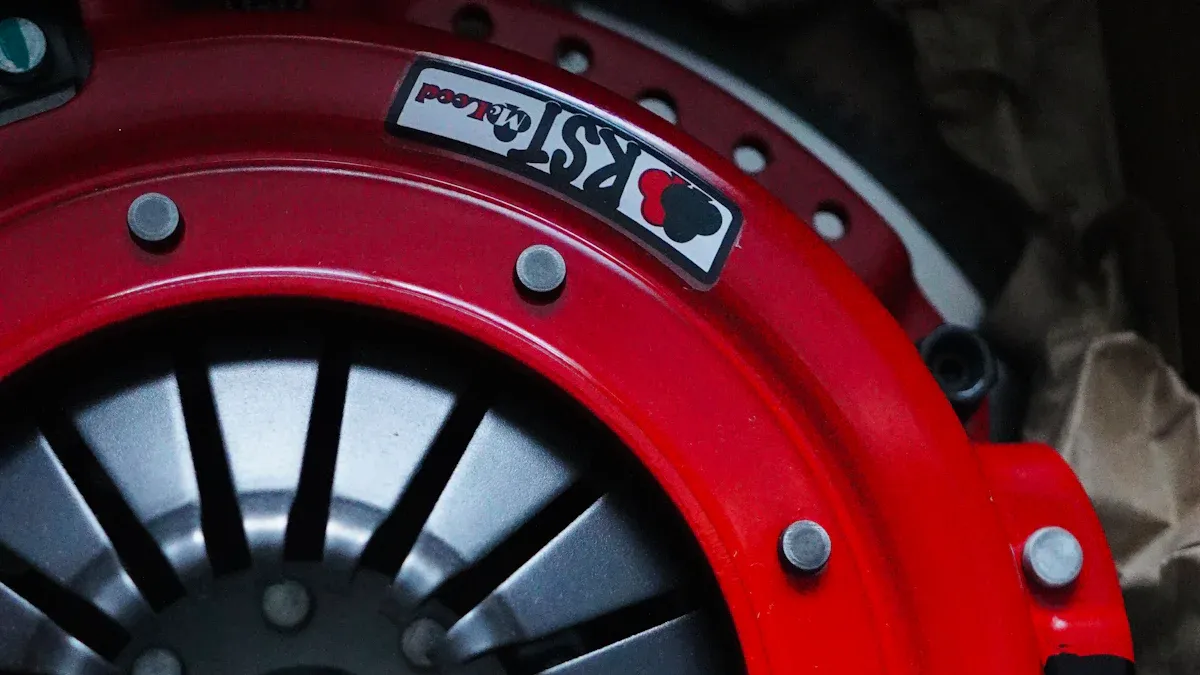
Pressure Plate and Clutch Noise
Your pressure plate is a vital part of your clutch assembly. It clamps the clutch disc against the flywheel. This action transfers power from your engine to your transmission. A faulty pressure plate can cause significant noise. It often leads to a creaking sound when you press the clutch pedal. This creaking noise signals a problem.
You might also hear other sounds. A worn shaft bearing within the pressure plate can cause chirping, grinding, or spinning noises. These sounds often occur when your transmission is in neutral. They typically stop when you press the clutch pedal. These specific noises indicate issues with the pressure plate.
You need to inspect your pressure plate carefully. Look for cracks on its surface. Also, check for signs of overheating. Blue discoloration on the surface suggests excessive heat. This heat can damage the plate. Inspect the pressure plate fingers or the diaphragm spring. Ensure they have proper height. They should also make even contact with the release bearing. Uneven contact can cause problems.
You can use a dial indicator to measure pressure plate runout. Excessive runout means the plate engages unevenly. This causes wear and noise. Check the pressure plate housing for cracks. Pay close attention to areas around bolt holes. These are high-stress points. Listen for a rattling sound when you release the clutch pedal. This rattling suggests issues with the clutch disc springs. It could also mean a loose component within the pressure plate assembly. If you find any of these issues, you must replace the pressure plate. This replacement will eliminate the unwanted noise. It will also restore proper clutch function.
Fix 10: Check Transmission Input Shaft
Input Shaft Issues and Noise
Your transmission input shaft connects directly to your clutch. It plays a crucial role in transferring power. This shaft spins inside a bearing. This bearing supports the shaft. Over time, this bearing can wear out. A worn input shaft bearing often creates a distinct noise. You might hear a whining or grinding sound. This noise often changes when you press the clutch pedal.
You might notice this noise when the car is in neutral. The noise may disappear when you press the clutch pedal. This indicates a problem with the input shaft bearing. The input shaft can also become misaligned. This misalignment puts stress on the bearing. It causes premature wear. This wear leads to more noise. You need to address these issues promptly. Ignoring them can cause further damage to your transmission.
Diagnosing input shaft problems often requires professional help. Mechanics usually need to remove the transmission. They can then inspect the input shaft and its bearings. They check for excessive play or damage. They also look for signs of wear on the shaft itself. A damaged input shaft can affect your clutch operation. It can make shifting difficult. It can also cause persistent noise.
Replacing a worn input shaft bearing is a complex repair. It involves disassembling parts of the transmission. This is why many people choose to replace the entire clutch assembly at the same time. This includes the clutch disc, pressure plate, and throw-out bearing. This comprehensive approach saves labor costs in the long run. It ensures all related components are in good condition. This eliminates the annoying noise. It restores smooth clutch function. You will enjoy a quieter ride.
Tip: If you suspect an input shaft issue, seek professional diagnosis. This prevents more extensive and costly transmission repairs. Early detection of these noises saves you money.
Fix 11: Ensure Proper Clutch Installation
Addressing Installation Errors
You might experience persistent squeaky clutch noise even after trying other fixes. This often points to errors during the initial clutch installation. A new clutch should operate smoothly and quietly. If it makes noise, something went wrong. Proper installation is critical for your clutch system’s performance and longevity.
Many issues can arise from incorrect installation. You might have an improperly aligned clutch disc. This causes uneven wear and a grinding noise. Sometimes, technicians do not torque the pressure plate bolts correctly. This leads to an unbalanced clutch assembly. An unbalanced assembly creates vibration and noise. You might also find contamination on the clutch surfaces. Grease or oil on the clutch disc causes slippage and a burning smell. It can also lead to an unusual noise.
Damage during installation is another common problem. You might bend the clutch fork or damage the throw-out bearing. These issues cause immediate clutch noise. They also lead to premature component failure. A bent pilot bearing can also cause a squeaking noise. This happens when the input shaft does not align correctly.
To prevent these problems, ensure proper clutch installation. Always follow the manufacturer’s instructions precisely. Use the correct tools, especially a clutch alignment tool. This tool ensures the clutch disc centers perfectly. Torque all bolts to the specified settings. Keep all clutch components clean during assembly. Avoid touching the friction surfaces with your bare hands. If you are unsure about the process, consider professional installation. A correctly installed clutch will give you quiet, reliable operation. It prevents frustrating noise and costly future repairs.
Tip: A professional mechanic often provides a warranty on their clutch installation. This gives you peace of mind. It ensures your new clutch works as expected.
Fix 12: Consider a Complete Clutch Kit
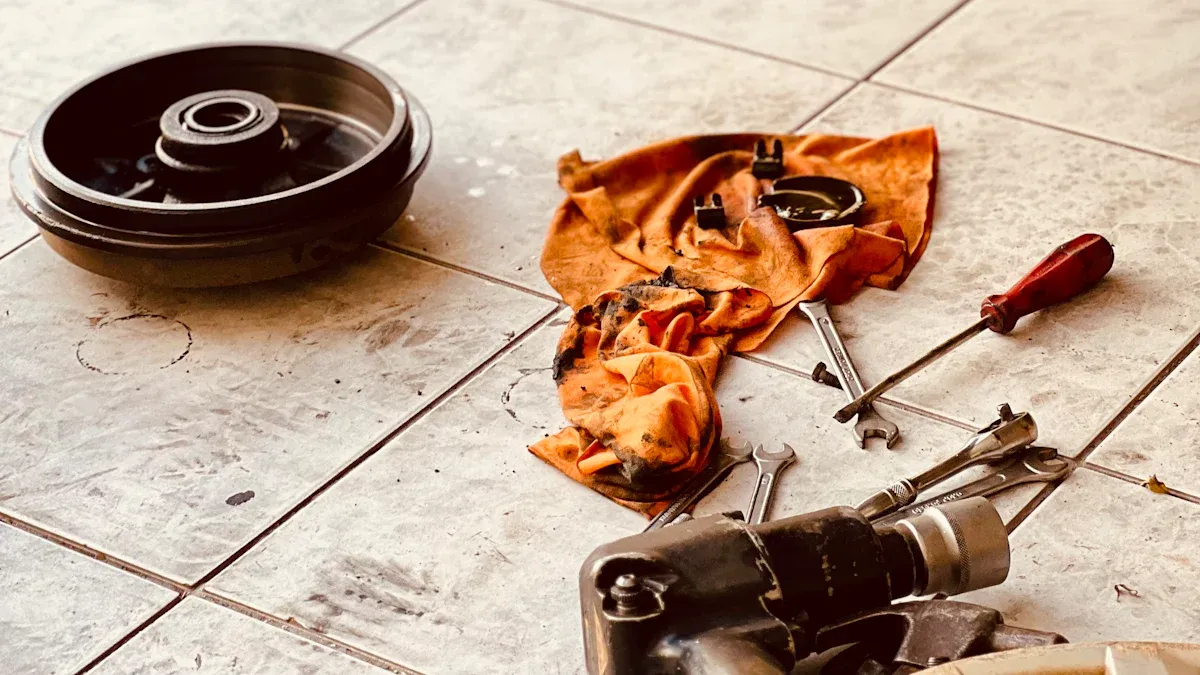
Comprehensive Clutch Solution
Sometimes, individual fixes do not solve your clutch problems. You might have multiple worn components. In these cases, you should consider replacing the entire clutch kit. This offers a comprehensive solution. It addresses all potential issues at once. This approach prevents future noise and costly repairs.
A complete clutch kit typically includes several key components. You will find a new clutch disc. It also contains a new pressure plate. Many kits also include a new release bearing. Replacing these parts together ensures system compatibility. It also guarantees optimal performance.
Replacing an entire clutch kit offers many benefits. You will experience smooth gear changes. A new clutch eliminates jerky shifts. It provides seamless transitions between gears. You will also notice enhanced performance. A new kit revitalizes your car’s performance. It improves acceleration and overall drivability. This is especially true if you have noticed a lack of power. A worn clutch can negatively impact fuel consumption. Upgrading to a new kit can optimize fuel efficiency. Starting with new components ensures greater durability. It provides longevity for your vehicle’s clutch system. While there is an initial cost, a new clutch kit prevents further damage. It protects your transmission and drivetrain. This leads to savings on costly repairs in the long run. You eliminate persistent noise and restore your vehicle’s reliability. This comprehensive approach ensures your clutch system works perfectly.
When to Seek Professional Help
You try several fixes for your squeaky clutch noise. Sometimes, these efforts do not solve the problem. You might need professional help. A mechanic can diagnose complex issues. They have specialized tools and experience.
Persistent Noise After Fixes
You have lubricated parts and adjusted your clutch pedal. Still, the annoying noise continues. This means a deeper problem exists. Ignoring persistent clutch noise can lead to serious consequences. Your transmission components, like gears and synchros, can wear out faster. Your car might use more fuel because the engine works harder. This happens when the clutch slips. Eventually, you could face complete clutch failure. This leaves you stranded. It also requires very expensive repairs. Other parts, such as the flywheel and pressure plate, can also suffer damage. Do not let a small noise become a big problem.
Severe Clutch Symptoms
You must seek professional help when you notice severe clutch symptoms. These signs indicate significant issues.
Clutch slipping: Your engine RPMs rise, but your car does not accelerate as it should. This often happens when merging onto a highway or climbing a hill. The friction material loses its grip.
Strange noises: You hear grinding sounds when you change gears. This often means the release bearing is failing. Squealing noises can suggest worn friction material or contamination.
Chattering vibrations: You feel vibrations through the pedal and floor when you engage the clutch. Warped components or oil contamination often cause this.
Changes in pedal feel: Your clutch pedal might feel spongy. This suggests problems with the hydraulic system. A pedal that sticks or does not return properly indicates mechanical issues with the release mechanism.
Difficulty shifting gears: You experience resistance or cannot engage gears. Your transmission might even lock up. This often points to hydraulic system failure or worn friction components.
Dashboard warning lights: Transmission warning lights or check engine lights come on. Clutch-related issues can affect drivetrain performance.
Complete clutch failure: You cannot engage gears at all.
These symptoms mean your clutch needs immediate professional attention. Ignoring them can lead to dangerous driving conditions and costly repairs.
Addressing a squeaky clutch noise promptly prevents further damage. You have explored solutions, from simple lubrication to full component replacement. Timely action prevents more costly repairs. Proper maintenance can extend a clutch system’s lifespan by up to 50% compared to neglected systems. This timely diagnosis and appropriate repair are key to maintaining clutch health and vehicle safety, especially when dealing with bad throw out bearing symptoms. Ignoring these bad throw-out bearing symptoms can lead to clutch failure. You can extend a clutch’s life by tens of thousands of miles with proper driving techniques. Use this information to troubleshoot your clutch noise and make informed decisions about your clutch system. Do not let a persistent noise lead to complete clutch failure. Watch for these symptoms.
