


Your car’s oxygen sensor plays a vital role in its performance, fuel efficiency, and emissions control. A bad o2 sensor can lead to significant problems. You might see a substantial decrease in fuel efficiency, often making it 10-20% worse. Is your car trying to tell you something? This guide helps you identify common oxygen sensor symptoms, understand their implications, and navigate replacement costs.
Key Takeaways
An oxygen sensor helps your car run well. It makes sure your engine uses the right amount of fuel. This saves gas and keeps the air clean.
Watch for signs of a bad oxygen sensor. These include a ‘check engine’ light, using more gas, or black smoke from the exhaust. Fixing it early prevents bigger problems.
A bad oxygen sensor can damage other car parts. It can harm your catalytic converter. This part is very expensive to replace.
You can replace an oxygen sensor yourself or hire a mechanic. DIY saves money, but a mechanic ensures the job is done right. Choose what feels best for you.
Oxygen Sensor Basics
What an O2 Sensor Does
An oxygen sensor, often called an O2 sensor, works like a tiny detective in your car’s exhaust system. It constantly measures the amount of oxygen in the exhaust gases. This is a crucial job. The sensor sends this oxygen concentration data to your car’s Engine Control Unit (ECU). Think of the ECU as your car’s brain. It uses this information to make important decisions. For example, the ECU dynamically adjusts the air-fuel ratio by controlling fuel injection. This aims for an optimal balance. You get good power, fuel economy, and controlled emissions. This balance is typically near stoichiometric, which is the ideal mix.
Its Impact on Vehicle Performance
The oxygen sensor significantly impacts how your car runs. By maintaining an ideal air-fuel ratio, usually around 14.7 parts air to 1 part fuel, the sensor ensures your three-way catalytic converter works effectively. This reduces harmful exhaust emissions. Without the sensor, your catalytic converter cannot do its job properly. The sensor also helps monitor the catalytic converter’s function. It tells you if this important component is performing correctly. A healthy oxygen sensor means your engine runs smoothly. It also helps you save money on gas and keeps the air cleaner.
Tip: A properly working oxygen sensor is key for both your car’s health and the environment!
Bad Oxygen Sensor Symptoms: Top 10 Signs

Your car often gives you clear warnings when something is wrong. A failing oxygen sensor is no exception. Recognizing these oxygen sensor symptoms early can save you from bigger problems and costly repairs. Here are the top 10 signs you might have a bad o2 sensor.
Check Engine Light On
This is often the first and most obvious sign. Your car’s computer constantly monitors the oxygen sensor’s readings. If the readings are outside the normal range, the computer detects a problem. It then illuminates the check engine light on your dashboard. This light tells you something needs attention. You should not ignore a lit check engine light. It signals a potential issue with your emissions system or engine performance.
Reduced Fuel Economy
A faulty oxygen sensor cannot accurately measure oxygen levels. This causes your engine’s computer to guess the correct air-fuel mixture. Often, the computer will make the mixture too rich, meaning it adds too much fuel. This leads to a noticeable decreased fuel efficiency. You will find yourself filling up your gas tank more often. A decreased fuel efficiency can be a significant drain on your wallet over time.
Engine Performance Issues
You might notice your car does not drive as smoothly as it should. A noticeable lack of acceleration or reduced engine power is a direct result of an improper air-fuel balance. A faulty oxygen sensor can cause delayed responses in the Engine Control Unit (ECU). These delayed responses lead to sluggish performance and an overall loss of power, particularly when you need high performance. You might feel your car struggles to accelerate or climb hills.
Rough Idling or Misfires
When your car is stopped, you might feel it shake or vibrate more than usual. This is rough idling. A bad oxygen sensor sends incorrect data to the ECU. This causes the engine to receive an unbalanced air-fuel mixture. An incorrect mixture can lead to cylinders failing to combust fuel properly. These misfires cause your engine to run roughly, especially when it is idling.
Sulfur Smell from Exhaust
Do you smell rotten eggs coming from your exhaust? This unpleasant odor often indicates a problem with your catalytic converter. A bad oxygen sensor can cause the engine to run too rich. This sends unburned fuel into the catalytic converter. The converter then works harder to process the excess fuel. This extra work creates hydrogen sulfide gas, which smells like sulfur.
Engine Hesitation
You press the accelerator, but your car does not respond immediately. This delay is engine hesitation. When an oxygen sensor malfunctions, the Engine Control Unit (ECU) loses its ability to precisely adjust the air-fuel mixture. This inaccuracy leads to noticeable performance issues such as sluggish acceleration and delays in throttle response. These issues manifest as hesitation when you press the accelerator.
Black Exhaust Smoke
Seeing black smoke from your tailpipe is a serious sign. A malfunctioning oxygen sensor can cause the engine control unit (ECU) to inject too much fuel into the combustion chamber. This results in a rich fuel mixture, where excess fuel is burned, leading to black exhaust smoke. A faulty oxygen sensor can mislead the engine’s computer, causing it to increase fuel consumption even when the fuel mixture is already rich. This excess fuel leads to black smoke from the exhaust. When the fuel-air mixture becomes too rich due to a bad oxygen sensor, an excessive amount of fuel accumulates in the combustion chambers. This unburned fuel then enters the exhaust system, where it can partially ignite and produce thick black smoke.
Catalytic Converter Damage
Your catalytic converter cleans harmful pollutants from your exhaust. A bad oxygen sensor can cause your engine to run too rich for too long. This sends excessive unburned fuel into the catalytic converter. The converter overheats trying to burn off this extra fuel. This overheating can permanently damage the catalytic converter, which is a very expensive repair.
Increased Emissions
A properly working oxygen sensor helps your car meet emission standards. When it fails, your car releases more harmful pollutants into the air. This is because the engine cannot maintain the correct air-fuel ratio. You might fail an emissions test if your oxygen sensor is bad. This also contributes to air pollution.
Engine Vibration
You might feel unusual shaking or vibration from your engine. A malfunctioning oxygen sensor can lead to incorrect air-fuel ratio calculations by the engine control module (ECM). This incorrect ratio can cause engine misfires, where cylinders fail to combust fuel properly. These misfires, in turn, contribute to rough idling, which is characterized by additional engine noise and vibrations when the vehicle is stationary. While an oxygen sensor is not always the direct cause of vibration, its malfunction can certainly contribute to it through misfires and rough running.
Causes of Oxygen Sensor Failure
You might wonder, “why do o2 sensors fail?” Several factors contribute to an oxygen sensor’s eventual breakdown. Understanding these causes helps you prevent future issues or diagnose problems more quickly.
Age and Wear
Oxygen sensors do not last forever. They constantly face extreme heat and exhaust gases. Over time, this harsh environment degrades the sensor’s internal components. The sensor becomes less responsive and less accurate. This natural aging process is a primary reason why do o2 sensors fail. Regular maintenance checks can help you catch an aging sensor before it causes major problems.
Contaminant Fouling
Your engine burns fuel and oil. Sometimes, these processes leave behind deposits. Carbon, oil ash, or even engine coolant can coat the sensor’s tip. These coatings act like a blanket, preventing the sensor from accurately reading oxygen levels. This “fouling” makes the sensor send incorrect data to your car’s computer.
Electrical Malfunctions
The oxygen sensor relies on precise electrical signals to function. Various electrical issues can cause it to fail:
Heater Circuit Failures: These are common as vehicles age. You might see diagnostic codes like P0031, indicating low current flow or an open circuit in the heater.
Incorrect Heater Circuit Timing: The sensor’s heater circuit might activate at the wrong time. This can cause the same diagnostic code to reappear even after you replace the sensor.
Short-to-Power Problems: In positively controlled heater circuits, a short to power can occur. A faulty relay or a short in the wiring harness often causes this.
Short-to-Ground Problems: In negatively controlled circuits, a short to ground on the sensor’s negative control wire can lead to malfunctions. A pinched O2 sensor harness, for example, could short the negative heater wire to ground.
Open Circuits: This means no power reaches the sensor. It can happen if the power wire back to the fuse has an issue.
Blown Fuses: A shorted O2 sensor heater can blow its fuse, stopping the heater circuit.
Blown Computer Driver: In the worst case, the computer’s driver for the O2 sensor heater circuit can fail.
Physical Damage
External factors can also harm your sensor. Road conditions or weather exposure can cause physical damage or corrosion. Debris from the road, like rocks or gravel, can strike and damage the sensor. Exposure to salt, water, and other elements can lead to corrosion. This physical damage prevents the sensor from working correctly, leading to a bad o2 sensor.
Diagnosing a Faulty Oxygen Sensor
When your car shows signs of trouble, figuring out the exact problem is key. Diagnosing a faulty oxygen sensor helps you fix the issue correctly. You can use several methods to pinpoint the problem.
Understanding OBD-II Codes
Your car has a computer system that monitors many parts. This system is called On-Board Diagnostics II, or OBD-II. When it finds a problem, it stores a special code. You can use an OBD-II diagnostic tool to read these codes. This is the first step in troubleshooting an o2 sensor. However, remember that a diagnostic trouble code does not always mean the oxygen sensor itself has failed. Other issues, like an exhaust leak or wiring problems, can also trigger these codes. Simply replacing the O2 sensor without fixing the main cause will likely make the code come back.
Common O2 Sensor Codes
Many specific codes point to oxygen sensor issues. These are common oxygen sensor fault codes you might see:
P0132 (O2 sensor circuit high voltage – bank 1, sensor 1)
P0133 (O2 sensor slow response – bank 1, sensor 1)
P0135 (O2 sensor heater circuit malfunction – bank 1, sensor 1)
P0137 (O2 sensor circuit low voltage – bank 1, sensor 2)
P0155 (O2 sensor heater circuit malfunction – bank 2, sensor 1)
P0171 (System too lean – bank 1)
P0175 (System too rich – bank 2)
P0420 (A malfunctioning O2 sensor can trigger this catalytic converter code)
These codes tell you where the computer sees a problem.
Professional Diagnostic Tools
Sometimes, a simple code reader is not enough. Mechanics use more advanced tools to diagnose issues. These tools can read live data from your oxygen sensor. They show how the sensor is working in real-time. This helps them see if the sensor is slow or giving incorrect readings. They can also check for other problems that might cause common oxygen sensor fault codes. If you are unsure about troubleshooting an o2 sensor, a professional can accurately find the root cause.
Oxygen Sensor Replacement Cost
Replacing a faulty oxygen sensor is a common car repair. The typical cost for oxygen sensor replacement ranges from $100 to $300. This price includes both the parts and the labor. However, several factors can influence this total. You need to understand these factors to budget for the repair.
Parts Cost: Sensor Types
The cost of the oxygen sensor itself varies. Different types of sensors exist, and their prices differ. You will find sensors designed for specific locations in your exhaust system. For example, upstream sensors are usually more expensive than downstream sensors. Upstream sensors are closer to the engine. They play a more critical role in air-fuel mixture adjustments. Wideband sensors are the most advanced and most expensive type. They offer more precise readings. The make and model of your car also affect the sensor’s price. Some vehicles require specialized sensors, which can increase the part cost.
Labor Cost: Shop vs. DIY
You have two main options for replacing an oxygen sensor: a professional shop or a do-it-yourself (DIY) approach. Choosing a professional mechanic means you pay for their expertise and time. The labor cost can be a significant part of the total expense. Here is what you can expect for average labor costs at a shop:
Service | Average Labor Cost Range |
|---|---|
Oxygen Sensor Replacement | $50 – $64 |
This table shows the labor portion of the repair. If you decide to tackle the job yourself, you save on labor costs. Learning how to replace an oxygen sensor can save you money. However, you need the right tools and some mechanical knowledge. If you are not comfortable working on your car, a professional installation is the safer choice.
Factors Influencing Price
Many things can change the final price of your oxygen sensor replacement. You should consider these factors when getting an estimate.
Vehicle Make and Model: Luxury or performance vehicles typically have higher sensor costs. Their parts are often more specialized and expensive.
Sensor Type: As mentioned, upstream sensors are usually more expensive than downstream sensors. Wideband sensors are the most expensive due to their advanced technology.
Sensor Location: Some oxygen sensors are harder to reach than others. A sensor located in a tight spot might require more labor time. This increases the overall cost.
Number of Sensors: Your car might have multiple oxygen sensors. If more than one needs replacement, your total cost will go up.
Shop Rates: Labor rates vary by region and by the specific repair shop. Dealerships often charge more than independent mechanics.
Additional Repairs: Sometimes, a bad oxygen sensor can cause other problems. You might need extra repairs, like fixing an exhaust leak, which adds to the total bill.
Understanding these factors helps you prepare for the expense. You can make an informed decision about your repair.
DIY or Professional Replacement
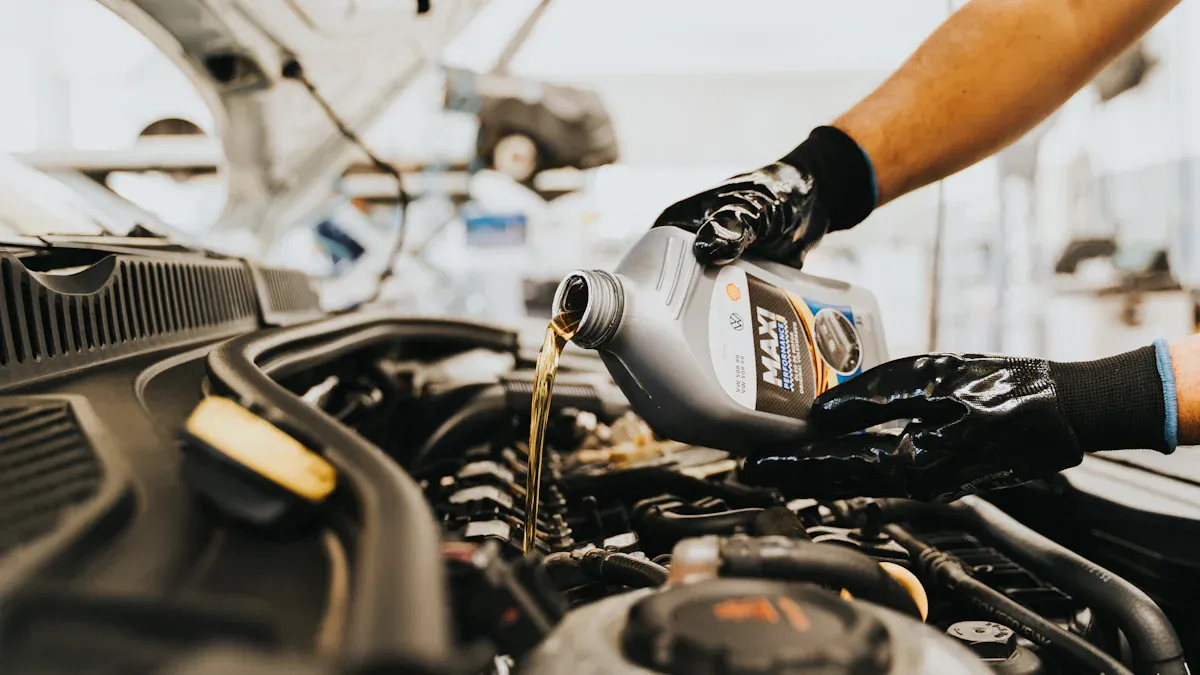
You face a choice when your oxygen sensor needs replacement. You can try to fix it yourself or take your car to a professional mechanic. Both options have benefits. Consider your comfort level with car repairs. Also, think about the tools you have.
Tools and Safety for DIY
Replacing an oxygen sensor yourself can save you money. You need specific tools for this job. You also must follow safety rules.
Essential tools for this task include:
A ratchet and a basic socket set.
A specialized oxygen sensor socket. This socket has a slot for the wire.
Penetrating oil, like PB Blaster or WD-40.
Anti-seize compound. This helps prevent the new sensor from sticking. Some new sensors come with it already applied.
The correct new oxygen sensor for your car.
A jack and jack stands. You might need these to lift your vehicle.
Safety is very important. Always ensure the engine is completely cool. This prevents burns. Park your vehicle on flat, level ground. Engage the parking brake. Disconnect the negative battery terminal. This avoids electrical shorts. Always wear safety glasses and gloves.
Step-by-Step Overview
Learning how to replace an oxygen sensor involves a few steps. First, locate the faulty sensor. Then, disconnect its electrical connector. Use penetrating oil on the sensor’s threads. This helps loosen it. Use your specialized oxygen sensor socket to remove the old sensor. Install the new sensor. Make sure you tighten it correctly. Reconnect the electrical connector. Finally, clear any check engine light codes.
When to Call a Mechanic
Sometimes, calling a mechanic is the best choice. If you do not have the right tools, a mechanic has them. If you are not comfortable working on your car, a professional can do the job safely. Some sensors are hard to reach. A mechanic has the experience to handle tough locations. If you are unsure about diagnosing the problem, a professional can confirm it. They have advanced diagnostic tools.
Addressing a bad o2 sensor quickly is crucial. You now understand the common oxygen sensor symptoms and the problems neglect can cause. Early detection and proper maintenance save you money and keep your car running well. Use these tips to diagnose issues. Make informed decisions about replacement, whether you do it yourself or hire a professional. Prioritize your vehicle’s health.
FAQ
How many oxygen sensors does my car have?
Your car usually has two to four oxygen sensors. One or two sensors sit before the catalytic converter (upstream). These measure exhaust gases before treatment. One or two more sensors are located after the catalytic converter (downstream). They monitor the converter’s efficiency.
Can I drive with a bad oxygen sensor?
You can drive with a bad oxygen sensor, but you should not. Driving with a faulty sensor causes poor fuel economy and increased emissions. It can also damage your catalytic converter. This leads to a much more expensive repair. Address the issue quickly.
What happens if I ignore a bad oxygen sensor?
Ignoring a bad oxygen sensor leads to several problems. You will waste money on gas due to reduced fuel efficiency. Your car will pollute more. You also risk damaging your catalytic converter. This component is very expensive to replace.
How long do oxygen sensors typically last?
Oxygen sensors usually last between 30,000 and 50,000 miles for older vehicles. Newer vehicles often have sensors that last 100,000 miles or more. Their lifespan depends on driving conditions and maintenance. Regular checks help you know their condition.
