

A good roof bike rack keeps your bike steady on rough roads. It needs a secure mount, a strong frame, and the right fit for your crossbars and tires.
A poor fit can cause movement, noise, or damage over time. For 2026, focus on racks with solid hardware and clear vehicle compatibility.
The right setup stays stable through rain, wind, and long drives.
| Yakima FrontLoader Rooftop Bike Rack Mount |

| Best All-Around | Mount Type: Rooftop clamp mount | Bike Capacity: 1 bike | Vehicle Fit: Cars, sedans, SUVs | VIEW LATEST PRICE | Read Our Analysis |
| Swagman Fork Mount Roof Bike Rack |
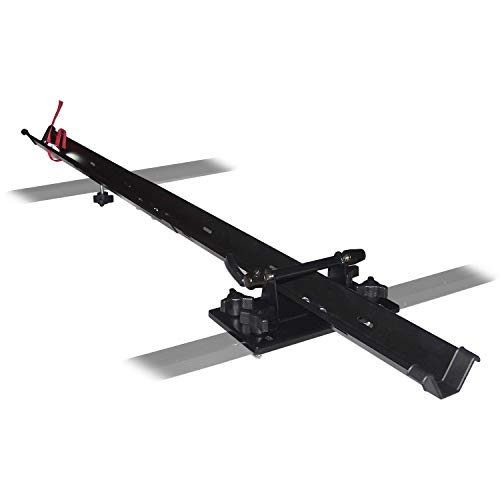
| Best for Quick-Release | Mount Type: Fork mount | Bike Capacity: 1 bike | Vehicle Fit: Most vehicles | VIEW LATEST PRICE | Read Our Analysis |
| ROCKBROS Suction Cup Roof Bike Rack for Car |

| Best Suction Mount | Mount Type: Suction cup mount | Bike Capacity: 1 bike | Vehicle Fit: Sedans to vans | VIEW LATEST PRICE | Read Our Analysis |
| Thule UpRide Roof Bike Rack | automotive-bike-racks |

| Best Premium Rack | Mount Type: Upright roof mount | Bike Capacity: 1 bike | Vehicle Fit: Passenger cars | VIEW LATEST PRICE | Read Our Analysis |
| ROCKBROS Suction Cup Bike Rack for Car Roof |

| Best Portable Pick | Mount Type: Suction cup mount | Bike Capacity: 1 bike | Vehicle Fit: Most vehicles | VIEW LATEST PRICE | Read Our Analysis |
More Details on Our Top Picks
Yakima FrontLoader Rooftop Bike Rack Mount
Should you need a roof rack that does it all, Yakima’s FrontLoader stands out. You can mount it on cars, sedans, or SUVs without a hitch, and its heavy-duty build keeps mountain bikes and fat-tire bikes steady. The secure hold limits shifting, so you’ll feel confident on rough roads. You won’t need extra tools, and setup goes fast. Its compact, lightweight form also makes storage easy in your garage or on the road. Since 1979, Yakima has built gear with safety, sensibility, and street smarts, and this rack reflects that focus well.
- Mount Type:Rooftop clamp mount
- Bike Capacity:1 bike
- Vehicle Fit:Cars, sedans, SUVs
- Bike Fit:Mountain/fat bikes
- Material:Heavy-duty materials
- Tool-Free Setup:Yes
- Additional Feature:No extra tools
- Additional Feature:Lightweight compact design
- Additional Feature:Stable mountain-bike transport
Swagman Fork Mount Roof Bike Rack
Swagman’s fork-mount carrier is a smart pick for 9mm quick-release bikes. You get a lightweight aluminum rack that weighs just 1 pound, yet it still handles up to 35 pounds. It fits square, round, and oval crossbars up to 3 inches wide, so you can mount it on most roof setups. You’ll secure one bike upright with the included 9mm skewer, and you won’t need tools to install it. Swagman backs it with a limited lifetime warranty, giving you solid value for everyday roof transport.
- Mount Type:Fork mount
- Bike Capacity:1 bike
- Vehicle Fit:Most vehicles
- Bike Fit:9mm quick-release bikes
- Material:Aluminum
- Tool-Free Setup:Yes
- Additional Feature:9mm quick-release skewers
- Additional Feature:35-pound load capacity
- Additional Feature:Limited lifetime warranty
ROCKBROS Suction Cup Roof Bike Rack for Car
ROCKBROS’ suction-cup roof rack suits you provided provided you need a quick, tool-free bike carrier. You can fit it on most sedans, coupes, hatchbacks, SUVs, and vans, though it works best on flat roof surfaces. It carries mountain, road, and trail bikes with quick-release front wheels, and the rear-wheel sucker adapts to different wheel profiles. The aluminum alloy frame feels sturdy, while rubber suckers help protect your paint. A Velcro strap secures the crank, and the slim shape cuts wind noise. You’ll get one-bike transport for road trips or camping, plus manufacturer support provided necessary.
- Mount Type:Suction cup mount
- Bike Capacity:1 bike
- Vehicle Fit:Sedans to vans
- Bike Fit:Quick-release front wheel bikes
- Material:Aluminum alloy
- Tool-Free Setup:Yes
- Additional Feature:Rubber paint protection
- Additional Feature:Wind-noise reduction
- Additional Feature:Crank-securement velcro strap
Thule UpRide Roof Bike Rack | automotive-bike-racks
stands out as a premium choice for riders who want frame-free security. You’ll mount it on your roof and secure your bike with a front-wheel hook, so you won’t touch the frame at all. It fits most 20–29″ bikes, including carbon, rear-suspension, and odd-frame designs, and handles tires up to 3″ wide, or 5″ with the sold-separately fat bike adapter. You get a universal fit for most roof racks, 44 lbs capacity, and easy side-to-side repositioning. Locks are sold separately.
- Mount Type:Upright roof mount
- Bike Capacity:1 bike
- Vehicle Fit:Passenger cars
- Bike Fit:20–29 in wheels
- Material:Aluminum
- Tool-Free Setup:Yes
- Additional Feature:No frame contact
- Additional Feature:44-pound load capacity
- Additional Feature:Fat-bike adapter support
ROCKBROS Suction Cup Bike Rack for Car Roof
For quick swaps, ROCKBROS is the most portable pick for roof-mounted bike transport. You can fit it on most sedans, coupes, hatchbacks, SUVs, and vans, and it works with mountain, road, and trail bikes with an initial quick-release front wheel. The suction-cup system lets you mount and remove it without tools, while the quick-release fork and adjustable rear-wheel strap keep setup simple. Its lightweight aluminium-alloy body makes carrying easy, and the compact design saves space. Clean the surface primary, then rely on rubber pads and a pedal strap to protect your paint and bike.
- Mount Type:Suction cup mount
- Bike Capacity:1 bike
- Vehicle Fit:Most vehicles
- Bike Fit:Quick-release front wheel bikes
- Material:Aluminum alloy
- Tool-Free Setup:Yes
- Additional Feature:Clean-surface suction mounting
- Additional Feature:Pedal-fixing strap
- Additional Feature:Lightweight aluminum-alloy body
Factors to Consider When Choosing a Bike Carrier Roof Rack
Once you choose a bike carrier roof rack, you need to check bike compatibility, roof rack fit, and the mounting style initially. You’ll also want to confirm the weight capacity so your bike stays secure on the road. Strong security features can give you extra peace of mind while you travel.
Bike Compatibility
A good bike roof rack should match your bike as closely as it matches your car. You’ll want to confirm the rack uses your bike’s attachment method, whether that’s fork-mount, wheel-mount, or frame-clamp, so you don’t need awkward adapters. Check the carrier’s weight capacity, too, and make sure it exceeds your bike’s total weight with bottles, lights, and other gear. Then verify tire and wheel fit: many racks handle 20–29-inch wheels and tires up to about 3 inches wide, while some need adapters for wider rubber. Provided you ride a carbon or unusual frame, choose a non-frame-contact model or one rated for delicate frames. For thru-axles, fat tires, or front-wheel removal, confirm the rack supports the right adapters and setup.
Roof Rack Fit
Before you buy a bike roof rack, make sure your vehicle’s roof can actually support it. Check that you’ve got compatible crossbars or raised rails, and read the roof’s load rating in the owner’s manual. The rack and bike together can’t exceed your roof’s static or kinetic limit. Measure your crossbar shape and spacing too, because some carriers fit only round, square, or aero bars within certain widths. Make sure the rack clears your garage, low overhangs, sunroofs, and antennae. Then confirm the attachment method works with your roof system, whether you need fork-mount, wheel-mount, tray, or suction hardware. Should you’ve got flush rails, factory racks, or a bare roof, budget for adapters and the extra installation time.
Mounting Style
Once your roof setup checks out, the next choice is how the carrier actually holds the bike. Fork-mount racks clamp the front fork, so you’ll remove the front wheel and match the skewer or axle, but you’ll get a low-profile, very secure hold with little frame contact. Tray or wheel-mount carriers keep both wheels in place and usually strap the front wheel, so you can load faster and fit many frame shapes. Upright frame-contact racks grip the frame or down tube, which speeds mounting yet asks for padded touch points, especially on carbon or unusual frames. Suction-cup mounts install tool-free and travel well, but they need a clean, flat roof and can be less confident on curved surfaces. Roof styles also differ in wind drag and clearance.
Weight Capacity
Weight matters more than it originally appears whenever you’re choosing a roof bike carrier: make sure the rack’s maximum load rating comfortably exceeds the total weight of your bike or bikes, including accessories like lights, panniers, or other add-ons. Should your bike weighs 40 pounds, pick a rack rated above that. Then check your vehicle’s roof load limit, because your car’s kinetic and static ratings might be lower than the rack’s. Use the lower number as your ceiling. Add in any extra gear you’ll carry, since small items can push you over capacity. Also consider how the load sits on the rack: concentrated forces can strain mounting points more than balanced weight. Aim for a rack with 10–25% extra capacity so bumps, wind, and cornering don’t overwhelm it.
Security Features
Security matters just as much as load capacity, so choose a roof rack with integrated locks or the option to add them to secure both the bike and the rack itself. You should also look for rigid fork or wheel clamps with anti-rotation features, since they hold the bike steady and make theft harder. Check the vehicle attachment points, whether they use clamps, straps, or suction pads, and make sure they carry clear load and security ratings plus tamper-resistant fasteners. Pick durable, corrosion-resistant materials and covered contact areas so thieves can’t easily cut or pry straps, and your bike’s finish stays protected. Finally, confirm you can add cable locks or locking skewers, with secure anchor points for extra protection on long stops.
Installation Ease
Installation ease can make the difference between a rack you use often and one you leave in the garage, so check how it mounts before you buy. You’ll usually get the fastest setup with tool-free clamps or quick-release skewer mounts, while racks that need bolts and wrenches can take 15 to 30 minutes. Make sure the rack matches your crossbar shape and size; many fit round, square, and aero bars, but some need adapters. Choose models that arrive pre-assembled or include clear step-by-step instructions, since fewer parts cut down on mistakes. Should you’ll install it alone, look for lighter carriers, ideally under 5 to 10 lb, and adjustable or sliding mounts that let you position the rack without removing the whole assembly.
Material Durability
Once you know a rack is easy to mount, the next thing to check is how well it holds up over time. You should favor aluminum or stainless steel because they resist rust from road salt and moisture while keeping weight down. Also, compare load ratings and material thickness; higher-capacity racks usually use thicker tubing or reinforced frames, so they flex less under heavier bikes. Pay close attention to bolts, welds, and joint reinforcements, since those parts take repeated vibration and stress. Look for powder coating or anodizing, which helps stop corrosion and scuffs. Don’t ignore nonmetal parts either: UV-resistant plastics, tough rubber pads, and weatherproof straps can keep their grip and shape longer without cracking, drying out, or failing.
Vehicle Compatibility
Before you buy a bike roof rack, make sure your vehicle can safely handle it: check that you have crossbars or roof rails rated for rooftop loads, and confirm the manufacturer’s roof load limit, which is often around 75–220 lbs for many passenger cars. Next, match the carrier to your bar shape and width, whether round, square, or aero/oval, because clamps and brackets don’t fit every setup. Then inspect your roof for curves, slope, sunroofs, antennas, and other obstructions; some racks need a flat, clear mounting area. Also verify the rack’s attachment style works with your bike’s fork, wheel, or frame. Finally, account for added height so you can still clear garages, low branches, and parking structures safely.
Wrap Up
Whenever you choose a roof bike rack, focus on stability, fit, and weather-ready materials so it stays put mile after mile. For example, provided you haul a carbon-frame bike on weekend road trips, a frame-free option like the Thule UpRide can help protect the bike while keeping it secure. You’ll save frustration, avoid damage, and get more confidence every time you hit the highway with your gear locked down.
