

The best brake caliper pin grease for 2026 is a high-temp, rubber-safe formula that stays slick through heat, water, and road salt. Mechanics often trust silicone, ceramic, or PTFE-based grease for smooth pin movement and long service life. The right pick helps stop sticking, uneven pad wear, and noisy brakes. A few top options stand out fast once you compare heat resistance, texture, and rubber compatibility.
| Super Lube Synthetic Grease 3 oz (21030) |

| Versatile Food-Grade | Formula Type: Synthetic grease with Syncolon | Package Size: 3 oz | Packaging: Tube | VIEW LATEST PRICE | Read Our Analysis |
| KEZE Silicone Grease PTFE Lubricant 2-Tube 1 oz |

| Best for Rubber | Formula Type: Silicone grease with PTFE | Package Size: 2 x 1 oz | Packaging: 2-tube set | VIEW LATEST PRICE | Read Our Analysis |
| CRC SL3301 Synthetic Brake & Caliper Grease 2.5 Wt Oz |

| Brake Job Essential | Formula Type: Synthetic grease with molybdenum/PTFE/graphite | Package Size: 2.5 wt oz | Packaging: Tube | VIEW LATEST PRICE | Read Our Analysis |
| Keze Ceramic Brake Grease Lubricant (1 oz) |
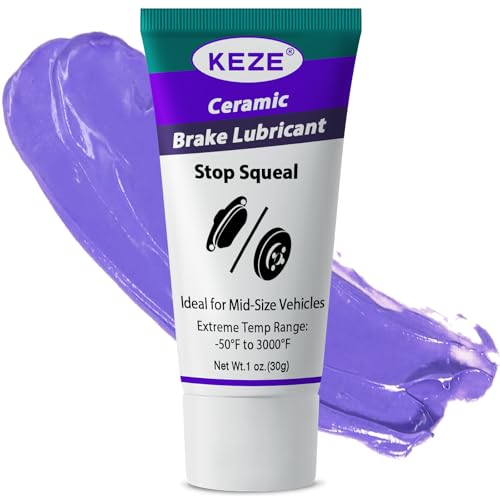
| High-Heat Specialist | Formula Type: Synthetic MCA with ceramic powder | Package Size: 1 oz | Packaging: Tube | VIEW LATEST PRICE | Read Our Analysis |
| Keze Ceramic Brake Caliper Grease Lubricant 8 oz |

| Best for Pros | Formula Type: Synthetic MCA with ceramic powder | Package Size: 8 oz | Packaging: Brush-top can | VIEW LATEST PRICE | Read Our Analysis |
More Details on Our Top Picks
Super Lube Synthetic Grease 3 oz (21030)
Should you need a versatile food-grade grease, Super Lube Synthetic Grease 3 oz (21030) fits a lot of garages.
You get a translucent white, 3 oz tube packed with synthetic lubricant and Syncolon, which helps it stay slick under pressure. For caliper pins, that matters. It resists heat, water, salt water, and corrosion, and it won’t melt, run, drip, or turn gummy.
Why it stands out:
- NSF H1 food-grade registration
- Kosher certification
- Works on bearings, gears, tools
Use it whenever you want one grease for:
- Brake hardware
- Shop equipment
- Home or industrial mechanisms
And yes, harsh environments won’t scare it much.
- Formula Type:Synthetic grease with Syncolon
- Package Size:3 oz
- Packaging:Tube
- Temperature Range:High-temperature resistant
- Brake Use:General-purpose grease usable for mechanical applications
- Protection:Water/salt-water and corrosion resistant
- Additional Feature:NSF H1 registered
- Additional Feature:Kosher certified
- Additional Feature:Non-melting formula
KEZE Silicone Grease PTFE Lubricant 2-Tube 1 oz
KEZE Silicone Grease with PTFE shines for rubber parts that need a slick, stable, non-swelling lubricant.
You get two 1 oz tubes, and that PTFE-loaded silicone formula stays consistent from -40 to 428 F. For caliper pins and boots, that matters.
- It resists acids, alkalis, and many organic solvents.
- It offers low friction, anti-abrasion protection, and dielectric safety.
Use it where metal meets rubber, polymer, or plastic:
- Coat pins lightly.
- Cover boots and seals sparingly.
- Reassemble clean parts.
It’s H1 food-grade too, so drinking-water contact isn’t a problem. Nice bonus. And should you need help, replacement, or refund support is available.
- Formula Type:Silicone grease with PTFE
- Package Size:2 x 1 oz
- Packaging:2-tube set
- Temperature Range:-40°F to 428°F
- Brake Use:Suitable for caliper assemblies
- Protection:Acid/alkali/solvent resistant, anti-abrasion
- Additional Feature:Drinking-water safe
- Additional Feature:Dielectric-safe formula
- Additional Feature:Acid/alkali resistant
CRC SL3301 Synthetic Brake & Caliper Grease 2.5 Wt Oz
CRC SL3301 is a brake job essential for anyone who wants smooth, quiet caliper action. You get 2.5 wt oz of synthetic grease loaded with molybdenum, PTFE, and graphite, a friction-fighting trio that helps caliper pins slide freely. It works from -30°F to 600°F, so you can count on it in winter cold and hard braking heat.
Use it on every brake job because it helps:
- Prevent caliper binding
- Reduce vibration and noise
- Inhibit corrosion
Apply a thin, even coat to clean caliper contact points and pins. One caveat: it isn’t VOC compliant in California or OTC areas.
- Formula Type:Synthetic grease with molybdenum/PTFE/graphite
- Package Size:2.5 wt oz
- Packaging:Tube
- Temperature Range:-30°F to 600°F
- Brake Use:Designed for brake and caliper use
- Protection:Inhibits corrosion, prevents binding, reduces vibration
- Additional Feature:Contains molybdenum
- Additional Feature:Contains graphite
- Additional Feature:Reduces vibration
Keze Ceramic Brake Grease Lubricant (1 oz)
For a high-heat specialist, this 1 oz grease fits drivers who want quiet, smooth brakes that stay protected. You get a synthetic MCA and ceramic powder formula that stays stable up to 3000°F, so it won’t melt as your brakes get seriously hot.
Use it on:
- Slide pins
- Calipers
- Bolts, sleeves, and shims
- Pad backing plates
It cuts friction, helps pins and pads move correctly, and stops squeals before they ruin your commute. The thick purple grease clings well, blocks rust, dirt, and moisture, and keeps application neat. And yes, visible purple placement means fewer guessing games under your wheel well.
- Formula Type:Synthetic MCA with ceramic powder
- Package Size:1 oz
- Packaging:Tube
- Temperature Range:Up to 3000°F
- Brake Use:Made for caliper parts, slide pins, pads
- Protection:Corrosion, rust, dirt, and moisture resistant
- Additional Feature:Purple visible formula
- Additional Feature:Stops brake squeal
- Additional Feature:Thick clinging consistency
Keze Ceramic Brake Caliper Grease Lubricant 8 oz
Need a pro-grade brake caliper grease that won’t quit under heat? Keze’s 8 oz brush-top can gives you plenty for full brake jobs, and its synthetic MCA plus ceramic formula resists melting up to 3000°F.
You can use it on:
- Slide pins
- Calipers
- Bolts, sleeves, and shims
- Pad contact points
The thick purple grease clings well, cuts friction, prevents seizing, and helps stop squeals before your brakes start singing opera. It also shields against rust, corrosion, dirt, and moisture in harsh conditions. And because the brush-top keeps application clean, you won’t turn a simple job into a sticky purple crime scene.
- Formula Type:Synthetic MCA with ceramic powder
- Package Size:8 oz
- Packaging:Brush-top can
- Temperature Range:Up to 3000°F
- Brake Use:Made for brake calipers, pins, and contact points
- Protection:Corrosion, rust, dirt, and moisture resistant
- Additional Feature:Brush-top can
- Additional Feature:Purple color-coded formula
- Additional Feature:Zero-mess dispensing
Factors to Consider When Choosing Brake Caliper Pin Grease
Whenever you choose brake caliper pin grease, you’ll want to focus on a few key things: temperature resistance so it won’t thin out or bake on under braking heat, material compatibility so it won’t swell rubber boots or react with metal parts, and corrosion protection to keep pins sliding freely. And don’t overlook noise prevention, because the right grease helps reduce sticking and vibration that can lead to squeaks, clicks, and that annoying “something’s off” feeling. Application method matters too, since a brush-top jar, squeeze tube, or packet can make the job cleaner, faster, and a lot less messy on your hands.
Temperature Resistance
Because brake parts can generate serious heat in a hurry, you’ll want caliper pin grease that keeps its structure across both summer stop-and-go abuse and bitter winter starts. Aim for a high upper-use rating, usually several hundred degrees Fahrenheit, so the grease won’t melt, thin out, or degrade whenever brakes get hot fast.
You should also check cold-weather stability. A good formula stays lubricious at -30°F to -40°F instead of hardening into something closer to candle wax.
Focus on grease that:
- resists oxidation and thermal degradation
- won’t carbonize, separate, or turn gummy after repeated heat cycles
- maintains consistency and adhesion under pressure
And don’t overlook short-term temperature spikes. Brake hardware can see brief flashes well above normal operating temps, so extra thermal headroom is always smart.
Material Compatibility
Heat performance matters, but material compatibility is what keeps a good grease from quietly causing problems a few thousand miles later. You want a formula that plays nicely with:
- steel and stainless caliper pins
- EPDM or nitrile rubber boots and O-rings
- zinc, phosphate, painted, or plated hardware surfaces
Should the grease react with rubber, those boots can swell, harden, or crack, and then pin movement gets ugly fast. And in case it isn’t friendly with coatings, you can damage the very surfaces meant to keep hardware intact.
Also check chemical stability. Brake dust, road salt, and common cleaners shouldn’t turn the lubricant into sludge or harmful byproducts. Were your caliper to sit near ABS wiring or connectors, a non-conductive grease is the safer call. Electricity and brake lube shouldn’t become roommates!
Corrosion Protection
Although slick movement gets most of the attention, corrosion protection is what often determines whether your caliper pins still slide freely a year from now or lock up like they’ve taken a personal grudge against you. Since moisture and road salt are the biggest enemies, you want grease that forms a durable barrier and stays put.
Look for:
- Washout resistance, so protection survives repeated wet/dry cycles.
- A tacky film that keeps coating steel or stainless pins.
- Compatibility with rubber boots and mixed metals, which helps prevent seal damage and galvanic corrosion.
- Rust inhibitors or other anti-corrosion additives that slow oxidation over long service intervals.
- A wide temperature range, because brake heat can thin weak grease fast.
Skip weak formulas here, unless seized pins sound fun.
Noise Prevention
Quiet brakes start with grease that keeps the caliper sliding the way it should, even after rain, road grime, and repeated hard stops pile on the abuse.
For noise prevention, focus on a few key traits:
- Pick high-temp stability, ideally 600°F or more, so grease won’t thin out, let pads shift, and invite squeal.
- Choose a tacky formula that clings to pins, because dry spots create intermittent chirps and scraping.
- Look for water resistance and anti-corrosion protection. Rust and seizing love to soundtrack your commute.
- Prefer low-friction additives like PTFE, which reduce stick-slip between pins and rubber boots, a sneaky squeal source.
- Make sure it’s rubber-safe, since swollen boots or damaged seals can misalign the caliper and create vibration, rubbing, and annoying noise.
Application Method
Start with control: the best brake caliper pin grease in the world won’t help much provided you can’t lay it exactly where it belongs, so the application method matters more than people reckon.
Pick a delivery style you can aim accurately:
- Brush-top cans for visibility
- Tubes for steady squeezing
- Syringes for tight bores and neat work
Apply only a thin, even film on the pin shaft and threads. More grease isn’t more protection, it’s just a dirt magnet with delusions of grandeur. Keep it off pads and rotors, and wipe any overspill immediately.
If you’re handling sealed guide pins:
- Remove the pin.
- Clean out old grease and debris.
- Repack the boot.
- Reseal carefully.
Then reassemble, cycle the caliper several times, and make sure everything slides smoothly before you drive.
Frequently Asked Questions
How Often Should Brake Caliper Pin Grease Be Replaced?
You should replace brake caliper pin grease whenever you service your brakes, typically every 12,000 to 24,000 miles, or sooner provided you notice sticking, corrosion, torn boots, or uneven pad wear. Regular checks keep braking smooth.
Can Brake Caliper Pin Grease Reduce Brake Noise?
Yes, it can help reduce brake noise via keeping caliper pins sliding smoothly, preventing sticking, reducing vibration. You’ll get quieter braking, smoother movement, and more even pad contact, but you won’t fix worn pads or rotors.
Is Brake Caliper Pin Grease Safe for Rubber Boots?
Yes, you can safely use brake caliper pin grease on rubber boots provided it’s silicone-based or rubber-compatible. You should avoid petroleum greases, because they can swell, soften, or damage the boots over time.
What Happens if Caliper Pins Are Greased Incorrectly?
Should you grease caliper pins incorrectly, you’ll cause sticking, uneven pad wear, brake drag, overheating, noise, and poor braking. You could also swell rubber boots, trap debris, and eventually damage the caliper, rotor, and pads.
Can I Use Brake Caliper Grease on Other Car Parts?
Yes, you can use brake caliper grease on some car parts, especially high-heat rubber and metal contact points. Don’t use it everywhere; avoid bearings, electrical connectors, and parts requiring specific lubricants or petroleum-based products.
