

Should you want a Class III hitch that feels rock-solid, start with CURT’s custom-fit Class 3 for Jeep Wrangler JK/JL, rated 5,000 lbs and built to stay square under load. For Ram trucks, CURT’s Class 3 steps up to 6,000 lbs, or 10,000 lbs with weight distribution. Minivan owners can trust APS for Honda Odyssey (3,500 lbs, or 5,000 with distribution). For SUVs, the Pathfinder/QX60 2-inch hitch brings 6,000-lb confidence, and strong coatings keep rust from winning. Stick around and you’ll spot the key fit and setup details that matter most.
| CURT Class 3 Trailer Hitch 2-Inch Receiver (13392) |
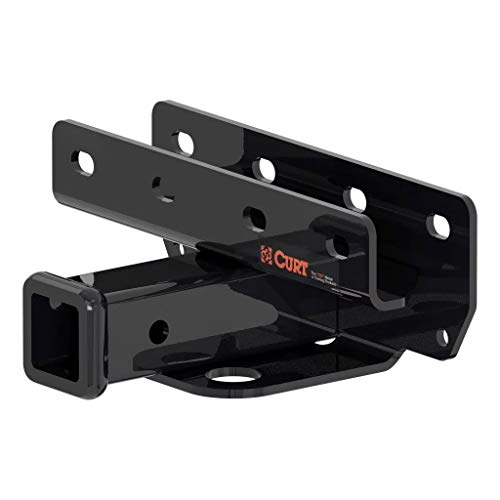
| Best for Jeep | Receiver size: 2″ x 2″ | GTW rating: 5,000 lbs | Tongue rating: 500 lbs | VIEW LATEST PRICE | Read Our Analysis |
| CURT Class 3 Trailer Hitch 2-Inch Receiver |

| Highest Capacity | Receiver size: 2″ x 2″ | GTW rating: 6,000 lbs | Tongue rating: 600 lbs | VIEW LATEST PRICE | Read Our Analysis |
| APS Class 3 Trailer Hitch for Honda Odyssey 1999-2017 |

| Best for Odyssey | Receiver size: 2″ (Class 3) | GTW rating: 3,500 lbs | Tongue rating: 350 lbs | VIEW LATEST PRICE | Read Our Analysis |
| Class 3 Trailer Hitch for Pathfinder/QX60 2inch |

| Best for Pathfinder | Receiver size: 2″ square | GTW rating: 6,000 lbs | Tongue rating: 600 lbs | VIEW LATEST PRICE | Read Our Analysis |
| APS Rear 2-Inch Class 3 Hitch for Odyssey |

| Best Value Pick | Receiver size: 2″ (Class 3) | GTW rating: 3,500 lbs | Tongue rating: 350 lbs | VIEW LATEST PRICE | Read Our Analysis |
More Details on Our Top Picks
CURT Class 3 Trailer Hitch 2-Inch Receiver (13392)
Should you drive a Jeep Wrangler JK or JL and you want a hitch that feels like it truly belongs on your rig, the CURT Class 3 Trailer Hitch Receiver (13392) is built for you. You get a 2 inch receiver with a custom, factory fit, so it bolts up clean and sits right. Next, you can tow up to 5,000 lbs GTW with 500 lbs on the tongue, and you can run a weight distribution setup for steadier pulls. You’ll also trust its carbon steel build, tough welds, and dual-coat finish that fights rust, chips, and sun fade. It meets SAE J684 too.
- Receiver size:2″ x 2″
- GTW rating:5,000 lbs
- Tongue rating:500 lbs
- Weight distribution:Yes (5,000 / 500)
- Material:Carbon steel
- Finish type:Dual-coat (A-coat + powder coat)
- Additional Feature:Jeep Wrangler JK/JL fit
- Additional Feature:On-vehicle tested design
- Additional Feature:SAE J684 compliant
CURT Class 3 Trailer Hitch 2-Inch Receiver
Should you drive a Ram truck and want a hitch that feels steady, simple, and ready for real work, the CURT Class 3 Trailer Hitch 2 Inch Receiver fits that role like a trusted tool in your garage. You get a 2 inch across 2 inch receiver that matches most tow gear. It’s rated for 6,000 lbs GTW and 600 lbs tongue weight. Whenever you use weight distribution, it supports up to 10,000 lbs and 1,000 lbs tongue weight, provided your setup allows. Next, its dual coat finish fights rust, chips, and sun. It’s SAE J684 tested. Install stays easy. Keep in mind vertical bike racks won’t fit.
- Receiver size:2″ x 2″
- GTW rating:6,000 lbs
- Tongue rating:600 lbs
- Weight distribution:Yes (10,000 / 1,000)
- Material:Steel (not specified further)
- Finish type:Dual-coat (A-coat + powder coat)
- Additional Feature:Fits select Ram trucks
- Additional Feature:Not for vertical racks
- Additional Feature:On-vehicle tested design
APS Class 3 Trailer Hitch for Honda Odyssey 1999-2017
A perfect fit can feel like a small relief anytime you’re already juggling kids, groceries, and weekend plans, and that’s exactly what the APS Class 3 Trailer Hitch brings to Honda Odyssey owners from 1999 to 2017. You get an OE-style look that tucks in with the factory rear bumper, so it doesn’t feel like an add-on.
Next, you’ll like how it mounts. You won’t drill. You’ll bolt it on with the included hardware, and the 38.8-pound carbon steel frame sits tight. Then you can tow up to 3,500 lbs with 350 lbs tongue weight, or use weight distribution up to 5,000 lbs.
- Receiver size:2″ (Class 3)
- GTW rating:3,500 lbs
- Tongue rating:350 lbs
- Weight distribution:Yes (5,000 / 500)
- Material:Carbon steel
- Finish type:Triple-layer (pre-treat + E-coat + powder coat)
- Additional Feature:No-drill bolt-on install
- Additional Feature:OE-style bumper integration
- Additional Feature:Spare parts 5 years
Class 3 Trailer Hitch for Pathfinder/QX60 2inch
Should you drive a 2013 to 2021 Nissan Pathfinder or a 2014 to 2021 Infiniti QX60 and you need a hitch that feels truly built for your SUV, this Class 3 2-inch receiver fits that job with confidence. It’s made for these models, so you won’t play the guessing game, but you should still confirm fit before you buy.
Next, you get real muscle: 6,000 pounds towing and 600 pounds tongue weight. The 2-inch tube takes ball mounts, weight distribution, cargo trays, and bike racks. Tough steel and black powder coat fight rust, and the welded receiver mouth stays solid. Bolt it on with included hardware and help.
- Receiver size:2″ square
- GTW rating:6,000 lbs
- Tongue rating:600 lbs
- Weight distribution:Yes (rated; capacity not specified)
- Material:Heavy-duty steel
- Finish type:Black powder coat
- Additional Feature:Pathfinder/QX60 fitment
- Additional Feature:Includes hardware instructions
- Additional Feature:Firm welded receiver mouth
APS Rear 2-Inch Class 3 Hitch for Odyssey
Minivan life gets a lot easier once you can trust what’s bolted to the back of it, and the APS Rear 2 Inch Class 3 Hitch for the Honda Odyssey gives you that calm, ready-for-anything feeling. It’s built for 1999 to 2017 Odysseys, with an OE style fit that sits right under the factory rear bumper.
Next, strength matters whenever your family gear adds up fast. You get 3,500 lbs weight carrying and 350 lbs tongue weight, or 5,000 lbs with weight distribution and 500 lbs tongue weight. It’s carbon steel, coated in glossy black powder plus rust-fighting aquence, and it’s SAE J684 tested, V5 certified. Bolt it on, no drilling, hardware and cover included.
- Receiver size:2″ (Class 3)
- GTW rating:3,500 lbs
- Tongue rating:350 lbs
- Weight distribution:Yes (5,000 / 500)
- Material:Carbon steel
- Finish type:Dual-coat (aqueous coating + powder coat)
- Additional Feature:Includes hitch cover
- Additional Feature:No-drill bolt-on install
- Additional Feature:OE style design
Factors to Consider When Choosing Class III Towing Hitch Receivers
Before you buy a Class III hitch receiver, you’ll want to make sure it truly fits your vehicle and matches your towing setup, so you can drive with confidence instead of second guessing every bump. Next, you should check the towing and tongue ratings, confirm whether it supports weight distribution, and verify the receiver size and class, because the right numbers and the right fit keep your load steady and your trip calmer. Finally, you’ll want strong steel construction and clean welds, since a hitch that’s built well feels like a quiet promise that your gear will stay right where it should.
Vehicle Fitment And Compatibility
Should you’re picking a Class III towing hitch receiver, the best match comes from treating fitment like a puzzle piece, not a “close enough” guess. Start off matching the hitch to your exact make, model, and model year, so it mounts like it belongs there. Next, confirm the receiver opening fits your setup, usually 2-inch × 2-inch, so your gear slides in cleanly.
Then look at how it installs. You’ll feel better choosing a no-drill, bolt-on design that uses factory mounting points, because it saves time and avoids headaches. Also check the shape. Vehicle-specific hitches follow bumper lines and frame rails, so you don’t rub wiring, sensors, or exhaust. Finally, keep the hitch aligned with your vehicle’s tow rating limits.
Towing And Tongue Ratings
Although a Class III hitch receiver appears as a simple square tube, its towing rating and tongue rating determine whether your trip feels calm and controlled or tense the entire way. Most Class III hitches list a gross trailer weight rating from 3,500 to 6,000 pounds. That number indicates the heaviest trailer you should pull. Next comes tongue weight, usually 350 to 600 pounds, which is the downward push at the coupler. Should your tongue weight be too high, steering can feel light, and bumps can feel sharper.
Then connect the dots across your whole setup. You always go according to the lowest rating on the hitch, ball mount, pin, ball, trailer coupler, and your vehicle. Also check WDTW numbers provided that you plan to use balanced towing hardware later.
Weight Distribution Capability
Your towing and tongue ratings tell you what your setup can hold, but weight distribution capability tells you how well it holds it whenever the road gets bumpy, windy, or busy. It spreads tongue weight and trailer load across your axles, so your truck stays level and calm.
As you move into Class III territory, this matters a lot. Many setups face 500 to 600 pounds of tongue weight and 6,000 pounds of trailer weight or more, provided ratings allow. A weight distribution hitch helps you handle those loads through balancing pressure, cutting sway, and helping your brakes feel steadier.
Still, you’ve got to match the hitch’s WD and WDTW ratings to your real trailer numbers. Once you do, your suspension geometry stays right, and steering feels more predictable.
Receiver Size And Class
Why does that square opening on the back of your truck matter so much while you’re shopping Class III? Because Class III receivers almost always use a 2 inch through 2 inch opening, and that one detail decides what you can plug in. Your ball mount, bike rack, and cargo carrier must match that 2 inch size, or you’ll fight wobble, noise, and bad fit.
Next, look at the class rating, not just the opening. Class III usually covers about 3,500 to 6,000 pounds, but your vehicle might allow less. So you need the hitch class, receiver size, your tow rating, and your real trailer weight to agree. In case you plan to tow heavier, choose a Class III that supports weight distribution for steadier control.
Steel Construction Quality
During the period you’re counting on a Class III hitch to pull real weight, the steel it’s made from becomes the part that keeps you calm and in control. Look for high strength carbon steel, because it carries load without flexing or feeling “spongy” whenever you hit bumps.
Next, pay attention to how that steel is put together. You want clean, consistent welds, since the joints take the same strain your trailer does. At the moment the frame is built right, it can handle up to 6,000 lbs of trailer weight and 600 lbs of tongue weight without drama.
Also, check that the maker builds to tough rules like SAE J684. That’s your quiet promise that the steel, the cuts, and the welds all work as one.
Corrosion-Resistant Coatings
Strong steel and solid welds grant you the muscle you need, but a corrosion-resistant coating is what keeps that muscle from getting eaten away over time. Whenever you tow in rain, snow, or salty slush, bare metal doesn’t get a break. So you’ll want a finish that fights back.
Start through looking for a dual-layer system: a rust-resistant liquid coat under a tough black powder coat. That combo helps stop rust, plus it stands up to chips, dust, UV rays, and wild temperature swings. Next, check the powder coat itself. A smooth, high-gloss surface isn’t just pretty; it seals better and stays tougher longer. In case you drive hard year-round, a triple-layer setup with pre-treatment, electro-coating, and powder coating can keep your hitch safer.
Installation Method And Hardware
Because a hitch is only as safe as the way it’s mounted, you’ll want an installation method and hardware kit you can trust before you ever hook up a trailer. Most Class III receivers use a bolt on design, so you can install it fast and skip drilling holes in your frame. That matters whenever you’re tired, in a driveway, and just want it done right.
Next, look closely at the hardware. You should get every bolt, nut, washer, and bracket needed, and they should match your vehicle’s mounting points. Custom, factory fit hitches help here, since the holes line up and the receiver sits square. Clear instructions, diagrams, and video support also keep you from second guessing steps and losing tow rating.
Safety Standards And Testing
During the period you’re trusting a hitch with your trailer, your boat, or even a rented moving box, you need proof that it won’t quit at the moment the road gets rough. Start with SAE J684. This standard means the receiver is built and tested for real towing, not just for looks. Next, look for on-vehicle testing. It simulates turning, braking, bumps, and sway, so you know the hitch stays locked to your frame. Then check structural tests. The hitch must hold its rated gross trailer weight and tongue weight without bending or cracking. Because strength alone isn’t enough, good brands add corrosion and durability tests for salt, rain, and grime. At the point a hitch meets these checks, you tow calmer and safer.
