

You’ll want turbo‑safe, oil‑based flushes that loosen sludge without stripping protective films. Top picks: Hi‑Gear Energy Release for external gears, TRIAX Pro for deep oil‑based cleaning, Liqui Moly motorspulung for concentrated professional cleanup, Salty Captain for marine flushing, and Motul Engine Clean for a quick, safe add‑in. Follow short idle times, replace the filter, and use the right oil afterward — keep going to see product specifics, compatibility tips, and safety steps.
| Hi-Gear Energy Release Motor Flush (15 fl. oz.) |
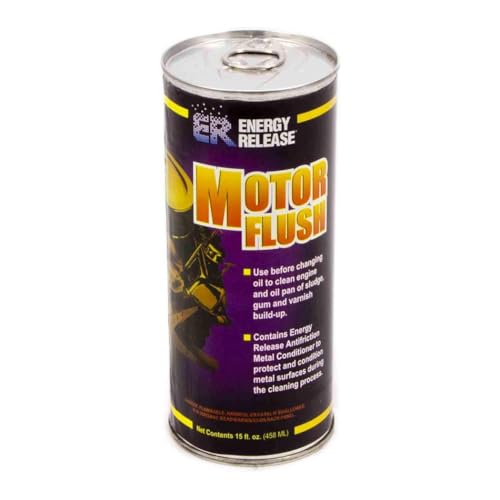
| Moisture-Resistant Performer | Purpose: Clean/condition internal components; reduce wear and friction | Application Method: Additive/aerosol spray applied to gears/chains and exposed parts | Compatible Engine Types: Automotive and small engines (cars, trucks, ATVs, motorcycles, lawnmowers) | VIEW LATEST PRICE | Read Our Analysis |
| TRIAX Pro Engine Flush Oil-Based Deep Cleaner |

| Professional Grade | Purpose: Dissolve sludge, varnish, carbon; restore oil circulation and compression | Application Method: Pour into crankcase with existing oil, idle 10–15 minutes, then drain | Compatible Engine Types: Gasoline and diesel 4‑stroke engines (including turbocharged) | VIEW LATEST PRICE | Read Our Analysis |
| Liqui Moly motorspulung 500ML (2427) PRO LINE Engine Flush |

| Trusted Premium Choice | Purpose: Clean engine internals; dissolve sludge and lacquer; suspend residues for removal | Application Method: Add to oil before oil change, then drain with old oil | Compatible Engine Types: Petrol and diesel engines | VIEW LATEST PRICE | Read Our Analysis |
| Salty Captain Marine Engine Flush (32 fl oz) |
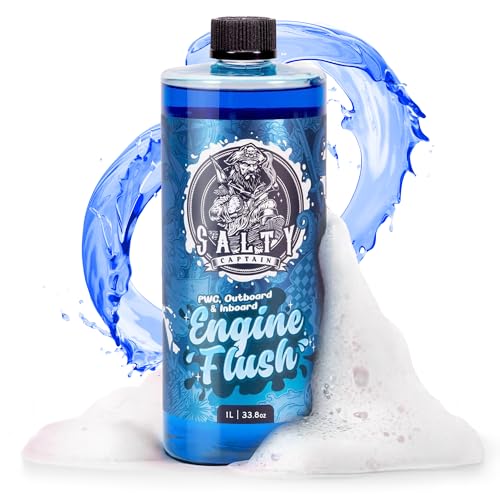
| Marine Specialist | Purpose: Remove salt, sand, oil, silt and other deposits from marine engines | Application Method: Flush/flush-through method using engine-mounted flushing (manual/Captain’s Musket) | Compatible Engine Types: Outboard, inboard, jet ski, PWC (marine gasoline engines) | VIEW LATEST PRICE | Read Our Analysis |
| Motul Engine Clean Oil Additive & Flush (300ml) |

| Everyday Maintenance Pick | Purpose: Dissolve deposits, sludge and varnish; clean piston rings and oil passages | Application Method: Pour into crankcase before draining oil, idle ~15 minutes, then change oil | Compatible Engine Types: Gasoline, diesel, turbocharged, naturally aspirated, hybrid engines | VIEW LATEST PRICE | Read Our Analysis |
More Details on Our Top Picks
Hi-Gear Energy Release Motor Flush (15 fl. oz.)
Provided that you want an aerosol motor flush that’s easy to apply and tough on grime, the Hi-Gear Energy Release 15 fl. oz. can is a solid pick — it sprays a moisture‑resistant, lubricating formula that loosens sludge and protects metal parts in wet or dusty conditions. You’ll get a pressurized, controlled spray that cleans and conditions gears, chains, and exposed components, forming a hydrophobic film to reduce friction, rust, and buildup. It’s versatile for cars, ATVs, motorcycles, lawn mowers, and industrial gearboxes. Tipping the scales at about 15.2 ounces with a 15 fl. oz. capacity, it’s user-friendly and highly rated.
- Purpose:Clean/condition internal components; reduce wear and friction
- Application Method:Additive/aerosol spray applied to gears/chains and exposed parts
- Compatible Engine Types:Automotive and small engines (cars, trucks, ATVs, motorcycles, lawnmowers)
- Protective/Performance Claims:Reduces friction, minimizes wear, moisture‑resistant, rust protection
- Safe for Seals/Components:Formulated to condition moving components and protect metal parts
- Packaging/Volume:15 fl. oz. aerosol can (15.2 oz weight)
- Additional Feature:Aerosol spray application
- Additional Feature:Hydrophobic moisture-resistant formula
- Additional Feature:Universal gear/chain use
TRIAX Pro Engine Flush Oil-Based Deep Cleaner
Should you run a shop or service high-mileage or turbocharged engines, the TRIAX Pro Engine Flush is a pro-grade, oil-based cleaner that rapidly dissolves sludge and carbon while being safe for seals and injectors. You add one 16 oz bottle to existing oil, idle 10–15 minutes, then drain, replace the filter, and refill. Its PAO/ester formula with polar esters, PIB succinimide and ZDDP suspends debris, protects wear, and combats turbo coking. It treats up to 10 quarts, suits gasoline and diesel 4-stroke engines (including turbos and HEUI), and avoids solvent harshness—ideal for professional maintenance.
- Purpose:Dissolve sludge, varnish, carbon; restore oil circulation and compression
- Application Method:Pour into crankcase with existing oil, idle 10–15 minutes, then drain
- Compatible Engine Types:Gasoline and diesel 4‑stroke engines (including turbocharged)
- Protective/Performance Claims:Restores power/compression, anti‑wear ZDDP, prevents turbo wear
- Safe for Seals/Components:Non‑solvent; stated safe for engine, seals, injectors
- Packaging/Volume:16 fl. oz. bottle (treats up to ~10 quarts)
- Additional Feature:PAO & ester-based
- Additional Feature:Contains ZDDP anti-wear
- Additional Feature:Treats up to 10 qt
Liqui Moly motorspulung 500ML (2427) PRO LINE Engine Flush
Should you want a professional-grade flush that tackles heavy sludge and lacquer, the Liqui Moly Motorspülung 500 ml (2427) PRO LINE is a strong choice — it’s formulated to dissolve deposits and suspend residues so they drain out with the old oil, making it especially well suited for petrol and diesel engines needing restorative cleaning prior to an oil change. You’ll add the 500 ml can to up to 5 liters of oil, run briefly, then drain; its concentrated detergents and dispersants clear lubrication holes, oil screens and piston-ring zones. Expect reduced noise, lower oil consumption and restored compression whenever followed by fresh oil.
- Purpose:Clean engine internals; dissolve sludge and lacquer; suspend residues for removal
- Application Method:Add to oil before oil change, then drain with old oil
- Compatible Engine Types:Petrol and diesel engines
- Protective/Performance Claims:Reduces engine noise and oil consumption; improves compression and performance
- Safe for Seals/Components:Detergent/dispersant technology intended for engine internals (safe use per directions)
- Packaging/Volume:500 ml can (approx. 16.9 fl. oz)
- Additional Feature:Concentrated 500 ml dose
- Additional Feature:Dissolves lacquer/sludge
- Additional Feature:Treats up to 5 L
Salty Captain Marine Engine Flush (32 fl oz)
Should you run saltwater or freshwater outboards, inboards, jet skis, or PWCs and want a quick, hands-on way to strip away salt, sand, oil, and silt, the Salty Captain Marine Engine Flush (32 fl oz) is a smart pick — it’s made to hook up to Captain’s Musket for fast engine-mounted flushing and includes corrosion inhibitors that independently reduced metal loss through 64% in testing. You’ll connect it to gasoline engines for manual flushing, rinse deposits effectively, and leave a protective barrier against rust and oxidation. Lightweight, Australian-made, highly rated (4.8/5), it helps maintain performance and reduce repair risk.
- Purpose:Remove salt, sand, oil, silt and other deposits from marine engines
- Application Method:Flush/flush-through method using engine-mounted flushing (manual/Captain’s Musket)
- Compatible Engine Types:Outboard, inboard, jet ski, PWC (marine gasoline engines)
- Protective/Performance Claims:Anti‑rust/corrosion inhibitors; reduces metal loss; protects against salt damage
- Safe for Seals/Components:Designed for marine engine components; contains corrosion inhibitors for protection
- Packaging/Volume:32 fl. oz. bottle (1 L)
- Additional Feature:Marine saltwater-focused
- Additional Feature:Works with Captain’s Musket
- Additional Feature:Anti-rust corrosion inhibitors
Motul Engine Clean Oil Additive & Flush (300ml)
Should you want a straightforward, low-risk flush that works with gasoline, diesel, turbo and hybrid engines, Motul Engine Clean is a smart pick — just pour the 300 ml bottle into the crankcase, idle for 15 minutes, then drain and change the oil to wash away sludge, varnish, and carbon deposits. You’ll dissolve deposits on piston rings, lifters, turbo lines, and restore oil flow with a detergent/dispersant formula. It’s safe for catalytic converters and DPFs, contains no harsh solvents, and suits daily drivers, bikes, and high-mileage cars. Use it each oil change to reduce friction, stabilize oil temperature, and support emissions.
- Purpose:Dissolve deposits, sludge and varnish; clean piston rings and oil passages
- Application Method:Pour into crankcase before draining oil, idle ~15 minutes, then change oil
- Compatible Engine Types:Gasoline, diesel, turbocharged, naturally aspirated, hybrid engines
- Protective/Performance Claims:Restores oil flow, reduces friction, improves fuel economy and emissions
- Safe for Seals/Components:No harsh solvents; safe for catalytic converters/DPFs and engine components
- Packaging/Volume:300 ml bottle (approx. 10.1 fl. oz)
- Additional Feature:Safe for DPF/catalysts
- Additional Feature:No harsh solvents
- Additional Feature:Designed for regular use
Factors to Consider When Choosing Engine Flushes
Upon picking an engine flush, you should initially confirm compatibility with your engine type and oil to avoid harm. Check the cleaning chemistry and whether it’s safe for seals and gaskets, and observe the application procedure so you’re prepared for any steps or wait times. Also verify treatment capacity to make sure one bottle covers your engine without overdilution.
Engine Compatibility
Because engine chemistry and components vary, you’ll want to confirm a flush is formulated for your engine type (gasoline or diesel) and rated safe for turbocharged or forced‑induction systems, sealing materials, emissions equipment, and the vehicle’s age or mileage so you don’t risk damage from incompatible solvents or overly aggressive formulas. Check that the product explicitly lists gasoline or diesel compatibility—diesel systems, injectors, EGR/DPF and higher‑compression parts often need different formulations. Confirm turbo-safe labeling and additives that protect oil lines and prevent coking. Verify compatibility with common gasket and seal materials to avoid swelling or shrinkage. For high‑mileage or heavily sludged engines, choose gentler, oil‑based or non‑solvent options to avoid dislodging large deposits. Make sure the manufacturer approves use around emissions components like catalysts, DPFs, and O2 sensors.
Cleaning Chemistry
Choose a flush through looking closely at its cleaning chemistry — solvent-based products decompose varnish fast, while oil-based polar cleaners (esters/PAO) penetrate and gently suspend deposits for drain-out. You’ll pick solvent formulas whenever you need rapid varnish removal, but know they’re more aggressive; oil-based polar cleaners chemically wet and solubilize polar films around piston rings and lifters, breaking down oil-insoluble deposits with less force. Look for detergent/dispersant additives that lift and hold sludge, carbon, and varnish in suspension so they exit with the drained oil after a short idle (5–20 minutes). Some flushes include high-ZDDP or anti-wear components to protect valve-train and turbo parts during treatment. Prefer non-solvent synthetic flushes for older engines to reduce seal and gasket risk.
Safety For Seals
In case you want to avoid leaks and premature seal failure, pick a flush that’s explicitly labeled “safe for seals” or non-solvent, and check compatibility with common elastomers like nitrile, Viton, and silicone; strong solvent or caustic formulas can swell, harden, or shrink rubber, so follow the manufacturer’s recommended dwell time (typically 10–15 minutes) and use milder detergent/dispersant chemistries for older engines. You should confirm chemical compatibility from product data or the maker whenever in doubt, since some detergents and esters attack specific elastomers. Limit exposure to the recommended interval to prevent seal groove softening. Avoid high-concentration solvent or caustic products on brittle seals. After flushing, replace the oil filter and refill with fresh oil to remove suspended debris and restore additive levels that protect seals.
Application Procedure
Upon preparing to use an engine flush, read the product instructions carefully and match the dose to your engine’s oil capacity—most 16–16.9 fl oz (473–500 ml) bottles treat roughly 9.5–10 quarts (about 9–10 L), so adjust for smaller sumps or larger capacities. Add the flush to warm oil, run the engine at normal operating temperature and modest RPM (idle to light load) so the cleaner circulates through galleries, rings, and valve-train passages. Stick to the recommended dwell time—most oil-based products advise 10–15 minutes. After that, fully drain the old oil, remove suspended contaminants, replace the filter, and refill with fresh oil and a new filter. Don’t exceed dwell limits or use aggressive solvent flushes on leaky or high-mileage engines without pro advice.
Treatment Capacity
Because treatment capacity determines whether a single bottle will do the job or you’ll need multiples, check the product’s treated-quart/liter rating and match it to your engine’s oil sump volume before you buy. You’ll want the stated treatment capacity to equal or exceed your oil capacity—most passenger cars use about 4–8 quarts (3.8–7.6 L), while trucks and large diesels often exceed 10 quarts (9.5+ L). For concentrated or partial-treat formulas, divide total engine oil capacity by the product’s treated-quart spec to calculate bottles needed. Also note whether the manufacturer designs the flush for short idle treatments (10–15 minutes) or longer/continuous applications; time and concentration change required volume. In case you service multiple vehicles or plan routine use, buy extra to cover variations and sequential flushes.
Turbocharger Compatibility
Should your car has a turbo, pick a flush that’s explicitly labeled safe for turbocharged engines and follow its short-idle instructions to the letter. Turbos have tight oil passages and high-temperature bearings that aggressive solvents can damage, so prefer oil-based, non-solvent flushes that suspend deposits without stripping anti-wear films. Look for PAO/ester-compatible or ZDDP-containing formulas and clear compatibility statements for turbo use. Follow recommended short idling periods—typically 10–15 minutes—then drain promptly to avoid dislodged debris circulating into the turbo. After flushing, always replace the oil filter and refill with the manufacturer-recommended oil and viscosity to protect bearings and maintain pressure. Avoid products with strong detergents or caustic solvents; they can remove protective films and raise turbo wear risk.
Environmental Impact
At the moment you pick an engine flush, consider beyond immediate cleaning power and consider downstream environmental costs: many formulas contain solvents, detergents, or dispersants that can harm aquatic life and overload wastewater systems, so used flush oil and rinses must be captured and handled as hazardous waste rather than poured down drains or onto soil. You should favor oil-based, non‑solvent flushes when possible because they emit fewer VOCs and lower inhalation risks. Watch for additives like ZDDP and phosphates that add metal and nutrient loads to waste streams. Keep in mind spent flush oil concentrates heavy metals, particulates, and organics, so always route wastes to certified recyclers. Choosing biodegradable chemistries and limiting flush frequency further reduces your environmental footprint.
Professional vs DIY
Balancing professional service against a DIY flush comes down to risk tolerance, cost, and your comfort level with engine care. Should you want controlled contact times, shop-grade concentrates, and a visual and diagnostic post-check (compression, oil pressure, drainback inspection), a pro reduces liability and handles loosened sludge and immediate filter replacement. You’ll pay labor, but you get know-how and minimized seal/sensor risk. DIY saves money when you pick an “add to oil” formula, dose per capacity (one bottle per ~10 quarts), and follow instructions precisely. You must change the oil and filter promptly to avoid re-circulation and watch for signs of blockage. Choose pros for complexity and peace of mind; DIY should you’re confident and fastidious.
