

The best engine motor oils for 2026 come down to five strong picks for the engines people actually run. This guide covers full synthetic oil, diesel oil, ATV and UTV oil, and 2-cycle oil in a simple way. You’ll see where grades like 0W-20, 10W-40, and 15W-40 fit best. I’ll also point out what sets each oil apart so choosing the right bottle feels a lot easier.
| STA-BIL Full Synthetic 2-Cycle Oil (22403) |

| Small Engine Pick | Oil Type: Full synthetic 2-cycle oil | Viscosity/ Mix: 50:1 / 40:1 mix | Engine Compatibility: 2-cycle engines | VIEW LATEST PRICE | Read Our Analysis |
| Valvoline 4-Stroke ATV UTV 10W-40 Motor Oil 1 Quart |

| Best for ATV/UTV | Oil Type: 4-stroke ATV/UTV motor oil | Viscosity/ Mix: 10W-40 | Engine Compatibility: 4-stroke ATV/UTV engines | VIEW LATEST PRICE | Read Our Analysis |
| Shell Rotella T4 Triple Protection 15W-40 Diesel Engine Oil 2.5 Gallon |
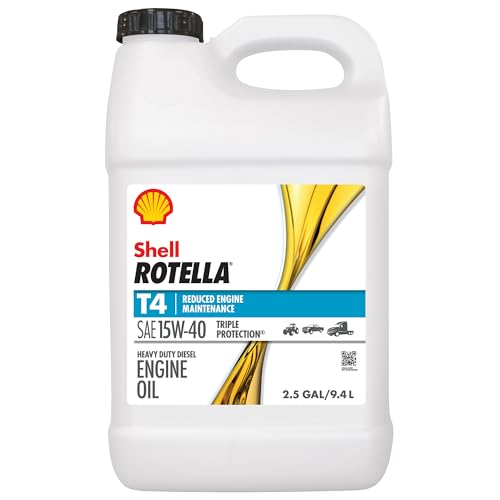
| Heavy-Duty Diesel | Oil Type: Diesel engine oil | Viscosity/ Mix: 15W-40 | Engine Compatibility: Heavy-duty diesel engines | VIEW LATEST PRICE | Read Our Analysis |
| Mobil 1 Truck & SUV Full Synthetic Motor Oil 0W-20 5 Quart |

| Best Overall | Oil Type: Full synthetic motor oil | Viscosity/ Mix: 0W-20 | Engine Compatibility: Car and truck engines | VIEW LATEST PRICE | Read Our Analysis |
| STP Premium 2-Cycle Oil with Fuel Stabilizer 16 Fl Oz |

| Best Value | Oil Type: 2-cycle oil with fuel stabilizer | Viscosity/ Mix: 40:1 / 50:1 mix | Engine Compatibility: 2-cycle small engines | VIEW LATEST PRICE | Read Our Analysis |
More Details on Our Top Picks
STA-BIL Full Synthetic 2-Cycle Oil (22403)
For small engine pick duty, STA-BIL Full Synthetic 2-Cycle Oil keeps your fuel mix simple and your exhaust a bit cleaner. You get full synthetic lubrication, a low-smoke formula, and built-in fuel stabilizer.
- Pour one 2.6 oz. bottle into 1 gallon of fuel.
- Use it in engines calling for 50:1 or 40:1 mixes.
- Check your owner’s manual, because tiny engines can be picky.
It helps reduce visible startup smoke and keeps fuel fresh for up to 12 months. And after opening, you’ve got up to 2 years of usability, so mark the date. Simple, tidy, and less smoky, which your garage and neighbors will appreciate.
- Oil Type:Full synthetic 2-cycle oil
- Viscosity/ Mix:50:1 / 40:1 mix
- Engine Compatibility:2-cycle engines
- Container Size:2.6 fl oz
- Protection Benefits:Lubrication, low smoke, fuel stabilization
- Container Type:Bottle
- Additional Feature:Low-smoke startup formula
- Additional Feature:Fuel fresh 12 months
- Additional Feature:One-shot gallon treatment
Valvoline 4-Stroke ATV UTV 10W-40 Motor Oil 1 Quart
Valvoline’s ATV/UTV-focused 10W-40 suits riders who need dependable protection in hard-working 4-stroke machines. You get a 1-quart bottle, universal fit for many ATV and UTV applications, and a formula built to lubricate both engine and transmission under high RPM and harsh off-road heat.
Why it stands out:
- Premium base oils and additives help control wear, deposits, and oil thickening.
- Friction modifiers support wet clutch performance, so shifting stays smooth under load.
- A 390°F flash point and strong film strength help resist breakdown.
And with 150-plus years of Valvoline heritage, you’re not exactly gambling here.
- Oil Type:4-stroke ATV/UTV motor oil
- Viscosity/ Mix:10W-40
- Engine Compatibility:4-stroke ATV/UTV engines
- Container Size:1 quart
- Protection Benefits:Wear, deposits, wet clutch protection
- Container Type:Bottle
- Additional Feature:Superior wet clutch protection
- Additional Feature:High-RPM performance formula
- Additional Feature:Smooth shifting support
Shell Rotella T4 Triple Protection 15W-40 Diesel Engine Oil 2.5 Gallon
Shell Rotella T4 is a heavy-duty diesel favorite whenever your truck or work equipment runs hot and works harder.
You get SAE 15W-40 viscosity, Triple Protection against wear, deposits, and oil breakdown, plus strong shear stability for steadier oil pressure. That matters whenever your diesel pickup, fleet truck, or construction rig faces heat, load, and long days.
Why it stands out:
- Low-ash formula helps protect DPFs and exhaust catalysts
- Advanced additives support cleaner engines across the drain interval
- Fits heavy-duty diesel applications, from agriculture to mining
The 2.5-gallon bottle gives you 320 fluid ounces, universal fit convenience, and fewer excuses for neglecting oil changes. Engines hate procrastination.
- Oil Type:Diesel engine oil
- Viscosity/ Mix:15W-40
- Engine Compatibility:Heavy-duty diesel engines
- Container Size:2.5 gallon
- Protection Benefits:Wear, deposits, oil breakdown protection
- Container Type:Bottle
- Additional Feature:Triple Protection technology
- Additional Feature:Low-ash emissions compatibility
- Additional Feature:Enhanced shear stability
Mobil 1 Truck & SUV Full Synthetic Motor Oil 0W-20 5 Quart
Mobil 1 Truck & SUV 0W-20 stands out as the all-around pick for drivers who want broad, dependable coverage.
You get an advanced full synthetic with Mobil 1’s Triple Action Formula:
- protects engine parts
- helps keep internals clean
- supports towing performance
It meets ILSAC GF-6, so you’re covered for LSPI protection, timing chain wear control, and fuel-economy support. And it handles extremes well, guarding up to 500°F and down to -40°F. You can also stretch oil changes up to 10,000 miles or 1 year, whichever comes first. In case your owner’s manual calls for 0W-20, this 5-quart bottle fits the job neatly, no drama.
- Oil Type:Full synthetic motor oil
- Viscosity/ Mix:0W-20
- Engine Compatibility:Car and truck engines
- Container Size:5 quart
- Protection Benefits:Engine protection, cleanliness, towing performance
- Container Type:Bottle
- Additional Feature:Up to 10,000 miles
- Additional Feature:Triple Action Formula
- Additional Feature:Proven towing performance
STP Premium 2-Cycle Oil with Fuel Stabilizer 16 Fl Oz
Should you want strong value in a 2-cycle oil, this STP bottle makes a smart pick. You get anti-wear lubrication, anti-scuffing protection, and antioxidants that resist heat-related breakdown, so your air-cooled small engine stays better protected.
It also works well for outdoor equipment like:
- string trimmers
- chainsaws
- leaf blowers
Use your owner’s manual, then mix at:
- 40:1, or
- 50:1
The built-in fuel stabilizer helps during infrequent use, while detergents control carbon deposits and reduce ring sticking. And yes, the squeeze-and-dose 16-ounce bottle makes measuring easier, which beats guessing and apologizing to your chainsaw later. Meets JASO FD specs, too.
- Oil Type:2-cycle oil with fuel stabilizer
- Viscosity/ Mix:40:1 / 50:1 mix
- Engine Compatibility:2-cycle small engines
- Container Size:16 fl oz
- Protection Benefits:Anti-wear, carbon control, corrosion protection
- Container Type:Bottle
- Additional Feature:JASO FD certified
- Additional Feature:Squeeze-and-dose bottle
- Additional Feature:Controls carbon deposits
Factors to Consider When Choosing Engine Motor Oil
At the point I choose engine motor oil, I start with the basics that matter most to your engine: the right match for engine type, the correct viscosity grade like 5W-30, and whether synthetic or conventional oil makes more sense for your driving. And I also check how the oil handles hot summers and cold starts, because operating temperature range affects flow and protection more than many drivers realize. Most of all, I always come back to the manufacturer’s specification requirements, since those approvals and standards are the closest thing to a cheat sheet for keeping your engine happy.
Engine Type Match
Because the wrong oil can cause problems fast, I always start via matching the oil to the engine itself: initially confirm whether you’ve got a 2 stroke or 4 stroke, since a 2 stroke needs 2 cycle oil mixed with fuel or fed through an injector system, while a 4 stroke uses separate crankcase motor oil, then check whether the engine is air cooled or liquid cooled, whether it’s a high revving small engine or a hard working diesel, and finally verify the exact viscosity and spec your manual calls for, such as SAE 10W-30, 15W-40, or 0W-20 plus the right API, ACEA, JASO, or OEM approval.
I also check one overlooked detail:
– Wet clutch compatibility for motorcycles and ATVs.
Use the wrong formula and hello clutch slippage. Not fun!
Correct Viscosity Grade
Although the label can look like alphabet soup at initially, I treat viscosity grade as one of the most vital choices you’ll make, since 0W-20, 10W-30, or 15W-40 tells you how easily the oil flows during cold starts and how well it holds its protective film once the engine is fully hot.
I always start with the owner’s manual, because modern clearances and turbochargers require specific SAE grades. Then I consider:
- Climate: 0W to 5W helps in deep cold.
- Heat/load: 30 or 40 can suit towing or sustained heat.
- Mileage: older engines might prefer a slightly thicker grade within the approved range.
Thinner oils can help fuel economy, while heavier grades can strengthen protection under stress. Ignore the manual, and your engine could complain louder than your wallet later.
Synthetic Vs Conventional
Once I’ve matched the right viscosity grade, I look at the oil’s base type: synthetic or conventional.
Here’s how I break it down for you:
- Synthetic oil uses engineered base stocks, so its molecules are more uniform. That usually means better viscosity stability and stronger film strength under stress.
- It also resists breakdown better during heavy-duty driving or high RPM use, which helps protect parts whenever oil gets worked hard.
- Many synthetics support longer drain intervals, often 7,500 to 10,000+ miles, provided your vehicle allows it.
Conventional oil still works well in many engines, especially provided you stick to shorter change intervals. And yes, switching between synthetic and conventional is usually safe, as long as I follow the correct viscosity plus API or ILSAC specs. No guesswork, no drama.
Operating Temperature Range
Balance matters here: I choose motor oil for the temperatures an engine actually sees, not just the number on the bottle, so I make sure the viscosity grade gives me easy cold-start flow with a low winter rating like 0W or 5W, while still holding a strong protective film at full operating heat with a second number like 20, 30, or 40.
I focus on:
- Cold starts. The W rating tells me whether oil will crank and pump at winter lows, even around -20°F.
- Hot operation. Most passenger engines run about 180 to 230°F, and turbos or heavy-duty setups run hotter.
- Stability. I want good shear stability and a high viscosity index, so oil resists thinning at high RPM.
Too thick when cold or too thin when hot? That’s a fast track to wear.
Manufacturer Specification Requirements
Because the label on the bottle only tells part of the story, I always match motor oil to the exact manufacturer requirements in the owner’s manual initially. That means I check:
- Viscosity grade, like 0W-20 or 15W-40, so cold starts stay smooth and the oil film holds under heat.
- Required standards and approvals, such as API, ACEA, ILSAC, or brand-specific specs, because warranty coverage and emissions hardware depend on them.
- Oil type: conventional, blend, or full synthetic, especially for turbo, diesel, and high-output engines.
And I don’t stop there. I follow the listed drain interval, plus any extended-service permission tied to a specific spec. I also watch for special annotations, like low-ash oil for DPF systems or formulas aimed at LSPI and timing-chain wear. Manuals are picky for good reason!
Additive Package Benefits
While viscosity gets most of the attention, I pay close attention to the additive package too, since that’s what helps the oil stay clean, protective, and stable from cold start to drain day.
I look for:
- Detergents and dispersants, which keep sludge and deposits from clogging rings and oil passages.
- Anti-wear additives like ZDDP, which lay down a sacrificial film whenever metal parts meet under high load.
- Viscosity improvers, polymer helpers that keep the oil from thinning too much as temperatures climb.
And I don’t ignore the supporting cast:
- Friction modifiers reduce internal drag.
- Pour-point depressants keep oil flowing in bitter cold.
- Antioxidants, corrosion inhibitors, and anti-foam agents fight oxidation, rust, and aeration.
A balanced package matters because shiny oil alone can’t save a dirty, foamy, worn-out engine.
Fuel And Emissions Compatibility
Additives protect the engine itself, but I also make sure the oil plays nicely with the hardware hanging off the exhaust, because the wrong formula can shorten the life of a catalytic converter, clog a diesel particulate filter, or leave a gasoline particulate filter and turbo coping with more deposits than they should.
I look for:
- Low-ash or mid-SAPS formulas, which cut sulfate ash, phosphorus, and sulfur that can poison DPFs and catalysts.
- The exact API, ACEA, and OEM specs my manual calls for, including emissions-focused diesel categories like CJ-4 or CK-4.
And in case I’m buying oil for a turbocharged or GPF-equipped engine, I want strong oxidation resistance and deposit control, because cleaner internals usually mean cleaner exhaust. A little label-reading now beats expensive emissions hardware later, trust me.
Change Interval Needs
Even the best oil won’t help much unless I leave it in service too long, so whenever I’m choosing a motor oil, I always match it to the change interval my engine manufacturer recommends, whether that’s roughly 3,000 to 10,000 miles for a passenger car or 50 to 500 hours for a mower, generator, or other small engine.
I only stretch drains with synthetic oil provided the manual allows it. Severe use means shorter intervals:
- towing
- short trips
- extreme heat or cold
- dusty work
And I keep an eye on the oil between changes:
- Check level.
- Look for heavy darkening.
- Smell for fuel.
- Watch for metal.
If anything looks off, I change it sooner. For two-strokes, I follow the fuel-oil mix ratio and service hours, because the oil burns along with the gas.
Frequently Asked Questions
Can Engine Oil Expire if Unopened on the Shelf?
Yes—coincidentally, I was just checking this myself: unopened engine oil can expire on the shelf. I’d tell you to expect about two to five years, depending on brand, additives, storage temperature, and contamination exposure.
How Should Used Motor Oil Be Disposed of Safely?
I safely dispose of used motor oil via draining it into a clean, sealed container and taking it to a recycling center, auto parts store, or service shop. I never dump it; that contaminates soil.
Can Switching Oil Brands Cause Engine Problems?
No—don’t lose sleep: I’d say switching oil brands usually won’t cause engine problems provided you use the correct viscosity and specifications. I’d avoid mixing incompatible formulations, and I’d change brands carefully provided your engine’s older.
What Do API and ILSAC Certifications Mean?
API certifications show an oil meets engine protection standards, while ILSAC certifications add fuel economy and emissions-system requirements. I’d tell you to check your owner’s manual, then choose oil carrying the exact rating your vehicle specifies.
How Often Should Oil Filters Be Changed With Oil?
Why risk old debris circulating? I change the oil filter every time I change oil, and you should too. Most manufacturers recommend matching both services, though severe driving might justify shorter intervals than your normal schedule.
