

You want reliable, long-lasting spark plugs that restore performance and reduce maintenance, so pick from these top six: NGK LKAR6AIX-11 Iridium IX (durable iridium tip), ANPTGHT L7T (2-stroke/small-engine fit), NGK BPR6ES 7131 (solid copper OE-style), NGK 3951 TR55 (six-pack copper), NGK Iridium IX for Honda Civic (direct-fit), and Atunee/ANPTGHT L7T 3-pack for trimmers; keep heat range, reach, and gap in mind, and scroll on to learn specifics and fitment tips.
| NGK LKAR6AIX-11 Iridium IX Spark Plug (91187 Iridium Ix) 4 Pack |
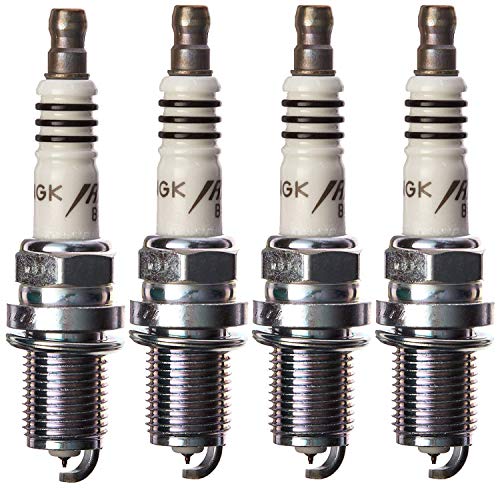
| Performance Pick | Core Material: Iridium | Thread Size: 14 mm | Quantity (Pack Size): 4 pack | VIEW LATEST PRICE | Read Our Analysis |
| ANPTGHT L7T Spark Plugs (2-Pack) for 2-Stroke Engines |
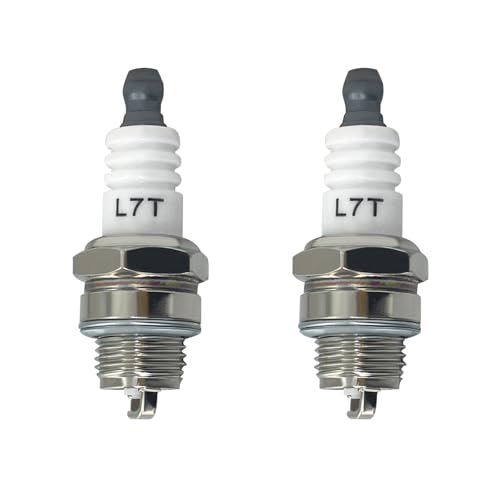
| Small-Engine Fit | Core Material: Copper alloy | Thread Size: M14 x 1.25 | Quantity (Pack Size): 2 pack | VIEW LATEST PRICE | Read Our Analysis |
| New NGK Standard Spark Plug BPR6ES 7131 Set of 4 Spark Plugs |

| Reliable Standard | Core Material: Solid copper core | Thread Size: 14 mm | Quantity (Pack Size): Set of 4 | VIEW LATEST PRICE | Read Our Analysis |
| NGK 3951 Spark Plugs TR55 (6 Pack) |
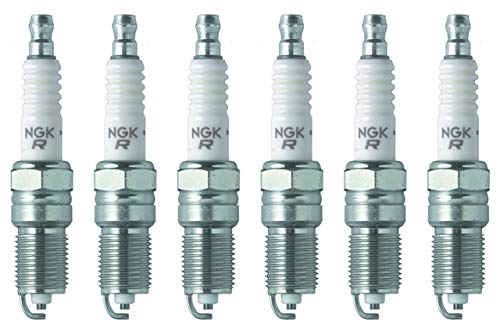
| Value Pack | Core Material: Copper | Thread Size: 14 mm | Quantity (Pack Size): 6 pack | VIEW LATEST PRICE | Read Our Analysis |
| NGK Iridium IX Spark Plugs for Honda Civic (4) |

| Vehicle-Specific | Core Material: Iridium | Thread Size: (standard automotive, implied 14 mm) | Quantity (Pack Size): 4 pc | VIEW LATEST PRICE | Read Our Analysis |
| Atunee L7T Spark Plugs 3-Pack for Small Engines |

| 2-Stroke Budget | Core Material: Alloy steel | Thread Size: (standard 14 mm for L7T replacement) | Quantity (Pack Size): 3 pack | VIEW LATEST PRICE | Read Our Analysis |
More Details on Our Top Picks
NGK LKAR6AIX-11 Iridium IX Spark Plug (91187 Iridium Ix) 4 Pack
Should you want high‑performance ignition and long service life, the NGK LKAR6AIX‑11 Iridium IX is built for you. You’ll get extreme ignitability and improved throttle response from its 0.6 mm laser‑welded iridium tip and tapered ground electrode, which minimize quenching and keep sparks consistent. A longer insulator nose and corrugated ribs reduce fouling and flashover, while a triple gasket seal stops combustion gas leakage. Iridium alloy and trivalent metal plating resist heat, wear, corrosion, and seizing, making it ideal for high‑performance engines. Sold as a four‑pack, it fits vehicle‑specific applications for cars and trucks.
- Core Material:Iridium
- Thread Size:14 mm
- Quantity (Pack Size):4 pack
- Intended Vehicle Type / Use:Car, Truck (automotive performance)
- Sealing / Insulator Features:Triple gasket seal; corrugated insulator ribs; longer insulator nose
- Typical Applications / Benefits:Extreme ignitability, improved throttle response, anti‑fouling (performance)
- Additional Feature:0.6 mm iridium tip
- Additional Feature:Tapered ground electrode
- Additional Feature:Trivalent anti‑seize plating
ANPTGHT L7T Spark Plugs (2-Pack) for 2-Stroke Engines
Assuming you run small 33–49cc 2-stroke engines—like pocket bikes, trimmers, chainsaws, or mini ATVs—the ANPTGHT L7T (2-pack) delivers a durable, high‑heat yttrium/copper electrode and copper‑core design that’s built to restore power and improve starting. You’ll get M14x1.25 threads, 9.5mm reach, 19mm hex, and a 0.6mm gap—fit for many Stihl, Husqvarna, and China‑made 33–49cc engines. Alumina ceramic increases heat transfer and insulation while raised melting‑point materials resist corrosion and extend service life. Multiple spark paths aim to improve fuel efficiency. Replace these whenever you notice hard starts, power loss, or rising fuel use.
- Core Material:Copper alloy
- Thread Size:M14 x 1.25
- Quantity (Pack Size):2 pack
- Intended Vehicle Type / Use:2‑stroke small engines (trimmers, chainsaws, pocket bikes, ATVs)
- Sealing / Insulator Features:Alumina ceramic insulator (improved insulation/heat transfer)
- Typical Applications / Benefits:Improved power, durability, corrosion resistance for 2‑stroke small engines
- Additional Feature:Yttrium/copper electrode
- Additional Feature:9.5 mm thread reach
- Additional Feature:19 mm hex size
New NGK Standard Spark Plug BPR6ES 7131 Set of 4 Spark Plugs
In case you want reliable, OE-quality replacement plugs for everyday driving, the NGK BPR6ES 7131 four-pack delivers consistent performance with a solid copper core that improves conductivity and heat dissipation. You’ll get four nickel-topped, center-position plugs that use a triple-gasket sealing process to stop combustion gas leaks and match OE fit and function. They suit many cars and trucks with a 14 mm thread, but check engine, trim, and quantity compatibility before buying. At about 3.31 x 0.94 x 3.32 inches and 8.3 ounces per pack, they’re highly rated (4.9/5 from 508 reviews) and easy to return within 30 days.
- Core Material:Solid copper core
- Thread Size:14 mm
- Quantity (Pack Size):Set of 4
- Intended Vehicle Type / Use:Car, Truck (automotive)
- Sealing / Insulator Features:Triple‑gasket sealing; ceramic insulator implied (NGK standard)
- Typical Applications / Benefits:Consistent OE performance, conductivity, heat dissipation (standard replacement)
- Additional Feature:Solid copper core
- Additional Feature:Triple‑gasket sealing
- Additional Feature:OE quality fit
NGK 3951 Spark Plugs TR55 (6 Pack)
In case you’ve got a vehicle that needs a reliable, OEM-style replacement, the NGK 3951 TR55 six-pack is a smart choice—its copper core and wider heat range help resist carbon buildup and pre-ignition, so you’ll get consistent starts and long-lasting performance across cars, trucks, ATVs and small engines. You’ll appreciate the patented triple-gasket seal that prevents combustion gas leakage and the OE pedigree NGK brings. These 14 mm, metal-topped plugs fit vehicle-specific applications and come in six per pack. With high customer ratings and broad fitment for cars, lawn mowers, motorcycles and more, they’re practical and dependable.
- Core Material:Copper
- Thread Size:14 mm
- Quantity (Pack Size):6 pack
- Intended Vehicle Type / Use:Car, Truck, SUV, Lawn mowers, ATV, Motorcycle, Scooter (multi‑use)
- Sealing / Insulator Features:Patented triple gasket sealing; resists carbon buildup
- Typical Applications / Benefits:Wider heat range, resists carbon buildup, reliable OE replacement
- Additional Feature:V‑Power performance design
- Additional Feature:Wider heat range
- Additional Feature:Sold in six‑pack
NGK Iridium IX Spark Plugs for Honda Civic (4)
Choose the NGK Iridium IX 4-pack should you want a direct-fit, high-durability spark plug specifically customized for Honda Civic 1.8L and 2.4L engines from 2012–2015. You’ll get genuine NGK parts in original packaging, a 0.044 in gap, and a direct replacement design—confirm fitment via Amazon Confirmed Fit. The set lists Sixity Auto as manufacturer with part number 4024140676, weighs 6.7 ounces, and initially appeared April 12, 2024 (ASIN B0D1LH8XGH). Reviews average 4.8/5 (28 reviews). Amazon offers a 30-day return guarantee; check seller warranty details and price-match prompts on the product page.
- Core Material:Iridium
- Thread Size:(standard automotive, implied 14 mm)
- Quantity (Pack Size):4 pc
- Intended Vehicle Type / Use:Car (Honda Civic compatibility)
- Sealing / Insulator Features:Standard NGK Iridium construction with insulator (direct OE replacement)
- Typical Applications / Benefits:Direct OE replacement for Honda Civic; optimized gap (0.044 in)
- Additional Feature:Vehicle‑confirmed fit
- Additional Feature:0.044 in gap
- Additional Feature:Genuine NGK packaging
Atunee L7T Spark Plugs 3-Pack for Small Engines
Should you need reliable spark plugs for 2-stroke small engines, the Atunee L7T 3-pack is a smart pick — it’s built for trimmers, blowers, chainsaws and other handhelds from brands like Husqvarna, Echo and Makita. You’ll get three L7T plugs made from alloy steel that resist corrosion, support stable acceleration, and can improve power while lowering fuel use. They fit Husqvarna 33–49cc models and replace common OEMs like NGK BPMR7A, Echo, Dolmar and Kawasaki part numbers. Packaged compactly (ATU-P3F89, ASIN B0B4D9TGMT), they carry solid reviews, a 30-day Amazon return option, and seller support for issues.
- Core Material:Alloy steel
- Thread Size:(standard 14 mm for L7T replacement)
- Quantity (Pack Size):3 pack
- Intended Vehicle Type / Use:Small engines (trimmers, chainsaws, lawn mowers, 2‑stroke)
- Sealing / Insulator Features:Alumina/standard insulator implied; corrosion resistance noted
- Typical Applications / Benefits:Stable acceleration, improved power, reduced fuel consumption for small engines
- Additional Feature:Replaces many OEMs
- Additional Feature:Alloy‑steel construction
- Additional Feature:After‑sales email support
Factors to Consider When Choosing Gas Spark Plugs
While choosing spark plugs, you’ll want to match heat range, electrode material, and thread size to your engine’s needs. You should also set and check the gap precisely and consider how the insulator design affects firing and fouling. Reflecting on these factors will help you choose plugs that enhance performance and reliability.
Heat Range Selection
Because a spark plug’s heat range controls how quickly the tip sheds combustion heat, picking the right range matters for both performance and longevity. You’ll choose between “hot” plugs that retain heat and “cold” plugs that dissipate it faster. Aim to keep the insulator nose around 500–850°C: below that you risk fouling, above it you invite pre‑ignition and overheating. Should your engine run high combustion temperatures, sustained high loads, is turbocharged, or has high compression, go one step colder to prevent detonation. For short trips, low loads, or carbon-prone engines, pick a hotter plug to burn deposits off. Make changes incrementally—one heat range step at a time—and always follow manufacturer guidance while monitoring plug condition, knock, and temperatures.
Electrode Material Choice
Choose electrode material based on the tradeoffs you’re willing to accept between ignitability, durability, and cost. Should you want the best ignitability and longest service life for high‑performance or modern engines, choose fine‑tip iridium (≈0.4–0.6 mm); it resists melting and concentrates spark energy. Should you want extended life over basic plugs but don’t need top‑end performance, choose platinum—single or double platinum reduces gap erosion. For strong initial performance and excellent thermal conductivity at a lower price, choose copper or copper‑core, but expect faster wear and more frequent changes. Also consider tip diameter and design: fine‑wire tips enhance spark intensity and reduce quenching. Finally, weigh material couples (mixed center/ground metals) to balance cost, longevity, and your engine’s operating temperature.
Thread Size Fitment
After you pick electrode material, you’ll need to match the plug’s threads to your engine — diameter, reach, and pitch all have to be exact to guarantee proper seating and sealing. Check thread diameter (commonly 10, 12, 14, or 18 mm) so the plug threads fit the cylinder head and avoid cross‑threading or combustion leaks. Verify reach—short (~9–12 mm) or long (~19–26 mm)—so the electrode neither protrudes into the chamber nor sits recessed. Confirm thread pitch (for example M14 x 1.25) to make certain proper engagement and torque without damaging threads. Using the wrong size or reach risks broken plugs, cross‑threading, piston contact, or compression loss. Always consult the engine manufacturer’s specifications rather than guessing by sight.
Gap Size Importance
Whenever you set a spark plug’s gap, you’re deciding how far the ignition spark must jump — a distance that directly controls spark energy and combustion quality. The right gap prevents weak combustion and poor throttle response from being too small, and avoids misfires or no spark whenever it’s too large for high-compression or weak-coil systems. Factory gaps generally sit between 0.028–0.060 in (0.7–1.5 mm), so follow your vehicle or ignition manufacturer’s spec rather than guessing. Bear in mind gap size interacts with coil output: high‑energy or aftermarket systems can handle larger gaps for better combustion, while older coils need smaller gaps. Use an accurate feeler gauge or gap tool and don’t bend or round electrodes when adjusting.
Insulator Design Impact
Because the ceramic insulator is the spark plug’s interface with combustion and the ignition system, its shape, material, and mechanical design directly affect heat control, fouling resistance, voltage handling, and sealing reliability. You should pick insulator nose length to match operating conditions: longer noses raise surface area and keep the tip hotter to resist carbon build-up in rich or low-speed use, while shorter, tapered noses reduce quenching and improve ignitability for high-performance engines. Check material purity—alumina ceramic’s dielectric strength and thermal conductivity govern voltage withstand and heat transfer from the firing end. Look for corrugated (ribbed) profiles to lengthen leakage paths and prevent flashover. Finally, inspect wall thickness and reinforcement around the seat to guarantee reliable sealing and resistance to thermal shock and cracking.
Corrosion Resistance Needs
Insulator design helps manage heat and fouling, but you also need to contemplate how the plug will withstand the chemical attack of combustion gases, moisture, and road salts. Corrosion eats at electrodes and shells, raising resistance and increasing misfire risk, so choose plugs with corrosion‑resistant materials or noble‑metal plating. Coatings and stainless or treated shells cut oxidation and reduce the chance of frozen plugs and thread galling in the cylinder head. Should you run vehicles in wet or salty environments or store equipment outdoors, prioritize proven protection because thermal cycling plus moisture accelerates rust and pitting. Also look for sealed terminals and corrosion‑resistant ground electrodes. Finally, combine good materials with correct torque, selective anti‑seize use, and clean ignition boot seals to maximize life.
Application Specificity
Upon selecting spark plugs, match the plug type, dimensions, and heat range to your engine’s design and typical use so you get reliable ignition and long service life. Pick iridium or platinum for high‑performance or high‑heat engines for durability and consistent spark; choose copper/alloy for small two‑strokes or low‑compression engines to aid heat dissipation. Fit the manufacturer‑specified thread size, reach, and hex—wrong reach risks pre‑ignition or piston contact, wrong threads can strip the head. Select a heat range: colder for sustained high‑RPM loads, hotter for low‑load intermittent use to prevent fouling. Confirm the recommended gap and electrode geometry for your ignition type (coil‑on‑plug, magneto, etc.). In harsh, wet, or dirty environments, prefer corrosion‑resistant plating and longer insulator noses.
Longevity And Cost
Provided that you want the lowest long‑term cost, focus on plug material, expected service interval, and how often you’ll pay labor. Iridium and platinum last roughly 60,000–120,000 miles, while copper/nickel need replacement every 20,000–30,000 miles, so precious‑metal plugs reduce replacements. They cost 2–5× more upfront, but fewer changes and lower cumulative labor often make them cheaper per mile. Factor in $50–$150 labor per service in case you don’t DIY; that quickly amplifies savings from longer intervals. Also consider your driving: frequent short trips, heavy loads, or fouling shorten life and raise ownership cost, even for iridium. Calculate cost per 1,000 miles including plug price, likely interval, and estimated labor to compare real value.
