

If you have ever opened your hood and found green crust on a battery post, you know how quickly a small problem can become a bigger headache.
The right grease or spray can block moisture, slow oxidation, and keep power flowing cleanly.
From dielectric grease to battery sealer sprays, each option works a little differently, and that choice can make a real difference when your car faces heat, rain, salt, or long storage.
| Super Lube Anti-Corrosion Connector Gel (3 oz) |  | Best Overall | Form: Gel | Corrosion Protection: Anti-corrosion | Electrical Use: Connectors | VIEW LATEST PRICE | Read Our Analysis |
| STA-BIL Rust Stopper Anti-Corrosion Spray and Lubricant | 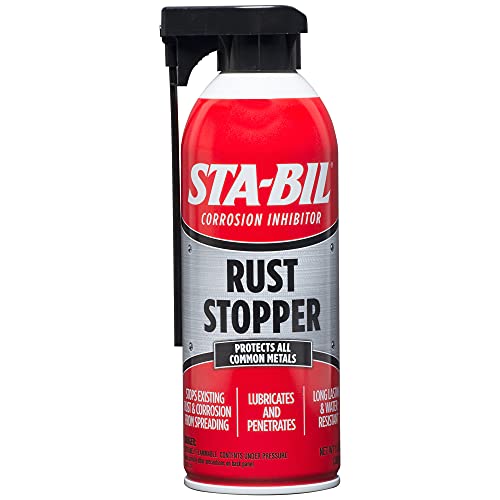 | Fast-Acting Protector | Form: Spray | Corrosion Protection: Rust-stopping | Electrical Use: Battery terminals | VIEW LATEST PRICE | Read Our Analysis |
| CRC INDUSTRIES DI-ELECTRIC GREASE-3.3 OZ. POWER DISPENSER (05113) |  | Best Dielectric Grease | Form: Grease | Corrosion Protection: Corrosion-resistant | Electrical Use: Electrical connections | VIEW LATEST PRICE | Read Our Analysis |
| CRC Marine Premium Dielectric Grease with Select-A-BEAD Nozzle |  | Marine-Grade Pick | Form: Grease | Corrosion Protection: Corrosion-protective | Electrical Use: Electrical insulating | VIEW LATEST PRICE | Read Our Analysis |
| Permatex 80370 Battery Protector and Sealer 5 oz. net Aerosol Can |  | Best Battery Sealer | Form: Spray | Corrosion Protection: Battery protector | Electrical Use: Battery terminals | VIEW LATEST PRICE | Read Our Analysis |
| Permatex Dielectric Grease Grease | 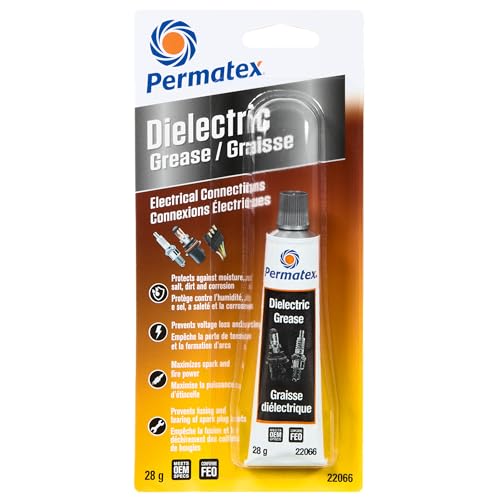 | High-Temp Formula | Form: Grease | Corrosion Protection: Corrosion-resistant | Electrical Use: Electrical connections | VIEW LATEST PRICE | Read Our Analysis |
More Details on Our Top Picks
Super Lube Anti-Corrosion Connector Gel (3 oz)
If you want a clean, low-fuss way to protect your battery terminals, Super Lube Anti-Corrosion Connector Gel is a strong choice. It provides a thick moisture barrier and long-lasting corrosion protection in one easy step. You can apply the translucent amber gel to terminals, connectors, and fuse points. It resists oxidation without oil separation. With high dielectric strength, it helps shield exposed electrical parts while remaining safe on plastics and metals. Its thin NLGI 0 formula also makes maintenance faster, so you can keep your car starting strong and your maintenance routine simple.
- Form:Gel
- Corrosion Protection:Anti-corrosion
- Electrical Use:Connectors
- Water Resistance:Moisture barrier
- Lubrication:Synthetic lubricant
- Container Type:Tube
- Additional Feature:NSF H1 registered
- Additional Feature:No oil separation
- Additional Feature:High dielectric capability
STA-BIL Rust Stopper Anti-Corrosion Spray and Lubricant
STA-BIL Rust Stopper Anti-Corrosion Spray and Lubricant is a smart pick when you want fast protection for battery terminals and other bare metal parts that are already starting to show rust. You can spray it on to stop corrosion on contact and leave a durable shield behind. That layer also helps protect electrical parts, metal fittings, and exposed hardware. Because it resists water and weather, you get steady protection on cars, bikes, boats, and RVs. It can also reduce squeaks and sticking, which makes upkeep easier. Mark the opening date, since it stays usable for two years.
- Form:Spray
- Corrosion Protection:Rust-stopping
- Electrical Use:Battery terminals
- Water Resistance:Weather-resistant
- Lubrication:Lubricant
- Container Type:Spray
- Additional Feature:Stops rust on contact
- Additional Feature:Mark opening date
- Additional Feature:2-year after opening
CRC INDUSTRIES DI-ELECTRIC GREASE-3.3 OZ. POWER DISPENSER (05113)
CRC Industries Dielectric Grease 05113 is a practical choice if you want one product that does more than protect battery terminals. It can be used on electrical connections, wire connectors, spark plug boots, switches, fuses, and light sockets, so it earns its place in your garage. Its moderate to low viscosity helps it spread evenly, and the tube makes application neat and easy. With heat resistance up to 400 degrees Fahrenheit, it is suitable for hot engine areas. It also helps protect rubber, plastic, and O-rings, adding extra value.
- Form:Grease
- Corrosion Protection:Corrosion-resistant
- Electrical Use:Electrical connections
- Water Resistance:Moisture resistant
- Lubrication:Plastic/rubber lube
- Container Type:Tube
- Additional Feature:400°F temperature rating
- Additional Feature:Power dispenser tube
- Additional Feature:Protects O-rings
CRC Marine Premium Dielectric Grease with Select-A-BEAD Nozzle
For drivers who want a clean, easy way to protect battery terminals from corrosion and moisture, the Marine Premium Dielectric Grease with Select-A-BEAD Nozzle is a smart choice. It comes as a non-curing grease in a 3.3-ounce pressurized can, so it stays in place after application. The Select-A-BEAD nozzle lets you adjust the bead width for smooth, continuous coverage. That makes sealing, insulating, and lubricating easier. It also helps reduce arcing and voltage drop, which can improve performance in bad weather. CRC designed it for dependable automotive electrical protection.
- Form:Grease
- Corrosion Protection:Corrosion-protective
- Electrical Use:Electrical insulating
- Water Resistance:Adverse-weather
- Lubrication:Lubricating compound
- Container Type:Pressurized can
- Additional Feature:Select-A-BEAD nozzle
- Additional Feature:Non-curing compound
- Additional Feature:Reduces voltage drop
Permatex 80370 Battery Protector and Sealer 5 oz. net Aerosol Can
Permatex 80370 Battery Protector and Sealer is a practical choice if you want a simple spray that helps prevent corrosion before it starts. You can apply it to battery terminals, cables, and battery tops, then let the clear coating help block acid and salt buildup. It works on automotive, marine, farm, and motorcycle batteries, giving you one useful solution for multiple vehicles. It also helps support better electrical flow, which may lead to more reliable starts and less drain. The 5 oz aerosol can is easy to use, and it suits both active batteries and storage use.
- Form:Spray
- Corrosion Protection:Battery protector
- Electrical Use:Battery terminals
- Water Resistance:Seals terminals
- Lubrication:Coating
- Container Type:Aerosol can
- Additional Feature:Clear aerosol spray
- Additional Feature:Helps prevent battery drain
- Additional Feature:Longer battery life
Permatex Dielectric Grease Grease
A smart choice for anyone who wants reliable battery terminal protection, this dielectric grease helps block moisture, salt, dirt, and corrosion before they can cause problems. It also helps reduce voltage leakage and arcing, keeping electrical connections more stable. As a high temperature lubricant, it helps protect rubber, plastic, and ceramic parts during tune ups. That means easier spark plug boot removal, less tearing, and better ignition performance. Used on terminals, sockets, switches, and caps, it can help your vehicle’s electrical parts last longer.
- Form:Grease
- Corrosion Protection:Corrosion-resistant
- Electrical Use:Electrical connections
- Water Resistance:Moisture resistant
- Lubrication:High-temp lube
- Container Type:Tube
- Additional Feature:High-energy ignition systems
- Additional Feature:Prevents voltage leakage
- Additional Feature:Assembled in U.S.A.
Factors to Consider When Choosing Grease for Car Battery Terminals
When you choose grease for your car battery terminals, look for strong corrosion resistance so the metal stays cleaner for longer. You will also want solid dielectric strength, a good moisture barrier, easy application, and temperature tolerance that holds up in heat and cold. The right grease can make battery care feel less annoying and more reliable.
Corrosion Resistance
Corrosion resistance matters most because your battery terminals face a rough mix of moisture, road salt, heat, and vibration every day. You need grease that blocks corrosive buildup and keeps a steady shield in place. Look for a moisture-resistant formula that keeps salt, dirt, and water off exposed metal, since those three often combine and damage a good terminal. A grease that resists oil separation works better over time, especially when your car shakes or the weather changes. Thin gel style coatings can also help protect terminals, connectors, and nearby metal parts without making a mess. If rain or humidity is common, choose a product that keeps protecting the surface after exposure, so you do not have to redo the job too soon.
Dielectric Strength
After you have picked a grease that stands up to moisture and road grime, you also need one that will not let stray current pass where it should not. Dielectric strength tells you how well the grease resists electrical flow, so voltage stays where it belongs, at the terminal. When that rating is high, you reduce the chance of arcing and unwanted current paths caused by dirt, salt, or damp air. You want a nonconductive grease that insulates exposed metal without breaking down under heat, vibration, or engine bay stress. Greases made for electrical use usually perform well in this role, and they also help resist oxidation and corrosion over time. That matters because a battery connection should stay steady, safe, and ready to start your car without drama.
Moisture Barrier
A good grease for your car battery terminals should do more than just sit there and look helpful. You need a strong moisture barrier that blocks water before it reaches the metal and starts corrosion. When rain, humidity, or washdowns hit, a moisture-resistant grease keeps the conductive surfaces dry and stable, which helps you avoid that frustrating green crust. Look for a non-curing formula that stays in place because it continues sealing as the weather changes. You also want corrosion-blocking protection since moisture speeds up oxidation quickly. A solid barrier can also help stop acid-salt buildup by sealing out damp air. That matters because clean, dry terminals hold up better and save you trouble later.
Application Method
When choosing grease for battery terminals, the way you apply it matters just as much as the grease itself. You want even coverage on every exposed metal surface so moisture and oxidation cannot get in. After you clean and dry the terminal, use a grease style product for precise placement on the post, clamp, and nearby contacts. If you prefer speed, a spray or aerosol can cover several connection points quickly, but make sure it lands where you need it. For tight spots, a nozzle or bead control applicator helps you direct the product and avoid waste. You do not need a thick layer, just a thin, steady coating that clings to the metal. That simple step keeps the barrier where it should be and helps protect your battery setup.
Temperature Tolerance
Heat matters a lot here because your battery area does not stay at one calm, steady temperature. You need grease that stays stable through engine bay heat, summer traffic, and the warmth from charging. If the grease gets too thin, it can run off the terminal and leave metal exposed. If it keeps its body, it holds a steady barrier and keeps moisture out. Look for a published upper temperature rating, because that tells you how well it can handle long periods of heat. Thin gels can still work, but they must stay firm enough at high temperatures to remain on the connection. When heat resistance drops, corrosion protection and insulation fade with it, and that can turn a small upkeep job into a bigger headache.
Compatibility With Materials
Because your battery area mixes metal, plastic, and rubber in a tight space, you need a grease that is compatible with all three. Choose a product that is safe for metal and plastic so it will not stress clamps, housings, or nearby connectors. You should also check for rubber and elastomer compatibility, since cable boots and seals can dry out or swell when the wrong product touches them. A noncuring dielectric grease is usually a smart choice because it protects contacts without damaging surrounding parts. A thin to moderate gel also spreads cleanly on small terminals and mixed assemblies. If the label mentions stable performance on plastics and metals, along with moisture, salt, and corrosion resistance, you are on safer ground. That small label check can save you a lot of hassle later.
Long-Lasting Protection
For long-lasting protection, choose a grease that keeps working long after application. It should form a tough moisture barrier because water, salt, and air can drive corrosion quickly. Strong corrosion resistance and oxidation resistance are also important so the coating does not break down too soon. A non-curing formula that does not separate oil stays in place on terminals and connectors, which helps reduce mess and maintain even coverage. High dielectric strength helps insulate the area, reduce voltage leakage, and limit arcing. It should also withstand normal water wash and harsh weather. That matters whether the battery is used every day or kept in storage, because protection should remain reliable over time.
Frequently Asked Questions
Can I Use Petroleum Jelly on Battery Terminals?
Yes, you can use petroleum jelly on battery terminals, but you should not rely on it alone. For better corrosion protection, use dielectric grease or a battery terminal protectant, then tighten the connections and inspect them regularly.
How Often Should Battery Terminal Grease Be Reapplied?
Usually, you should reapply battery terminal grease every 6 to 12 months. In salty climates, check it sooner, because corrosion can form fast. Fresh protection before winter helps keep the terminals in good condition.
Does Grease Affect Electrical Conductivity?
No, grease usually does not improve conductivity. It is mainly used to block moisture and reduce corrosion. Good contact is maintained when it is applied after tightening clean terminals, since excess grease can insulate surfaces.
Is Dielectric Grease Safe for Aluminum Terminals?
Yes, you can use dielectric grease on aluminum terminals. It will not conduct, but it can help protect them from moisture and corrosion. Apply a thin coat after tightening to avoid trapping debris or loosening the connection.
Should I Clean Terminals Before Applying Grease?
Yes, you should clean them first. You will get better contact and longer corrosion protection when you remove buildup, dry the terminals, then apply grease sparingly after tightening the connections.
