

For a 2026 outboard, pick spark plugs that match the exact thread, reach, heat range, and seal.
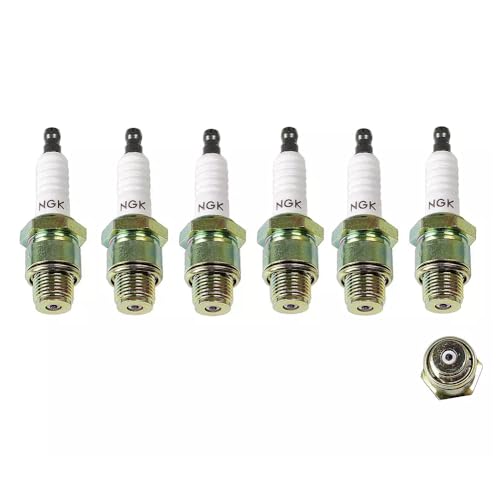
Mercury and Mariner owners often do well with OEM-style BU8H plugs. NGK BKR6E and B8HS-10 plugs offer durable insulators and dependable sealing.
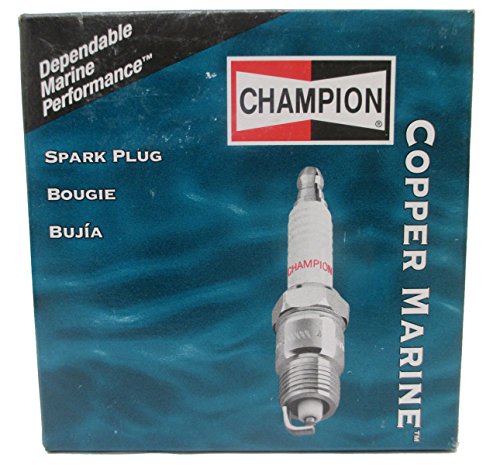
Champion 828M copper plugs are a solid marine-ready choice too.



More Details on Our Top Picks
BU8H Non-Resistor Spark Plugs Compatible With Mercury/Mariner
Need a Mercury fit? You can pick the BU8H-6PK-01 set for many Mercury and Mariner outboards, from 25 hp to 300 hp, across 1978 to 2002. These six non-resistor plugs arrive pre-gapped, so you save setup time and skip the ritual of “close enough.”
Copper cores and copper tops help carry spark well, and the RM thread size matches vehicle-specific watercraft fitment. Use them in Magnum, EFI, XR, Offshore, or 3.4L setups. Keep the OEM number BU8H (6431) handy whenever ordering!
- Plug Type:Non-resistor
- Pack Size:6-pack
- Core Material:Copper
- Thread Size:RM
- Fit Type:Vehicle specific fit
- Marine Use:Mercury/Mariner outboards
- Additional Feature:Non-resistor design
- Additional Feature:Pre-gapped plugs
- Additional Feature:Copper core/top
NGK 6962-4PK BKR6E Standard Spark Plug Box of 4
NGK’s BKR6E 4-pack suits versatile engines. You get four Japanese-made plugs with a 14mm x 1.25mm thread, a copper core, and a nickel tip that helps extend life. Its high-alumina ceramic insulator improves heat transfer and insulation, while the longer nose can cut misfiring.
And the triple-gasket seal fights combustion gas leaks, so carbon buildup and pre-ignition stay in check. It fits many watercraft and powersports engines, plus several OEM cross-references. Just confirm compatibility beforehand, because spark plugs enjoy precision more than surprises!
- Plug Type:Standard
- Pack Size:4-pack
- Core Material:Copper
- Thread Size:14mm x 1.25mm
- Fit Type:Vehicle specific fit
- Marine Use:Watercraft compatible
- Additional Feature:Triple gasket sealing
- Additional Feature:High-alumina ceramic insulator
- Additional Feature:Nickel-tipped electrode
Champion 828M Pack of 4 Copper Marine Spark Plugs (QL77JC4)
Champion 828M plugs are a marine favorite for boats, trucks, and small engines. You get a pack of 4 genuine Champion copper-core plugs, part numbers 828M and QL77JC4, with a 14 mm x 1.25 thread, 12.7 mm reach, flat seat, and 21 mm hex.
Their solid terminal and non-projected tip suit listed outboard applications nicely. Copper helps conductivity and heat control, while the bulk-packed, 0.5-pound set keeps things simple. Check your owner’s manual and compatibility list initially, because spark plugs enjoy precision far more than guesswork.
- Plug Type:Standard
- Pack Size:4-pack
- Core Material:Copper
- Thread Size:14mm x 1.25mm
- Fit Type:Vehicle-specific fit
- Marine Use:Marine applications
- Additional Feature:Flat seat
- Additional Feature:Non-projected tip
- Additional Feature:Solid terminal
Inline Spark Plug Tester for Engine Ignition Diagnostics
An inline spark plug tester is a handy diagnostic tool for chasing stubborn ignition faults. You connect it between the plug and wire, then watch for a bright white flash that means healthy spark. A dim or jumping glow points to weak coil output, bad cables, dirty plugs, or contact-point trouble, and it can also hint at fuel-delivery issues.
It works on 2- and 4-stroke engines, including outboards, and its 11.3-inch length reaches awkward spots. Fast, safe, and simple, it takes about 30 seconds. Even the bulb’s replaceable, because nothing lasts forever.
- Plug Type:Spark tester
- Pack Size:Single tester
- Core Material:Metal probe
- Thread Size:N/A
- Fit Type:Fits 2-/4-stroke engines
- Marine Use:Outboards supported
- Additional Feature:Bright white indicator
- Additional Feature:30-second quick test
- Additional Feature:Replaceable internal bulb
NGK 3672 Pack of 4 Spark Plugs LFR6A-11
For reliable ignition, the NGK 3672 LFR6A-11 pack of 4 makes a premium upgrade for exact-fit engines. You get a vehicle-specific fit, 14 mm x 1.25 mm threads, and nickel construction on both core and top, so installation stays straightforward.
Each pack includes four plugs, model 3672, and weighs just 0.48 pounds. Use them in cars or trucks where the spec matches. Nice whenever a tiny part quietly does its job!
- Plug Type:Standard
- Pack Size:4-pack
- Core Material:Nickel
- Thread Size:14mm x 1.25mm
- Fit Type:Vehicle specific fit
- Marine Use:Not specified
- Additional Feature:NickeI core electrodes
- Additional Feature:4.8 average rating
- Additional Feature:638 customer reviews
NGK 5126 Spark Plug – B8HS-10 4 Pack
NGK 5126 B8HS-10, 4 pack gives you a solid all-rounder spark plug upgrade. You get a 1 millimeter gap, a 14 millimeter thread, and a solid copper core that helps carry heat efficiently. Its high alumina ceramic insulation enhances electrical insulation, while the nickel-tipped electrode and triple gasket seal work to fight wear, leakage, carbon buildup, and pre-ignition.
That wider heat range suits watercraft and other vehicles, so your outboard can stay cleaner and run smoother. Four plugs come in the box, which is handy. Basically, it’s practical, reliable, and invigoratingly un-fussy!
- Plug Type:Standard
- Pack Size:4-pack
- Core Material:Copper
- Thread Size:14mm
- Fit Type:Vehicle Specific
- Marine Use:Watercraft compatible
- Additional Feature:1 mm gap
- Additional Feature:1-year warranty
- Additional Feature:Triple gasket sealing
Factors to Consider When Choosing Outboard Motor Spark Plugs
Whenever you choose outboard motor spark plugs, start with engine compatibility and the heat range, because the wrong plug can leave your motor running rough or running too hot. Then check the thread size, electrode material, and whether you need a resistor type, since those details affect fit, ignition performance, and radio noise. Match all five factors to your engine specs, and you’ll save yourself a lot of avoidable headaches, which is always a nice bonus!
Engine Compatibility
Compatibility foremost: the best spark plug for your outboard is the one that fits the engine exactly, not the one that just “looks close enough.” Check the thread size and reach in the manual, because a common 14 mm plug with the wrong reach can sit too shallow or too deep in the combustion chamber, and neither option is friendly to performance or longevity.
Then match the plug’s design to the engine:
- resistor or non-resistor, exactly as specified
- projected or non-projected tip, for the chamber shape
- solid terminal or threaded terminal, for the coil boot
- flat or tapered seat, for proper head sealing
- copper core or alloy construction, for the service interval
Get these details right, and you’ll save yourself from a very expensive game of “why won’t it run right?”
Heat Range
Even the best-fitting spark plug can give you grief in case the heat range is wrong, because that number tells you how quickly the plug sheds combustion heat from its firing end. A hotter plug holds heat longer; a colder plug dumps it into the head faster. Get it wrong, and you invite fouling, or worse, pre-ignition and knock, which can chew up an outboard fast.
Your engine’s load, RPM, compression, and even hot summer water matter. High-load or high-compression setups usually want a colder plug, especially after you add higher-compression pistons, forced induction, or a leaner tune. Start with the maker’s recommendation, then move just one step colder or hotter in case plug color or deposits point that way. Check condition and performance afterward. No guesswork, no drama!
Thread Size
Thread size is one of those details you really don’t want to shrug off, because the plug’s threaded section has to match your outboard’s cylinder head exactly. You’ll usually see sizes like 14 mm across 1.25 mm, but smaller metric or imperial versions do pop up. Get it wrong, and you can cross-thread the plug, strip the head, or let combustion gases sneak past the seal. Not ideal, obviously.
- Check diameter and pitch in the service manual.
- Match thread reach too, so the threaded length fits the engine spec.
- Should you be unsure, measure the existing seat and use a parts chart for your model.
Too short can hurt heat dissipation; too long can expose the electrode to chamber damage.
Electrode Material
Look closely at the electrode material, because this is where spark plug life and ignition quality really start to separate. Copper-core plugs move heat fast, so you keep temperatures steadier, but you’ll replace them sooner. Nickel tips are budget-friendly and fine for everyday running, yet they’ll wear faster in hot, high-RPM marine use. Platinum and iridium cost more, but they resist erosion far better, hold the gap longer, and keep spark delivery consistent over many hours.
- Match the material to your engine’s heat range.
- Choose harder tips for EFI or performance outboards.
- Pick fine-wire or multi-ground designs whenever you want cleaner ignitability, especially with lean mixtures.
That little center electrode does a lot of heavy lifting, even whenever it looks like a tiny metal speck with ambitions.
Resistor Type
Once you’ve picked the right electrode material, the next thing to check is resistor type, because the plug isn’t just making spark, it’s also deciding how much electrical noise your engine sends swimming around the boat. Resistor plugs carry an internal 5 to 10 kΩ resistor that helps knock down radio frequency interference, so your fish-finder, GPS, and VHF don’t get garbled by ignition chatter. Non-resistor plugs can deliver a slightly stronger spark, but they might also invite more electromagnetic interference. For most modern outboards, that tradeoff isn’t worth the drama.
- Check your engine manual initially.
- Match the plug type to the ignition coil and ECU, provided you have one.
- Should your boat have sensitive electronics, resistor plugs usually make life easier, and quieter!
Marine Durability
Marine conditions are tough on spark plugs, so durability matters more than it could in a car sitting politely on dry pavement. You need plugs built for salt, spray, and long hours at varying throttle. Look for:
- Corrosion-resistant shafts and terminals, ideally plated or specially treated, so moisture doesn’t turn them rusty overnight.
- Tight sealing, with multiple gaskets or a snug seat fit, to keep combustion gases and damp air where they belong.
- High-alumina ceramic insulators, which shrug off thermal shock and erosion better than bargain-bin ceramics.
- Electrodes and cores that handle frequent heat swings and deposits without wearing fast.
And don’t ignore heat range: it should shed heat well at idle, yet stay cool enough under hard running. That’s marine life!
Final Thoughts
In the end, you want a plug that matches your outboard’s thread, reach, heat range, and resistor spec, because the wrong fit can make smooth running turn into a salty headache. Stick with the right marine-rated option, keep the gap and sealing surface correct, and you’ll protect ignition, fuel burn, and starting reliability. As the adage goes, “An ounce of prevention is worth a pound of cure.” Do it right now, and your motor’ll thank you later!
