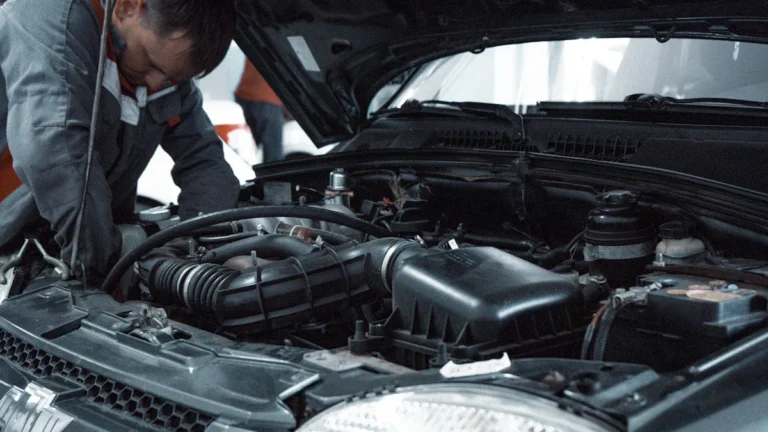
You can drive without a catalytic converter, but you’ll notice loud noise, stronger fumes, and possible engine warning lights that cut emissions checks. You might lose low end torque and see unpredictable fuel use as sensors and ECU adjust. Legally you risk fines or failed inspections in numerous areas, and theft or damage raises safety and fire concerns. Get repairs from a trusted shop fast so you avoid bigger costs and legal trouble, and keep going to learn more.
What a Catalytic Converter Actually Does
Ever contemplated what that shiny canister under your car actually does? You could feel curious and a little protective about it. It helps with emission reduction through turning harmful gases into gentler ones.
You hear the phrase catalytic chemistry and imagine magic, but it’s a simple team effort inside the canister. Oxygen, nitrogen oxides, carbon monoxide, and hydrocarbons meet a hot surface coated in metals. Those metals act like helpers. They speed up reactions without being used up.
You watch pollutants change into carbon dioxide, nitrogen, and water vapor. You belong to a group that cares for roads and air, and understanding this makes you feel useful. You see how small parts do big, steady work.
How Removing It Affects Engine Performance
Should you remove the catalytic converter you could notice the engine breathes differently because lower backpressure can change how exhaust flows and how the engine tunes itself.
That change can improve power at some RPMs but also make your fuel use less predictable, so you could see higher fuel consumption in everyday driving or sometimes a small gain on wide open throttle.
Also expect dashboard warning lights since the car’s sensors will detect the altered exhaust and trigger trouble codes that you’ll need to address.
Reduced Backpressure Effects
At the time you remove the catalytic converter, your engine sees less backpressure and it reacts in ways you can feel and hear. You’ll notice exhaust flow improves and the car sounds louder.
That change can free up engine efficiency at higher RPMs, so you feel more immediate throttle response whenever you push the gas. At the same time, the engine could lose low end torque because it relied on some backpressure to breathe right.
You and other drivers in your circle will trade tips as you learn what your car prefers. You might need to adjust tuning, headers, or mufflers to balance power and sound. These tweaks help the engine run smoother and keep your car feeling like it belongs on the road.
Fuel Efficiency Changes
Once you remove the catalytic converter, your car’s fuel use can change in ways that surprise you and make you want to fiddle with settings, so let’s walk through what usually happens. You and others in your group could notice shifts in fuel consumption as airflow and backpressure alter combustion efficiency. You’ll feel tempted to tweak the engine. Together you can test gently and watch numbers. Below is a simple comparison to guide you.
| Change | Typical effect |
|---|---|
| Airflow increase | Might lean mixture, lower fuel consumption or cause hiccups |
| Backpressure drop | Can change torque, altering miles per gallon |
| Sensor adjustments | ECU might adapt, shifting fuel consumption |
| Driving style | Aggressive throttle raises fuel use quickly |
Stay patient, share observations, and iterate with friends.
Engine Warning Lights
Considering why that check engine light just came on? You’re not alone and you’ll want to know what it means once you remove a catalytic converter.
Engine illumination often signals sensor malfunctions after removal. You might notice the light flicker or stay solid as oxygen sensors detect different exhaust flow and composition.
That change can cause your engine to run richer or leaner, and you’ll feel shifts in power or hesitation.
You’ll also risk failing emissions checks and confusing mechanics who want clear diagnostics.
Trust that the light is trying to protect your engine and help you catch problems at an early stage.
Stay connected to others with the same concerns, ask questions, and get professional checks so you can keep driving confidently.
Legal Consequences by Region and Jurisdiction
Laws about driving without a catalytic converter differ a lot depending on location, and that can feel scary in case you’re unsure what rules apply to you. You want to belong and do right by your community, so know regional penalties and jurisdictional variations before you act.
Different areas set fines, vehicle impoundment, or repair orders. Some places treat removal as theft in the event the part was stolen.
- Local fines can be small or steep depending on municipal code
- State or provincial rules might require proof of repair within a deadline
- Criminal charges can arise in case removal links to theft or organized stripping
- Police could impound your vehicle until it’s fixed in certain jurisdictions
Understanding these differences helps you protect yourself and stay connected to your community.
Emissions Testing and Inspection Failures
How will skipping a catalytic converter affect your next emissions test? You may feel nervous, and you’re not alone.
Whenever you go in, testing procedures will measure pollutants and compare them to limits. Without a converter, your car will likely emit higher levels and fail. That fail triggers penalties in many places. You could face fines, repair orders, or registration holds.
Technicians follow strict steps, so results are clear and consistent. Bring paperwork and ask questions respectfully should you want community support.
Provided you’re worried about costs, talk to trusted friends or local shops for affordable options. You deserve straightforward help. Taking action now helps you avoid stress, keeps you driving legally, and reconnects you with others who’ve handled the same problem.
Check Engine Lights and Diagnostic Trouble Codes
Should your check engine light come on after removing the catalytic converter, you’ll want to know how it behaves and what it means.
You’ll learn the common trouble codes that point to oxygen sensor and emissions control issues, and how those codes link to the light’s steady or flashing patterns.
You’ll also need to understand emissions readiness monitors and how failed monitors can keep your car from passing inspection or cause persistent warning lights.
Check Engine Behavior
Curious what happens to your check engine light should you remove a catalytic converter? You could see the light come on right away or after a short drive. You’ll feel changes like idle fluctuations and acceleration hesitation, and the car’s sensors will notice differences in exhaust flow and oxygen readings. You deserve clear answers, and you aren’t alone should this worry you.
- The light might flash or stay steady depending on severity
- Onboard sensors can trigger diagnostic trouble codes that point to emissions problems
- You could notice drivability issues that make you seek help from others in your community
- Some scanners will show live data so you can watch oxygen sensor responses
These signs connect driving feel to diagnostic alerts and guide your next steps.
Common Trouble Codes
Curious what trouble codes emerge in case you drive without a catalytic converter? You and others in your group could see shared codes that tell a clear story.
Initially, oxygen sensors often flag problems. The engine control module senses weird oxygen readings and sets codes like P0135 or P0420.
Next, you might get codes tied to poor combustion. Once exhaust flow changes, you can see an engine misfire code such as P0300 or specific cylinder misfire codes.
Those codes connect because bad sensor data and altered backpressure affect spark and fuel mix. You’ll feel uneasy once the check engine light stays on, but understanding which codes tend to appear helps you talk with a mechanic and make the right choice together.
Emissions Readiness Monitors
Once the check engine light comes on after removing a catalytic converter, you’ll want to know how emissions readiness monitors work and why they matter. You’re not alone in case this feels confusing.
These monitors watch emissions data from sensors and flag once systems fail to meet standards. You’ll learn why codes appear and what they mean for driving and repairs.
- The engine control unit collects emissions data and runs tests during normal driving
- A failed monitor shows up as a diagnostic trouble code that can prevent passing inspections
- Monitor calibration affects how and at what time tests run so your car reports accurately
- You can reconnect sensors or seek a trusted shop to restore proper monitor function
You’ll feel supported taking the next steps.
Noise, Odor, and Driving Comfort Changes
At the moment your car loses its catalytic converter, you’ll observe more than just a change under the hood; you’ll feel it every time you drive. You’ll notice a louder exhaust hum and more cabin vibrations, and those sounds can make you tense.
You and others who ride with you’ll smell stronger odors after startup and at idle, and that can feel uncomfortable and personal. You might grip the wheel tighter or lower the windows more often.
Small fixes like sealing gaps, adding sound deadening, or checking mounts can help reduce the noise and vibrations, and they’ll also cut some odor seepage. Reach out to fellow drivers or a trusted mechanic so you don’t have to handle the change alone.
Fuel Economy and Long-Term Mechanical Risks
Should your car’s catalytic converter be gone, you’ll probably notice a change in fuel use and small signs that parts are working harder. You and others who share rides will feel the pinch as your mpg drops and the engine adapts.
Missing the converter can let unburned fuel reach parts it shouldn’t, causing fuel contamination that shortens component life. Over time you might see uneven idling, reduced power, and more visits to the shop.
- Higher fuel consumption that costs you money and time
- Fuel contamination risks for sensors and injectors
- Extra strain that speeds engine wear in shared vehicles
- More frequent maintenance and surprise repairs
These issues tie together. In case you want reliability, don’t ignore the signals.
Safety Hazards From Exhaust System Modifications
Getting rid of a catalytic converter can hurt more than your fuel economy; it can put you and your passengers at real risk. Whenever you alter the exhaust, harmful carbon monoxide can leak into the cabin. You and your friends in the car could not notice the smell, but you can feel dizzy or sick fast. Loose pipes and hotter exhaust parts also raise fire risks, particularly near dry grass or oil spots. You want to stay safe and belong to a community that values each other’s wellbeing.
| Hazard | Why it matters |
|---|---|
| Carbon monoxide leak | Causes headaches, nausea, unconsciousness |
| Hot components | Can ignite nearby materials |
| Loose fittings | Increase exhaust leaks |
| Modified routing | Alters heat and pressure |
Talk to trusted mechanics and protect everyone on the road.
How Thieves Target Catalytic Converters
Thieves often work fast and quietly any time they target catalytic converters, and you can feel violated and angry in case it happens to your car. You want to know where they strike and why so you can protect your vehicle and stay calm.
Thieves look for theft hotspots like dim parking lots, side streets, and overnight storage areas. They slice mounts quickly and head for parts with precious metals.
You aren’t alone in this worry and your community can help.
- Park in busy or well lit spots to deter thieves and keep watch.
- Use security devices like cages, clamps, or alarms to slow them down.
- Share tips with neighbors and local groups to spot patterns.
- Report attempts and support local prevention efforts.
Cost Comparison: Repair, Replace, or Retrofit
How much will it cost to fix or replace a stolen catalytic converter, and is retrofitting a smarter choice for your car? You want clear cost analysis so you and others in your community can decide together.
Repairing a damaged exhaust might be cheapest provided the converter is partially intact. Replacing it with an OEM part usually costs more but matches factory specs. Retrofit kits can be middle ground on the condition that you need emissions help and compatible parts exist.
Consider budget options like used converters, aftermarket parts, and labor rates at local shops. Talk with trusted mechanics and neighbors to compare prices and warranties. That shared input helps you pick the option that fits your wallet and keeps you driving confidently.
Approved Alternatives and Performance Upgrades
After you compare repair and replacement costs, you could want options that improve performance while staying legal and reliable. You’re not alone in wanting upgrades that feel smart and safe.
You can choose certified high flow catalytic converters that match emissions rules, or drift toward tested performance mufflers that keep noise legal. Trusted shops often offer ceramic coatings on headers to reduce heat and protect parts. Electronic controllers let you fine tune fuel and timing without breaking the law. These choices work together to give you power and peace of mind.
- High flow certified catalytic converters for emissions compliance
- Performance mufflers tuned to local sound limits
- Ceramic coatings for heat management and durability
- Electronic controllers for precise, legal engine tuning
How to Tell If Your Converter Is Failing
Should your car feel sluggish or hesitate upon pressing the gas, that drop in engine performance can indicate a failing catalytic converter.
You may also notice a strong rotten-egg smell from the exhaust, which is a common sign that the converter isn’t processing gases properly. Both symptoms often appear together, so pay attention to changes in power and odor and get the system checked promptly.
Reduced Engine Performance
Once your catalytic converter starts failing, you’ll usually notice the car doesn’t feel the same on the road. You might feel immediate engine misfires or gradual power loss that leaves you second guessing lanes and hills. That change can worry you, and it’s okay to want clear signs so you can act together with others who care for their cars.
- The car hesitates whenever you step on the gas, especially uphill
- RPM jumps or uneven idling that follow engine misfires
- Slower acceleration and reduced top speed showing power loss
- Check engine light paired with sluggish response during normal driving
These clues link directly to clogged or damaged internals, so notice patterns and talk with a trusted mechanic or friend for next steps.
Rotten-Egg Smell
You could notice a sudden sour, rotten-egg smell coming from your car and feel a knot of worry in your gut, and that scent often indicates a failing catalytic converter.
Once you smell hydrogen sulfide, you belong to a long line of drivers who’ve worried about their ride. That smell comes from sulfur compounds in fuel that the converter should turn into harmless gases.
In case the converter clogs or breaks, those sulfur compounds build up and the odor gets stronger. You’ll often notice it at idle or after a short drive.
Trust your nose and tell someone who cares about your car. A mechanic can test the exhaust, find blocked flow, and replace the converter so you can breathe easier.
Steps to Take If Your Converter Is Stolen
What should you do right away in case a thief takes your catalytic converter? Stay calm and know you’re not alone.
To begin, check for damage and take photos. Then call the police to file a police report and get an incident number. That number will help with your insurance claim and give you a record the community can support.
- Contact your insurer and start the insurance claim process with the police report and photos
- Notify local neighbors and neighborhood groups so others can watch for theft signs
- Move your vehicle to a safer spot like a garage or well lit area while you wait for repairs
- Keep copies of all paperwork and receipts and ask for help from trusted friends who can offer a ride
You’ll get through this with help.
Finding a Trusted Shop and Ensuring Compliance
You’ll want to pick a licensed shop you can trust, someone who shows paperwork and explains their process in plain language.
Ask them to run emissions compliance checks and to walk you through what repairs or replacements mean for your registration and local laws. That way you get clear answers, stay legal, and feel confident the job was done right.
Choosing a Licensed Shop
Finding a licensed shop matters more than you could envision, because it’s where you’ll leave your car and trust someone to do a job that affects safety, emissions, and your wallet. You want comfort and confidence, so look for licensed mechanics and certified workshops that welcome questions and explain work clearly.
Trust builds whenever people feel heard and included.
- Look for local licensed mechanics with clear IDs and posted credentials.
- Ask whether the certified workshops offer written estimates and parts warranties.
- Read community reviews and ask neighbors for shops they trust.
- Visit the shop, meet staff, and notice whether they treat you with respect and patience.
These steps link your need for safety to finding a team you can rely on.
Emissions Compliance Checks
Curious how to make sure your car meets emissions rules without the stress? You want a shop that feels like a team, so start off asking friends and neighbors for names. Visit shops, meet technicians, and watch how they explain emissions data. A trusted shop will show you test results and tell you what the numbers mean in plain terms.
Next, learn the compliance procedures your state requires. Good shops walk you through paperwork, testing schedules, and repairs. They’ll keep copies of reports and guide you on follow up visits.
Upon a technician treating you with respect and answering questions, you’ll feel confident. That human touch makes following rules easier and keeps you part of a community that cares about clean air.