

You just hopped into your car and noticed that unmistakable smell of gas. This unsettling odor is a critical indicator of a potential fuel leak. It demands your immediate attention. Fuel leaks pose severe safety risks, including fire and explosion. Inhaling harmful gasoline vapors also presents health dangers. You must recognize these urgent danger signs to protect yourself and your car. Ignoring this issue puts your car and your safety at risk.
Key Takeaways
A gas smell in your car means a fuel leak. This is a serious problem. It can cause fires or explosions.
Look for signs like gas puddles, a strong gas smell, or your ‘Check Engine’ light. These mean you have a fuel leak.
Do not drive your car if it smells like gas. Pull over safely. Turn off the engine. Call a mechanic right away.
Check your car regularly. Make sure your gas cap is tight. This helps prevent fuel leaks.
Why Your Car Smells Like Gas
Understanding Fuel System Leaks
When your car smells like gas, fuel is almost certainly escaping from where it should be. This often points to a leak in your car’s fuel system. A fuel system failure allows gasoline to vaporize into the air. This creates a dangerous situation. You face immediate dangers like fire and explosion. Inhaling these fumes also poses health risks. A fuel leak in the engine compartment is the most dangerous type of failure. The hot engine parts can easily ignite the fuel. This can lead to a catastrophic engine fire. Any failure in the fuel delivery system can compromise your car’s safety.
Risks of Fuel Vapor Exposure
Breathing in gasoline vapors is harmful. Short-term exposure can cause headaches, dizziness, and nausea. Long-term exposure to fuel vapors also presents concerns. Some workers with daily exposure to gasoline have reported experiencing memory loss. They also observed decreased muscle function. While high levels of certain gasoline components, like benzene, are known carcinogens, current research does not establish a link between low-level gasoline exposure and cancer in humans. Still, you should avoid breathing these fumes. A persistent gas smell means a system failure. This failure affects your car’s engine and your health. Do not ignore any sign of engine trouble or fuel system failure. Your car’s engine needs a sealed system to run safely. Any failure can impact the engine’s performance and your well-being.
12 Urgent Signs of a Fuel Leak
You need to recognize specific indicators that your car might be leaking fuel. These urgent danger signs require your immediate attention. Ignoring them can lead to serious safety hazards.
Visible Fuel Puddles
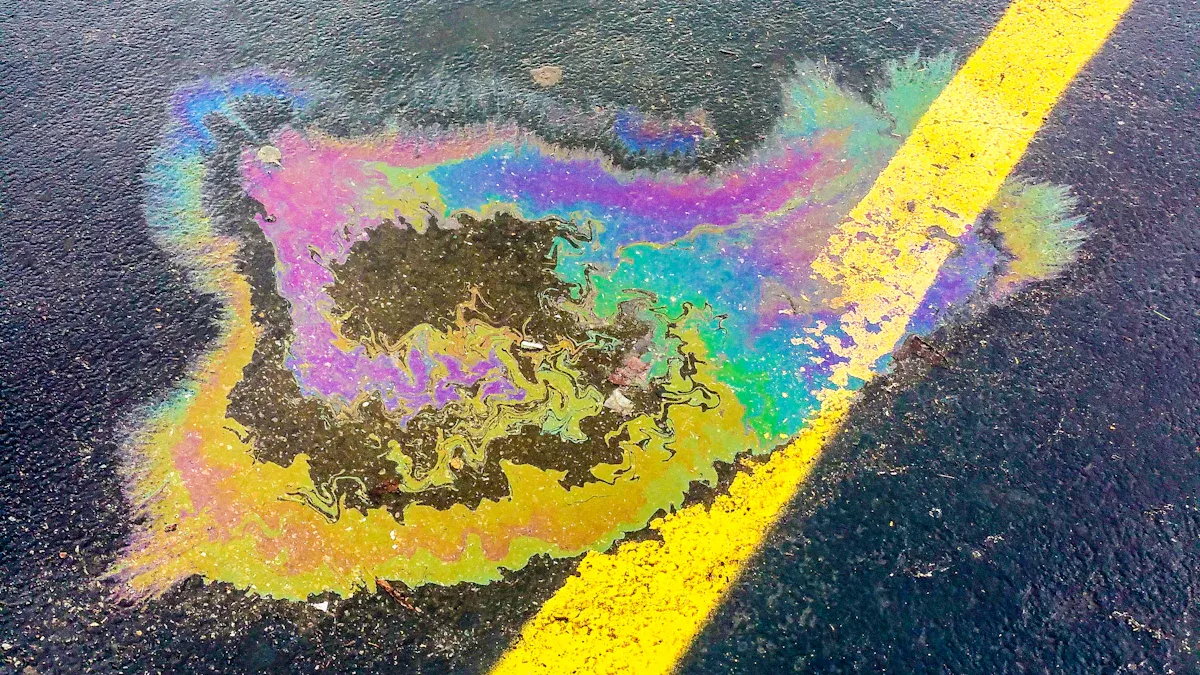
You might see a puddle under your car. This is a clear sign of a fuel leak. Look for its color, location, and smell. Gasoline typically appears clear or light amber. It has a watery texture. You will also notice its distinct smell. Other fluids have different appearances:
Fluid Type | Color | Texture |
|---|---|---|
Engine Oil | Amber (new), Dark Brown/Black (used) | Slick, Greasy |
Transmission Fluid | Bright Red (new), Dark Red/Brown (used) | Slick, Oily |
Coolant/Antifreeze | Green, Orange, Pink, Yellow | Slightly Sweet-Smelling |
Brake Fluid | Transparent/Light Yellow (new), Dark Brown (aged) | Oily, Slick |
Power Steering Fluid | Red, Pink, Clear | Slick, Oily |
Windshield Washer Fluid | Blue, Green, Orange | Watery |
Gasoline | Clear, Light Amber | Watery |
A visible drip of gasoline means you have an emergency.
Strong, Persistent Gas Odor
A faint gas smell might occur after refueling. However, a strong smell of gasoline inside or around your car signals a fuel leak. This strong odor means fuel vapors are escaping. Many issues can cause this problem. These include:
Fuel line problems (cracks, loose fittings)
A damaged fuel tank
Worn fuel injector seals
A loose or faulty gas cap
An overfilled gas tank
Problems with the EVAP system (like a damaged charcoal canister)
These strong odors are a definite warning.
Decreased Fuel Economy
You might notice your car uses more fuel than usual. This can be a subtle warning sign. A fuel leak means gasoline escapes before your engine can use it. You will fill up your tank more often. This indicates a problem with your car’s efficiency.
Check Engine Light On
Your dashboard warning lights provide important information. The Check Engine Light (CEL) can illuminate for many reasons. Sometimes, it points to fuel system issues. Specific codes relate to fuel leaks. For example, code P0456 means “Evaporative Emissions System – Small Leak Detected.” This code often indicates a leak in the EVAP system. It could be a loose fuel cap or a leak in the EVAP hoses. Codes like P0171 and P0174 (Fuel Trim System Too Lean) can also appear. These codes suggest too much air or too little fuel. Vacuum leaks, a type of air leak in the fuel system, often cause these codes. A continuous gas odor combined with a CEL is a serious warning.
Difficulty Starting
Your car might struggle to start. This can happen if a fuel leak causes a loss of fuel pressure. The engine needs proper fuel pressure to ignite the gasoline. If fuel escapes, the pressure drops. This makes starting your engine difficult. This is an emergency warning sign.
Engine Misfires or Rough Idling
Your engine might run unevenly. You might feel vibrations or hear sputtering sounds. These are signs of engine misfires or rough idling. Fuel delivery issues often cause these urgent car problems. A leak can disrupt the air-fuel mixture. This leads to insufficient fuel reaching the engine.
Clogged fuel injectors can disrupt the air-fuel mixture ratio.
A malfunctioning fuel pump can disrupt the air-fuel mixture ratio.
Insufficient fuel delivery leads to a lean fuel mixture, causing misfires and rough idling. Any disruption in your engine’s fuel supply system can cause these issues. This is a clear warning.
Visible Cracks on Fuel Lines
You can sometimes see physical damage. Inspect your car’s fuel lines. Look for visible cracks, fraying, or wear. These lines carry gasoline from the tank to the engine. Any damage here creates a direct path for a leak. This is an urgent danger sign.
Rust or Corrosion Near Fuel Tank
Rust and corrosion can weaken metal. Check the area around your fuel tank. You might see rust spots or corrosion. These can create small holes in the tank or its connections. These holes allow fuel to escape. This is a serious warning sign.
Fuel Cap Problems
Your gas cap is a vital part of your car’s evaporative emissions control system (EVAP). This system prevents fuel vapors from escaping. A loose, damaged, or missing fuel cap creates a leak in this system. Fuel vapors can then escape into the atmosphere. You might smell gasoline around the fuel door. Checking your fuel cap first is a good idea. Fuel returning to the tank produces more vapors. This makes a faulty cap a common cause of vapor leaks. This is an urgent danger sign.
Hissing Sound Near Fuel Tank
You might hear a hissing sound near your fuel tank. This sound often comes from the fuel filler neck. It typically occurs after a long drive. The hissing sound stops once you unscrew the gas cap. This indicates pressure buildup or a vapor leak. This is an emergency car warning sign.
Fuel Gauge Malfunctions
Your fuel gauge might give incorrect readings. It could drop quickly or show an empty tank when you know it is not. This can sometimes relate to leaks in the fuel tank or the sender unit. A leak can affect the sensor’s ability to read fuel levels accurately. This is a warning sign.
Driveway Stains
You might notice stains on your driveway or parking spot. These stains can indicate leaking fluids from your car. If the stain is clear or light amber and smells like gasoline, you have a fuel leak. Always identify the type of fluid. This helps you understand the problem.
Fluid Type | Color | Texture |
|---|---|---|
Fuel Leaks (Gasoline) | Clear or Light Amber | Watery |
Engine Oil | Dark Brown/Black | Smooth, Slick |
Transmission Fluid | Reddish or Brownish | Slightly Sweet/Burnt Smell |
Coolant (Antifreeze) | Bright Green, Pink, Orange, Blue | Sweet Smell |
These stains are important signs.
Immediate Action for a Leaking Car
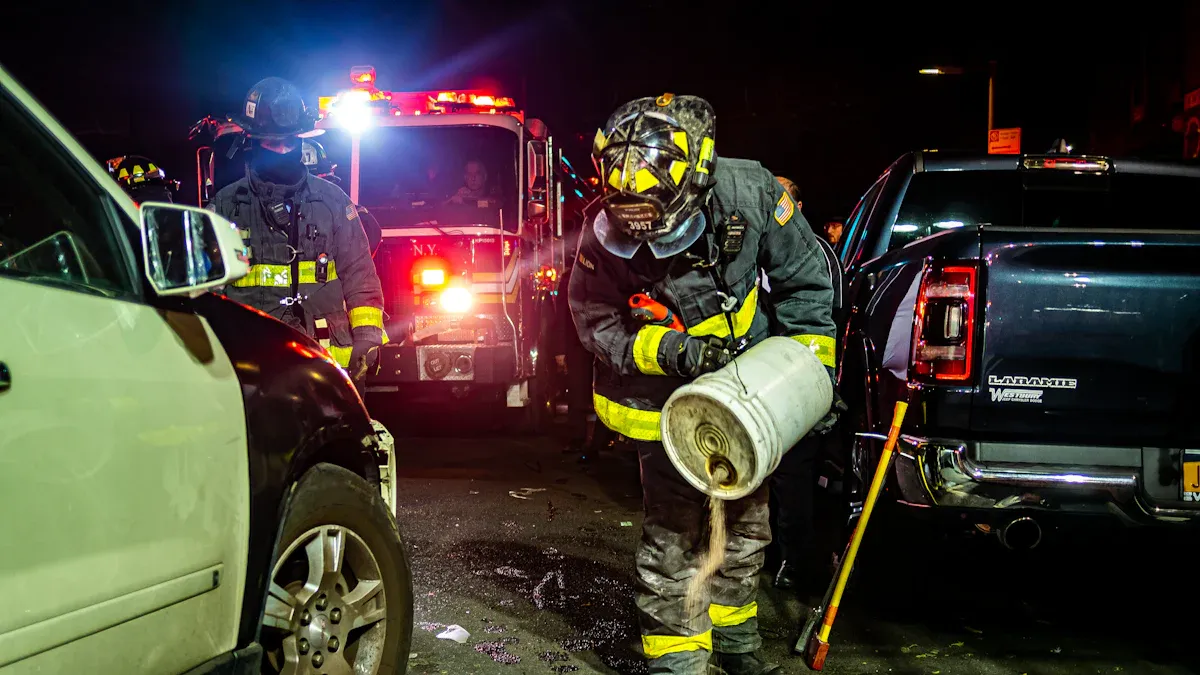
You must act quickly if you suspect your car has a fuel leak. Your immediate actions can prevent serious harm.
Safe Pull-Over and Engine Off
You need to pull over to a safe location as soon as you notice a gas smell or see signs of a leak. Find a spot away from traffic and other vehicles. Once you are safely stopped, turn off your car’s engine immediately. This stops the fuel pump from sending more gasoline through the system. It also reduces the risk of ignition from a hot engine.
Do Not Drive with a Leak
You must not drive your car if it has a fuel leak. Driving with a fuel smell presents serious dangers. You face fire hazards. There is also a risk of explosions when you drive with a fuel leak. The constant movement and potential for sparks from the car’s electrical system or hot engine parts can easily ignite escaping fuel or its vapors. This creates an extreme emergency situation. You put yourself and others at great risk.
Avoid Open Flames
You must eliminate all ignition sources near your car. Flammable vapors are present. These vapors can ignite very easily. You should avoid open flames, smoking, and any sparks. Do not use cutting or welding tools nearby. Hot surfaces, frictional heat, and radiant heat can also cause ignition. Static, electrical, and mechanical sparks are also dangerous. Even lightning can be an ignition source. Flammable liquids with a flashpoint below 100 °F (37.8 °C) should only be in areas free from these ignition sources. This includes the area around your car. You must treat this as an emergency.
Call for Professional Help
You need to call for professional help right away. Do not try to fix a fuel leak yourself. Contact a tow service or your mechanic. When you call, provide clear information. Tell them your name and your exact location. Describe what happened. Mention the substance involved, which is gasoline. Give them an initial estimate of the amount of product released. Tell them if you see any fatalities or personal injuries. Provide the time you noticed the failure. Give them all other significant facts you know about the cause of the failure or the extent of the damages. This helps them prepare for the emergency.
Ventilate the Area
You should ventilate the area around your car if it is safe to do so. Open your car’s doors and windows. This helps disperse the gasoline vapors. It also lessens the fire risk. Be careful not to create strong drafts. Strong drafts could spread spilled gasoline. Using auxiliary fans can help mix the air and position exhausts closer to the emission sources. General exhaust ventilation dilutes the concentration of contaminants to an acceptable level. Local exhaust ventilation captures contaminants at their source. This helps clear the air of dangerous fumes. This is an important step in an emergency.
Preventing Fuel Leaks: Maintenance Tips
You can take proactive steps to prevent fuel leaks. Regular maintenance helps keep your car safe. You protect yourself and your vehicle from dangerous situations.
Routine Vehicle Inspections
You must perform routine vehicle inspections. These checks help prevent fuel leaks. The fuel system is crucial for delivering fuel to your engine. This system includes the fuel tank, fuel pump, fuel injectors, fuel filters, and fuel lines. Fuel line leaks can happen due to age, corrosion, or physical damage. These leaks pose risks like reduced fuel efficiency and fire hazards. You need immediate inspection and replacement if you detect a fuel smell or leak. Visually inspect fuel lines, hoses, and connections. Look for leaks, cracks, or damage.
Checking Fuel System Components
You should regularly check your fuel system components. Look for signs of wear and tear. Inspect the fuel tank for visible cracks, holes, or any signs of fuel leakage. Rust or corrosion on metal tanks also indicates potential leaks. Check fuel lines and connections for cracks, wear, or loose fittings. These issues can lead to fuel leaks. Ensure all connections are secure. Inspect the surface of the fuel tank for cracks, punctures, dents. Pay close attention to seams and seals. Look for degradation, cracking, or brittleness in fuel injector seals. These are rubber or plastic parts. Inspect the fuel pump assembly and its connections for any signs of leakage. Listen for unusual noises from the fuel tank area.
Proper Fuel Cap Security
You must ensure proper fuel cap security. A secure fuel cap prevents vapor leaks. You can invest in high-quality locking fuel caps. These deter unauthorized access. Consider using additional locking devices or fuel tank alarms. These investments prevent significant financial losses from fuel theft. Install locking fuel caps on your car. This prevents siphoning. Locking caps deter opportunistic thieves. They make fuel access more difficult. Locking caps are widely available and easy to install for your car.
A gas smell in your car demands your immediate attention. You must recognize these 12 urgent danger signs for your personal and vehicle safety. Never ignore a gas smell. Seek a professional inspection without delay if your car is leaking. This ensures your safety. Prioritize preventative maintenance for your car. This protects you and your vehicle.
FAQ
Is it safe to drive if my car smells like gas?
No, you should not drive your car if it smells like gas. A gas smell often means a fuel leak. This creates a serious fire and explosion risk. Pull over safely and turn off your engine immediately.
What is the most common cause of a gas smell in a car?
A loose or faulty gas cap is a very common cause. It allows fuel vapors to escape. Other common causes include leaks in fuel lines, the fuel tank, or the EVAP system. You should check your gas cap first.
Can a gas cap really cause a strong gas smell?
Yes, a faulty gas cap can cause a strong gas smell. It prevents the fuel system from sealing properly. This allows gasoline vapors to escape into the air. You should always ensure your gas cap is tight.
How quickly should I get a gas smell checked by a professional?
You should get a gas smell checked immediately. Do not delay. Fuel leaks are dangerous. They can lead to fires or explosions. Professional mechanics can find and fix the problem safely.



