

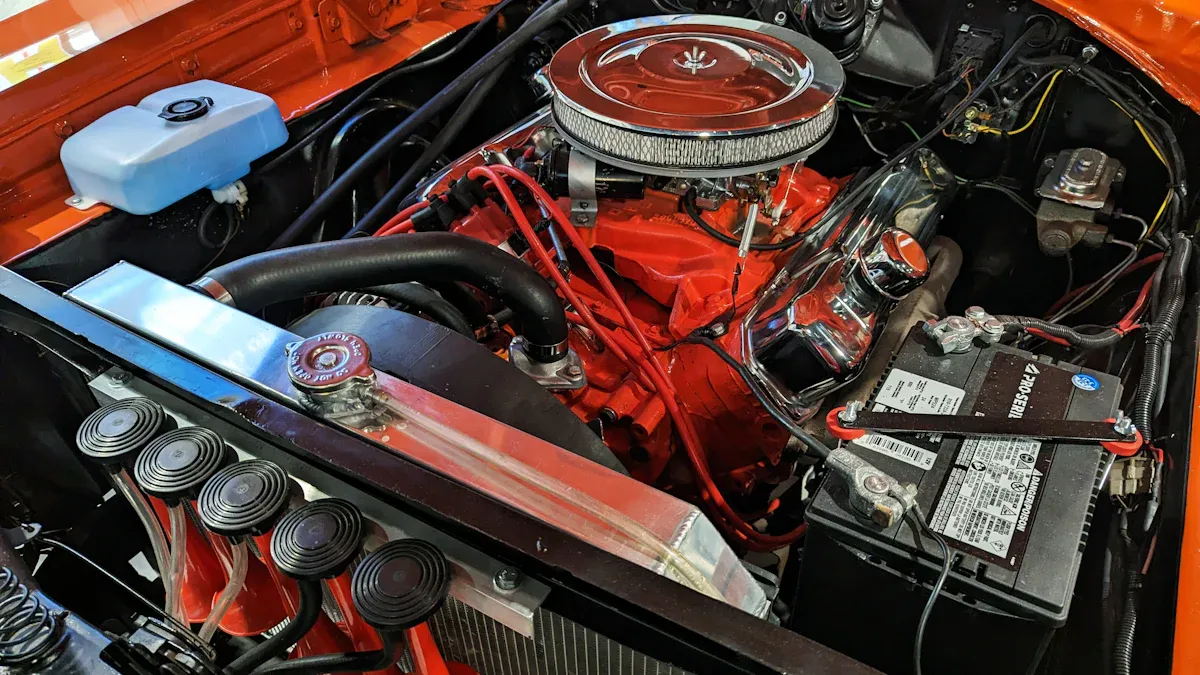
Maintaining the coolant system in your Jeep Cherokee is crucial for keeping your engine running smoothly. Regularly flushing the coolant system can help prevent overheating and engine damage. Automotive experts recommend performing a flush coolant system every 30,000 miles or two years. Plus, you can tackle this process yourself with the right tools and guidance. Don’t let myths like “flushing is a waste of time” hold you back—it’s essential for your vehicle’s health!
Key Takeaways
Flushing your Jeep Cherokee’s coolant system every 30,000 miles or two years prevents overheating and engine damage.
Gather essential tools like a vacuum filler tool and new coolant before starting the flushing process.
Always dispose of old coolant responsibly to protect the environment and follow local regulations.
Tools & Materials
Essential Tools
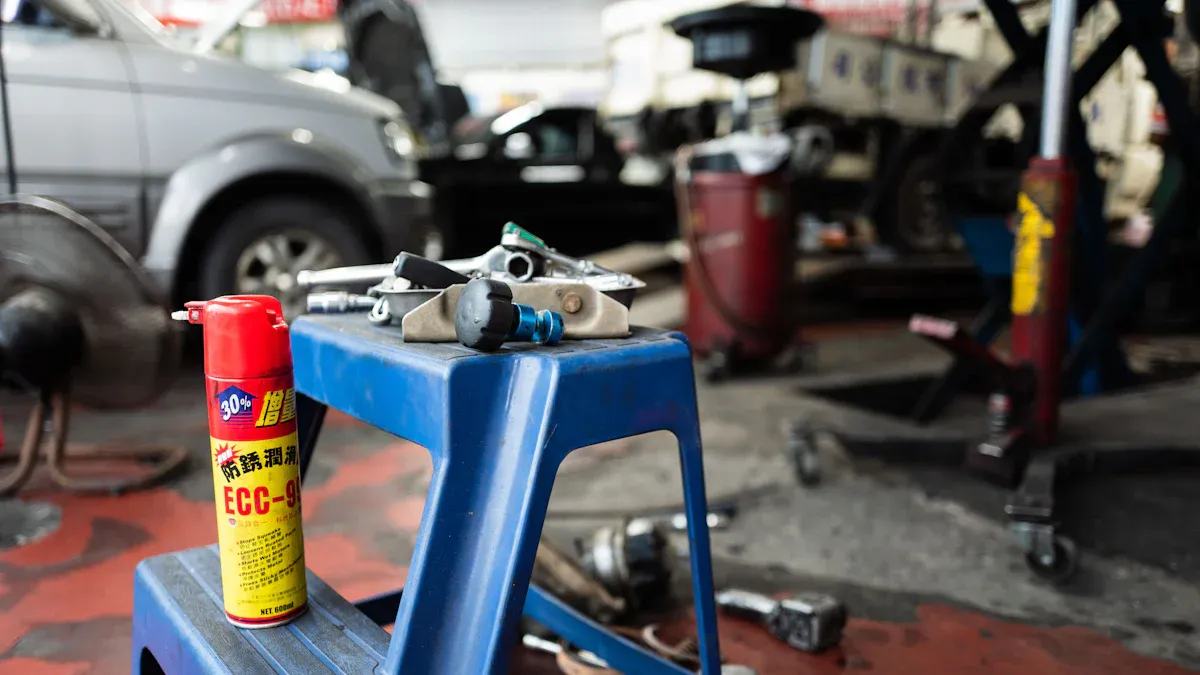
Before you start flushing your Jeep Cherokee’s coolant system, gather the right tools. Here’s a list of essential tools you’ll need:
Vacuum filler tool: This tool helps pull a vacuum in the system, which prevents air bubbles from forming.
Coolant refractometer: Use this handy device to check the concentration of your coolant.
Airlift UV55000 tool: This tool is great for filling coolant while avoiding air pockets.
These tools will make the flushing process smoother and more efficient.
Required Materials
In addition to tools, you’ll need some materials to complete the job. Here’s what you should have on hand:
New coolant: Make sure to use the type recommended for your Jeep Cherokee. Check your owner’s manual for specifics.
Distilled water: This is crucial for mixing with your coolant to prevent mineral buildup.
Drain pan: You’ll need this to catch the old coolant as it drains out.
Tip: Always check your Jeep’s manual for any specific recommendations regarding coolant types and capacities.
If you own different model years of the Jeep Cherokee, some tools may vary. Here’s a quick reference table for compatibility:
Tool Name | Model Compatibility | Purpose |
|---|---|---|
Miller clamp tool | WJ | Servicing constant tension clamps |
Snap-On clamp tool | WJ | Servicing larger constant tension clamps |
3/8 fuel line quick disconnect tool | XJ, WJ | Radiator removal |
Having the right tools and materials ready will set you up for success in flushing your coolant system.
Safety Precautions
Personal Protective Equipment
When you flush your Jeep Cherokee’s coolant system, safety should be your top priority. Here’s a list of personal protective equipment (PPE) you should wear:
Safety goggles: Protect your eyes from splashes.
Gloves: Use nitrile or rubber gloves to keep your hands safe from chemicals.
Long sleeves: Wear long-sleeved clothing to shield your skin from spills.
Taking these precautions will help you avoid any accidents while working on your vehicle.
Environmental Considerations
Properly disposing of old coolant is crucial for protecting the environment. If you don’t dispose of it correctly, you risk contaminating water supplies with ethylene glycol. This chemical is harmful and poses serious risks to both human health and the environment. Here are some tips for responsible disposal:
Check local regulations: Many areas have specific guidelines for disposing of automotive fluids.
Use recycling centers: Look for local resources that accept used coolant. They can help you dispose of it safely.
Never pour it down the drain: This can lead to severe environmental damage.
By following these guidelines, you can ensure that your coolant flushing process is safe for you and the planet. Remember, taking a few extra steps can make a big difference!
Flush Coolant System Steps
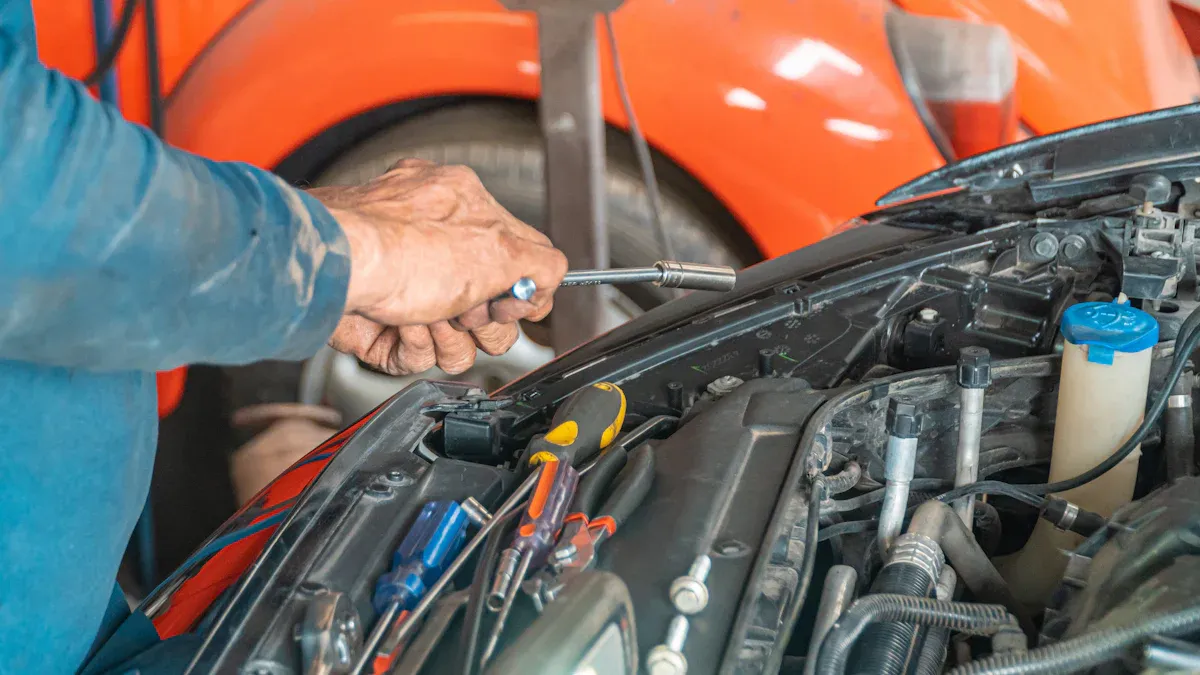
Flushing your Jeep Cherokee’s coolant system is a straightforward process if you follow the right steps. Let’s break it down into three main parts: preparation, the flushing process itself, and refilling the system.
Preparation for Flushing
Before you dive into the flushing process, you need to prepare properly. Here are some essential steps to take:
Check the type of coolant: Make sure you have the correct coolant type. You can use either full strength mixed with distilled water or pre-mixed 50/50 coolant.
Inspect hoses: Look over your hoses for any signs of wear. If you need replacements, consider reputable brands like Gates.
Consider water pump replacement: Since you’ll be removing the thermostat, it’s a good opportunity to replace the water pump. This can help you avoid future issues.
Taking these steps will ensure that you’re ready for a successful flush.
Flushing Process
Now that you’re prepared, it’s time to flush the coolant system. Follow these steps carefully:
Locate the drain plug: The drain plug, or petcock, is typically found at the bottom of the radiator. For most Jeep Cherokee models, it’s located on the passenger side. To access it, start by draining the coolant from the reservoir. Then, twist the plastic tab to open the petcock or remove the lower radiator hose.
Drain the old coolant: Allow the old coolant to drain completely into your drain pan. This step is crucial for removing contaminants and old fluid from the system.
Flush with distilled water: After draining, you’ll want to flush the system with distilled water. This helps remove any remaining debris. Fill the system with distilled water, run the engine for about 10 minutes, and then drain it again. Using distilled water is important because it prevents mineral buildup that can clog components like the heater core.
Repeat if necessary: If the water comes out dirty, repeat the flushing process until it runs clear. This ensures that your system is clean and ready for fresh coolant.
Refilling the System
Once you’ve flushed the system, it’s time to refill it with new coolant:
Add the new coolant: Use the recommended green ethylene glycol antifreeze for your Jeep Cherokee. Mix it with distilled water in a 50/50 ratio. When filling, make sure to add coolant to one inch below the filler neck. This allows for expansion as the engine heats up.
Start the engine: With the radiator cap off, start the engine and let it warm up. This helps circulate the coolant. Keep an eye on the coolant level and add more if necessary.
Check for leaks: After the engine has warmed up, check for any leaks around the hoses and connections. If everything looks good, replace the radiator cap securely.
Dispose of old coolant properly: Remember to dispose of the old coolant responsibly. Take it to a recycling center or follow local regulations for disposal.
By following these steps, you’ll successfully flush the coolant system in your Jeep Cherokee, ensuring it runs efficiently and stays cool.
Flushing your Jeep Cherokee’s coolant system is essential for keeping your engine healthy. Here are the key steps to remember:
Prepare by checking coolant type and inspecting hoses.
Flush the system with distilled water to remove debris.
Refill with the correct coolant mixture.
Regular maintenance prevents engine overheating, reduces wear and tear, and extends your vehicle’s lifespan. If you’re unsure about any step, don’t hesitate to consult a professional mechanic. They can ensure everything is done correctly and help you avoid costly repairs down the road. 🚗💧
FAQ
What type of coolant should I use for my Jeep Cherokee?
Use the recommended green ethylene glycol antifreeze. Always check your owner’s manual for specific coolant types.
How often should I flush my coolant system?
Flush your coolant system every 30,000 miles or every two years to maintain optimal engine performance.
Can I flush the coolant system myself?
Yes! With the right tools and guidance, you can easily flush the coolant system yourself at home.



