


Your car’s fuel system is vital for its operation. The fuel pressure sensor plays a crucial, often-ignored role. This small sensor monitors fuel pressure, ensuring your engine gets the right amount of fuel. A properly working fuel pressure sensor is critical for optimal engine performance and good fuel efficiency. When this sensor fails, you will notice frustrating fuel pressure sensor symptoms. These symptoms can lead to poor engine function and even dangerous situations. A faulty fuel tank pressure sensor causes serious issues. Understanding these symptoms and the role of this fuel tank pressure sensor is key to keeping your car running well. The fuel tank pressure sensor helps the engine. A bad sensor impacts fuel delivery. You need to know these fuel pressure sensor symptoms. This sensor is key for your engine’s fuel delivery. Proper fuel flow is essential for your car’s fuel system.
Key Takeaways
The fuel pressure sensor is important for your car’s engine. It makes sure the engine gets the right amount of fuel.
A bad fuel pressure sensor causes problems. Your car might run poorly, use too much gas, or be hard to start.
Look for signs like a rough engine, trouble starting, or the check engine light. These mean the sensor might be bad.
You can check for simple issues yourself. A mechanic can use special tools to find the problem.
Fixing a bad sensor costs money for parts and labor. Regular care helps prevent these problems.
Understanding the Fuel Pressure Sensor
Sensor Function and Importance
The fuel pressure sensor is a small but vital component in your car’s fuel system. This sensor measures the pressure of the fuel as it travels from the fuel tank to the engine. It ensures your engine receives the correct amount of fuel for efficient combustion and optimal power output. A properly functioning fuel pressure sensor is crucial for your engine’s overall health and performance. It helps maintain the delicate balance required for modern engine operation. Without this sensor, your engine cannot manage fuel delivery accurately, leading to significant operational problems.
How the Sensor Works
This sensor works by converting fuel pressure into an electrical signal. It sends this signal to your car’s engine control unit (ECU). The ECU uses this information to adjust fuel injection timing and quantity. This precise control ensures optimal fuel combustion. Some vehicles use a specific fuel tank pressure sensor to monitor fuel vapor pressure within the fuel tank. This particular sensor helps the engine manage emissions and maintain proper fuel system integrity. Every sensor plays a key role in the fuel system’s overall efficiency.
Impact of Sensor Failure
When the fuel pressure sensor fails, it sends incorrect data to the ECU. This leads to various fuel pressure sensor symptoms. Your engine might receive too much or too little fuel. This causes poor engine performance and reduced fuel efficiency. Common symptoms include rough idling, difficulty starting, or even stalling. A faulty fuel tank pressure sensor can also trigger your check engine light, indicating a problem with the fuel system. You will notice these symptoms quickly. The engine relies on accurate fuel data from every sensor to run smoothly. A bad fuel tank pressure sensor directly impacts the fuel system’s ability to deliver the right amount of fuel, affecting both power and economy.
Common Fuel Pressure Sensor Symptoms

When your fuel pressure sensor starts to fail, you will notice several clear fuel pressure sensor symptoms. These issues can range from minor annoyances to serious problems affecting your car’s safety and reliability. Recognizing these symptoms early helps you address the problem before it gets worse.
Engine Performance Issues
A faulty fuel pressure sensor directly impacts your engine’s ability to perform well. You might experience poor engine performance. This happens because your engine’s computer gets wrong information about the fuel pressure. It cannot deliver the right amount of fuel. This leads to reduced engine power. Your engine might run lean, meaning it gets too little fuel. This causes faster wear and can increase harmful emission issues.
You may also notice bad fuel economy. If the sensor fails and tells the computer there is not enough fuel pressure, your engine might receive more fuel than it needs. This makes your engine run rich, wasting fuel and decreasing your fuel efficiency.
Engine misfires and rough running are also common fuel pressure sensor symptoms. An incorrect air-fuel mixture causes these problems. Whether the mixture is too rich or too lean, your engine can misfire, knock, or run roughly. This can even damage engine parts over time. A very lean mixture might cause very low power or even cause your engine to die. These are clear signs of a bad fuel tank pressure sensor.
Starting and Idling Problems
You will often find issues when starting your car or when it is idling. Difficulty starting the engine is a frequent symptom. Your engine needs the correct fuel pressure to ignite properly. If the sensor gives bad data, your engine struggles to start. You might have to crank the engine several times before it finally turns over.
Rough idling or difficulty starting also points to a problem. When your car is stopped, your engine should run smoothly. A faulty fuel pressure sensor can cause a rough idle. Your engine might shake or vibrate more than usual. This happens because the fuel delivery is inconsistent.
Occasional stalling is another serious symptom. Your engine might suddenly shut off, especially at low speeds or when you come to a stop. This engine stalling can be dangerous, particularly in traffic. Consistent engine stalling indicates a significant problem with your fuel system’s ability to maintain steady fuel flow. These symptoms show your fuel pressure sensor is not working correctly.
Exhaust and Warning Lights
You might also see problems with your car’s exhaust and dashboard warning lights. Black exhaust smoke can come from your tailpipe. This usually means your engine is running too rich, burning too much fuel. The excess fuel creates the dark smoke. This is one of the visible fuel pressure sensor symptoms.
The check engine light is often the first sign of trouble. This light illuminates when your engine’s computer detects a problem. If the fuel pressure sensor sends data that is too high, too low, or just does not make sense, the check engine light will turn on. A failing or faulty fuel tank pressure sensor sends signals to the engine control unit when it detects a problem in the fuel system. This triggers the check engine light on your dashboard. For example, a low input from the fuel pressure sensor can trigger code P0452 and turn on the check engine light. These warning lights tell you that your car needs attention.
Diagnosing Fuel Pressure Sensor Issues
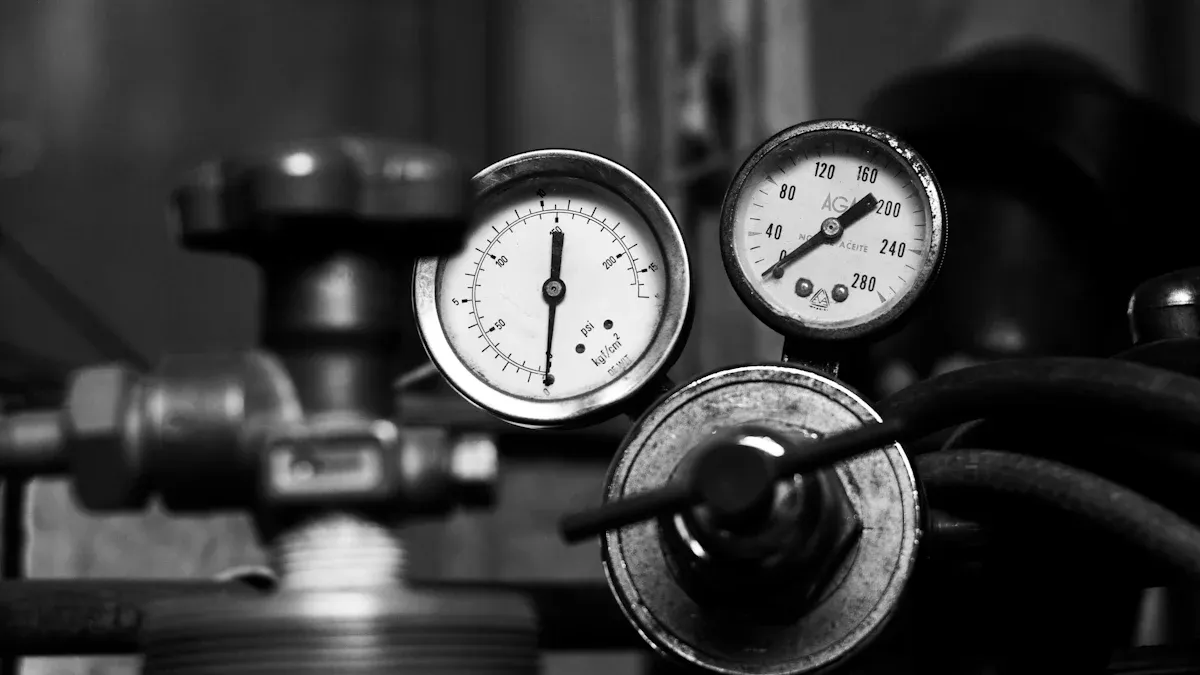
When you notice fuel pressure sensor symptoms, you need to pinpoint the problem. Proper diagnosis saves you time and money. You can start with some basic checks.
Initial Checks and Causes
You can begin your diagnosis by checking simple things. Look for obvious signs of damage. Inspect the wiring connected to the fuel pressure sensor. Sometimes, damaged wiring or loose connectors cause issues. You should also check the fuel lines for any leaks or kinks. These can affect fuel flow to the engine. A faulty low-pressure fuel sensor is a primary culprit for many fuel delivery problems. This sensor directly impacts how your engine receives fuel. A bad fuel tank pressure sensor can also send incorrect readings to your engine’s computer. This leads to poor fuel management. Always ensure the fuel filter is clean. A clogged fuel filter restricts fuel flow, mimicking sensor problems.
Using Diagnostic Tools
You will need specific tools for a more accurate diagnosis. A fuel pressure gauge helps you measure the actual fuel pressure. Compare this reading to your car’s specifications. If the pressure is too high or too low, you have a problem. An OBD-II scanner is also essential. You plug this tool into your car’s diagnostic port. It reads any stored diagnostic trouble codes. These codes point to specific system failures. For example, a code related to fuel pressure indicates a sensor issue. This diagnostic step is crucial for understanding your engine’s health. The scanner provides valuable data for further diagnosis.
Professional Assessment
Sometimes, you need expert help. If your initial checks and diagnostic scans do not clearly identify the problem, seek a professional. Mechanics have advanced diagnostic equipment. They can perform comprehensive engine diagnostics. They test the fuel pressure sensor directly. They also check the entire fuel system. A professional can determine if the fuel pressure sensor is truly faulty. They can also find other underlying issues affecting fuel delivery to your engine. Their expertise ensures an accurate diagnosis. This prevents unnecessary parts replacement. Trusting a professional for complex diagnostics saves you from further headaches.
Fuel Pressure Sensor Repair Options
When you face fuel pressure sensor symptoms, you have choices for repair. You can attempt some repairs yourself or seek professional help. Each option has its benefits.
DIY Repair Considerations
You might consider a do-it-yourself repair for your fuel pressure sensor. This can save you money on labor costs. However, you need the right tools and some mechanical knowledge. Replacing a fuel pressure sensor involves working with the fuel system. This system contains flammable fuel. You must take extreme caution. You also need to know where the sensor is located on your specific engine. Some sensors are easily accessible. Others require removing other engine components. Can you replace a faulty fuel tank pressure sensor yourself? Yes, if you have the skills and tools. But, you must understand the risks involved. Incorrect installation can lead to fuel leaks or further engine problems. This type of repair requires precision.
Professional Service Benefits
Choosing professional service for fuel pressure sensor repairs offers many advantages. Mechanics have specialized diagnostic tools. They accurately identify the problem. They also have the experience to perform the repair correctly. A professional ensures your fuel system remains sealed and safe. They use quality replacement parts. This guarantees the longevity of the repair. Professional repairs often come with a warranty. This gives you peace of mind. They can also check other related fuel system components. This prevents future issues. They handle all aspects of the repair, from diagnosis to testing.
When to Seek Expert Help
You should seek expert help for fuel pressure sensor repairs if you lack confidence in your mechanical skills. If you do not have the proper tools, a professional is your best option. Complex engine layouts can make sensor access difficult. In these cases, professional assistance is crucial. If your car shows multiple fuel system issues, a professional can diagnose the entire system. They can identify if the fuel pressure sensor is the only problem or if other repairs are needed. For example, if you are unsure about working with fuel lines or electrical connections, let an expert handle the repair. Can you replace a faulty fuel tank pressure sensor yourself? Only if you are fully prepared for the task. Otherwise, trust the experts for this important fuel system repair.
Fuel Pressure Sensor Replacement Cost
Understanding the cost of fixing a faulty fuel pressure sensor helps you budget for repairs. The total cost involves parts, labor, and sometimes diagnostic fees. You will find that prices can vary. This depends on your vehicle and where you get the work done.
Parts Cost Breakdown
The cost for a new fuel pressure sensor itself typically ranges from $60 to $210. This price depends on your car’s make and model. Original Equipment Manufacturer (OEM) parts usually cost more. Aftermarket sensors offer a more budget-friendly option. However, you should ensure they meet quality standards. A higher-end vehicle often requires a more expensive sensor. This increases your overall parts cost. The specific type of fuel pressure sensor also affects the price. For example, a specialized fuel tank pressure sensor might have a different cost than a standard rail sensor. Always consider the quality of the part. A cheap replacement might fail sooner. This leads to another repair cost down the road.
Labor Cost Estimates
Labor costs are a significant part of the total repair bill. For replacing a fuel pressure sensor, labor costs typically range from $140 to $270. Some shops might quote labor costs between $191 and $281. This range reflects the time a mechanic spends on the job. The complexity of accessing the sensor affects this cost. Some sensors are easy to reach. Others require removing several engine components. This adds to the labor time. Mechanics charge an hourly rate. This rate varies by location and shop. You should always ask for a detailed estimate. This helps you understand the labor cost. The overall replacement process includes diagnosis, removal of the old sensor, installation of the new one, and testing the system.
Total Replacement Cost Factors
When you combine parts and labor, the average total cost for a fuel pressure sensor replacement falls between $354 and $444. This figure includes both the part and the mechanic’s time. You should also factor in diagnostic costs. Shops often charge $100 to $200 for a thorough diagnosis. This fee ensures they correctly identify the problem. Sometimes, the total cost can be much higher. You might see prices as high as $1,900. This happens if the sensor is very difficult to access. It also occurs if other related fuel system components needs replacement. For instance, if a faulty fuel tank pressure sensor replacement cost involves extensive disassembly, the labor cost increases significantly. The specific design of your vehicle’s fuel system plays a big role. A complex fuel system can make the replacement more challenging. This impacts the overall fuel tank pressure sensor replacement cost. Always get a clear quote before starting any replacement work. This helps you manage your repair budget.
Preventing Fuel Sensor Problems
You can take steps to keep your fuel pressure sensor working well. Proactive care helps avoid costly repairs. You protect your car’s engine and fuel system.
Regular Maintenance Practices
Follow your car’s maintenance schedule. This is very important. Regular check-ups help catch small issues early. Mechanics inspect your fuel system during these visits. They can spot worn hoses or loose connections. You should replace your fuel filter as recommended. A clean fuel filter ensures proper fuel flow to the engine. This reduces strain on the entire fuel system, including the fuel tank pressure sensor. Good maintenance keeps your engine running smoothly.
Fuel Quality and System Care
Always use high-quality fuel. Poor quality fuel contains impurities. These impurities can clog your fuel system. They can damage sensitive components like the fuel tank pressure sensor. Avoid running your fuel tank very low. This can pull sediment from the bottom of the tank into your fuel lines. Consider using a fuel system cleaner periodically. These cleaners help remove deposits. A clean fuel system protects your engine and its sensors.
Addressing Related Issues Promptly
Do not ignore warning signs from your car. If your check engine light comes on, get it checked. This light often signals a problem with your engine or fuel system. A small issue, like a failing fuel pump, can put extra stress on your fuel tank pressure sensor. Address any fuel leaks immediately. Leaks affect fuel pressure and can damage sensors. Fixing problems quickly prevents them from becoming bigger, more expensive issues for your engine. You keep your fuel tank pressure sensor healthy.
Your fuel pressure sensor is vital for your engine. Recognize its symptoms early. This helps your engine run well. You can diagnose issues yourself or get professional help. Both options have benefits for your engine. Proactive maintenance keeps your engine safe. It also ensures your car lasts longer. Addressing fuel system problems promptly protects your engine.
FAQ
Can you drive with a faulty fuel tank pressure sensor?
You should avoid driving with a faulty fuel tank pressure sensor. It can lead to unpredictable engine behavior. This includes stalling or reduced power. Such issues make driving dangerous. You also risk more expensive engine damage.
How long does a fuel tank pressure sensor last?
A fuel tank pressure sensor typically lasts for many years. Its lifespan depends on your vehicle’s usage and maintenance. Some sensors can last the entire life of your car. Others may fail sooner due to environmental factors or wear.
What is the average cost to replace a fuel pressure sensor?
The average cost to replace a fuel pressure sensor is between $354 and $444. This includes both parts and labor. The exact cost varies by your vehicle type and where you get the repair done.
Can you drive with a faulty fuel tank pressure sensor for long?
No, you should not drive with a faulty fuel tank pressure sensor for long. It causes unreliable engine operation. You might experience sudden stalling or loss of power. This creates dangerous situations. You also risk severe damage to your engine components.
What factors affect how long does a fuel tank pressure sensor last?
Several factors affect how long does a fuel tank pressure sensor last. Poor fuel quality can shorten its life. Extreme temperatures also play a role. Regular maintenance and addressing fuel system issues promptly help extend its lifespan.
