Mouse odor in your car can drive you crazy. You are not alone—almost a third of Americans have faced rodent damage in vehicles. The smell often comes from mouse urine, droppings, or even a trapped mouse. If you want to get rid of mouse odor, start by finding and removing the source.
Mouse urine and droppings create strong odor
Decaying food or a trapped mouse can lead to foul smells
Musty scents from nesting materials
You can handle this problem with simple tools or seek professional help if needed.
Key Takeaways
Start by finding the source of the mouse odor. Check under seats, in the trunk, and inside the HVAC system.
Clean up any droppings or nests safely. Use gloves, disinfectant, and seal waste in plastic bags to prevent disease.
Air out your car by opening doors and windows. Sunlight and airflow help eliminate lingering smells.
Get Rid of Mouse Odor
Find the Source
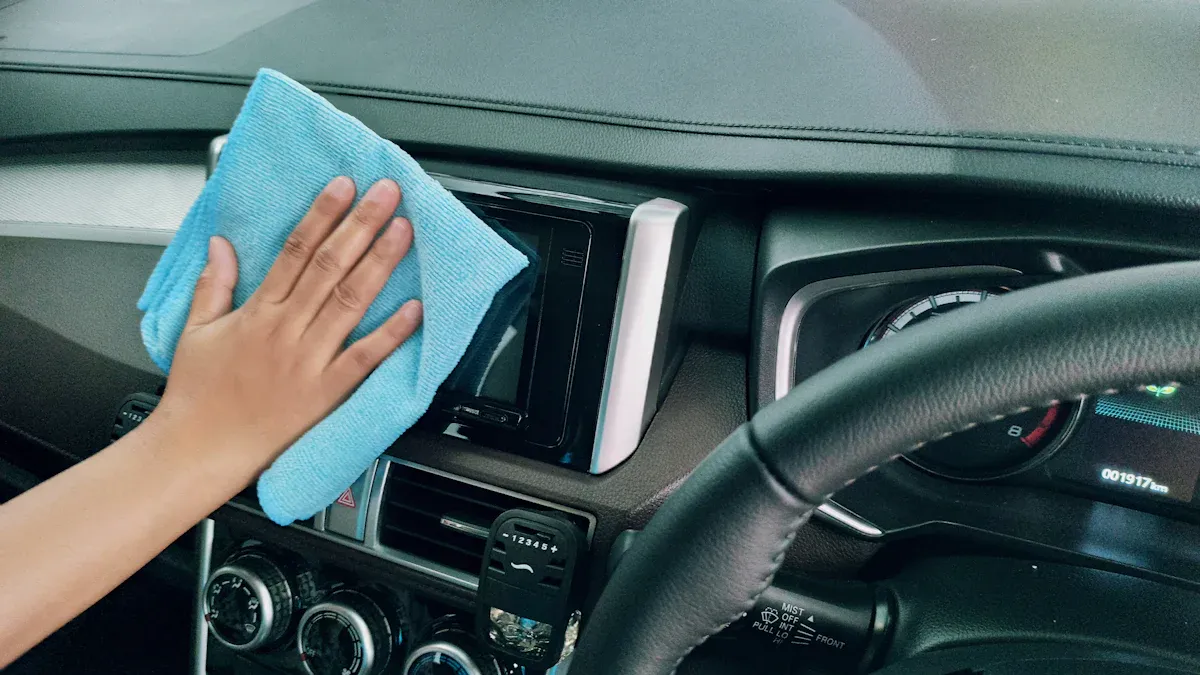
You want to get rid of mouse odor for good, so start by tracking down where the smell comes from. Mice love to hide in small, warm spaces. Here’s how you can find the source:
Check under the seats and carpets. Mice often leave droppings or shredded material here.
Open the trunk and look in storage compartments.
Inspect the glove box and center console for any signs of nesting.
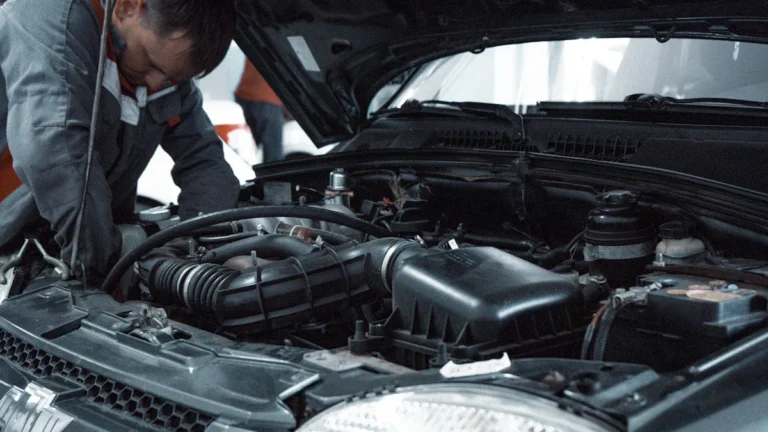
Pop the hood and look in the engine bay. The engine compartment and under the plastic engine cover are favorite spots.
Turn on your car’s air system. If the smell gets stronger, mice may have gotten into the air vents or HVAC system.
Look for small brown pellets, dark stains, or shredded paper and fabric. Use a flashlight to peek into deep crevices. If you can’t see anything but the odor is strong, the source might be hidden inside the HVAC system.
Tip: The most common mistake is masking the smell with sprays instead of finding and removing the source. Always start with a thorough inspection.
Remove Debris
Once you find the source, it’s time to clean up. Mouse droppings and nests can carry diseases, so safety comes first.
Park your car in a well-ventilated area.
Put on plastic gloves and a long-sleeved shirt.
Spray any droppings or nesting material with disinfectant. Let it soak for at least five minutes.
Use paper towels to pick up the waste. Throw everything in a sealed plastic bag.
Wipe down all surfaces with disinfectant wipes or an all-purpose cleaner.
Avoid vacuuming or using a high-pressure sprayer until you disinfect the area. This keeps harmful particles from spreading.
Wash your hands thoroughly after you finish.
You can also use dryer sheets under the carpet or in hidden spots to help freshen the area after cleaning.
Air Out the Car
Fresh air helps get rid of mouse odor faster. Open all the doors and windows. Let your car air out for at least an hour. If possible, park in direct sunlight. Sunlight and airflow work together to remove lingering smells.
Turn on the blower fan with the windows down. This helps push out any trapped odors from the vents and interior. If you cleaned the HVAC system, run the heat for 15 minutes with the windows open to flush out the system.
Odor Absorbers
Even after cleaning, some smells can stick around. You can use odor absorbers to help get rid of mouse odor completely. Here are some options:
Method | Effectiveness | Approach |
|---|---|---|
Baking Soda | Known for odor absorption | Sprinkle on carpets/seats |
Activated Charcoal | Absorbs and neutralizes odors | Place pouches in car |
Ground Coffee | Masks and absorbs unpleasant odors | Place under seats |
White Vinegar | Neutralizes strong odors | Leave in open container |
Place baking soda on carpets and seats, then vacuum after a few hours.
Set charcoal pouches or coffee grounds under the seats overnight.
Leave a bowl of white vinegar in the car for several hours to neutralize tough smells.
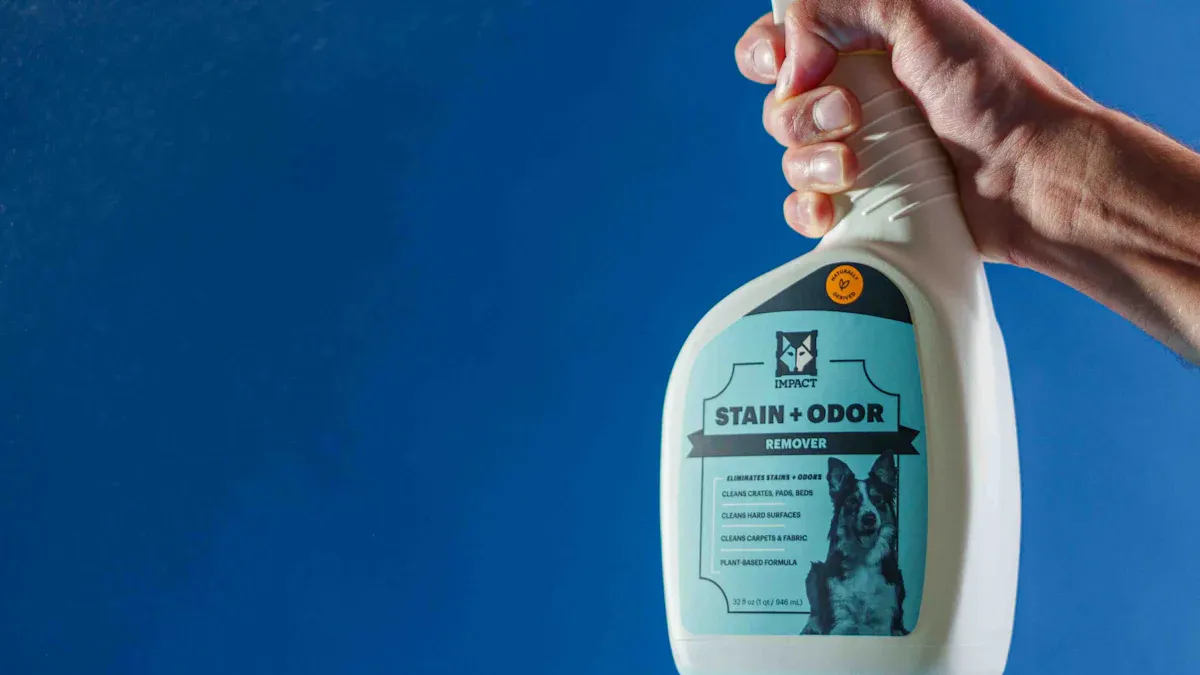
Enzyme-based cleaners work well for breaking down urine and proteins. They don’t just mask the odor—they destroy it. You can also try a mint Listerine spray for a fresh scent and extra bacteria removal.
Note: Foggers and ozone machines can help as a final step, but only after you remove the source of the smell.
Replace Cabin Air Filter
The cabin air filter often traps mouse debris, droppings, and even nests. If you want to get rid of mouse odor, always check and replace this filter. Signs of contamination include:
Fresh mouse debris or urine stains on the filter
Droppings or seeds inside the filter
Strange smells or weak airflow from the vents
A dirty filter can spread harmful particles and bad smells every time you turn on the air. Replacing it is a quick fix that makes a big difference.
HVAC Cleaning
Mice love to nest in the HVAC system. If you skip this step, you might keep smelling mouse odor no matter how much you clean. Here’s what you should do:
Replace the cabin air filter (usually behind the glove box).
Spray an HVAC deodorizing cleaner or disinfectant into the exterior air intake vents while running the fan on high (with recirculation off).
Run the heat for 15 minutes with all windows open to flush out the system.
Rodent droppings and urine can contaminate your car’s air, leading to health risks like Hantavirus or Salmonella. Cleaning the HVAC system helps protect you and your passengers.
Alert: If the smell won’t go away or you find a large nest deep inside the car, you may need to remove carpets or headliners for a deep clean. In tough cases, don’t hesitate to call a professional. DIY cleaning works for most situations, but pros have tools for the worst infestations.
If you follow these steps, you can get rid of mouse odor and enjoy a fresh-smelling car again.
Prevent Future Odors
Seal Entry Points
You want to keep mice out for good. Start by checking your car for any gaps or holes. Look under the hood, around doors, and near the trunk. Mice can squeeze through tiny spaces, so pay close attention.
Always close doors, windows, and sunroofs when you leave your car.
Check the underside of your vehicle for any openings. Seal these with wire mesh. This keeps mice out but still lets your car breathe.
If you spot a gap, cover it with metal or mesh. Tape and foam do not work as well.
Tip: Avoid parking near tall grass or bushes. Mice love to hide there and may sneak into your car.
Repellents
Repellents help make your car less inviting to rodents. Peppermint oil works well because its strong smell irritates mice and hides their scent trails. You can also try spearmint, citronella, eucalyptus, or lemon oils.
Soak cotton balls in peppermint oil and place them under seats or in the trunk.
Spray a mix of mint Listerine and water on carpets and mats.
Commercial repellents often use these same oils. They are safe for cars and help stop mice from chewing wires.
Reapply repellents every few weeks to keep them working.
Keep Car Clean
A clean car is less likely to attract mice. Food and trash are big reasons rodents move in. Even small crumbs can bring them inside.
Risk Factor | Odds Ratio | p-value |
|---|---|---|
Unapproved refuse storage | 3.09 | 0.001 |
Exposed garbage | 2.31 | 0.016 |
Remove all food, wrappers, and clutter from your car.
Vacuum seats and floors often.
Clean the engine bay to get rid of grease and smells.
Change your parking spot sometimes. This makes it harder for mice to settle in.
If you see signs of mice, set traps right away.
Note: Regular cleaning and quick action help prevent new odors and keep your car fresh.
You can get rid of mouse odor by acting fast and cleaning every spot. Remember these common mistakes:
Missing hidden droppings or nests
Skipping deep cleaning in upholstery
Only masking the smell
Stay thorough, use enzyme cleaners, and check every corner. You’ll enjoy a fresh-smelling car again!
FAQ
How long does it take to get rid of mouse odor in a car?
You can notice a big difference in one day. Deep cleaning and airing out may take up to a week for stubborn smells.
Can you use air fresheners to remove mouse odor?
Air fresheners only mask the smell. You need to clean and remove the source to get rid of mouse odor for good.
What should you do if the smell comes back?
Check for new nests or droppings.
Clean again with enzyme cleaner.
If the odor stays, call a professional for help.