Are you interested in a mechanic career and searching for a clear, efficient path? This guide provides a comprehensive roadmap on How To Become Mechanic, covering everything from initial steps to long-term growth. We design it for both speed and thoroughness. The automotive industry urgently needs skilled technicians. You can become a mechanic and find a truly rewarding profession. The Bureau of Labor Statistics projects over 67,000 job openings annually for automotive technicians. This demand nearly doubled from 2020 to 2021. You can become an auto mechanic and fill this critical need. It is a stable and in-demand career. You can become a mechanic quickly with the right steps.
Key Takeaways
A mechanic keeps vehicles safe and running well. This job needs both technical skills and problem-solving.
You can become a mechanic through trade schools, apprenticeships, or online courses. A high school diploma is usually the first step.
ASE certification is very important. It shows you have the right skills and knowledge for the job.
Start with basic tools. You can find mechanic jobs at dealerships or repair shops. Your resume should show your skills.
The mechanic field offers many ways to grow. You can specialize in areas like electric vehicles. This can lead to higher pay.
Understanding The Mechanic Role

You want to become a mechanic. First, you need to understand what this job involves. Mechanics keep vehicles running safely and efficiently. This role requires both technical knowledge and practical skills.
Daily Duties Of A Mechanic
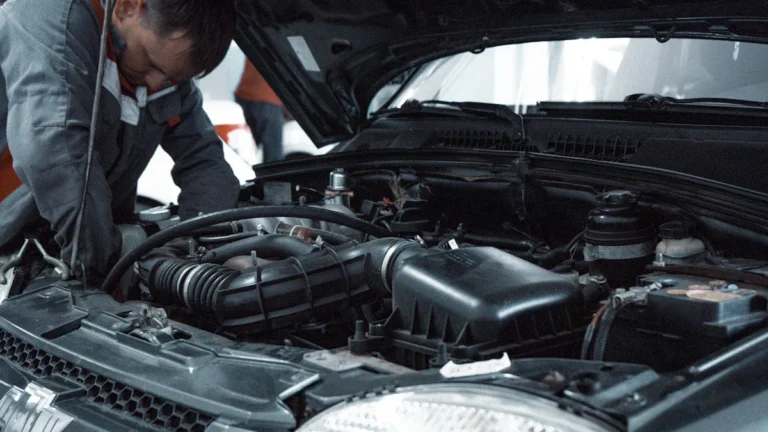
As an auto mechanic, you will perform many tasks each day. You will often start with routine maintenance. This includes oil changes, brake system maintenance (like pads, rotors, and fluid checks), and tire care (rotations, flat repairs, and replacements). You will also diagnose and fix problems. This means running system tests and identifying error codes. You might replace fuel sensors, spark plugs, batteries, or alternators. Sometimes, you will repair exhaust systems or even rebuild engines. You also provide repair estimates and maintain detailed records of your work. Preventative maintenance is a big part of the job. This includes filter replacement and other checks to stop problems before they start.
Types Of Mechanic Specializations
The field of automotive mechanics offers many paths. You can become a mechanic specializing in certain areas. For example, there is a strong demand for automotive technicians who understand advanced technology. This includes hybrid fuel systems or complex computer systems. You might focus on heavy vehicle and mobile equipment service. This area projects faster-than-average growth. It offers around 21,100 job openings each year. Other growing fields include aircraft and avionics equipment mechanics or medical equipment repairers. Professional certifications, like those from ASE, make you even more valuable in these specialized roles.
Key Skills For Mechanics
To succeed as an auto mechanic, you need a mix of technical and soft skills. Problem-solving skills are crucial. You must accurately diagnose issues and find effective solutions. Good communication skills are also vital. You will talk to coworkers and customers. You need to listen well to understand problems and explain repairs clearly. Teamwork skills help you collaborate with other automotive mechanics. Customer service skills mean you can handle customer concerns with patience and empathy. Finally, organization and attention to detail ensure your work is accurate and timely. Confidence in your abilities helps customers trust your expertise.
How To Become Mechanic: Education & Training Paths
You need a strong educational foundation to become a mechanic. A high school diploma or a General Education Development (GED) certificate is typically your first step. These credentials show employers you have basic academic skills. They also prepare you for more specialized auto mechanic training.
High School & GED Preparation
Your high school years offer a great opportunity to start your auto mechanic training. Many high schools provide automotive technology courses. These classes give you hands-on experience and introduce you to basic vehicle systems. If your school does not offer these, you can still prepare. Focus on subjects like math, science, and computer skills. These subjects build a strong base for understanding complex automotive systems. After high school, you can pursue further auto mechanic training. For example, Penn Foster offers an ‘Auto Repair Career Diploma’ program. This program includes courses such as:
Automotive Repair Foundations
Engine Repair
Automotive Brakes
Suspension and Steering This diploma also prepares you for ASE Certification exams. Other related vocational programs help you become a mechanic in specific areas. These include:
Diesel Mechanics/Heavy Truck Maintenance Career Diploma
Motorcycle Repair Technician Career Diploma
Small Engine Repair Career Diploma
Trade School & Vocational Programs
Trade schools and vocational programs offer focused auto mechanic training. These programs can fast-track your career. They teach you specific job skills quickly. Many programs take two years or less to complete. Some certificate programs, designed for specific skills, can take as little as 10 to 12 weeks. Enrolling in a diploma program is often the fastest way to get started. You gain practical knowledge and hands-on experience. This prepares you directly for the workforce.
Program Type | Average Cost | Duration |
|---|---|---|
Automotive Technology/Technician Certificate | ~$25,870 | Less than 1 to 2 years |
Auto Technician Trade School (Annual Net Cost) | ~$17,000 – $22,000 | N/A |
These programs provide comprehensive auto mechanic training. They cover everything from engine repair to electrical systems. You learn the skills you need to become an auto mechanic.
Apprenticeships & On-The-Job Learning
Apprenticeships and on-the-job learning are valuable paths to become a mechanic. You learn directly from experienced technicians. You gain practical skills while earning a wage. Many dealerships and independent shops offer these programs. Manufacturer-specific training programs also exist. For example, programs like New Ford Tech offer stable and lucrative options. These programs provide specialized auto mechanic training on specific vehicle brands. You learn the unique technologies and repair procedures for those vehicles. This type of training makes you a highly sought-after specialist. You gain real-world experience. This experience is crucial to become an auto mechanic.
Online Mechanic Resources
Online resources offer flexible options for auto mechanic training. You can learn at your own pace and from anywhere. These platforms provide valuable knowledge and skill development. The ASE Education Foundation lists several e-learning resources:
Axalta: Offers over 200 free eLearning modules. These cover collision topics like product specifics, customer service, selling, repair planning, body, paint, and financials.
CARQUEST / WORLDPAC (CTI+WTI): Provides unlimited access to Virtual Classroom events. These are for ASE Education Foundation and Career & Technical Education Instructors.
CDX: Offers daily distance learning assignments and training for instructors. They also provide demo opportunities and extended trials for non-customers.
Continental: Provides webinars on TPMS, instructional videos, and service tips.
Gates: Hosts the free Gates Performance Center eLearning Portal. This portal has content on belts, tensioners, hoses, water pumps, cooling systems, and hydraulics.
General Motors / ACDelco: Offers an online training program at no cost. This is for ASE Accredited high school and college instructors and students. It includes over 100 web-based training courses for instructors and 20 for students. They also provide access to the GM Service Information system.
Grote: Features Grote Know-How, an online resource. It has six sections on electrical basics, vehicle lighting, installation, and troubleshooting. It includes quizzes and a final test.
IMS: Offers online curriculum for Automotive training programs. They provide free access to a demo site.
Mercedes-Benz: Through MB Star Connect and MB Campus programs, offers students a pathway to complete training requirements. You can become a Mercedes-Benz Registered Technician. This covers topics like electrical fundamentals, engine management, tires, and telematics.
AVI OnDemand also offers expert training for automotive professionals. This includes:
Online Training Offerings
Live Training Offerings
Live Training Season Pass
Popular Hands-On Workshops such as Heavy Duty Air Brake Certification, Hybrid/Electric, EV Technology, Air Conditioning & Heating, ADAS Calibration & Diagnostics, and Advanced Networking & Diagnostics. They also provide ASE Test Prep for Engine Performance, Electrical, Brakes, Diesel, Suspension and Steering, Maintenance & Light Repair, Hybrid, Alternative Fuels, and ADAS Technology.
Autodata Training provides online automotive training courses for technicians. They feature:
Over 380 video training modules
Access to an interactive training portal
Professional certificates of completion
A digital record of training achievements These resources help you gain knowledge and prepare for certifications. They are excellent tools to help you become a mechanic.
Certifications To Become An Auto Mechanic
Why Certifications Are Essential
To truly excel and advance in the automotive field, you need certifications. These credentials prove your skills and knowledge to employers and customers. Many employers require specific certifications before you can even begin working. They show you have met industry standards. Certifications also help you specialize and earn more. They are a vital step to become a mechanic.
ASE Certification Explained
The Automotive Service Excellence (ASE) certification is the gold standard in the automotive industry. It is often a requirement to become an auto mechanic. ASE offers various certifications. These certifications validate your expertise in different areas.
For students starting their careers, the ASE Education Foundation offers specific certifications. These are designed for high school and college students. You do not need work experience for these student tests. There are 19 total student certifications. They fall into three main categories:
Automobile Test Series: This covers basic maintenance and repair. Examples include Engine Repair, Brakes, and Electrical/Electronic Systems.
Collision Repair and Refinish Series: This focuses on bodywork skills. It includes Painting and Refinishing, and Structural Analysis and Damage Repair.
Medium/Heavy Truck Series: This concentrates on large trucks and diesel engines. It covers Diesel Engines and Electrical/Electronic Systems.
To become ASE certified, you must pass an ASE test. You also need relevant hands-on work experience. The amount of experience varies by test type. For most repair technician roles, you need one, two, or three years of experience. Parts specialists, collision damage estimators, and service consultants typically need two years. You can take tests before meeting the experience requirement. However, ASE awards certification only after you fulfill the experience. Your work experience must match the specific certification you pursue. For example, repair technician experience does not count for a collision damage estimator certification. Formal training can sometimes substitute for some work experience.
Here is a look at some of the main ASE test series:
Test Series | Objective | Tests Offered (Scored Questions) |
|---|---|---|
Automobile & Light Truck (A Series) | To identify technicians knowledgeable in diagnosing, servicing, and repairing cars, SUVs, and light-duty trucks. | A1 – Engine Repair (50), A2 – Automatic Transmission/Transaxle (50), A3 – Manual Drive Train & Axles (40), A4 – Suspension & Steering (40), A5 – Brakes (45), A6 – Electrical/Electronic Systems (50), A7 – Heating & Air Conditioning (50), A8 – Engine Performance (50), A9 – Light Vehicle Diesel Engines (50) |
Collision Repair & Refinish (B Series) | To identify technicians and refinishers skilled in analyzing and repairing automotive collision damage and paint finish damage. | B2 – Painting & Refinishing (55), B3 – Non-Structural Analysis & Damage Repair (55), B4 – Structural Analysis & Damage Repair (50), B5 – Mechanical & Electrical Components (50) |
Damage Analysis & Estimating (B6) | To identify estimators knowledgeable in analyzing and estimating automotive collision damage. | 50 scored questions covering damage analysis, estimating, legal/environmental practices, vehicle construction, systems, parts, and customer relations. |
Automobile Service Consultant (C1) | To improve vehicle service quality through certification of Service Consultant professionals. | 50 scored questions on communications, customer/internal relations, vehicle systems knowledge, sales skills, and shop operations. |
You must retest every five years to maintain your ASE certification. Recertification tests are shorter. For example, A1R-A9R for Automobile & Light Truck or B2R-B5R for Collision Repair & Refinish are about half the length of the initial tests. This ensures your skills stay current.
Other Key Mechanic Certifications
While ASE is widely recognized, other certifications can boost your career. These specialized credentials help you focus on specific automotive technologies.
Advanced Driver-Assistance Systems (ADAS) Certifications: Organizations like the Automotive Service Councils (ASC) offer these. They cover diagnosing and repairing sensors, cameras, and radars. These are found in modern ADAS features like automated emergency braking and lane departure warning.
Electric and Hybrid Vehicles (HEV/EV) Certifications: The National Electric Vehicle Association (NEVA) provides these. They certify your competence in EVs and HEVs. This includes electric motors, safe handling techniques, and high-voltage battery systems.
Diesel Mechanics Certifications: The Diesel Technicians Association (DTAs) offers certifications for diesel engine specialists. They evaluate your ability to find faults in fuel injection systems, fuel systems, and turbochargers. This applies to heavy-duty trucks and other diesel vehicles.
Alternative Fuel Vehicles (AFVs) Certifications: The Society of Automotive Engineers (SAE) offers these. They are for technicians working on vehicles powered by alternative fuels. Examples include propane or compressed natural gas (CNG). These certifications address safety concerns and specific fuel system details.
Undercar Specialist Certifications: Associations like the American Society for Testing and Materials (ASTM) provide these. They are for mechanics specializing in specific car components. These include suspension, steering, or brakes. They show your expertise in identifying and repairing these under-car parts.
Lube Technician Certifications: The National Lubricating Grease Institute (NLGI) certifies lube technicians. This covers standard maintenance activities like oil changes and filter replacements. Major companies like Toyota, Ford, and General Motors also offer their own training programs and certifications.
These additional certifications allow you to become a mechanic with highly specialized skills.
State Licensing Requirements
Most states do not require a general license to become a mechanic. However, some states or local municipalities might have specific licensing or registration requirements. For example, some areas require licenses for specific types of repairs, like air conditioning or emissions. You should always check with your state’s Department of Motor Vehicles or local government. This ensures you meet all local certification requirements.
Launching Your Mechanic Career: Tools & Job Search
You have completed your training and earned your certifications. Now you are ready to launch your career. This section helps you prepare for your first job as a mechanic.
Essential Mechanic Tools
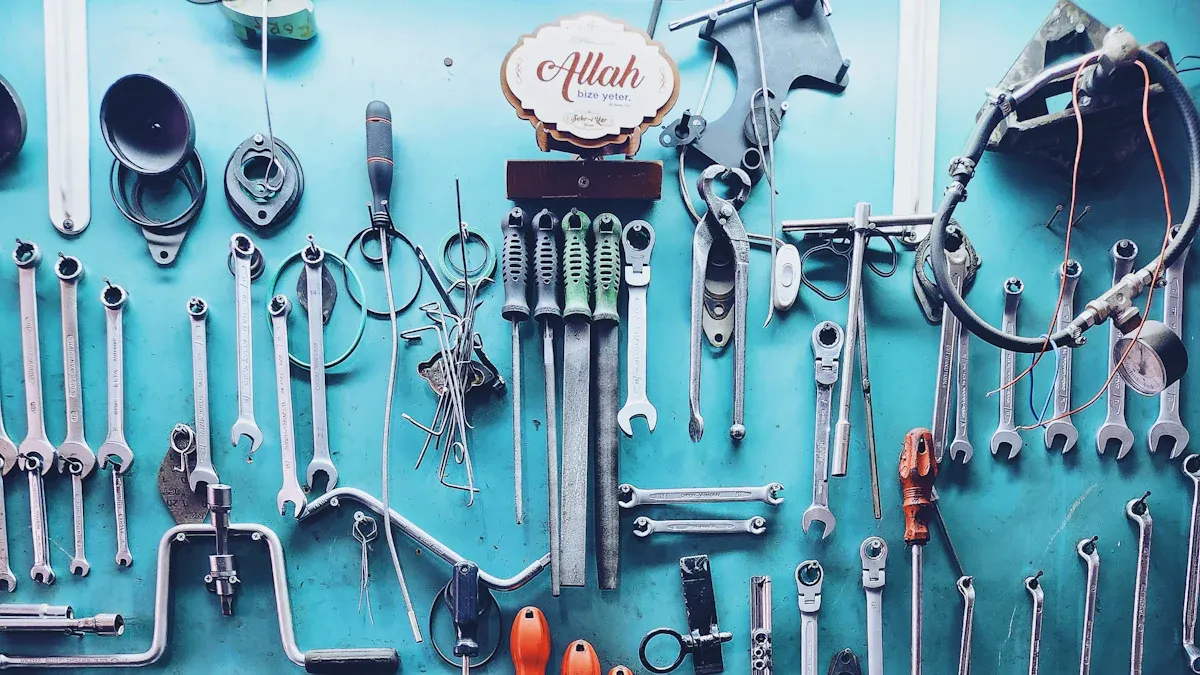
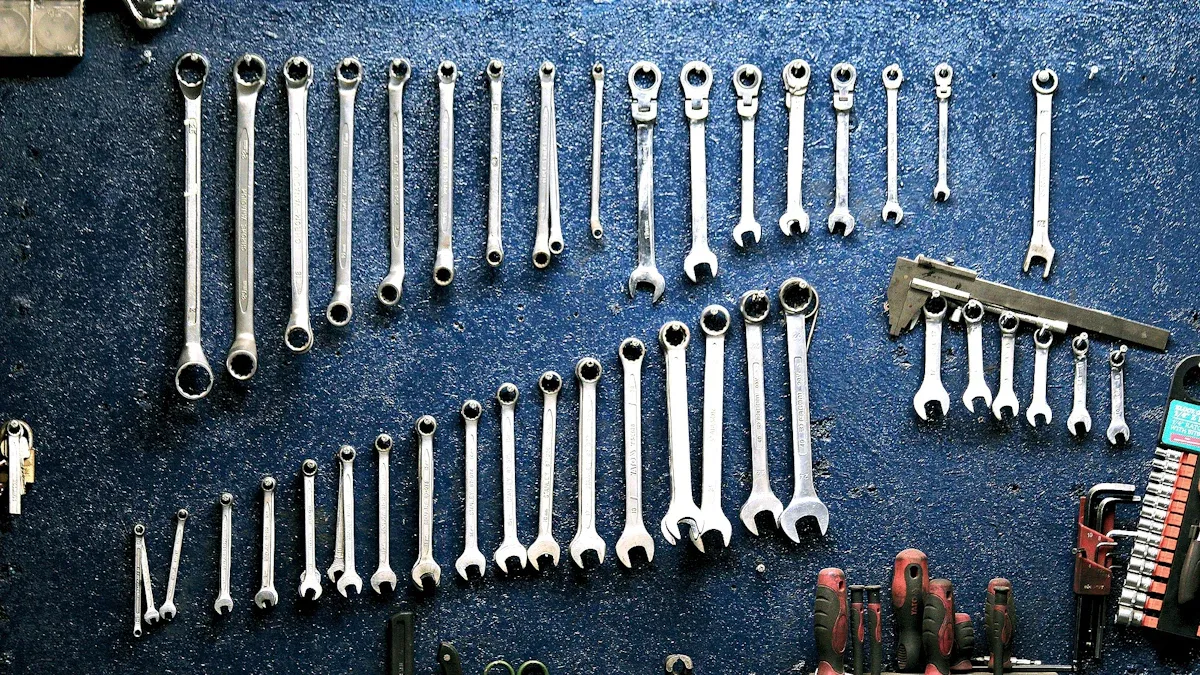
You need the right tools to start your career. Entry-level mechanics should equip themselves with essential hand tools and diagnostic equipment. These tools help you handle common repairs. Key items include:
OBD Scanner
Lighting
Shop stool
Ratchet wrenches
Socket set
Screwdriver
Power tools
Creeper
Car lift or jack
Fluid funnels
Pry bar
Pliers
Hammer
Toolbox/storage
Building Your Tool Kit
You do not need to buy every tool at once. Start with the basics. Many employers provide some specialized tools. You can gradually build your personal tool kit as you gain experience. Look for quality tools that will last. Investing in good tools helps you work efficiently and safely.
Finding Mechanic Jobs
Many places need skilled mechanics. You can find jobs at dealerships, independent repair shops, and fleet service centers. Online job boards and automotive industry websites also list openings. Networking with instructors and classmates can also lead to job opportunities. To become a mechanic, you must actively seek out these roles.
Resume & Interview Tips
Your resume is your first impression. It should include a summary or objective statement. This engages recruiters and encourages them to consider your application. Detail your mechanical skills and the tools you have used. For example, list engine diagnostics, brake systems, or specific software. Include any awards or achievements you have received. Mention volunteer experience as an auto mechanic to show your commitment. Professional memberships, like those with the Automotive Service Association, demonstrate your dedication to growth.
Your resume should have a clear structure. Highlight your work experience from recent years. List your skills and abilities. Include additional information tailored to the employer’s wishes. Provide precise data instead of general statements. Be ready to discuss your knowledge of safety regulations. Show your maintenance and repair skills for technical equipment. Your ability to read drawings and technical documentation is also important. Familiarity with original and analog spare parts and consumables helps. Know technical terminology. Highlight relevant personal qualities, or soft skills. These include problem-solving and communication.
Grow Your Career: Become A Mechanic Specialist
You have launched your career. Now, you can grow and specialize. Continuous learning is key in the fast-changing automotive world. Work hard, produce quality hours, and complete company computer training. These actions help you advance. Upselling services also boosts your value.
Advancing In The Mechanic Field
You can advance your career by always learning new skills. The automotive industry changes quickly. Staying updated on new technologies makes you a valuable asset. Seek out training opportunities. Show initiative in your daily tasks. This helps you move into leadership roles or specialized positions.
Mechanic Specializations & Growth
Many paths open for you as you become a mechanic. Specializing can lead to higher earnings. Consider these high-paying roles:
Performance tuning specialist: $60,000 – $80,000/year
Automotive Technical Trainer: $70,000 – $90,000/year
Heavy equipment mechanic: $60,000 – $85,000/year
Collision repair manager: $65,000 – $85,000/year
Diesel technician: $60,000 – $90,000/year
Shop foreman/Lead technician: $70,000 – $95,000/year
Automotive Service Manager: $70,000 – $100,000/year
The Bureau of Labor Statistics projects a 2% job growth for automotive service technicians and mechanics from 2022–32. This means about 12,800 new jobs. An additional 67,700 positions for automotive service technicians will open annually. These openings come from people retiring or changing jobs.
Mechanic Salary & Outlook
Your salary grows with your experience and specialization. The demand for skilled mechanics remains strong. This ensures a stable career outlook. Specializing in areas like heavy equipment or service management can significantly increase your earning potential.
Future Trends In Mechanics
The future of mechanics involves new technologies. You need to adapt to these changes.
Advanced Diagnostic Tools: Modern shops use state-of-the-art scan tools. You must know how to use these tools and understand their data.
Electric and Hybrid Vehicle Technology: More EVs and hybrids are on the road. You need specialized knowledge in electric drivetrains and high-voltage systems.
Safety and Driver-Assistance Systems (ADAS): Vehicles have features like adaptive cruise control. You must repair these complex systems.
AI-Driven Maintenance Solutions: AI predicts maintenance needs. This helps prevent breakdowns.
Remote Diagnostics: Automation allows remote vehicle health checks. This makes repairs more efficient.
You now have a complete roadmap on how to become mechanic. This rewarding career path is truly achievable, following clear steps. Your journey encompasses:
📚 Vital education
🏅 Essential certifications
🛠️ Practical experience
🧠 Continuous learning
Take that crucial first step today to become a mechanic! The automotive industry urgently seeks skilled professionals. You can become an auto mechanic, making a significant contribution. Your expertise keeps vehicles safe and efficient, providing immense satisfaction. This guide empowers you on how to become mechanic.
FAQ
How long does it take to become a mechanic?
You can become a mechanic in various ways. Trade school programs often take two years or less. Some certificate programs finish in 10 to 12 weeks. Apprenticeships combine learning with work. You gain skills while earning money.
Do I need a college degree to be a mechanic?
No, you do not typically need a four-year college degree. A high school diploma or GED is usually the first step. Vocational schools and trade programs offer specialized training. These programs prepare you for certifications and jobs.
What is ASE certification?
ASE certification is the industry standard. It proves your skills and knowledge. You pass an ASE test and gain work experience. ASE offers many certifications for different specialties. You must recertify every five years.
Can I learn mechanics online?
Yes, you can use online resources. Many platforms offer e-learning modules and webinars. These cover various automotive topics. Online courses help you gain knowledge and prepare for certifications. They offer flexible learning options.
What tools do I need to start as a mechanic?
You need essential hand tools. These include an OBD scanner, ratchet wrenches, and a socket set. A screwdriver, power tools, and a toolbox are also important. You can build your kit over time.