

Your car’s interior often faces daily messes, and dirty car seats are a common challenge. You want a clean, fresh space, but those crumbs, spills, and stains accumulate fast. A dirty car interior is a breeding ground for bacteria, germs, and allergens, which can affect your health and mental well-being. Proper car cleaning tips and techniques are important. They help you avoid damage and maintain your car’s value. This guide shows you how to clean car seats effectively and safely. It provides comprehensive cleaning tips for various seat types.
Key Takeaways
Always use the right cleaning products for your car seats. Household cleaners can damage them.
Check your car’s manual before cleaning, especially for child car seats. This prevents damage and keeps them safe.
Clean fabric seats by vacuuming, pre-treating stains, and using gentle cleaners. Make sure they dry completely to stop mold.
Clean leather seats gently with special cleaners. Then, use a conditioner to keep them soft and prevent cracks.
Never use harsh chemicals or abrasive tools on any car seats. They can cause permanent damage.
Prepare to Clean Car Seats
Gather Supplies
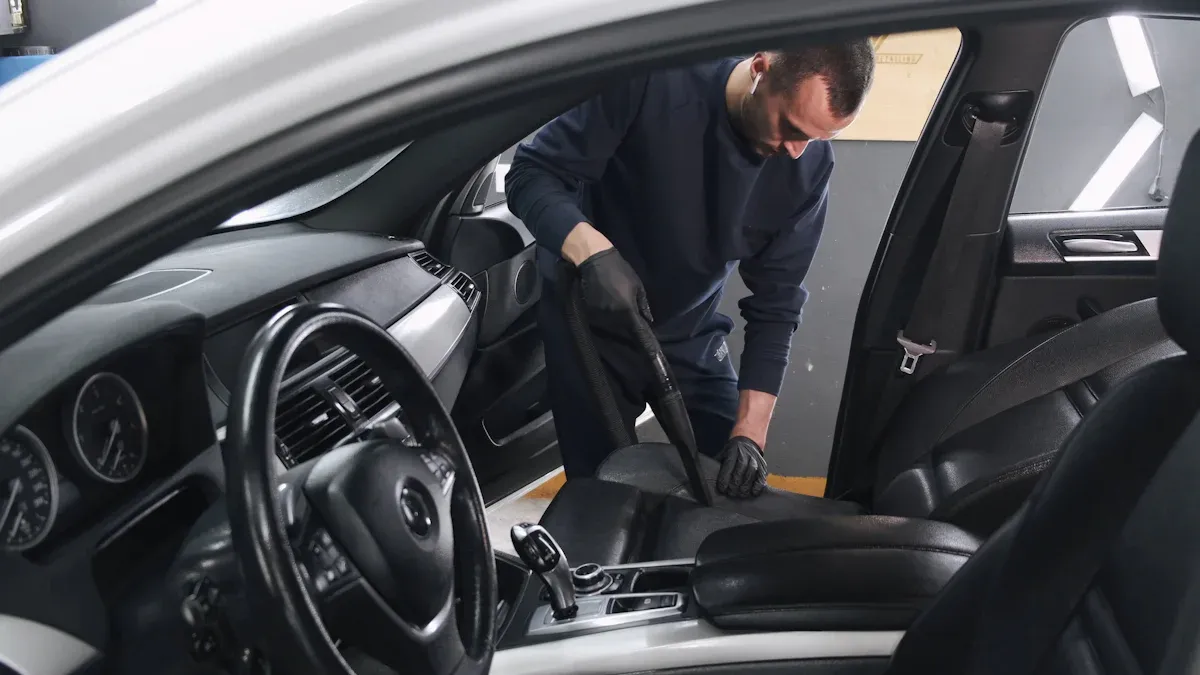
You need the right tools before you start. Gather these common cleaning supplies: a vacuum, microfiber cloths, spray bottles, brushes, and buckets. You also need specific cleaning solutions. To effectively learn how to clean car seats, you should use products designed for automotive interiors. Automotive detailing professionals recommend specialized products. These are often pH-balanced and designed for car materials.
Automotive-specific interior cleaners: These are crucial. Household cleaners can damage materials or cause discoloration. Professional solutions are made for car applications.
Professional-grade auto interior cleaners: These handle temperature changes and UV exposure. They have pH-neutral formulas, UV inhibitors, and anti-static properties. They dry fast. They also have material-specific surfactants for leather, fabric, vinyl, and plastics.
Recommended Products for Car Seats (General Interior Cleaners):
Car Pro Inside: Great for deep grime. It rejuvenates plastic.
Koch-Chemie Top Star: Contains UV protectants.
P&S Detail Products Xpress Interior Cleaner: Leaves no residue. It gives a matte finish.
Gtechniq I2 Tri-Clean: Cleans, protects, and fights bacteria.
Recommended Products for Leather Seats:
P&S Detail Products Leather Treatment: Cleans and conditions. It leaves a protective layer. This slows aging and keeps leather flexible.
Recommended Products for Fabric and Upholstery Seats:
Heavy Soil: P&S Carpet Bomber for deep cleaning.
Stain Removal: P&S Terminator for tough stains.
General Cleaning: Gtechniq W5 is a versatile fabric cleaner.
Specialty Fabrics: Chemical Guys Fabric Clean is safe for all fabric types.
Specialized Cleaning Brushes: These help you clean effectively.
Crevice Brushes: Use these for seat seams and tight spots.
Upholstery Brushes: Designed for deep cleaning fabric.
Leather Brushes: Gentle for regular use on leather.
Check Manual
Before you apply any product, consult your car’s owner’s manual. If you are cleaning a child car seat, check its specific car seat manual. This manual provides important cleaning instructions and warnings. Not following manufacturer guidelines can compromise safety. A car seat is a life-saving device. Parents who clean car seats without checking the manual might end up with a clean but unusable seat.
Unsafe practices include:
Spraying with Lysol or other disinfectants.
Hosing them down.
Submerging them in water.
Wiping with disinfectant wipes.
Using bleach.
These actions can lead to problems like:
Misrouted harnesses.
Twisted straps.
Shrunken fabrics.
Missing or misplaced parts.
Test Solutions
You must always test any cleaning solution first. Apply it to an inconspicuous area. This ensures no discoloration or damage occurs. This simple step helps you use safe cleaning methods. It protects your car’s interior and helps you clean car seats without causing harm.
Cleaning Fabric Car Seats
Fabric car seats are common. They also attract dirt and stains easily. This section shows you how to make them look new again. You will learn effective cleaning methods for fabric upholstery.
Vacuum and Pre-Treat
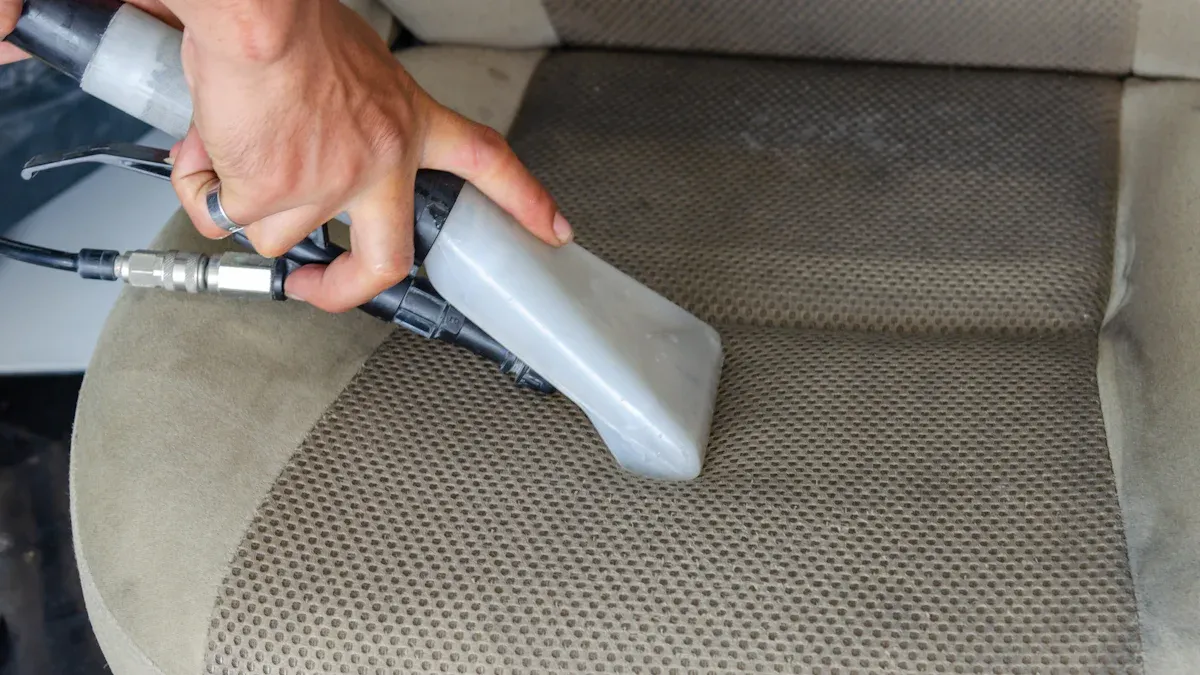
Start by removing loose debris. Use a powerful vacuum cleaner. Go over every inch of your fabric seats. Pay close attention to seams and crevices. A brush attachment helps loosen stubborn dirt. After vacuuming, look for heavily soiled areas. These spots need pre-treatment. Spray a dedicated fabric pre-treatment solution onto these areas. Let it sit for a few minutes. This helps break down grime before you start cleaning.
General Fabric Cleaning
You have several options for general fabric cleaning. Choose the method that best suits your needs.
Option 1: Liquid Washing Machine Detergent Gently spray a small amount of liquid washing machine detergent onto the seat. Products like Vanish work well. Immediately brush the area with a soft-bristle brush. Do not oversaturate the fabric. Too much liquid can lead to mold.
Option 2: Homemade Dish Soap Solution Mix a small amount of dish soap with water. Put this solution into a spray bottle. Lightly mist the fabric. Then, scrub with a clean microfiber cloth or a soft brush.
Option 3: Vinegar and Dish Soap Solution Create a powerful homemade cleaner. Mix 1 cup of white vinegar, a squirt of dish soap, and a gallon of hot water. Apply this solution to the fabric. Scrub with a brush. This mixture helps to clean and deodorize.
Here are more effective homemade solutions you can use:
General Upholstery Cleaner: Combine 1 cup of water or club soda, ½ cup of white vinegar, and ½ tablespoon of natural dish soap.
Brightening Cleaner for Light-Colored Fabric: Mix 1 cup of 3% hydrogen peroxide with ½ tablespoon of natural dish soap.
Dry Upholstery Cleaner: Use equal parts of baking soda and cornstarch. This is great for light cleaning.
Upholstery Spot Remover: Mix 1 cup of rubbing alcohol and 1 cup of white vinegar.
For a comprehensive homemade fabric car seat cleaner, try this:
1 cup of warm water: This helps loosen dirt.
1/4 cup of mild, liquid laundry detergent: Choose a bleach-free detergent. Avoid harsh chemicals.
1 tablespoon of white vinegar (optional): This boosts cleaning power. It also deodorizes.
A few drops of essential oil (optional): Add a fresh scent like lavender or tea tree. Mix all ingredients in a bowl or bucket.
To use these solutions, lightly spray your chosen cleaner onto the seat. Let it sit for about 5 minutes. Then, rub in a circular motion with a soft brush or microfiber rag. Lightly spray with water. Use a steam cleaner or shop vac to help dry the area.
Fabric Stain Removal
Stains happen. Act quickly to remove them. Here are methods for common fabric car seat stains:
Coffee Stains:
Blot Immediately: Gently blot the stain with a clean cloth or paper towel. This absorbs the liquid. Do not rub.
Prepare Your Solution: Mix a teaspoon of dish soap with a cup of lukewarm water.
Apply the Solution: Dab the soapy mixture onto the stain. Work from the outside in.
Rinse and Repeat: Use a clean, damp cloth to rinse. Repeat the process until the stain lifts.
Blot Dry: Use a dry cloth to remove moisture.
Air Dry: Let the seat air dry completely. Avoid direct heat.
Ink Stains:
Blot the Ink Stain: Absorb excess ink with a clean, dry microfiber cloth. Avoid rubbing.
Apply Rubbing Alcohol: Dab rubbing alcohol or hand sanitizer onto the stain. Use a cotton swab. Let it sit for 30 seconds.
Blot Again: Blot with a clean microfiber cloth. This lifts the ink. Repeat until the stain is gone or reduced.
Clean the Area: Use a mild dish soap and water solution. Scrub with a soft-bristle brush. Wipe with a damp cloth.
Dry Thoroughly: Ensure the area is completely dry. This prevents watermarks or mildew.
Oil and Grease Stains:
Absorb the Excess: Sprinkle baking soda generously over the stain. Let it sit for 15-20 minutes. This absorbs the oil.
Vacuum the Area: Use a vacuum cleaner to remove the baking soda.
Apply Dish Soap Solution: Mix dish soap with warm water. Apply to the stain with a microfiber cloth or sponge. Gently scrub.
Rinse and Dry: Wipe away residue with a clean, damp cloth. Dry thoroughly.
For tough stains, you can also use a solution of half a cup of baking soda mixed with a cup of warm water. Apply this mixture with a toothbrush. Gently scrub the stain. This helps lift deep-set grime. These cleaning methods help you effectively disinfect your car seats.
Dry Fabric Seats
Proper drying is crucial. It prevents mold, mildew, and unpleasant odors. After cleaning, remove as much moisture as possible. Use a dry microfiber towel to blot the area. Press down firmly.
Ventilation: Open your car windows. This creates airflow.
Fans: Place a fan inside your car. Direct it towards the cleaned seats. This speeds up drying.
Heat Sources: You can use portable heaters or hair dryers. Use them with caution. Move them constantly to distribute heat evenly.
Sun Exposure: Park your car in direct sunlight. If possible, remove the seats and place them in the sun. This is a natural way to dry and disinfect.
For seasonal drying:
Winter: Use portable or space heaters in a garage. Utilize dehumidifiers if humidity is high.
Summer: Leverage sunlight. Park in a sunny spot with windows slightly open. Ensure natural ventilation.
Make sure the seats are completely dry before you close your car windows. This prevents moisture from getting trapped. Trapped moisture can lead to mold growth.
Cleaning Leather Car Seats
Leather car seats add a touch of luxury to your vehicle. They also require specific care to keep them looking their best. You need to use the right products and techniques. This section covers the specific care required for leather upholstery.
Dust and Wipe
Start your leather cleaning process by removing loose dirt. You can gently dust and wipe down leather surfaces. Use a soft, dry microfiber cloth. This removes surface dirt and dust. It prevents abrasive particles from scratching the leather during deeper cleaning. You want to avoid rubbing dirt into the material.
General Leather Cleaning
Cleaning leather requires a gentle approach. You should use specialized leather cleaners or mild soap solutions. Avoid harsh chemicals. They can damage the leather.
Dedicated interior cleaners are best. They are pH-neutral. These cleaners are safe and effective for most interior surfaces. This includes leather, fabric, vinyl, plastic, and rubber. They are pure cleaners. They do not leave protection behind. You should not clean leather with alkaline chemicals. This can cause damage, especially with regular use.
Here are some excellent pH-neutral cleaners for general leather car seat cleaning:
Griot’s Interior Cleaner: This cleaner is highly rated for its cleaning ability. It works on all interior surfaces, including leather. It is scent-free and colorant-free. It leaves a residue-free finish.
Gtechniq Tri-Clean: This is another pH-neutral, all-surface interior cleaner. It offers antibacterial and antimicrobial qualities. It kills 99.9% of bacteria. It is effective for spray and wipe applications. It is safe for leather.
P&S Xpress: This affordable, pH-neutral cleaner is praised for its premium feel. It works well as a spray-and-wipe cleaner. It also works with agitation. It lathers well and lifts dirt. It leaves a clean, dry, residue-free finish on all interior surfaces, including leather.
To clean, spray your chosen cleaner onto a microfiber cloth. Then, gently wipe the leather in small sections. Do not spray directly onto the seat. This prevents oversaturation. After cleaning, wipe the area with a clean, damp cloth. This removes any cleaner residue. This helps to disinfect your car seats.
Condition Leather
Conditioning your leather seats after cleaning is very important. It keeps the leather supple. It also prevents cracking. Regular conditioning offers many benefits:
It prevents drying and cracking. It keeps leather hydrated and flexible. This counteracts the effects of heat, sunlight, and regular use.
It protects against color fading. Many conditioners include UV protection. This prevents fading from sunlight.
It maintains an even appearance. It restores the richness of color. It makes leather look fresh and clean.
It helps reduce wear. It softens leather. This reduces abrasion and wear between the surface and your body.
Conditioning also keeps the leather healthy. It protects from stains. It prevents degradation. It makes it tougher for dirt and debris to stick. This increases the life of the leather. It gives the leather a longer life. It prevents cracking and drying out. It maintains softness and suppleness. It protects against brittleness from sun exposure. It even repels water from your car seats. It creates an invisible barrier. This repels water. It protects against water stains from spills.
Apply a high-quality leather conditioner. Use a clean microfiber cloth. Work it into the leather in small, circular motions. Let it soak in for a few minutes. Then, buff off any excess with a clean, dry cloth.
Remove Leather Stains
Stains on leather can be tricky. You need to remove them safely. This prevents damage. Here are some effective cleaning methods for different types of stains:
For permanent marker stains:
Apply acetone nail polish remover or rubbing alcohol to a cotton ball.
Blot the stain on the leather seat. Do not scrub.
Once the stain is gone, clean the area with warm water and dish soap.
Caution: Monitor application closely. Some nail polish removers can have a bleaching effect. They can leave residual traces. This method is particularly helpful for permanent marker stains.
For general stains, including grease or oil:
Vacuum Cleaning: Use a vacuum with a soft brush attachment. This removes loose dirt and debris. It prevents abrasive particles from damaging the leather.
Blotting the Stain: For fresh grease or oil spills, gently blot the affected area. Use a clean, dry microfiber cloth. Avoid rubbing. This prevents spreading the stain.
Applying a Cleaning Solution:
Commercial Leather Cleaner: Apply a small amount to a microfiber cloth. Gently wipe the stained area in circular motions. Follow manufacturer instructions.
DIY Cleaning Solution: Mix equal parts white vinegar and distilled water. Dampen a cloth with the solution. Gently clean the stain. Vinegar effectively breaks down grease and oil. It does not harm the leather. Always test on a hidden area first.
Deep Cleaning Stubborn Stains: If the stain persists, sprinkle cornstarch or talcum powder on the area. Let it sit for several hours or overnight. This absorbs oil. Then, gently brush it off. For older stains, use a small amount of mild dish soap with a damp cloth. Wipe gently.
Conditioning After Cleaning: Apply a high-quality leather conditioner. Spread it evenly over the cleaned area. Use a clean microfiber cloth. This restores natural oils and prevents dryness.
Here are some advanced cleaning tips and considerations:
Choose a leather cleaner suitable for your car’s leather type.
Avoid harsh chemicals like bleach, ammonia, and abrasive cleaners.
Always spot-test any cleaning product on an inconspicuous area.
Use gentle motions. Aggressive scrubbing can worsen stains and damage leather.
Act quickly to address stains. They are easier to remove when fresh.
Specific stain advice:
Dish Soap: While it breaks down grease, it is not recommended for leather. It may strip natural oils. Opt for leather-specific cleaners.
Rubbing Alcohol: It can remove stains. It may dry out leather. If you use it, apply a leather conditioner afterward. This replenishes moisture.
These cleaning methods help you maintain your leather car seats. They keep them looking luxurious for years.
Cleaning Child Car Seats
Cleaning child safety seats has unique requirements. You must prioritize safety and material integrity. These seats protect your child. Proper cleaning ensures they remain safe.
Child Seat Prep
Before you clean your child’s car seat, you need to prepare. First, remove the car seat from your vehicle. Then, review the manufacturer’s manual for specific cleaning guidelines. Manufacturer-recommended disassembly procedures are not universal.
They vary by make and model. It is crucial to consult the car seat’s specific manual. These manuals often have digital versions online. They contain steps for disassembling seat covers and harness straps. You should always follow the manufacturer’s instructions. These procedures are critical for your child’s safety. Remove the car seat cover and as much padding as possible. Covers can be tight the first time you remove them. If you are new to disassembling a car seat, take sequential photos. These photos will help you reassemble it. If you have trouble, contact the manufacturer’s customer service.
Clean Fabric Covers
Now, you can clean the fabric covers and padding. Always read the car seat’s instruction manual. Check the manufacturer’s website for removal or replacement videos. You can video or photograph the removal process. This helps with reassembly.
Take a picture of how shoulder straps connect before you disconnect them. You can hand wash or machine wash on a gentle cycle. Hang or lay flat to air dry. This prevents shrinking or damage to the cover and safety labels. Never put the fabric cover in the dryer. This can ruin the cover. Manufacturers forbid it. Tumble drying can affect life-saving properties like flame retardants. Do not use detergent if you want to keep flame retardants effective. You want to clean and disinfect these covers properly.
Clean Harness and Base
Clean the harness straps with cool water and gentle soap. Avoid harsh chemicals. Harsh chemicals can weaken the straps. This makes them unsafe. You can clean the plastic and metal components with gentle soap, water, and baby wipes. These methods help you disinfect the surfaces. You want to disinfect all parts that your child touches. This removes germs and grime.
Reassemble Safely
Correct reassembly is very important. It ensures the seat’s safety features are intact. Consult the car seat’s user manual for specific reassembly instructions. This is especially true for seat covers and harness straps. This is crucial for your child’s safety. Refer to any photos you took during disassembly. These photos guide reassembly. Check the manufacturer’s website for helpful videos. Review the manual to ensure all parts are present. Most manufacturers offer replacement parts if anything is missing. Contact customer service if you have difficulties during reassembly. Proper disinfecting and reassembly keep your child safe.
What Not to Use
You want to clean your car seats effectively. You also need to know what to avoid. This section highlights common mistakes and harmful products. These can damage your car’s interior.
Avoid Harsh Chemicals
You should never use harsh chemicals on your car seats. These products can cause permanent damage. They can also compromise the safety of child car seat components. Avoid cleaners or disinfectants that might weaken crucial parts. These parts are vital for safety during a crash.
🚫 Specifically, you must avoid:
Bleach
Hydrogen peroxide
These chemicals can strip protective coatings. They can also discolor fabrics and leather. Always choose products designed for automotive interiors.
Skip Abrasive Tools
Using the wrong tools can scratch or tear your upholstery. You must avoid abrasive tools when cleaning car seats.
🚫 Do not use:
Steel wool
Dish scrubbers
Coarse rags
These common household items can damage car surfaces. They can harm car seat materials if you use them improperly. Abrasive cleaners should never touch any part of a car seat. This is especially true for harness straps and buckles. They can damage and weaken these components. The delicate fibers of car seat straps are easily damaged by abrasive cleaners. Instead, use soft microfiber cloths or soft brushes. These are gentle and effective alternatives.
Prevent Oversaturation
Too much moisture is a big problem. You must prevent oversaturation when cleaning. Excessive moisture can lead to mold and mildew growth. It can also damage seat components. Mold creates unpleasant odors. It can also be a health hazard. Always use cleaning solutions sparingly. Blot up excess liquid immediately. Ensure your seats dry completely before you close your car windows. This prevents moisture from getting trapped inside.
Recommended Cleaning Products
You need the right products to clean your car seats safely and effectively. This section guides you to effective and safe cleaning products.
Fabric Cleaners
For fabric car seats, you want gentle yet powerful cleaners. You can use mild detergents. Look for products specifically made for upholstery. These cleaners lift dirt without harming the fabric. Many car detailing brands offer excellent fabric cleaners. They often come in spray bottles for easy application. You can also use a gentle laundry detergent mixed with water for general cleaning. Always choose bleach-free options.
Leather Cleaners
Leather seats need special care. You should use pH-neutral leather cleaners and conditioners. These products clean without stripping the leather’s natural oils. They keep your leather soft and prevent cracking. Adam’s Polishes Leather Cleaner & Leather Conditioner is a great choice. It is pH-balanced. This product cleans and conditions your car seat leather. Its pH-balanced formula ensures it will not strip natural oils from the leather.
Child Seat Cleaners
Child car seats require extra caution. You must use mild, non-toxic soaps. Baby wipes are also very useful for quick clean-ups. Avoid harsh chemicals. These can weaken the seat’s materials. Always check the car seat manual for approved cleaning agents. Many manufacturers recommend only water and mild soap.
Essential Tools
Having the right tools makes cleaning easier. You will need a good vacuum cleaner. An upright, shop, or hand vac with a crevice attachment works well. It removes crumbs and debris. For cleaning solutions, Castile soap is good for general messes. Dish soap, like Dawn, tackles tough stains such as those from zinc-based sunscreen. You also need scrubbing tools. A toothbrush or a small scrub brush helps remove stubborn stains. Use laundry detergent only if your car seat manufacturer recommends it for machine-washable covers. Make sure it is bleach-free. Finally, you need a designated drying area. Most car seat covers cannot go in a dryer. Always follow the manufacturer’s instructions for specific washing guidelines.
Maintaining clean car seats is simple when you use the right approach. You now understand how to clean car seats for fabric, leather, and child seats. Remember these specific cleaning tips for each material. Make car seat cleaning a regular part of your car maintenance routine. You will enjoy a healthier, more pleasant driving experience.



