


The Honda Civic is a beloved car. Many people own a Civic. You can easily personalize your Honda Civic. This guide shows you how to modify honda civic. We explore enhancing both performance and style. Transforming your Civic brings great satisfaction. You can make your Civic reflect your driving needs. This improves its performance. Enjoy the journey of civic customization. This comprehensive guide helps you. It covers essential modifications and tips.
Key Takeaways
Plan your modifications by setting clear goals, a budget, and checking local laws first.
Start with simple upgrades like a cold air intake, better tires, or a bigger rear sway bar for noticeable improvements.
Engine tuning is important for performance. It helps your car run well with new parts.
Consider how modifications affect your car’s warranty, insurance, and future resale value.
Always choose good quality parts for your Civic. This keeps your car safe and working well.
Getting Started: How to Modify Your Honda Civic
Defining Your Modification Goals
Before you begin to modify your Honda Civic, you must first define your goals. You need to decide what you want your car to achieve. Many owners have clear objectives for their Civic. These often include:
Increasing Power: You might want more engine performance. This can involve air induction systems like air intakes. You could also consider forced induction, such as turbochargers. Some owners even upgrade engine blocks or cooling systems.
Improving Aesthetics: You might want your car to look better. Exterior changes are very popular. You can use materials like carbon fiber or polyurethane for body parts. These parts change the car’s appearance.
Enhancing Handling/Suspension: You might want your Civic to handle better. This means improving its ride and cornering. You can install coilovers or air suspension. Upgraded shocks, stabilizer bars, and performance bushings also help.
Knowing your goals helps you choose the right modifications. It guides your entire project.
Setting a Realistic Budget
Modifying your Honda requires money. You must set a realistic budget. Modifications can range from very cheap to very expensive. Research the cost of parts you want. Also, consider installation fees if you do not plan to do the work yourself. Always set aside extra funds. Unexpected issues can arise during any project. A clear budget helps you avoid overspending. It ensures you can complete your desired changes.
Researching Local Laws and Regulations
Before you change your Honda, you must check local laws. Some modifications are not legal in certain areas. For example, some states have strict rules about exhaust noise. Window tint percentages also vary by location. You might need specific certifications for certain parts. Always check your state’s Department of Motor Vehicles (DMV) website. You can also contact local law enforcement. Understanding these rules prevents fines or other legal problems. You want to enjoy your modified Civic without issues.
Best First Mods for Your Honda Civic
You want to know how to modify your Honda Civic for better performance and handling. The best first mods are impactful and beginner-friendly. They lay a strong foundation for any future plans you have for your car.
Initial Performance Upgrades
These initial performance upgrades set the stage for your Civic’s journey. You can build a strong foundation before considering a turbo. The best first mods focus on improving airflow and engine management.
A cold air intake is a popular choice. A 3-inch cold air intake is often recommended. It helps your engine breathe better. For example, a cold air intake on a Honda Civic FL5 Type R can add 19 horsepower and 15 lb-ft of torque. It also increases airflow by 19%. However, the original intake system is often very well designed. An aftermarket intake might generate more noise.
It might offer minimal horsepower gains for street driving. Some users consider a cold air intake a worthwhile investment. It helps maintain cooler air in demanding conditions, like track use. This can improve engine lifespan. For street cars, the horsepower gains from a cold air intake are often small. Any perceived gains might come from different air boxes or high-flow filters, not necessarily colder air. This can also let more particles into the engine. This might cause long-term wear. A cold air intake is a good start, even if a turbo is a distant goal.
Model | Horsepower Gain | Torque Gain (lbs. x ft.) | Airflow Increase |
|---|---|---|---|
Honda Civic FL5 Type R | +19 HP | +15 | +19% |
Next, consider your exhaust system. A Skunk Header and a 3-inch exhaust (custom or pre-made) are excellent initial performance upgrades. A performance exhaust system helps exhaust gases exit faster. This improves engine efficiency. These mods are great whether you plan to keep your Civic naturally aspirated or eventually add a turbo. Many enthusiasts dream of a turbo. These first steps prepare your car for more power, even if a turbo is a future goal.
Engine tuning is crucial. After installing an intake and exhaust, you need an ECU reflash. Hondata offers tunes for stock setups and for intake/header/exhaust combinations. A proper tune ensures your engine runs efficiently with the new parts. This is especially important if you ever decide to install a turbo. A turbo system significantly changes engine parameters. A good tune manages these changes.
Other initial performance upgrades include a short throw shifter. Acuity shifters are known for their quality. This improves your shifting feel. Hasport mounts can reduce engine movement. An MDP clutch pedal support brace improves pedal feel. These mods enhance your driving experience. They are simpler than a full turbo conversion. They are among the best first mods for your Civic. They lay a solid foundation for any future plans, including a turbo.
Foundational Handling Improvements
Improving your Civic’s handling makes driving more enjoyable. The best first mods for handling focus on stability and grip. Upgrading your wheels and tires is a great start. Better tires provide more grip. This improves cornering and braking.
Coilovers are another excellent upgrade. They allow you to adjust your car’s ride height and stiffness. This improves handling and gives your Civic a more aggressive stance.
A bigger rear sway bar is a highly effective mod for front-wheel-drive cars like the Civic. A stiffer rear sway bar significantly improves handling. It makes your car feel more responsive. It helps offload the heavily loaded front tires during cornering. This is very beneficial for FWD vehicles. Adjustable sway bars offer more setup possibilities.
You can fine-tune your suspension. For example, you can run the front on soft and the rear on stiff. This helps manage understeer. Upgrading both front and rear sway bars, especially with adjustable options, offers one of the best price-to-performance suspension upgrades. It leads to improved track times and reduced understeer. These handling mods are impactful. They do not involve complex engine changes like adding a turbo. They make your Civic more fun to drive.
Essential Honda Civic Performance Mods
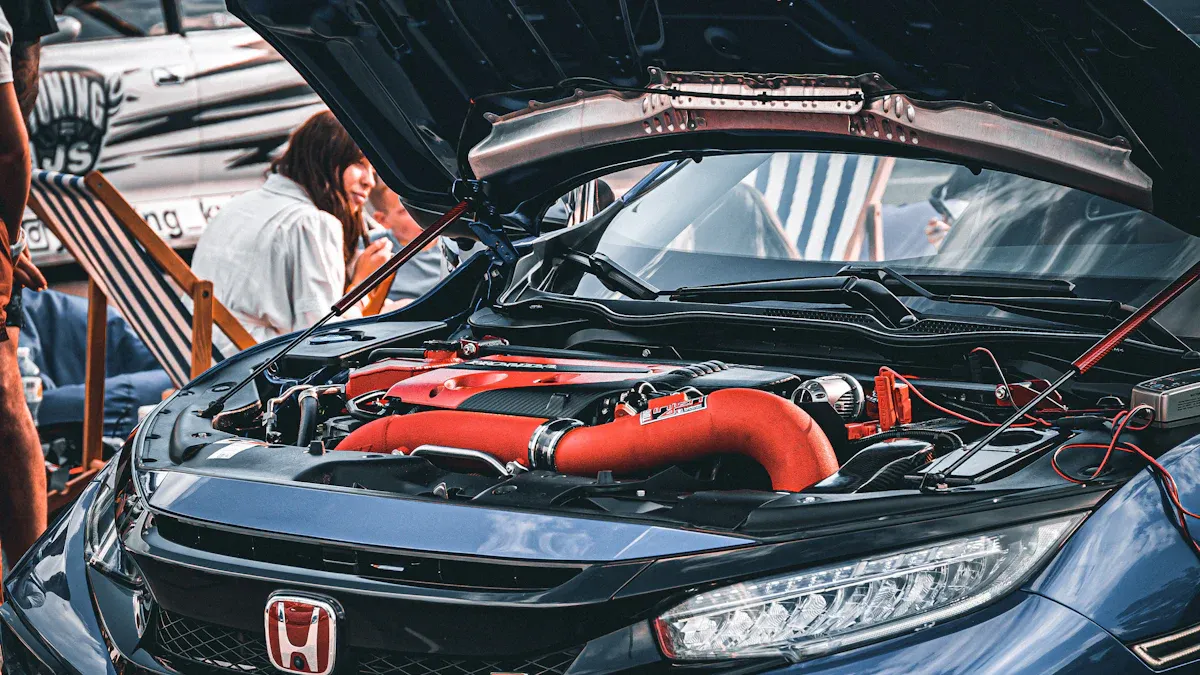
You want to unlock your Honda Civic’s full potential. This section guides you through essential performance upgrades. These modifications enhance your driving experience. They transform your Civic into a more capable machine.
Engine Performance Upgrades
Improving your engine’s breathing is a great start. You can choose from various intake systems. Cold air intakes draw cooler, denser air into your engine. This boosts power. Short ram intakes offer a quicker, simpler installation. They also provide a more aggressive engine sound.
Next, consider your exhaust system. A good performance exhaust system reduces backpressure. This allows exhaust gases to exit more efficiently. You can choose different types of exhaust upgrades.
Feature | Axle-Back Exhaust System | Cat-Back Exhaust System |
|---|---|---|
Components Replaced | Muffler(s) and exhaust pipe(s) from the rear axle to the exhaust tip(s). | Everything from the catalytic converter(s) back to the exhaust tip(s), including the muffler(s), resonator(s), and all associated piping. |
Performance Impact | Primarily alters exhaust sound. Minimal to no significant horsepower or torque gains. | Can provide noticeable horsepower and torque gains due to improved exhaust flow and reduced backpressure. |
Sound | Changes the exhaust note to be louder, deeper, or more aggressive. | Significantly alters the exhaust sound, often resulting in a more aggressive and performance-oriented tone. |
Cost | Generally less expensive due to fewer components and simpler installation. | More expensive due to more components and a more involved installation process. |
Installation | Easier and quicker to install, often a DIY project. | More complex and time-consuming to install, often requiring professional installation. |
Target User | Those primarily seeking a change in exhaust sound without significant performance modifications or a large budget. | Those looking for a combination of improved sound and performance, and are willing to invest more. |
Cat-back systems replace everything from the catalytic converter back. They offer better performance gains and a more aggressive sound. Axle-back systems only replace the muffler and tailpipe. They mainly change the sound. Downpipes are crucial for turbocharged Civics. They improve exhaust flow directly from the turbo.
You should also consider upgrading ignition components. Performance spark plugs provide a stronger, more consistent spark. This improves combustion efficiency. Remember, installing these performance upgrades often requires an ECU reflash. This ensures your engine runs optimally with the new parts.
Honda Civic Tuning
Engine management is key to maximizing your Civic’s performance. Honda Civic tuning involves optimizing your engine’s software. This process, often called an ECU tune, adjusts parameters like fuel delivery and ignition timing.
You have several options for Honda Civic tuning:
ECU Flashes: This involves rewriting your car’s engine control unit (ECU) software. A proper ECU tune can significantly increase horsepower and torque. It also improves throttle response.
Piggyback Modules: These modules connect to your ECU. They modify signals to and from the ECU. They do not rewrite the ECU’s core software. This makes them easily removable.
ECU Remapping: This is another term for ECU flashes. It customizes your engine’s map. This allows for precise adjustments based on your specific modifications.
Consider the benefits and risks of ECU flashes for your tuning journey:
Aspect | Benefits of ECU Flashes | Risks of ECU Flashes |
|---|---|---|
Performance | Increased horsepower and torque, improved throttle response, smoother power delivery. | Potential for engine damage if not done correctly, increased wear and tear on engine components, reduced engine lifespan. |
Fuel Efficiency | Can be optimized for better fuel economy in some cases. | Can decrease fuel efficiency if tuned for maximum power. |
Driving Experience | More engaging and responsive driving. | Can lead to a less reliable vehicle, potential for voiding warranty. |
Cost | Relatively inexpensive way to boost performance. | Cost of repairs if engine damage occurs, potential for increased insurance premiums. |
Legality | Generally legal, but emissions regulations may apply. | May violate emissions laws, can lead to failed inspections. |
Warranty | Typically voids manufacturer’s warranty. | Voids warranty, leaving owner responsible for all repair costs. |
Expertise Required | Requires significant expertise to perform safely and effectively. | Poor tuning by inexperienced individuals is a major risk factor. |
A professional custom tuning session ensures your engine runs safely and powerfully. This type of tuning optimizes your car for your specific performance parts. It is crucial for any serious performance build. You need a good tune to get the most from your modifications.
Forced Induction
For significant power gains, consider forced induction. This involves adding a device that forces more air into your engine. This allows for more fuel combustion.
Turbochargers: A turbocharger uses exhaust gases to spin a turbine. This turbine then compresses air into the engine. A turbo upgrade kit can add substantial power. Turbochargers generally contribute around 70-150 horsepower. A turbocharger upgrade on a 2016-2021 Honda Civic can safely push the car to over 250 horsepower. This significantly improves its performance from its stock state. Aftermarket turbochargers typically lead to a 30 to 40 percent increase in horsepower. They pack more air and fuel into the engine’s cylinders.
Superchargers: A supercharger uses a belt connected to the engine’s crankshaft. It directly compresses air into the engine. Superchargers can add approximately 50-100 horsepower.
Both options offer dramatic performance increases. They require careful installation and a comprehensive custom tuning. You must ensure your engine can handle the extra stress.
Suspension and Handling
Improving your Civic’s suspension enhances its ride and cornering abilities. These performance parts make your car more responsive. They give you better control.
Coilovers and Lowering Springs
Coilovers replace your car’s stock shocks and springs. They allow you to adjust ride height and damping. This lets you fine-tune your suspension for street or track use. Lowering springs reduce your car’s ride height. They give it a more aggressive stance. They also lower the center of gravity. This improves handling.
Sway Bars and Strut Tower Braces
Sway bars (also called anti-roll bars) reduce body roll during cornering. A stiffer sway bar keeps your car flatter through turns. Strut bars stiffen the chassis. They address body roll and sway. This is especially true in older, lightweight vehicles like the Honda Civic. They help redistribute cornering pressure. This leads to more even wear on strut towers. It also improves handling during turns. Combining strut braces with sway bars leads to a more drastic improvement in handling.
For example, the 27WON Front Strut Tower Bar (FSTB) for 10th Gen Civics (Type R, SI, and Base models) improves driver feedback. It offers enhanced performance, aesthetics, and additional bracing. Its unique dual-tube design and one-piece construction increase chassis stiffness. A one-piece design offers superior strength compared to a three-piece brace. The dual-tube design maintains a slim profile. It complements the Civic’s body lines. You can add an optional billet aluminum master cylinder brake brace to the FSTB. This reduces master cylinder flex on the firewall. It results in a more solid pedal feel. You get consistent feedback during hard braking or track use.
Bushings and Control Arms
Upgrading your suspension bushings replaces soft rubber components with stiffer materials. This reduces unwanted movement in your suspension. It provides a more direct feel. Aftermarket control arms offer improved geometry and strength. They allow for more precise alignment adjustments.
Braking System
Your Civic needs strong brakes to match its increased performance. Upgrading your braking system ensures safety and control.
Upgraded Brake Pads and Rotors
You should upgrade your brake pads and rotors. This improves stopping power and reduces brake fade.
Compatibility: Products designed to work together create a consistent and robust friction material transfer layer. This improves stopping power, adhesion, and reduces wear and compatibility issues. This combined effect delivers reliable and efficient braking.
Performance: Using the same brand ensures optimal braking performance. Specific friction materials and rotor designs minimize heat buildup. This leads to superior performance and enhanced fade resistance.
Easy Installation: Matching components are often bolt-on ready. They are designed for easy installation without modifications. This ensures a perfect fit and reduces installation problems.
Longevity: Matching components last longer. Mismatched pads and rotors cause uneven or premature wear. Products crafted to reduce wear and fade prolong the life of the entire braking system. This saves money on replacements.
Warranty & Support: Using the same brand often provides comprehensive manufacturer support and warranty coverage for the combined system.
Stainless Steel Brake Lines
Replace your factory rubber brake lines with stainless steel braided lines. Goodridge stainless steel braided brake lines improve braking performance on a Honda Civic. They prevent expansion under pressure. This eliminates the spongy pedal feel common with factory rubber hoses. This results in precise braking when needed. It reduces stopping distance. It enhances the overall driving experience. These lines are also corrosion resistant. They come with a lifetime guarantee. This ensures durability.
Enhanced brake pedal feel for precise braking performance.
Major increase in performance and durability compared to OEM rubber hoses.
Can handle extreme environments found in spirited driving and racing.
Will not deteriorate from brake fluid and road elements, unlike stock rubber lines.
Features a PTFE core wrapped in a stainless steel wire braid. It is coated in red PVC for longer life and reduced abrasion.
Drivetrain Improvements
Drivetrain modifications enhance how your engine’s power reaches the wheels. They improve shifting feel and efficiency.
Short Shifters
A short shifter reduces the distance you move the shift lever. This results in quicker, more precise gear changes. A short shifter for a Honda Civic provides a significantly sportier shifting experience. It features extreme reductions in throw and gate spacing. It also has stiffer centering action. This leads to enhanced precision, short throws, narrow gates, and snappy centering. It boosts confidence in quick and consistent shifts. The use of stiffer materials in the shifter’s construction results in more rigid, defined, and confidence-inspiring shifts during spirited driving. This rigid construction also provides more feedback from the gearbox. It aids in determining the quality of clutch footwork and shift timing. Carefully designed low-friction and wear-compensating joints ensure a much longer service life compared to OEM shifters. Signs of wear appear much later.
Faster gear changes: Reduced shift throw minimizes the time spent shifting. This is crucial for precision and time-efficiency.
Extended transmission life: Enhanced precision in gear changes helps minimize wear and tear on transmission components.
Improved feedback and control: The combination of reduced lever travel and quicker shifts fosters better muscle memory and control.
Safety and enjoyment: Crisp gear shifts improve driver engagement. They enhance safety by allowing faster, more efficient responses in dynamic driving conditions.
Enhanced engagement: Shorter gear throws offer a sportier, more engaging drive.
Lower lever position: Often features a lower lever position. This enhances both shifting speed and driving comfort.
Precision and quickness: Offers unparalleled precision and speed. It rewards skilled drivers with enhanced responsiveness.
Installing a short shifter in a Honda Civic offers significant advantages. This includes adjustability for personalized driving feel. Some shifters allow for changes in lever height, gear throw, and gate spacing. This adjustability tailors the shifter feel to individual preferences. It also provides the enjoyment of experimenting with different settings. This alters the driving experience. The real benefit for a driver comes from the improved feel and feedback. It makes shifts feel more decisive and deliberate. This elevates the overall driving experience. It makes the car feel more like a high-performance vehicle.
Lightweight Flywheels
Lightweight flywheels are primarily for manual transmission vehicles. They reduce the rotating mass connected to your engine. This allows the engine to rev up faster.
A lightened flywheel reduces rotating mass. This allows the engine to require less force to spin faster.
It improves engine response.
It leads to less drag on deceleration.
It allows for faster shifting because the engine loses RPM more quickly.
You will notice a significant difference in acceleration and engine responsiveness.
Elevating Your Civic’s Style
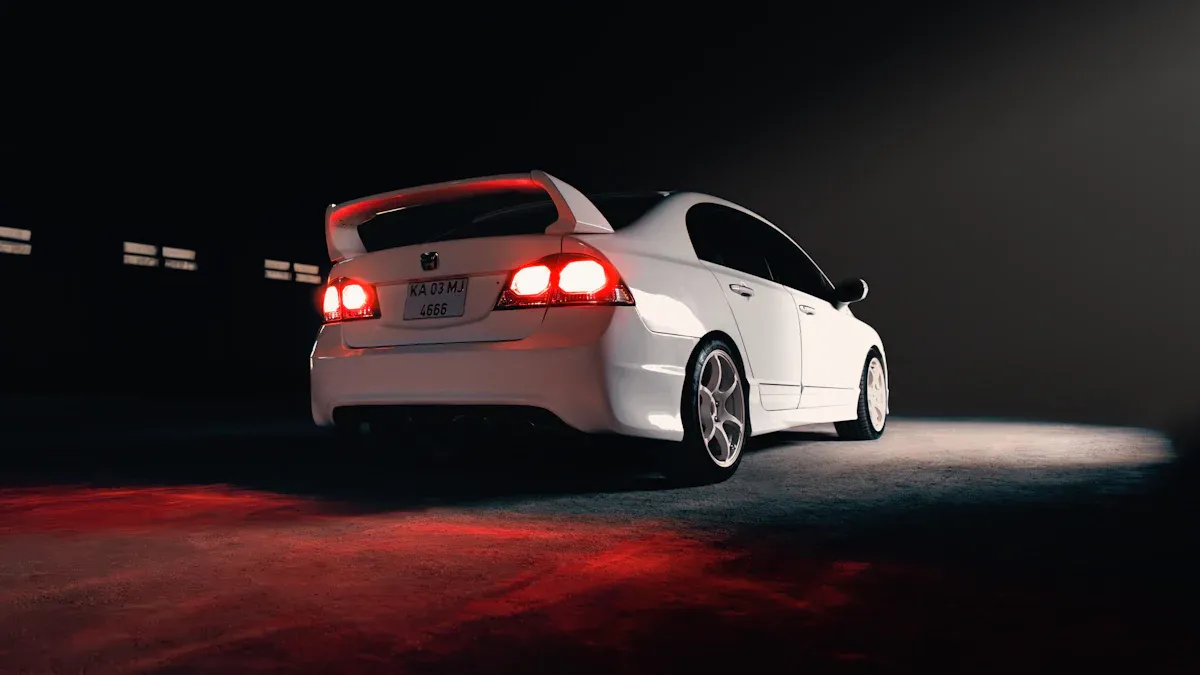
You can make your Honda Civic look as good as it performs. Style modifications allow you to express your personality. These changes transform your car’s appearance. They make it stand out.
Exterior Enhancements
Visual upgrades for your Civic’s exterior create a strong first impression. You can choose many ways to enhance its look. These modifications range from subtle to dramatic.
Wheels and Tires
Upgrading your wheels and tires is a popular choice. New wheels instantly change your car’s profile. They also improve handling. You need to choose the right size and offset for your Civic. This ensures proper fitment and performance.
For example, many owners of FK8 and FL5 Civic Type R models choose 18×9.5-inch wheels. An offset between +35 to +45 is common. Some FL5 owners keep the stock 19-inch diameter. They still use similar widths and offsets. For the FL5, offsets from +38 to +45 are ideal. A +35 offset might push the wheel out too far. Your wheels need a 5×120 bolt pattern. They also need M14x1.5 studs and a 64.1mm hub bore or larger. These specifications are important for a secure fit.
Here is a guide for common wheel and tire sizes for various Civic models:
Vehicle Make / Model | Year Range | Bolt Pattern | Wheel Size Range | Wheel Offset Range |
|---|---|---|---|---|
Honda Civic | 1988 to 2000 | 4×100 | (14×5.5) to (17×7.5) | +35mm to +45mm |
Honda Civic (All Except Si) | 2001 to 2005 | 4×100 | (14×5.5) to (17×7.5) | +35mm to +45mm |
Honda Civic (Si) | 2002 to 2003 | 4×100 | (15×6) to (17×7.5) | +35mm to +45mm |
Honda Civic (Si) | 2004 to 2005 | 5×114.3 | (16×6.5) to (18×8) | +35mm to +45mm |
Honda Civic (Si) | 2006 to 2015 | 5×114.3 | (17×7) to (19×8.5) | +38mm to +48mm |
Honda Civic (All Except Si) | 2006 to 2015 | 5×114.3 | (16×6.5) to (19×8.5) | +38mm to +48mm |
Honda Civic (All Except Si and Type R) | 2016 to 2021 | 5×114.3 | (16×7) to (19×8.5) | +35mm to +48mm |
Honda Civic (Type R) | 2017 to 2021 | 5×120 | (19×8.5) to (20×9.5) | +45mm to +60mm |
Honda Civic (Si) | 2017 to 2020 | 5×114.3 | (18×8) to (20×9) | +40mm to +55mm |
Honda Civic (Si) | 2022 to 2026 | 5×114.3 | (18×8) to (20×9) | +40mm to +55mm |
Honda Civic (All Except Si and Type R) | 2022 to 2026 | 5×114.3 | (16×7) to (19×8.5) | +35mm to +48mm |
Honda Civic (Type R) | 2023 to 2025 | 5×120 | (18×9) to (20×10) | +45mm to +60mm |
For the 10th generation Civic Type R, wheel diameters often range from 18 to 20 inches. Many owners choose 18-inch wheels, which is a 2-inch drop from the stock 20-inch wheels. Wheel widths are usually 9.5 inches. Some owners use 10-inch or wider wheels for bigger tires. Offsets between +35 to +50 give a flush look. Factory Type Rs come with 245/30 ZR20 tires. Common upgrades for 18 or 19-inch wheels include 255/40 tires for stock suspension. You can use 265/35 tires if your car is lowered. For non-Type R 10th gen Civics, an 18×8 +40 Enkei T6R wheel with 235/40ZR18 Michelin Pilot Sport 4S tires is a direct fit for factory suspension. These wheel and tire upgrades enhance your Civic’s look and performance, whether you have a turbo or not.
Body Kits and Aerodynamics
Body kits, also known as “ground effects kits,” change your car’s appearance. They can also improve how your car moves through the air. Race cars first used these kits to enhance aerodynamics and save fuel. On street cars, body kits often serve aesthetic purposes. Their design can still positively affect aerodynamics. A well-designed body kit can reduce drag. It can also increase traction by managing airflow under the car. Spoilers add downforce at higher speeds. This helps your vehicle stay stable.
The Honda Civic Type R shows how a body kit works with aerodynamics. Its complex design includes vents, angles, and a large spoiler. Engineers designed these parts to increase downforce. They also improve cooling and optimize airflow around and under the car. This design helps the car cut through the air better at high speeds. For example, the wing on the Civic Type R creates 66 pounds of downforce at 124 mph. Each part of the body kit has a functional aerodynamic purpose. These kits can give your Civic an aggressive look, perfect for a car with a turbo.
Lighting Upgrades
Upgrading your Civic’s lighting improves visibility and style. You can replace factory headlights with brighter LED or HID units. These offer better illumination. They also give your car a modern look. Aftermarket taillights can also change your car’s rear appearance. Many options include unique LED patterns. You can also add LED accent lighting inside your car. This creates a custom ambiance. These lighting upgrades make your Civic stand out, whether it has a turbo or not.
Paint and Wraps
Changing your car’s color is a big style statement. You can choose between a new paint job or a vinyl wrap. Each option has different costs and benefits.
Feature | Car Wrap | Car Paint |
|---|---|---|
Cost | $2,500–$5,000 | $3,000–$10,000 |
Lifespan | 5–7 years | 10–15 years |
Modern vinyl wraps are durable. They resist environmental elements and daily wear. High-quality films can last up to 7 years or more with proper care. Wraps also resist fading. They protect your car’s original paint. Paint can chip, scratch, and fade over time. Clear coats offer some protection. However, they can degrade. This leaves the paint open to damage from sun, rocks, and other hazards.
Here is a breakdown of costs and durability:
Cost Differences:
Car Paint Job:
Standard: $3,000–$7,000
High-end/Custom: $10,000–$20,000+
Show-quality multi-layer: $30,000 and up
Vinyl Wrap:
Standard: $2,000–$4,500
Premium finishes: $4,000–$6,500
DIY rolls: $600–$900
Durability:
Paint: Factory paint can last over 10 years. High-quality repaints last 5–10 years. Paint is sensitive to UV, weather, and poor maintenance.
Vinyl Wraps: Standard PVC wraps last 2-3 years. Premium films last 5–7 years with proper care. Wraps offer reliable protection for several years.
A fresh paint job or wrap can completely transform your Civic’s look. This is true whether you are building a show car or a street machine with a turbo.
Window Tinting
Window tinting adds style and privacy to your Civic. It also blocks harmful UV rays. However, laws for window tinting vary greatly by region. You must check your local regulations before applying tint.
Here is a look at tinting laws in different places:
Country / State | Front Window VLT | Back Window VLT | Windshield Tinting | Other Restrictions |
|---|---|---|---|---|
California (USA) | 70% Allowed | All Tinting Levels Allowed | 4 Inch Tinting Allowed | Colored Tints (Red, Amber, Blue) Prohibited; Dual Side Mirrors Required if Back is Tinted |
Texas (USA) | 25% Allowed | 25% Allowed | 5 Inches or AS-1 Line (Whichever Comes First) | Colored Tints (Red, Amber, Blue) Prohibited; Dual Side Mirrors Required if Back is Tinted |
New York (USA) | 70% Allowed | 70% Allowed | 6 Inch Tinting Allowed | Dual Side Mirrors Required if Back is Tinted |
Florida (USA) | 28% Allowed | 15% Allowed | Only Non-Reflective Tinting Above AS-1 Line | Dual Side Mirrors Required if Back is Tinted |
China | 70% Allowed | All Tinting Levels Allowed | Only Non-Reflective Tinting Above AS-1 Line | Each Province Has Its Own Restrictions |
Russia | 70% Allowed | All Tinting Levels Allowed | Tint Prohibited | Fines and Penalties for Excessive Tinting |
England (UK) | 70% Allowed | All Tinting Levels Allowed | Tint Prohibited | Penalties Upon Non-Compliance |
Most states ban reflective tints. Some allow 20-30% reflectivity. Colored tints like blue, red, amber, or yellow are mostly illegal. They can imitate emergency vehicle lights.
Window tinting laws differ significantly by region. In the United States, regulations vary by state. California requires a minimum of 70% VLT for front windshields and front side windows. Texas allows 25% VLT for front side windows. It allows as dark as 5% for rear side and rear windshields. Canadian provinces also have distinct rules. Ontario allows a non-reflective tint strip at the top of the front windshield. This strip cannot exceed 76 mm. It requires 70% VLT for front side windows. European countries generally have strict laws. The United Kingdom mandates 75% VLT or more for front windshields and front side windows. They also have rules for infrared and ultraviolet light blockage for darker rear tints.
Some people with medical conditions can get exemptions. They may use darker tints due to light sensitivity. Conditions like albinism, cancer, lupus, eye diseases, or photosensitivity may qualify. You usually need proof of your condition. This includes a doctor’s note, DMV approval, and a special sticker or permit. Tinting your windows adds a sleek touch to your Civic, whether it has a turbo or not.
Interior Upgrades
You spend most of your time inside your Civic. Upgrading the interior enhances your driving experience. These changes improve comfort, aesthetics, and functionality.
Seats and Steering Wheels
Aftermarket seats offer better support and a sportier feel. They can also improve safety. Popular brands include:
NRG: PRISMA ULTRA Seat, PRISMA Seat, 300 Series Seat, PRISMA GT Series Seat, 200 Series Seat Set, 800 Series Seat Set, Defender Suspension Seat
Sparco: R100 Seat, EVO Seat
Buddy Club: Racing Spec Seat, Racing Spec Sport Seat
MOMO: Start Seat
An aftermarket steering wheel can improve grip and feel. It also adds a custom touch to your cockpit. These upgrades make your Civic’s interior more engaging, even if you have a powerful turbo setup.
Shift Knobs and Pedals
A new shift knob can improve your shifting experience. You can choose from different materials and weights. Performance pedals offer better grip and a sportier look. These small details make a big difference in how your car feels. They enhance your connection to the vehicle.
Audio System Enhancements
Upgrading your Civic’s audio system transforms your driving soundtrack. You can enjoy crystal-clear sound and powerful bass.
Enhanced Sound Quality: Professional audio equipment improves sound quality. Full-range front door speakers and a center dash speaker deliver clear sound. Frequencies blend harmoniously.
Increased Features and Connectivity: An advanced head unit replaces your stock receiver. It offers AM/FM radio, Wi-Fi, Bluetooth, AUX, USB, SD, and Mirror Link. You can stream media and mirror your phone.
Powerful and Stylish Audio: High-quality speakers offer competition-quality audio. They can get very loud. They also have a show-quality look. A powerful subwoofer enhances bass response. It improves overall acoustical resonance.
Optimized Performance: Specific components fit perfectly in the Honda Civic. This ensures optimal sound delivery and a great range of frequencies. Subwoofers provide a massive increase in sound quality.
A premium audio system makes every drive more enjoyable. This is true whether you are cruising or pushing your Civic with a turbo.
Interior Trim and Lighting
You can customize your Civic’s interior trim. This includes dashboard accents, door panel inserts, and console covers. These parts come in various finishes like carbon fiber or brushed aluminum. Ambient lighting kits add a modern touch. They allow you to change the interior mood with different colors. These subtle changes create a unique and personalized cabin. This completes your civic customization journey.
Important Considerations Before Modifying
Professional Installation Versus DIY
You can install many performance parts yourself. DIY saves money. It also teaches you about your car. However, some modifications are complex. They require special tools or expertise. This is especially true for engine tuning. Professional installation ensures correct fitment. It prevents potential damage. Consider your skill level. Think about the complexity of the modification.
Impact on Warranty and Insurance
Modifying your Honda Civic can affect its warranty. Most manufacturers void warranties for parts damaged by aftermarket modifications. This includes extensive engine tuning or adding a turbo. Always check your warranty terms. Insurance companies also view modified cars differently. They might increase your premiums. They might refuse to cover certain modified parts. Inform your insurer about any significant changes. This prevents issues if you need to file a claim.
Resale Value Implications
You should consider resale value when you how to modify honda civic. Many modifications decrease your car’s value. Buyers often prefer vehicles in original factory condition. They see these cars as more reliable. They are also easier to maintain. Non-standard parts like suspension upgrades or custom wheels can deter buyers. Custom paint, wraps, non-functional aerodynamic body kits, and custom engine modifications hurt resale value. Aftermarket exhausts also reduce value.
For example, a heavily modified Infiniti G35 sold for 20% less than a stock one. A modified BMW 335i with engine tuning sold for nearly $5,000 less than an unmodified one. Custom interior modifications and non-OEM performance parts also negatively impact value. However, painting a base model 1995 Honda Civic with peeling paint could increase its value. Using genuine Honda parts helps maintain performance, safety, and aesthetic appeal. This is appreciated by prospective buyers. Keep your Civic as close to factory standards as possible for long-term resale value. This ensures your car retains its appeal and value over time.
Prioritizing Reliable Parts
Always choose reliable performance parts. Quality components ensure safety and longevity. Research brands and read reviews. Cheap parts can fail. They can cause damage to your Civic. Invest in reputable brands. This ensures your modifications last. It also keeps your car running well. This is especially true for engine tuning or turbo upgrades. A good tune relies on quality components. If you plan extensive tuning, like adding a turbo, prioritize high-quality parts. Proper tuning ensures optimal performance.
Modifying your Honda Civic is a rewarding journey. You learned about planning, budgeting, and legalities. Choosing the right modifications enhances both performance and style. Approach your Civic modifications thoughtfully and safely. Enjoy your personalized Honda Civic. Embrace the continuous improvement of your car. Your Honda Civic will reflect your unique vision and deliver enhanced performance.
FAQ
What are the best first modifications for your Honda Civic?
You can start with simple, impactful upgrades. Consider a cold air intake for better engine breathing. Upgrade your tires for improved grip. A bigger rear sway bar significantly enhances handling. These changes offer noticeable improvements without major work.
Will modifying your Honda Civic void its warranty?
Yes, modifications can void your Honda Civic’s warranty. Manufacturers often do not cover parts damaged by aftermarket components. Always check your warranty terms before you make any changes. Inform your dealer about your plans.
How much does it cost to modify a Honda Civic?
The cost to modify your Honda Civic varies greatly. Simple aesthetic changes like window tinting cost less than $200. Performance upgrades like a turbo kit can cost thousands of dollars. Set a budget before you begin your project.
Are all Honda Civic modifications legal?
No, not all Honda Civic modifications are legal everywhere. Laws vary by state and local jurisdiction. Some areas have strict rules on exhaust noise or window tint. Always research your local laws and regulations before you modify your car.



