Squeaky windshield wipers are annoying. They create noisy windshield wipers and cause reduced visibility across your windshield. This is a real safety hazard, especially in bad weather. Often, dirty glass or dirty blades cause the problem, making your squeaky wiper blades chatter. You need clear vision right now. We offer 10 instant fixes to help you stop squeaky wipers. These quick fixes often restore your wipers’ performance without needing a replacement. Your wipers will work quietly again.
Key Takeaways
Clean your wiper blades and windshield often. Dirt and grime cause squeaks and poor vision.
Check your wiper arms. Make sure they press evenly on the glass. Adjust them if needed.
Lubricate wiper parts like hinges and pivots. This helps them move smoothly and quietly.
Condition your wiper rubber. This keeps the blades soft and flexible. It helps them work better.
Replace old or damaged wiper blades. New blades give you clear vision and stop squeaks.
Clean Wiper Blades
Squeaky wipers often signal a simple problem: dirty blades. Cleaning is the first and most effective step you can take to stop the annoying squeaking. This is one of the easiest 5-minute diy fixes you can perform. You will restore your clear vision quickly.
Use Rubbing Alcohol
You can effectively clean your wiper blades with rubbing alcohol. Dampen a clean cloth with 70% isopropyl alcohol. Then, wipe down the entire length of each blade. You will see black residue come off; this is oxidized rubber and road grime. For general wiper cleaning, a 70% concentration of isopropyl alcohol is recommended. If you encounter stubborn deposits like tree sap, you can use a higher concentration of isopropyl alcohol. This process helps to rejuvenate the rubber and remove contaminants that cause the noisy operation.
Apply Soapy Water or Vinegar
Another excellent way to clean the blades is with a simple solution. Mix equal parts water and white vinegar, or use a mild soap and water solution. Dip a clean cloth into your chosen mixture. Then, carefully wipe along the rubber edge of each blade. You can also use the soft part of a gas station squeegee to gently clean the rubber. This action removes dirt, oil, and those tiny oxidized rubber particles that make your wipers chatter. A thorough clean rubber surface will glide smoothly across your windshield, giving you zero noise and clear visibility.
Clean Your Windshield

Your wiper blades work directly on your windshield. A dirty windshield can make even new blades squeak. Cleaning your windshield is a vital step. It helps your wipers glide smoothly. This simple task can often solve your squeaking problem.
Remove Grime and Road Film
Your windshield gathers many types of grime. Exterior surfaces often have black dirt and road film. You might also see water spots from mineral-rich water. Dead insects and old washer fluid residue also stick to the glass. These contaminants create friction. They make your wipers skip and produce a noisy sound. Cleaning your windshield is a quick 5-minute diy fix. It helps your wipers work better.
Apply Glass Cleaner
After cleaning your wiper blades, clean your windshield thoroughly. Use a high-quality glass cleaner. Spray the cleaner directly onto the glass surface. Wipe it with a clean microfiber cloth. Make sure you remove all streaks. A clean windshield surface is very important. It allows your wipers to move without resistance. This gives you clear vision. A dirty windshield forces your wipers to work harder. It can also cause them to squeak. A clean windshield ensures your wipers perform their best.
Adjust Wiper Arms
Sometimes, your wiper blades are clean, but they still make a noisy sound. The problem might be with the wiper arms themselves. The arms hold the blades against your windshield. If they do not apply even pressure, your wipers can skip and squeak. Adjusting them can be one of the most effective 5-minute diy fixes.
Check Blade Contact
You need to check how your wiper blades touch the glass. Proper contact is very important for clear vision and to stop squeaking. First, examine the squeegee wiping edges. Look for wear or roundedness. These issues stop the blade from making good contact. Also, check for any visible cracks, tears, or missing sections in the rubber squeegee. These damages prevent smooth wiping. Flex the rubber squeegee back and forth. This checks its flexibility. Stiff squeegees will not conform to the windshield’s curve. Gently tug the wiper blade. Confirm it is securely attached to the wiper arm. Finally, verify that the squeegee is firmly seated within the wiper blade frame.
Correct Arm Angle
The angle of your wiper arm is also very important. The wiper arm’s angle must be vertical to the front glass. This ensures effective wiping. When you check your wipers, also inspect the wiper arm. Bring the wiper to mid-stroke on the windshield. Ensure the blades make full contact. The blade arms should be parallel to the glass. If the arm is bent, carefully twist it with pliers. Do this until it is parallel with the glass. You might need a trial-and-error approach. Proper arm angle ensures full contact on the glass. Correct adjustment leads to no streaks or missed spots. This gives you zero noise and clear visibility.
Lubricate Wiper Parts
Sometimes, the problem is not the blade itself. The mechanical parts of your wiper system can also cause issues. Lubricating these moving parts can stop annoying squeaking. This is one of the effective instant fixes you can try.
Silicone Spray Hinges
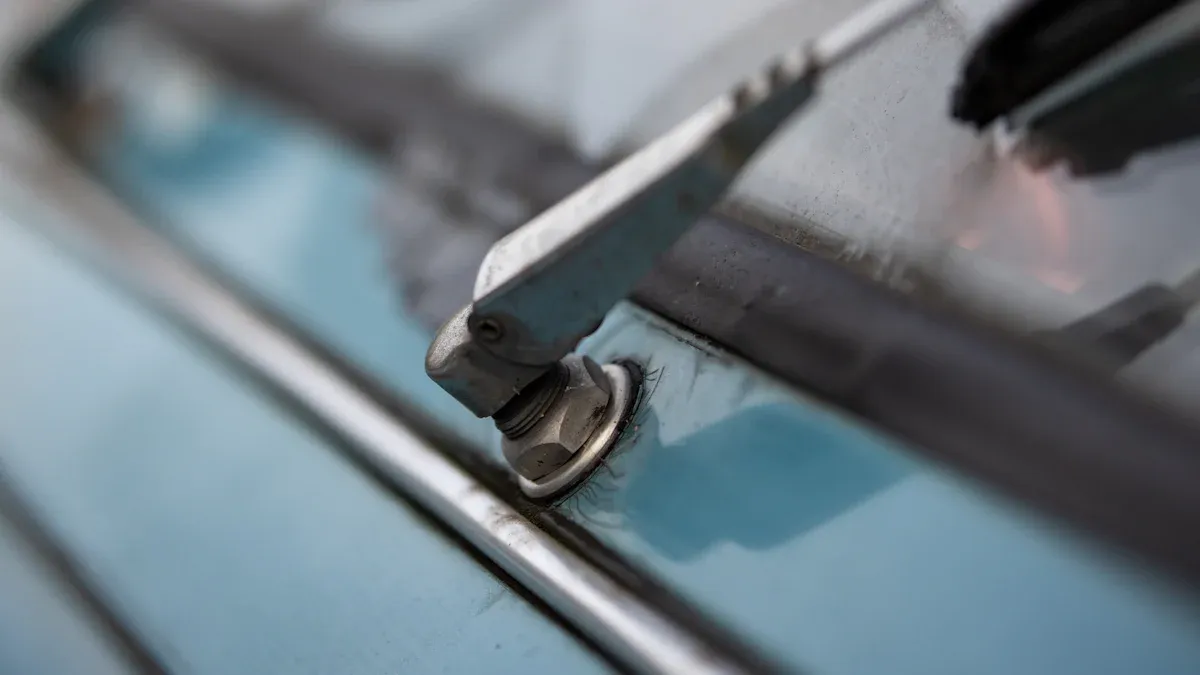
Your wiper arms have hinges. These hinges allow the arms to move smoothly. Over time, these hinges can become stiff or rusty. This stiffness can lead to noisy wiper operation. You can use a silicone spray to lubricate these hinges. Berryman Professional Silicone Spray is an excellent choice. It works well on metal, rubber, and plastic. This spray dries fast. It leaves a clear, odorless, and non-toxic silicone film. This film provides long-lasting lubrication. It also protects against corrosion. You can use it on your wiper blades to prevent freezing. It also works great on door hinges. This spray ensures smooth operation for your wiper arm hinges.
Graphite Powder Pivots
Wiper arms also have pivot points. These are small joints where the arm connects and moves. These pivots can get dry. Dry pivots create friction. This friction causes squeaking. Graphite powder is a good lubricant for these spots. It is a dry lubricant. It will not attract dirt or grime. You can apply a small amount of graphite powder to these pivot points. Work the wiper arm back and forth. This helps the powder get into the joint. This lubrication reduces friction. It helps your wipers move freely. You will get zero noise and clear vision.
Condition Wiper Rubber
Your wiper blades are made of rubber. Over time, this rubber can dry out and harden. This makes them less flexible. Dry, stiff rubber causes squeaking and poor wiping performance. Conditioning the rubber can restore its flexibility. This helps your blades glide smoothly across the windshield.
Apply Rubber Conditioner
You can apply a rubber conditioner to your wiper blades. This helps to rejuvenate the rubber. Products like ArmorAll contain active ingredients such as siloxane, also known as Polydimethylsiloxane (PDMS). This compound works as a surfactant or plasticizer. It penetrates the rubber surface. This moisturizes and softens the rubber. It also lubricates the blade. This reduces friction as your wipers move across the glass. Conditioning helps prevent the rubber from cracking. It also keeps it pliable. This ensures better contact with the windshield.
Use Wiper Treatment
Beyond conditioners, you can use specialized wiper treatments. These treatments often come in sprays or wipes. They create a smoother surface on the rubber. This allows the blade to glide more easily. A clean rubber surface is essential for quiet operation. These treatments can also repel water. This improves visibility during rain. They help prevent the rubber from sticking to the glass. This reduces the chance of a noisy, chattering sound. Regular treatment helps maintain the flexibility of your blades. This gives you zero noise and clear vision.
Remove Blade Debris
Debris on your windshield wiper blades causes squeaking. This debris creates friction. It stops your blades from moving smoothly. You need to keep your blades clean. This helps them work quietly.
Clear Leaves and Particles
Many things can stick to your blades. Small particles of dirt, sand, and road salt are common. New wipers sometimes have protective oil from the factory. This oil can also cause issues. These items create friction. They prevent your blades from gliding. You should regularly check your blades. Look for any visible debris. Use a damp cloth to wipe away leaves, bugs, or other particles. This simple step often stops the squeak. It helps your blades work better.
Address Ice or Snow
Winter weather brings ice and snow. These can freeze your blades to the windshield. This causes damage and loud squeaks. You can prevent freezing. Wipe blades with rubbing alcohol. When ice forms, use an ice scraper or your car’s defroster. Do not use your wipers to clear heavy ice. This can damage them. Be careful when scraping around your blades. You want to avoid damage.
To remove ice, start your car. Turn on the defroster. Wait for the ice to melt. Then, gently lift the blades. You can also spray a solution of rubbing alcohol and water on the blades. This melts ice faster. It saves fuel too. Never pour hot water on the blades. This can crack your windshield. When you park overnight, lift your blades off the windshield. This stops them from freezing to the glass. Lower them carefully. Do not let them snap back. This could also crack the windshield.
Optimize Washer Fluid
Your windshield washer fluid plays a big role in how well your wipers work. Keeping the fluid optimized helps your wipers move smoothly. This prevents squeaking and ensures clear vision.
Top Off Reservoir
Always make sure your washer fluid reservoir is full. A full reservoir ensures your system has enough fluid to spray onto your windshield. This lubrication helps your wipers glide easily. When you spray fluid, it reduces friction between the blades and the glass. This action helps prevent squeaks. It also washes away dirt and grime. Check your fluid level regularly. Top it off when it gets low.
Use Quality Fluid
You should always use specialized washer fluid. Do not use plain water as a substitute. Plain water causes many problems. It lacks the chemicals needed for good cleaning. This leads to streaky windshields and poor visibility. Water struggles to remove bugs, tree sap, and road grime. In cold weather, water will freeze in the reservoir and nozzles. This blocks the system. It stops you from clearing your windshield. Stagnant water can also grow bacteria and mold. This clogs the system. It can cause bad smells in your car. Minerals in tap water can also cause corrosion and damage your washer pump and hoses over time.
High-quality washer fluid is a specialized solution. It contains water, detergent, and antifreeze agents. This mix keeps your windshield clean and clear. It works especially well in bad weather. Good fluid offers superior cleaning. It washes away dirt, bugs, and debris effectively. It also prevents freezing in cold temperatures. This stops the pump and nozzles from clogging. For snowy areas, winter fluids have chemicals to reduce frost and ice. These fluids contain alcohol and antifreeze to melt ice. All-season fluids work year-round. They prevent freezing and repel water. Summer fluids have extra cleaners for bug guts and pollen. Choose the right fluid for your climate.
Check for Blade Damage
Sometimes, your blades are clean, but they still make noise. The problem might be damage to the blades themselves. You need to inspect them closely. Damaged blades cannot clear your windshield well. This creates a safety risk.
Look for Cracks or Tears
You should carefully examine your wiper blades. Look for any visible cracks or tears in the rubber. These are clear signs of wear. You might also see uneven edges along the blade. Irregularities like these show damage. They stop the blade from working right. If your wipers leave smudges, they are not cleaning effectively. This often means the rubber is damaged. Streaking on your windshield also points to a problem. When blades are bent or damaged, they leave streaks. The rubber no longer sits snug against the glass. You might find bent or tattered rubber elements. Physical damage like this makes the blade ineffective.
Inspect for Hardened Rubber
Rubber blades lose their flexibility over time. You can check for decreased flexibility. Stiff rubber does not conform to your windshield’s curve. This causes poor contact. Prolonged sun exposure can dry out the rubber. This makes it hard and brittle. Dried-out rubber breaks down. It glides poorly across the windshield. This leads to squeaking and poor visibility. Flexible rubber is important for quiet, effective wiping. If your blades feel hard, they need attention. You might need to condition them or replace them. This ensures your wipers work correctly.
Upgrade Blade Material
Sometimes, cleaning and adjusting your current blades are not enough. The material of your wiper blades can also cause squeaking. Upgrading to a different blade type can solve persistent noise issues. It also gives you better visibility.
Consider Silicone Blades
Silicone wiper blades offer several advantages. They last longer than traditional rubber blades. Silicone is more resistant to extreme temperatures and UV light. This means they do not dry out or crack as quickly. Silicone blades also create a water-repellent layer on your windshield. This improves visibility even when your wipers are not active. You will notice smoother operation and less streaking. This upgrade can provide a lasting solution to squeaky wipers.
Try Beam-Style Wipers
If you want the best wiper blades, consider beam-style wipers. Many experts consider them the best wiper blades available. They offer superior performance and durability. Beam blades provide consistent pressure along their entire length. This ensures a clean, streak-free wipe. Unlike conventional blades, beam blades have infinite pressure points. This means they hug your windshield’s contours better. They apply more pressure for a clearer line of sight. This is especially noticeable on the passenger side.
Beam blades also feature an aerodynamic design. This design reduces wind lift and noise. It leads to a quieter performance. Premium beam blades resist wind lift by converting air resistance into pressure. This helps them clean your windshield more effectively, even at high speeds. They use high-strength steel and quality rubber. This makes them last longer. They perform well in harsh conditions. Their design also prevents ice and snow buildup. This makes them excellent for diverse climates.
Replace Squeaky Wiper Blades

Sometimes, all the cleaning and adjusting in the world will not fix your squeaky wipers. When your blades are old or damaged, a full replacement is the only solution. This ensures clear vision and quiet operation.
Choose Correct Size
Selecting the right size for your new wiper blades is crucial. Incorrect sizes will not clear your windshield effectively. They can also cause new squeaks or even damage. You can find the correct size in your car’s owner’s manual. Auto parts stores also have guides. They help you match the right blade to your vehicle. Remember, harsh weather conditions, like snow and ice, cause wipers to work harder. Freezing temperatures make the rubber hard and brittle. Heat and sunlight also cause the wiper rubber to warp and crack. Oils and exhaust from your car contain chemicals that break down the rubber. Dirt and grime from the road wear down the cutting edge. Operating wipers on a dry windshield also wears them down faster. All these factors contribute to premature wear. They make a full replacement necessary.
Ensure Proper Installation
Installing new wiper blades correctly is just as important as choosing the right ones. First, identify your existing wiper blade’s attachment type. This could be clip-on, pin-mount, or hook. This helps with smooth removal. Gently lift the wiper arm from the windshield. This extends it fully. You can then easily access the blade. Locate and press or slide the small tab where the wiper blade and arm join. This releases the old blade. Gently remove the disengaged wiper blade. Be careful not to let the bare wiper arm snap back. It could scratch your windshield. Thoroughly clean your windshield with glass cleaner. This removes dirt and grime. It ensures a pristine surface for your new wipers. Select the correct replacement sizes for your new front and rear wiper blades. Lift the wiper arm away from the windshield. Press the tab to detach the old blade. Hold the new blade parallel to the arm. Align the hook-shaped curve of the arm with the curved end of the new blade. Slide it into the hook until it clicks securely into place. This ensures your new wipers perform their best. You will enjoy quiet operation and clear visibility. Consider upgrading to the best wiper blades for your car. This provides superior performance. Many experts consider beam-style wipers the best wiper blades available.
Clear vision is crucial for driving safety. These instant fixes directly contribute to maintaining that essential visibility. We’ve covered 10 effective solutions, from cleaning your blades and windshield to adjusting wiper arms, lubricating parts, and even upgrading blade materials. These quick actions can effectively address squeaky wipers and restore quiet, efficient operation. To ensure ongoing safety and prevent future squeaks, make it a habit to regularly inspect and maintain your wipers.
FAQ
How can I tell if my wiper arms need adjustment?
You can check the blade contact. Lift the wiper arm. Bring it to mid-stroke on the windshield. The blade should sit flat against the glass. If it does not, the arm might be bent. You can gently twist it to correct the angle.
How often should I replace my wiper blades?
You should replace your wiper blades every six to twelve months. Look for signs of wear. These include streaking, chattering, or reduced visibility on your windshield. Harsh weather conditions can shorten their lifespan. Replace them when they no longer clean effectively.
Can I use plain water in my washer fluid reservoir?
No, you should not use plain water. Water lacks cleaning agents. It can freeze in cold weather. This blocks your system. Use proper washer fluid. It cleans your windshield effectively. It also prevents freezing.