You’ll often hear a high pitched squeal or chirp whenever a belt is slipping, and you’ll notice headlights or dash lights dim at idle then brighten as you rev the engine, which points to poor alternator charging. The battery light might glow, the battery can weaken after short drives, and steering or heater performance might falter. Look for burning rubber smells, visible glazing, cracks, fraying, or 1/2 to 1 inch slack; fix or replace the belt and keep going to learn more.
Squealing or Chirping Noise From the Engine Bay
You could initially notice the sound before you see anything wrong, and that little squeal can make your heart skip a beat. You want to feel safe in your car and belong to others who care about small signs.
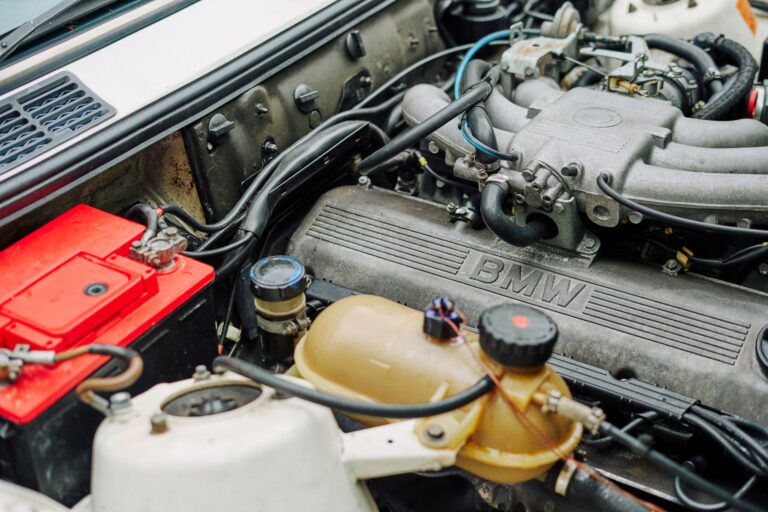
The high-pitched chirp usually links to the engine pulley area where the alternator belt rides. Once belt tension falls, the belt slips on the pulley and makes that sharp noise.
You can listen while someone revs the engine gently, and you’ll hear changes as tension shifts. You might check for visible wear, glazing, or wobble at the pulley. In case the pulley shakes, the belt won’t track right.
Reach out to a friend or mechanic, and don’t ignore the sound.
Dim or Flickering Headlights and Interior Lights
At the moment headlights or the dash start to dim or flicker, it can make you stop and question whether something serious is wrong, and that worry is valid.
You notice the headlight bulb glow dip whenever you idle, or the interior lights pulse with the engine. That pattern points you toward the charging system, often a loose alternator belt that lets output wobble.
You could initially check the bulb and wiring issues, since a bad bulb or frayed wire can mimic the problem. Then you inspect belt tension and pulley play. In case the lights brighten while revving, the belt is likely the culprit.
You’ll feel relieved fixing tension, and you’ll also keep your group safe on night drives.
Battery Warning Light Illuminated on the Dash
In case the battery warning light pops on while you’re driving, it usually means the alternator belt isn’t turning the alternator properly and your battery isn’t charging.
You should safely pull over, turn off any nonessential electrical accessories, and check the belt visually for looseness, cracks, or missing pieces.
Should the belt looks damaged or the light stays on after a restart, call for roadside help or have the car towed so you don’t get stranded with a dead battery.
Why the Light Comes on
At the moment that little battery light comes on your dash, it’s trying to tell you the charging system isn’t working right and you’ll want to pay attention fast. You’re not alone whenever that lamp appears.
The light often signals alternator malfunction because the alternator isn’t making enough electricity. It can also flash because the system’s indicator sensitivity is high and it reacts to small voltage drops.
Belonging means comprehending what that light implies so you can act calmly. Voltage dips let the computer detect trouble and set the warning.
Worn belt tension, loose connections, or internal alternator wear all change output and trigger the lamp. Grasping this link helps you trust your next move and stay confident while you handle the issue.
Immediate Steps to Take
At the moment that little battery light comes on, breathe and stay calm—you can handle this. You’ll want to pull over safely and turn off accessories like the radio and A C to reduce drain.
Pop the hood and look for a loose alternator belt. In case you see slack or fraying, don’t panic. You can ask a friend for help or call roadside assistance in case you want company.
A quick check of belt tension can tell you in case a temporary adjustment could help get you to a shop. Tighten a loose clamp only in case you know how, or use a basic belt tool gently.
Keep headlights off while parked. Drive slowly and head straight to a trusted mechanic prior to the battery dies.
Weak or Dead Battery After Short Drives
In case your car’s battery feels weak or dies after only short drives, it can leave you frustrated and worried about being stranded. You could feel alone, but this is common and fixable.
A loose alternator belt can reduce battery charging during brief trips because alternator output drops once the belt slips. You’ll notice dim lights or slow cranking after you park and restart. Trust your instincts and check the belt tension and visible wear.
While you’re with friends or a helpful neighbor, test the battery and alternator output with a meter or have a shop run a quick check. Small fixes like tightening or replacing the belt often restore reliable charging so you and your community can get back on the road together.
Slow or Erratic Power Steering Response
At the time your lights dimmed or the battery struggled after short drives, that same slipping alternator belt can also make steering feel slow or jumpy. You could notice the wheel fights you whenever you turn. That happens because the belt can’t drive the power steering pump well, which looks like a hydraulic malfunction.
You’ll feel hesitation, uneven effort, or sudden lightness as you steer. Trust that this is fixable and that others have felt the same worry. Check belt tension and listen for squeal whilst you turn.
Also ask the shop to inspect pump fluid and steering calibration so settings match the factory feel. Small repairs often restore smooth response. You’ll drive with more confidence after a quick belt adjustment.
Overheating Engine or Heater Blowing Cold Air
Once your engine starts running hot or your heater blows cold air, you can feel stranded and worried, but these symptoms frequently point to one common cause: a loose alternator belt that can’t keep the cooling and heating systems working right.
Whenever the belt slips, the water pump could slow and coolant circulation drops. You might notice a rising temperature gauge or feel chilly air from vents even with the fan on. That can make you anxious, especially in case you count on your car for daily life.
You and others in your circle can check belt tension, look for glazing, and watch coolant level. Provided you suspect a thermostat malfunction at the same time, get help quickly so you don’t get stuck.
Burning Rubber Smell Near the Front of the Car
A burning rubber smell near the front of your car often follows the same belt trouble that caused your engine to run hot or your heater to blow cold air, and that scent is a clear warning you shouldn’t disregard.
You’ll notice the odor whenever the alternator belt slips and heats under load. That heat can cause friction damage, and you might visualize rubber melting as the belt fights the pulley.
Whenever you smell it, pull over safely and let others know you need help. You’ll feel better understanding you didn’t let the problem get worse.
A friendly mechanic can check tension, alignment, and any nearby components. You’ll be part of a community of drivers who catch problems promptly and keep each other safe.
Visible Slack, Glazing, or Cracks on the Belt
Once you check the alternator belt, start with measuring slack so you can tell whether it’s too loose for safe operation.
Look next at the belt surface for glazing which shows up as shiny, hard patches and means the belt is slipping.
Also scan the edges for cracks or fraying since those indicate the belt is aging or damaged and needs attention.
Belt Slack Measurement
Should your alternator belt look loose upon peeking under the hood, don’t ignore it—you can often spot real trouble with a simple visual check that won’t take long and won’t cost anything.
You want to measure slack so you and your crew feel confident. To begin, press the belt midway between pulleys and observe movement. Most belts should move about half an inch to one inch.
In case you want precision, use a tension gauge. That tool tells you whether tension sits in the safe range.
Also check alignment with an alignment tool because a misaligned belt will wear faster even at proper tension.
In the event slack or misalignment shows, tighten or replace the belt. Your shared care keeps everyone safer and less stressed on the road.
Surface Glazing Signs
You already checked slack and alignment, so now look closely at the belt surface for visible slack, glazing, or cracks.
You want to feel like part of a team once you inspect, so take your time and let someone beside you nod along.
Surface glazing shows up as a belt reflection that looks almost polished. You’ll notice shiny streaks running along the ribs or across the face.
Those signs mean the belt is slipping or overheated. Whenever you see a glossy sheen, don’t ignore it. You can gently press and run your finger along the belt to confirm the slick feel.
In case glazing pairs with slack, it’s causing poor grip and whining noises.
Ask a friend to help watch pulleys while you test so you’re not alone in fixing it.
Cracks and Fraying
Cracks and fraying show up as clear signs the belt has lost strength, so check the entire length slowly and with care.
Once you spot small splits, threads coming loose, or tiny pieces missing, that’s belt wear. You could feel a little worry, and that’s okay. You’re not alone and you can handle this.
Run your fingers along the belt, watching for soft spots and edges that look ragged. Those areas tell you tension loss has already started to affect the belt.
In case glazing and cracks appear together, the belt is slipping and won’t grip pulleys like it should. You can tighten a loose belt, but severe fraying means replacement.
Talk with a friend or mechanic should you need help locating a matching belt.