


Engine oil is the lifeblood of your car’s engine. It plays a vital role in preventing low engine oil symptoms. Ignoring low oil levels can lead to catastrophic engine failure and very costly repairs. This guide equips you with knowledge. You can identify critical low oil levels early. Recognizing these 9 alarming signs and other important warning signs saves you significant repair costs. It ensures your engine’s safety. Always check your engine’s oil. This oil is crucial. Pay attention to any warning signs. Ignoring a warning can be costly.
Key Takeaways
Engine oil is very important for your car. It keeps the engine working well. Low oil can cause big problems.
Watch for warning signs like a dashboard oil light or strange engine noises. These signs mean your engine needs oil.
Ignoring low oil can damage your engine a lot. This can lead to very expensive repairs or even needing a new engine.
Check your oil often. Make sure it is at the right level. This helps your car run smoothly and saves you money.
Dashboard Oil Light: First Warning
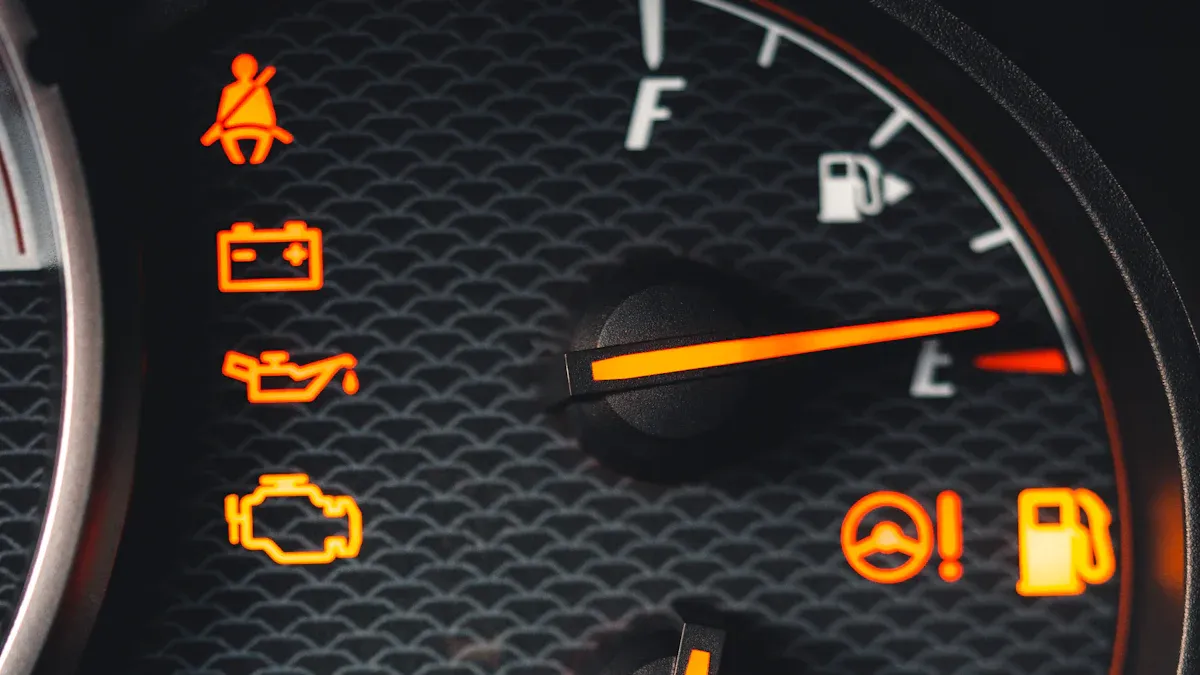
Light Meaning
Your dashboard oil light is a critical warning. It tells you about irregularities in your engine’s oil pressure or quality. This light often signals a potential low oil level. You should never ignore this warning. It is one of the most important signs your car gives you. This light is not the same as your check engine light, which indicates broader issues. The oil light specifically points to problems with your engine’s lubrication system.
Activation Cause
A low oil level is a common reason this warning light comes on. However, other issues can also trigger it. Your engine might have wear. This wear can cause oil to flow too easily through bearings, reducing pressure. A faulty oil pressure gauge or its wiring can also give you a false reading. A clogged or dirty oil filter can restrict oil flow. This restriction affects pressure. Using oil with the wrong viscosity can also impact oil pressure. For example, very thin oil might not build enough pressure. Engine overheating thins the oil. This thinning prevents proper pressure build-up. A faulty oil pump, though less common, can also cause a drop in oil flow. Worn internal engine components can lead to oil burning. This burning lowers oil levels and pressure.
Immediate Action
You must act immediately when this warning light appears. Driving with the oil pressure warning light on can cause severe engine damage. Pull over to a safe location as soon as possible. Turn off your engine. Check your oil level using the dipstick. If the oil is low, add the correct type of oil. If the light stays on after adding oil, or if you are unsure, do not drive the car. Call for roadside assistance or have your vehicle towed to a qualified mechanic. Ignoring this warning can lead to costly repairs or even engine replacement.
Unusual Engine Noises
Sound Identification
When your engine lacks sufficient oil, you will hear unusual engine noises. These sounds are not normal. You might notice a distinct ticking, a persistent knocking, or even a harsh grinding. Sometimes, you hear a screeching or a sharp banging. These noises occur because parts inside your engine are not getting enough oil. Without proper lubrication, metal components rub directly against each other. This contact creates friction and generates these alarming sounds. Normally, oil muffles engine sounds. Therefore, increased noise is a clear sign of a low oil level. Abnormal engine noises such as knocking, tapping, or grinding sounds signal inadequate lubrication within the engine.
Noise Origin
Your engine relies on oil to create a protective film between moving parts. This film prevents metal-on-metal contact. When oil levels drop, this protective barrier disappears. Components like crankshaft bearings and piston pins begin to rub. Crankshaft bearings produce a rumbling or thumping sound deep in the engine, especially when you accelerate. This happens because low oil pressure damages the bearing surfaces. A piston pin creates a double knocking sound. This occurs due to insufficient oil and excessive clearance between the piston pin and the piston. These parts are designed to glide smoothly. Lack of oil causes them to collide. This collision generates the specific noises you hear.
Damage Risk
Ignoring these unusual engine noises puts your engine at severe risk. Each time you hear these sounds, your engine parts are suffering damage. Increased friction leads to rapid wear and tear. This wear can cause components to seize or break entirely. A consistent rattling or tapping noise can indicate insufficient lubrication within the engine. This can be due to low oil levels, a faulty oil pump, or worn-out engine bearings. A minor issue, like low oil, can quickly escalate into catastrophic engine failure. You face expensive repairs or even a complete engine replacement. Addressing these low engine oil symptoms immediately saves you money and keeps your vehicle reliable.
Exhaust Smoke
Smoke Color
You might notice different colors of smoke coming from your exhaust pipe. Blue, white, or even an excessive amount of smoke can signal a problem. Blue smoke is a very clear indicator. It typically means your engine is burning oil. This is not a normal function for your vehicle. You should pay close attention to any change in your exhaust’s appearance. White smoke can sometimes mean coolant is burning, while thick black smoke often points to too much fuel. However, blue smoke directly links to your vehicle’s lubrication system.
Oil Burning
When you see blue smoke, it means oil is entering the combustion chamber and burning along with the fuel. This happens for several reasons. In gasoline engines, worn piston rings, valve seals, or cylinders can allow lubricant to leak into the combustion area. A bad exhaust manifold gasket or a faulty head gasket can also cause this issue. For diesel engines, blue smoke also signifies that oil is burning. This can occur if you have an excessive amount of lubricant in the engine (a level higher than normal). Worn piston rings, valves, or cylinders are common causes here too. Your engine needs oil to lubricate its moving parts, not to consume it as fuel.
Environmental Impact
Burning oil creates harmful exhaust. This exhaust has a big impact on the environment and your health. The California Air Resources Board (CARB) calls soot from diesel exhaust a cancer-causing pollutant. The U.S. Environmental Protection Agency (EPA) has rules to cut down on emissions from heavy-duty trucks and buses. Diesel exhaust contains known carcinogens like arsenic and benzene. Tiny particles from this exhaust can go deep into your lungs. They can make conditions like asthma or heart disease worse. Children, the elderly, and people with respiratory illnesses are especially at risk. This exhaust also adds to global warming. It causes acid rain and forms ozone. You contribute to these problems when your vehicle burns fuel inefficiently.
Burning Oil Smell: Sign of Oil Leaks
Recognizing Scent
You might notice a distinct, acrid smell of burning oil. This smell is often described as a hot, slightly chemical odor. It is very different from the smell of gasoline or exhaust fumes. This specific scent tells you that oil is dripping onto hot engine components. When oil touches a hot surface, it quickly burns off, creating this noticeable smell. You should pay attention to this smell, especially after driving.
Leak Indicators
The burning oil smell is a strong indicator of oil leaks. You might notice the smell inside your car’s cabin, especially when you are stopped at a light. Sometimes, you will see visible oil leaks under your car when it is parked. These puddles confirm that oil is escaping your engine. Even without puddles, the smell means oil is getting somewhere it should not be. This issue needs your attention.
Potential Sources
Several places on your engine can develop an oil leak. Common spots include the oil pan, the valve cover gasket, and around the oil filter. A deteriorated valve cover gasket is a frequent source of oil leaks. When this gasket wears out, it allows oil to seep out. This oil then burns upon contact with hot engine components, producing that noticeable odor. A faulty PCV (Positive Crankcase Ventilation) system can also contribute to oil leaks and a burning smell. This system prevents too much pressure from building up inside the engine. If the PCV system malfunctions, it can force oil out through seals and gaskets. This results in leaks and the subsequent burning oil odor. You need to find the source of the leak to fix the problem.
Reduced Engine Performance
Performance Decline
You might notice your car feels sluggish. It could hesitate when you accelerate. You might also experience a noticeable loss of power. These are all signs of reduced engine performance. Your car’s engine needs to work harder than usual. This happens when it does not have enough oil. The lack of proper lubrication makes the engine less efficient. You will feel this difference in how your car drives.
Friction & Heat
Insufficient oil leads to increased friction inside your engine. Oil creates a protective layer between moving parts. Without enough oil, metal surfaces rub directly against each other. This rubbing creates a lot of heat. The rate of generated heat in the central region of a contact increases significantly with insufficient lubrication. This means parts get much hotter than they should. This extra heat hinders your engine’s efficiency. It makes the engine struggle to perform its job.
Component Strain
Increased friction and heat put a lot of strain on your engine components. Parts like pistons, crankshafts, and camshafts rely on oil to move smoothly. When they lack proper lubrication, they wear down faster. This wear can lead to permanent damage. Your engine has to work harder to overcome this friction. This extra effort reduces its overall power. It also makes your engine less responsive. You need enough oil to keep your engine running smoothly and powerfully.
Engine Overheating
Temperature Gauge
You will notice your temperature gauge rising. This is a direct symptom of an overheating engine. Your car’s dashboard has this gauge to show you the engine’s operating temperature. When the needle moves into the red zone, your engine is getting too hot. This indicates a serious problem that needs immediate attention. Do not ignore this warning sign. A consistently high reading means your engine is struggling to stay cool.
Oil’s Cooling Role
Engine oil does more than just lubricate moving parts. It also plays a crucial role in cooling your engine. As this oil circulates, it absorbs heat from various components. It then carries this heat away to the oil pan, where it dissipates. When you have low oil levels, your engine cannot effectively perform this cooling function. Insufficient oil means less heat transfer. This causes your engine to run hotter than it should. Proper oil volume is essential for maintaining a stable engine temperature. Without enough oil, friction increases, generating even more heat within the engine.
Failure Prevention
An overheating engine can lead to catastrophic failure. You must address overheating quickly.
Temperatures of 280 degrees Fahrenheit or more can cause irreversible damage to engine components. At these high temperatures, aluminum pistons may expand and contact cylinder walls. This leads to severe damage to both parts. Overheating an engine, even a single time, can result in irreparable damage. Temperatures exceeding 280 degrees Fahrenheit are almost always damaging to engine components.
Check your oil regularly. Ensure your engine has enough oil to prevent such severe damage. Ignoring an overheating engine can result in warped cylinder heads, blown head gaskets, or even a seized engine. You can prevent these costly repairs by keeping your oil at the correct volume.
Dark Oil on Dipstick: Time for an Oil Change

Dipstick Check
You need to check your engine’s oil regularly. First, park your car on a level surface. Turn off the engine and wait about 5-10 minutes. This allows the oil to drain back into the oil pan. Locate the dipstick, usually with a brightly colored handle. Pull it out and wipe it clean with a rag. Reinsert the dipstick fully. Pull it out again. Check the oil level. It should fall between the “min” and “max” marks. This simple check helps you monitor your oil.
Oil Quality
Look closely at the oil on the dipstick. Fresh engine oil is typically amber. As it ages and works in your combustion engine, it turns black. This color change indicates degradation. When you see dark or dirty oil, especially if it feels gritty or looks opaque, your oil has lost its lubrication properties. It also has a reduced ability to absorb heat from the engine. This means you need an oil change. A timely oil change removes contaminants. It restores proper lubrication. You ensure your engine’s health with a regular oil change.
Falling Oil Level
A consistently falling oil level on the dipstick signals a problem. You might need an oil change more often than you think. If you frequently find your oil level below the “min” mark, your engine oil needs topping up. This recurring need for more oil indicates an underlying issue. It could be an oil leak. Your engine might also consume oil excessively. Do not just add more oil. Investigate the cause. You prevent serious engine damage by addressing a falling oil level. Regular checks and a prompt oil change keep your engine running well. You avoid costly repairs with a consistent oil change schedule. An oil change is crucial for engine longevity.
Excessive Exhaust Fumes
Fume Volume
You might notice a significant increase in the amount of exhaust coming from your tailpipe. Normal exhaust is usually light and dissipates quickly. However, excessive fumes appear thicker and denser. They do not disappear as fast. This increased volume and density are clear signs of a problem. These fumes often indicate that your engine is burning something it should not. This can be one of the low engine oil symptoms.
Combustion Issues
When your engine has low oil, oil can enter the combustion chamber. This happens when worn piston rings or valve seals allow oil to leak past them. The engine then burns this oil along with the fuel. This burning oil creates more exhaust fumes than usual. It also leads to incomplete combustion. The engine cannot burn the oil cleanly. This results in a noticeable increase in the volume and density of the exhaust.
Converter Concerns
Oil entering the exhaust system also creates serious problems for your catalytic converter. This important component cleans your car’s emissions. However, the catalytic converter is not designed to burn off motor oil. Oil going into the converter will contaminate it. This contamination makes the converter ineffective. It also shortens its lifespan. Even with a new catalytic converter, emissions will be worse than a normal car. The converter becomes overwhelmed. It cannot process the unburned hydrocarbons from the oil. Aftermarket converters are even less likely to last under these conditions. They are not made to the same standards as original equipment manufacturer (OEM) converters.
Frequent Oil Top-Ups
Consumption Monitoring
You should monitor how often you need to add oil between scheduled oil changes. A recurring need for top-ups indicates an underlying issue. This could be oil leaks or excessive oil consumption. Most modern petrol engines typically lose between 0.5 and 1.0 liter of oil per 5,000km. Diesel engines and older cars can consume 1.5-2.0 liters over the same distance. If your vehicle requires significantly more frequent top-ups than these typical intervals, it signals a problem. If you find that your engine oil regularly needs topping up, this may be a sign of something more serious. Your oil levels will drop much quicker than usual if your engine oil system has sprung a leak. Regular oil change intervals are important.
Vehicle Type | Typical Oil Consumption (L/1,000km) | Suggested Top-Up Check Frequency |
|---|---|---|
Modern petrol sedan (≤150hp) | 0.5-1.0 | Every 1,500km or 2 months |
Diesel light van (≤120hp) | 1.0-1.5 | Every 1,000km or 1 month |
Performance sports car | 1.5-3.0 | Every 800km or 3 weeks |
Older high-mileage engine (>150,000km) | 2.0-4.0 | Every 600km or 2 weeks |
Root Cause
Excessive engine oil consumption is typically a mechanical problem. This problem falls into two categories: oil leaking or oil burning.
Leaking Oil:
Valve cover gasket leaks.
Main seal leaks.
Oil pan gasket leaks.
Burning Oil:
Dirty Oil: Oil not changed regularly or a neglected oil filter can lead to debris. This debris clogs oil passages in piston rings and pistons. This increases consumption and wear.
Too Much Oil in the Crankcase: An overfilled crankcase can cause excess oil to be thrown onto cylinder walls. This oil then enters the combustion chamber.
High Engine Vacuum: Modern engines with increased vacuum can draw oil past piston rings into the combustion chamber. This requires specialized piston rings.
Worn Timing Gears: Misaligned timing between valves and pistons due to worn timing gears can create a vacuum. This draws significant oil into the combustion chamber.
Too Little End Clearance of Piston Rings: Insufficient clearance for piston rings to expand with heat can lead to scuffing and scoring. This creates gaps for oil and hot gases to pass through and burn.
Professional Help
You must address frequent oil top-ups. If your engine oil needs topping up often, consult a qualified mechanic. They can diagnose the root cause. Ignoring these signs can lead to severe engine damage. A professional can identify if you have a leak or another issue. They ensure your engine receives the correct oil change and maintenance. This prevents costly repairs and keeps your vehicle reliable. You should always follow your manufacturer’s recommended oil change schedule.
Regular oil checks and timely maintenance are crucial. They prevent low engine oil symptoms. These actions also help you catch early warning signs. Ignoring these 9 alarming signs, and other critical signs, leads to significant long-term financial implications. You face substantial engine damage and costly repairs. Proactive maintenance saves you money. It avoids the severe financial impact of neglecting oil issues. Check your oil regularly. Address any of these warning signs immediately. Do not ignore any warning. This is a crucial warning. Consult a qualified mechanic if you are unsure about low oil levels. This ensures your vehicle’s safety and reliability. Diligent oil maintenance prevents expensive issues. It keeps your car running smoothly.
FAQ
What happens if I ignore the dashboard oil light?
Ignoring the oil light can cause severe engine damage. Your engine parts will rub without lubrication. This leads to increased friction and heat. You risk costly repairs or even complete engine failure. Always address this warning immediately.
How often should I check my engine oil?
You should check your engine oil at least once a month. Also, check it before long trips. This helps you catch low oil levels early. Regular checks ensure your engine stays properly lubricated.
Can low engine oil cause permanent damage?
Yes, low engine oil can cause permanent damage. Insufficient lubrication leads to excessive wear on engine components. This wear can result in parts seizing or breaking. You might face expensive repairs or need a new engine.
What kind of oil should I use for a top-up?
You should use the specific type and viscosity of oil recommended in your car’s owner’s manual. Using the wrong oil can harm your engine. If you are unsure, consult a mechanic.
Should I add oil if it looks dark on the dipstick?
No, if your oil looks dark and gritty, you need an oil change. Adding new oil to old, degraded oil does not fix the problem. You should replace all the old oil.



