The Mini VIN Decoder gives a quick vehicle snapshot from a single VIN. It reads each character, shows year, make, model, engine, transmission, and drive layout, and flags recalls, title issues, and service irregularities. It guides a simple scan or manual entry, links decoded codes to history records while protecting personal data, and highlights common entry errors to fix. It fits into doorjamb checks and inspection routines for confident buying and dealer verification, with more detail ahead.
What a VIN Reveals at a Glance
Whenever someone looks at a VIN, they can quickly learn a lot about a vehicle without needing a manual or a mechanic nearby. A VIN gives clear codes that point to the make, model, engine, and safety features. It also hints at trim levels, which help a buyer feel sure about comfort and tech options.
Understanding the VIN helps people compare similar cars and estimate market value with confidence. The information feels welcoming because it lets somebody join conversations about cars without guessing. Simple decoding steps link factory details to real world checks like service history and option packages.
That connection builds trust and belonging. People appreciate that a short string of characters opens access to shared knowledge.
How the Mini VIN Decoder Works
In the Mini VIN Decoder, a simple process turns a string of letters and numbers into clear vehicle details that anyone can use.
The tool reads each character, matches it to manufacturer codes, model years, and assembly plants, and builds a concise depiction.
It then links to records that show vehicle history so users can learn about past ownership, accidents, and mileage.
At the same time, the system respects data privacy through limiting personal information and showing only what is relevant to the car.
The interface speaks plainly and invites users to investigate together.
Helpful prompts guide next steps while reassuring privacy protections are in place.
This balance creates trust and makes decoding feel personal yet safe for the whole community.
Step-by-Step: Using the Tool
Starting with a friendly welcome, the guide walks a user through each click and field so they feel confident from the initial step. The tone invites everyone to belong, and the instructions are clear and steady.
It explains mobile scanning options, where to tap, and at what point to type the VIN. It pairs simple screenshots with calm prompts and gentle user training guidance.
- Open the Mini VIN Decoder and choose mobile scanning or manual entry.
- Align the VIN in the frame, confirm the read, or enter characters manually.
- Review results, save to your account, or request help from support.
These steps connect logically, so readers move from one task to the next with ease. The voice stays warm and practical, reducing worry and building skill.
Interpreting Year, Make, and Model Results
After the Mini VIN Decoder returns a year, make, and model, a user can gently check what those results tell about the vehicle and why they matter. The reader feels welcomed while learning to spot age, rarity, and the place of the car in model evolution and market trends. Year gives background about safety updates and wear. Make shows manufacturer reputation and common parts. Model points to trim and typical features. Together they help a buyer find belonging within a community of owners and make choices with confidence.
| What it shows | Why it matters |
|---|---|
| Year | Indicates age and updates |
| Make | Reveals brand traits |
| Model | Suggests features and trim |
| Background | Links to market trends and resale |
Understanding Engine and Drivetrain Details
The VIN reveals more than the vehicle’s identity; it also points to the engine type so a reader can know whether they have a four cylinder, V6, V8, or an alternative powerplant.
It then indicates the transmission and gearbox details which help explain shifting behavior and maintenance needs, and it shows the drive layout so a person can see whether power goes to the front, rear, or all wheels.
Together these codes give practical clues for buying, servicing, and confidently planning repairs or upgrades.
Engine Type Identification
In a VIN decoder, identifying the engine type helps a person know what is under the hood and why it matters for maintenance, performance, and resale value. It shows engine variations and combustion types, so anyone can feel confident whenever comparing cars and sharing knowledge with friends.
The decoder lists codes that map to size, cylinder layout, and fuel system. Readers find comfort in clear labels and shared vocabulary. Practical steps help the group make informed choices and plan care.
- Look up the engine code to see displacement and cylinders.
- Check fuel system to learn about petrol, diesel, or hybrid details.
- Take note factory options that affect power, efficiency, and service needs.
Transmission and Gearbox
Comprehending the engine code helps a person grasp what sits under the hood, and that knowledge naturally leads to questions about how power gets to the wheels. The transmission and gearbox entry in a VIN shows whether a vehicle has manual gears, an automatic, or a dual clutch system.
This code helps someone feel part of a group that knows cars, easing anxiety during shopping or comparing models. It can also indicate whether the car supports paddle shifters for a sportier feel.
Readers learn about gear counts, shift logic, and whether the gearbox favors comfort or spirited driving. Clear VIN details connect engine info to how the drivetrain behaves, guiding confident choices without technical overwhelm.
Drive Layouts Explained
Near the front or out alongside the axle, a car’s drive layout quietly shapes how it feels on the road and how the engine’s power travels to the wheels. A reader finds comfort in understanding which layout fits their life. Front wheel setups pull the car and often aid traction in rain.
Rear wheel setups push and offer balanced handling for those who enjoy spirited driving. All wheel systems share power across wheels for steady grip in mixed conditions. Four wheel drive locks in extra traction for tough terrain and brings confidence on rough paths.
- Front wheel: efficient, space friendly, good for daily drivers
- Rear wheel: balanced, sporty, preferred by some owners
- All wheel and four wheel: versatile, confidence enhancing, situational choices
Spotting Odometer and Title Problems
Spotting odometer and title problems starts with paying close attention to the paper trail and the car itself, because small mismatches can hide big troubles. A buyer looks for odometer discrepancies by comparing mileage on service records, inspection stickers, and the digital cluster. Should numbers jump or handwriting differs, it raises concern.
At the same time, title branding signals past issues like salvage or flood damage. Inspectors and friends can help read the title and point out unfamiliar stamps. Linking these checks feels natural because paperwork and the vehicle tell one story together.
In case worries appear, one can request a deeper history report, ask for recent receipts, or bring the car to a trusted mechanic before moving forward.
Checking Safety Recalls and Service Bulletins
How can a buyer feel sure the car is safe and up to date on repairs? A confident buyer checks recall trends and bulletin summaries tied to the VIN. They find recall history, observe open recalls, and read service bulletin summaries that explain common fixes. This creates belonging through showing care for shared safety.
Buyers look for three clear items:
- Open recalls and remedies listed from manufacturer
- Technical service bulletin summaries showing recurring issues
- Dates and dealer actions taken or pending
Together these steps guide decisions and cultivate trust. Clear reports help a buyer tell a good story about the car. Friendly checks, simple questions to a dealer, and verified records make the process feel safer and more communal.
Why Instant Results Matter for Buyers
Instant VIN results give buyers immediate safety understanding so they can spot recalls or serious issues before taking the next step.
That quick information also strengthens negotiation power because a buyer can point to concrete problems while discussing price or repairs.
Together, these benefits help buyers feel safer and more confident while moving faster through the buying process.
Immediate Safety Insight
For someone shopping for a used car, having quick safety information can calm a lot of anxiety and save real money. Immediate safety perspective gives buyers access to safety trends and crash prevention data tied to a VIN. It helps neighbors feel part of a careful community and builds trust during a private sale.
- See recall history fast so unsafe parts are known.
- Check crash reports to spot concealed damage patterns.
- Review safety feature lists and recent upgrades.
This instant access connects facts with feelings. It lets a buyer ask kind but firm questions, invite a mechanic, or walk away without guilt. The result is smarter choices and a stronger sense of belonging among drivers who look out for one another.
Faster Negotiation Power
Buyers gain clear influence at the bargaining table whenever a VIN lookup delivers fast, reliable facts about a car’s history. The instant access to accident records, service logs, and ownership changes gives community-minded shoppers shared confidence.
They use that shared knowledge to create price leverage and to test seller claims with calm, friendly questions. Quick reports let groups compare bargaining strategies and decide together how firm to be.
This steady approach lowers anxiety and builds trust among buyers who want to belong to a smart, caring circle. The fast facts also speed decisions, so the group can move whenever a fair deal appears.
At the moment facts arrive quickly, buyers feel supported, present, and more likely to make choices they own.
How Sellers Benefit From Quick VIN Checks
A seller who runs a quick VIN check can feel more confident and in control during a sale, because that simple step brings clear, useful facts to the table.
It builds seller credibility and supports faster listings while reassuring buyers that the seller belongs to a trustworthy market. The seller shares facts, lowers friction, and invites fair offers.
- It shows service history and ownership details to reduce buyer worry.
- It speeds up ad creation by providing accurate specs and trim info.
- It uncovers title issues beforehand so the seller can address them calmly.
This approach creates warm, honest interactions.
Buyers sense care. Sellers gain calm authority, more engagement, and smoother negotiations that respect everyone involved.
Integrating the Decoder Into Your Inspection Routine
Upon adding the VIN decoder into a routine inspection, the inspector moves from guesswork to guided, calm checks that save time and stress. The tool fits into an inspection checklist so each step links to a clear item.
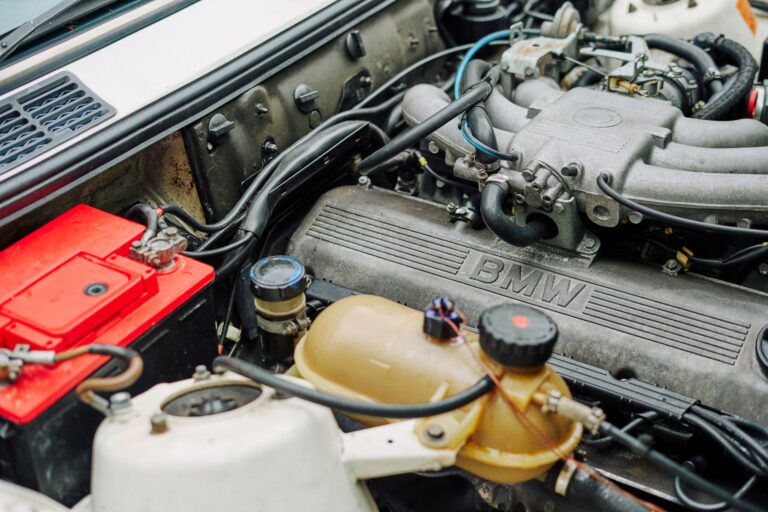
The inspector starts at the door jamb, scans the VIN, and records discrepancies. Then the process flows to engine bay items and service records.
This field workflow reduces second guessing and builds team trust. Colleagues share a common method and feel included in a simple process.
The decoder supports teaching moments and quick confirmations. It keeps records neat and lets the inspector focus on the vehicle and the person handing it over.
Small, steady routines create confidence and belonging.
Privacy and Data Sources Behind the Tool
Explaining where VIN decoder data comes from helps calm worries about privacy and accuracy. The tool explains data provenance clearly and asks for user consent before processing a VIN. This builds trust and makes people feel included.
The sources include:
- Manufacturer records and factory specs.
- Registration and title databases.
- Inspection and service histories.
Together these sources give a fuller portrait. The tool limits what it stores and shows choices for sharing. It uses plain explanations so everyone understands what is kept and why. The design treats users like neighbors who deserve respect. Settings let people control retention and sharing. Clear policies and short prompts guide users through consent choices, so they feel safe, informed, and part of a helpful community.
Common VIN Decode Errors and How to Fix Them
Typographical errors, confusing letters and numbers, and missing characters can all stop a VIN from decoding correctly, and the reader should feel reassured that these issues are easy to spot and fix.
A failed check digit often points directly to a single wrong character, so a calm step-by-step recheck usually resolves it.
Whenever entries are incomplete, the next step is to compare the VIN to the vehicle label or documents and fill gaps before retrying the lookup.
Typos and Character Confusion
How can a single wrong letter turn a clear VIN into a confusing puzzle? The writer observes common typo patterns and character substitutions that separate a helpful VIN from dead ends. Small errors happen to everyone, and the tone stays warm and inviting to readers who want to belong to a careful community.
- Check similar shapes like 0 and O, 1 and I, 5 and S
- Compare manual notes to digital captures to catch slips
- Use simple lookup tools that highlight unlikely combos
Next, verify background such as maker codes and model year to spot mismatches. If unsure, ask a friend or forum member for a second eye. The approach stays patient and practical, guiding users toward correct entries with gentle, clear steps.
Check Digit Failures
Start next noting that the check digit sits in the middle of a VIN and acts like a small guardian that verifies the whole code, so once it fails the rest of the decode often looks wrong.
The reader feels included whenever the tone speaks plainly about validation methods and why they matter.
A failed check digit triggers error detection steps.
It asks for rechecking characters, using checksum algorithms, and applying alternate validation methods to confirm intent.
The guide explains how to run the checksum algorithms, compare results, and spot transcription slips.
It reassures that peers encounter this frequently and offers patient fixes.
It shows how proper error detection restores trust in the VIN and invites the reader to try again with support and clear, simple steps.
Incomplete VIN Entries
If a VIN is missing characters, it leaves a gap that makes the whole code unreliable and frustrating to decode.
Incomplete VIN entries often show as partial VINs or masked entries.
This creates worry for people trying to belong to a group of careful owners or buyers.
The tone stays warm and clear.
Practical steps follow.
- Check paperwork initially to recover missing digits.
- Compare regional formats to see which characters belong where.
- Contact seller or authority to resolve legal implications.
Those steps work together because documents, formats, and law overlap.
Should one source fail, another could fill the gap.
The advice is simple and kind.
It respects readers who want to fit in with trustworthy vehicle communities and feel supported while fixing VIN problems.
Tips for Verifying Decoder Findings
Upon verifying results from a VIN decoder, readers should pause and treat each finding like a clue in a careful investigation. A buyer verification step matters. Compare seller details, title name, and registration to the VIN. Perform a document crosscheck with service records, inspection reports, and sale invoices. Look for mismatches and ask for clear explanations.
Next, inspect the vehicle in person provided that possible. Match VIN locations on the dash, door jamb, and engine. Photograph each spot and compare with reports. Use a trusted mechanic for a physical check and test drive. Keep communication friendly and firm. Share concerns with the seller and request corrected paperwork. These steps help a community of buyers feel supported and confident while avoiding concealed problems.