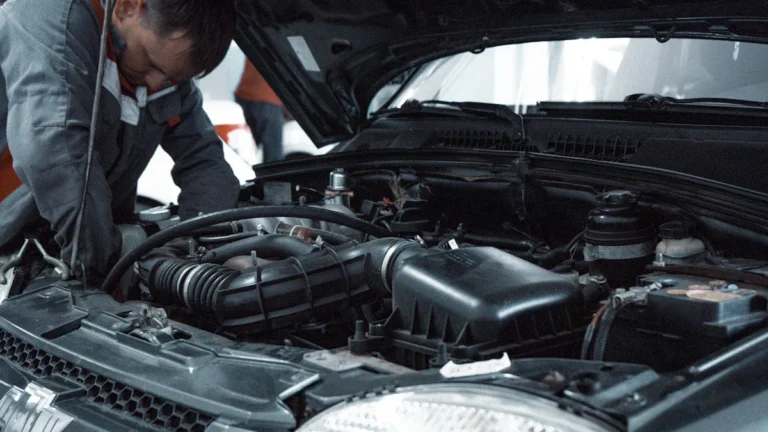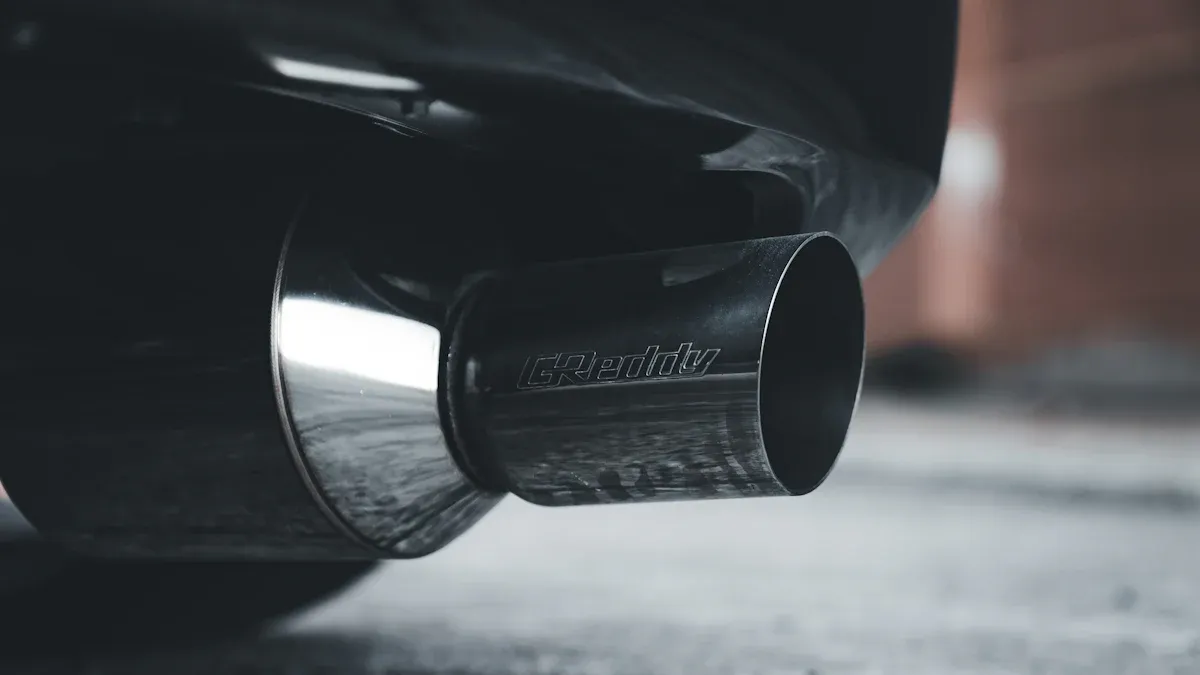
Black smoke from your diesel engine signals incomplete fuel combustion. This black smoke indicates underlying issues. It harms your engine’s health and reduces fuel efficiency. You may also see excessive exhaust smoke. Addressing this black smoke is crucial for optimal engine performance. It ensures your diesel operates efficiently. This guide offers 10 actionable steps to help you reduce black smoke.
Key Takeaways
Black smoke from a diesel engine means the fuel is not burning completely. This can harm the engine and waste fuel.
Keep your engine’s air and fuel filters clean. Dirty filters stop air or fuel from getting to the engine. This causes black smoke.
Check your fuel injectors and turbocharger. Worn parts here can make the engine burn fuel badly. This also causes black smoke.
Use good quality fuel and change your engine oil often. These steps help your engine run cleaner. They also help prevent black smoke.
Get regular check-ups and tune-ups for your diesel engine. This helps find and fix problems early. It keeps your engine working well.
Step 1: Optimize Air Filtration
Air Filter’s Role in Combustion
Your diesel engine needs a lot of clean air to burn fuel completely. The air filter acts like your engine’s lungs. It cleans the air before it enters the combustion chamber. When the air filter gets dirty, it restricts airflow. This means less air reaches the engine. If your engine gets less air but the same amount of fuel, the fuel mixture becomes too rich. A rich fuel mixture cannot burn completely. This incomplete burning is a main cause of black smoke coming from your exhaust. You want a balanced air-to-fuel ratio for efficient combustion.
Inspect and Replace Air Filters
You must regularly check your air filter. A visual inspection can tell you a lot. Look for dirt, debris, or a dark, clogged appearance. A dirty filter feels heavy and looks dark gray or black. Replacing a dirty air filter is a simple but powerful step to reduce black smoke.
You should replace your air filter at regular intervals. Many experts suggest changing the air filter every 500 hours of operation. For mileage, you might need to change it every 12,000 to 15,000 miles. If you drive in dusty areas, you will need more frequent changes. Generally, most filters require replacement every 15,000-30,000 miles, depending on your driving conditions. Some modern vehicles have an Electronic Vehicle Information Center (EVIC). This system will display a ‘SERVICE AIR FILTER’ message when it needs attention. You should replace the air filter within 250 miles (402 km) of this message appearing. This ensures your engine operates correctly. Driving with a restricted air filter can cause serious engine damage.
Step 2: Ensure Clean Fuel Delivery

Fuel Filter Impact on Black Smoke
Your diesel engine relies on a steady supply of clean fuel. Fuel filters play a critical role in this process. They remove harmful contaminants from your fuel. These contaminants include dirt, rust particles, and even water. A dirty or clogged fuel filter restricts fuel flow to the combustion system. This means your power unit might not receive enough fuel. It could also receive fuel at incorrect pressure. This leads to an imbalance in the air-fuel mixture. When fuel does not burn completely due to this imbalance, you see black smoke. This smoke is unburnt carbon. It signals a problem. Clean fuel delivery is essential for efficient combustion. It protects delicate components like your fuel injectors and fuel pump from premature wear. Always choose reputable fuel stations to minimize contaminants.
Replace Fuel Filters Regularly
You must replace your fuel filters regularly. This is a key maintenance task for any diesel owner. Consult your vehicle’s owner’s manual. It provides specific recommendations for service intervals. Many manufacturers suggest replacing fuel filters every 10,000 to 20,000 miles. However, your driving conditions can significantly affect this schedule. If you operate in dusty environments, or if you frequently use fuel from less reliable sources, you might need more frequent changes. Ignoring a dirty fuel filter can lead to costly repairs. It can also severely impact fuel economy. Replacing fuel filters prevents damage to your fuel pump and injectors. It ensures your diesel receives a consistent supply of clean fuel. This simple, proactive step helps reduce black smoke. It keeps your engine performing at its best and extends its lifespan. This also helps you save money on fuel in the long run.
Step 3: Inspect Fuel Injectors
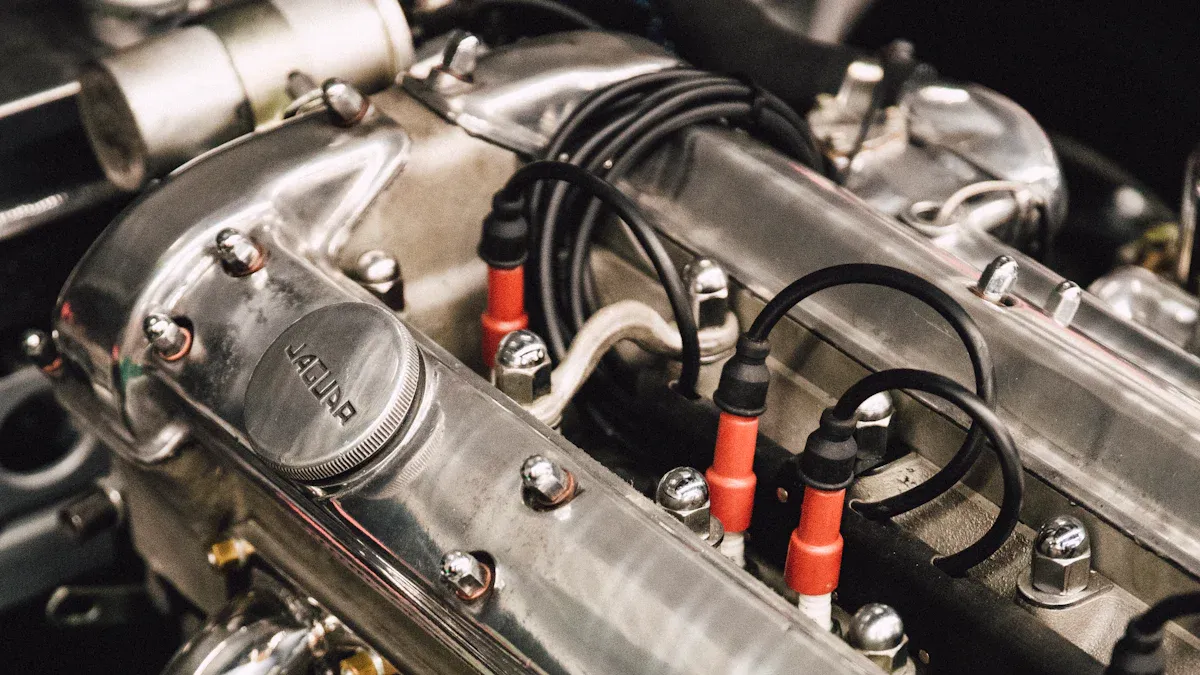
Worn Injectors and Poor Atomization
Your diesel engine relies on precise fuel delivery. Fuel injectors spray fuel into the combustion chamber. They atomize the fuel into a fine mist. This fine mist mixes with air for efficient burning. When fuel injectors wear out, they cannot atomize fuel correctly. They might spray fuel in streams instead of a fine mist. This leads to poor combustion. The fuel does not burn completely. Unburnt fuel exits the exhaust as black smoke. This indicates a serious problem. You need properly functioning injectors for optimal performance.
Cleaning and Professional Service for Injectors
You should inspect your fuel injectors for proper function. A professional can test their spray pattern and flow rate. Sometimes, cleaning can restore injector performance. Professional cleaning of fuel injectors typically costs between $150 and $300. This can be a cost-effective solution. However, if your injectors are too worn or damaged, you will need to replace them. If dirty injectors are not addressed and require replacement, the cost can range from $400 to $1200 per injector. You should consider changing all four injectors if they are past their prime. This ensures balanced fuel delivery across all cylinders. Replacing all of them helps to reduce black smoke effectively. It also prevents future issues.
Step 4: Verify Fuel Pump Timing
Timing’s Effect on Combustion
Your diesel engine relies on precise fuel pump timing. This timing dictates exactly when the fuel injects into the combustion chamber. If the timing is off, the fuel does not inject at the optimal moment. This directly impacts the ignition delay period. Advancing the timing of fuel injection leads to a decrease in this delay. Retarding the injection timing results in an increase in this interval. The injection delay is the time from the start of injection to the beginning of combustion. This period includes physical and chemical processes like atom breakdown, vaporization, air-fuel mixing, and the combustion reaction. Incorrect timing means the fuel might not have enough time to mix properly with air. It might also ignite too early or too late. This leads to incomplete combustion. Incomplete combustion produces black smoke.
Proper Timing for Complete Fuel Burn
You need proper fuel pump timing for complete fuel burn. Correct timing ensures the fuel ignites at the right moment. This allows for maximum energy extraction from the fuel. It also minimizes unburnt particles. When your fuel pump timing is accurate, your engine runs more efficiently. It produces less black smoke. If you notice black smoke and have checked other common issues, you should consider your fuel pump timing. Adjusting the timing is a complex task. You should seek professional help for this. A qualified mechanic uses specialized tools to set the timing correctly. This step is crucial for reducing black smoke. It also improves your engine’s overall performance and fuel economy.
Step 5: Clean the EGR Valve
EGR Valve and Air-Fuel Mix
Your diesel engine has an Exhaust Gas Recirculation (EGR) valve. This valve helps reduce harmful emissions. It reroutes a small portion of exhaust gases back into the combustion chambers. This lowers combustion temperatures. However, a dirty or malfunctioning EGR valve can disrupt your air-fuel mixture. The EGR control system works to keep the oxygen-to-fuel ratio correct. This ratio is important for performance and emissions.
When the EGR valve gets stuck open, too much exhaust gas enters the intake system. Your engine’s Electronic Control Unit (ECU) tries to fix this. It injects more fuel into the combustion process. This makes the air-fuel ratio too rich. A rich mixture means less oxygen for complete burning. This leads to incomplete combustion and produces black smoke.
EGR Cleaning and Failure Signs
You should clean your EGR valve regularly. Carbon deposits can build up and prevent it from closing or opening properly. Cleaning it can restore its function. If cleaning does not work, you might need to replace it.
You can look for several signs that your EGR valve is failing:
Check engine light: A problem with the EGR valve often triggers this light.
Engine performance issues: If the valve is stuck open, you might notice reduced power. Your acceleration could be poor. You might also experience a rough idle.
Increased NOx emissions: If the valve stays shut, combustion temperatures rise. This can lead to unburned fuel in the exhaust.
Engine knock: Higher temperatures can cause knocking noises in your engine.
You might also see specific fault codes. These include P0401 (EGR insufficient flow detected) or P0402 (EGR excessive flow detected). Addressing these issues quickly will help your engine run cleaner. It will also prevent more serious problems.
Step 6: Check Turbocharger Health
Turbo’s Role in Air Supply
Your diesel engine needs a lot of air to burn fuel efficiently. The turbocharger acts like a supercharger for your engine. It forces more air into the combustion chambers. This extra air helps your engine produce more power. It also helps burn fuel more completely. A healthy turbocharger ensures your engine gets the right amount of air. For example, during cruise control at 65 MPH, your boost pressure is typically around 4-5 psi. When you accelerate rapidly, flooring it, boost pressure increases to 29-32 psi. Newer diesel engines can even reach up to 40 psi. This increased pressure allows your engine to produce much more power than a naturally aspirated engine.
Failing Turbo and Black Smoke
A failing turbocharger cannot supply enough air to your engine. This creates an imbalance. You have too much fuel and not enough air. This improper air-fuel mixture leads to incomplete combustion. When fuel does not burn completely, you see black smoke coming from your exhaust. This black smoke is a clear sign of a problem. It indicates your turbocharger is not working correctly. Ignoring these smoke issues can cause more problems. It can clog your diesel particulate filters (DPFs). This can lead to costly repairs. You might also face penalties if you operate a commercial fleet. Check your turbocharger if you notice black smoke. A healthy turbo is vital for a clean-burning engine.
Step 7: Use Quality Fuel & Additives
Benefits of Premium Diesel Fuel
You can significantly impact your diesel engine‘s performance by choosing quality fuel. Premium diesel fuel contains special additives. These additives improve combustion efficiency. They help your fuel burn more completely.
Here are some key benefits:
Cetane Boosters: These additives increase the fuel’s cetane number. A higher cetane number means a shorter ignition delay. This leads to faster, smoother combustion. You will experience easier cold starts and quieter operation.
Detergents: These components prevent and clean deposits on your injectors. Clean injectors ensure precise spray patterns. This action maintains power and fuel economy. It helps boost fuel economy and power.
Overall Additives: Premium diesel includes detergents, stability agents, and lubricity improvers. These work together for better combustion. They reduce emissions. They also enhance protection for your fuel pump and injectors.
Using premium fuel helps your engine run cleaner. It reduces the likelihood of black smoke.
Additives for Preventing Black Smoke
You can also use fuel additives to further improve your fuel system. Fuel injector cleaners are very effective. They remove deposits and contaminants that can clog your fuel injectors. These cleaners typically contain detergents. They break down deposits and prevent future buildup.
Consider regularly adding a detergent additive. A multifunctional treatment like Dee-Zol can clean your engine system. Hot Shot’s Secret Diesel Extreme is a premium 6-in-1 additive. It has a concentrated detergent formula. It safely removes and prevents Internal Diesel Injector Deposits (IDIDs) and External Diesel Injector Deposits (EDIDs). These deposits cause wear and premature failure of fuel system components. Other effective options include:
CAM2 Diesel Fuel Treatment
Howes Diesel Treat Conditioner and Anti-Gel
Amsoil Diesel All-In-One
Sea Foam Motor Treatment
Peak “Blue” Agri-Clean Diesel Fuel Additive
These additives help keep your fuel system clean. They ensure optimal fuel atomization. This is crucial for preventing black smoke and maintaining your diesel engine’s health.
Step 8: Maintain Engine Oil Quality
Oil’s Link to Combustion Byproducts
Your diesel engine oil does more than just lubricate. It also helps clean your engine. During combustion, soot and other byproducts form. Some of these particles can get into your engine oil. Over time, these contaminants build up. Dirty oil loses its ability to lubricate effectively. It can also cause increased friction and heat. This leads to less efficient combustion. When combustion is not complete, you will see more black smoke from your exhaust. Clean oil helps your engine run smoothly and burn fuel better.
Regular Oil Changes and Type
You must change your engine oil regularly. This is vital for reducing black smoke. The type of oil you use also matters. Different viscosity grades suit various conditions:
Viscosity Grade | Application/Condition |
|---|---|
15W-40 | Standard All-Season Choice, Highway Trucks (300,000+ miles), Construction Equipment (year-round) |
10W-30 | Cold Climate Option, Construction Equipment (winter operations below 20°F) |
20W-50 | High-Mileage/Hot Climate, Highway Trucks (for consumption issues), Agricultural Tractors (PTO-intensive work) |
5W-40 | Synthetic Winter Grade |
Your oil change interval depends on how you use your vehicle.
Severe Service: Change oil every 250 hours or 7,500 miles. This applies to construction or stop-and-go driving.
Highway Service: You can extend intervals to 15,000-25,000 miles. This is for long-haul, steady speeds.
Mixed Service: Change oil every 10,000 miles or 300 hours.
Commercial trucks often need oil changes every 25,000 to 50,000 miles. This depends on the oil type and driving conditions. Light-duty vehicles follow manufacturer specs, usually 5,000–7,000 miles. Consider using premium synthetic diesel engine oil. It can extend intervals to 20,000–40,000 miles for long-haul trucks. Oil analysis helps you know the best time to change your oil. It tells you when the oil’s condition degrades too much. This proactive approach keeps your engine healthy and reduces black smoke.
Step 9: Inspect MAF/MAP Sensors
Sensor Impact on Air Intake Readings
Your diesel engine relies on precise measurements of air. The Mass Air Flow (MAF) sensor measures the mass of air entering the engine. The Manifold Absolute Pressure (MAP) sensor detects pressure changes in the intake manifold. Both sensors send crucial data to your engine’s computer, the Engine Control Unit (ECU). The ECU uses this information to calculate the correct amount of fuel to inject.
If these sensors become dirty or fail, they send incorrect readings. A faulty MAP sensor, for example, sends wrong pressure data. This hinders the ECU’s ability to adjust the air-fuel mixture properly. Your engine might not receive the correct amount of fuel. This leads to a loss of power and reduced efficiency. When the ECU gets inaccurate data, it often injects too much fuel. This creates an overly rich air-fuel mixture. Excess fuel goes unburned. This wastes fuel and increases exhaust emissions. You will see excessive black smoke from the exhaust. This is a strong sign your engine runs too rich, often due to a faulty MAP sensor. A contaminated MAF sensor can also cause a rough idle and hesitation during acceleration.
Cleaning MAF/MAP Sensors to Reduce Black Smoke
You can often fix issues with these sensors by cleaning them. This simple maintenance step helps to reduce black smoke. First, locate the sensors. You typically find the MAF sensor on the airbox tube, held by two bolts. The MAP sensor is usually on the driver’s side of the engine, on the backside of the intake horn, secured by one Torx screw.
Follow these steps to clean them:
Remove the sensor carefully from its location.
Spray the sensor with a suitable cleaner. Use a non-chlorinated cleaner, such as one made by CRC.
Gently scrub the sensor with a soft toothbrush to remove any debris.
Reinstall the cleaned sensor once it is dry.
Cleaning these sensors ensures your engine receives accurate air intake readings. This helps the ECU inject the correct amount of fuel. Proper fuel-air mixture leads to complete combustion. This action helps to reduce black smoke and improves your engine’s overall performance.
Step 10: Regular Diagnostics & Tune-ups
Professional Diagnostics for Issues
You need professional diagnostics to pinpoint issues. An OBD-II scanner helps retrieve stored trouble codes. These codes offer significant insights into the underlying cause of black smoke. They guide the diagnostic procedure. Mechanics also perform a visual inspection of the engine compartment. They look for leaks, damaged hoses, or loose connections. Advanced diagnostic tools analyze engine performance data. These include fuel pressure, airflow, and exhaust gas temperature. This comprehensive approach helps identify problems with fuel injection, air intake, or emissions systems. It ensures your diesel engine operates correctly.
Routine Maintenance for Diesel Engine Health
Regular tune-ups are crucial for your diesel engine’s health. A comprehensive routine maintenance schedule prevents black smoke. You should perform oil and filter changes. This prevents sludge buildup and reduces wear. It ensures smooth operation. Manufacturers often recommend these every 25,000 miles. This involves warming the engine, draining old oil, replacing the oil filter, and refilling with the recommended oil type. Fuel system maintenance is also essential. This includes regular replacement of fuel filters to prevent clogging. You should also drain water separators. Use high-quality fuel. Injector cleaning using additives or professional services is also advised. You should also maintain your cooling system. This prevents overheating. Inspect raw water pumps and coolant levels. Keep your air intake and filtration systems clean. Inspect and replace air filters every 15,000 to 30,000 miles. This maintains proper airflow. It prevents contaminants from entering the engine. Inspect your exhaust system. This helps detect performance issues. These routine checks ensure your diesel runs cleanly and efficiently, boosting overall engine performance.
You have explored 10 essential steps to effectively reduce black smoke in your diesel engine. Remember, black smoke is a critical warning sign. It indicates underlying problems. Proactive maintenance is vital for your diesel engine’s longevity and efficiency. Consistent inspections and timely repairs are crucial. Adhere to these “power steps.” This ensures a cleaner, more efficient, and longer-lasting diesel engine. 🛠️
FAQ
What causes black smoke in my diesel engine?
Black smoke means your engine is not burning fuel completely. This often happens when you have too much fuel or not enough air. Issues like dirty air filters, worn injectors, or bad timing can cause this.
Is black smoke bad for my engine?
Yes, black smoke is bad. It shows your engine is not running efficiently. This can lead to lower fuel economy and more wear on engine parts. It also harms the environment. 💨
Can I fix black smoke myself, or do I need a mechanic?
You can fix some issues yourself, like changing air or fuel filters. For more complex problems, such as fuel pump timing or turbocharger issues, you should see a professional mechanic.
Tip: Always consult your owner’s manual before attempting repairs.
How often should I perform maintenance to prevent black smoke?
You should follow your vehicle’s owner’s manual for maintenance schedules. Regular oil changes, filter replacements, and system checks are important. Driving conditions can also affect how often you need service.