

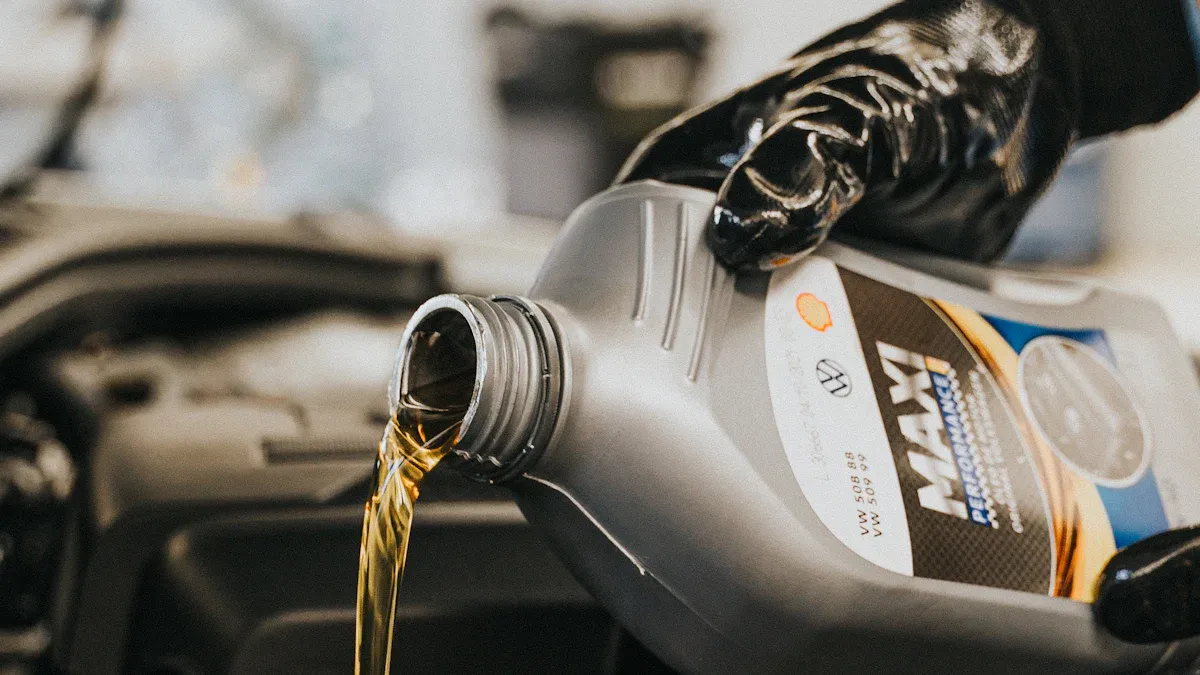
Proactive maintenance is crucial for your modern car in 2026. A timely oil change and regular tune-ups prevent expensive repairs. This ensures optimal engine performance and extends your car’s life. Dirty oil harms your vehicle. You need to change your oil regularly. Recognizing the signs your car needs attention is vital. This guide details 12 signs that indicate necessary oil or tune-up maintenance.
Why Car Oil Changes and Tune-Ups Matter

Preventative Care for Modern Vehicles
You drive a modern car in 2026. Proactive care is essential for your vehicle. Telematics-powered diagnostics use onboard sensors and cloud platforms. This technology monitors your car’s health in real time. It tracks data like engine temperature and battery performance. This helps detect issues early, such as engine or brake problems. You can schedule repairs before breakdowns occur. This reduces downtime and lowers maintenance costs. Data-driven replacement planning helps you avoid costly repairs. It also reduces how long your car is out of service. Automating work orders means technicians focus on repairs, not data entry. Fault codes can instantly trigger work orders. This allows you to address issues proactively. Data-driven inventory management ensures you have the right parts. This prevents shortages and slashes downtime.
Boosting Fuel Efficiency and Performance
Regular maintenance directly impacts your car’s fuel efficiency and overall performance. A timely tune-up can improve your fuel economy by as much as 40%. Poor spark plugs, which a tune-up addresses, can reduce fuel economy by up to 30%. When you keep your engine running optimally, you get better gas mileage. An oil change ensures your engine parts move smoothly. This improves your car’s responsiveness and power. You will notice a smoother ride and better acceleration.
Avoiding Costly Engine Repairs
Neglecting an oil change or tune-up leads to expensive problems. Consistently delaying an oil change causes the oil to break down. It thickens and loses its protective properties. Dirt and metal particles build up, forming sludge. This sludge clogs oil passages. This causes uneven wear and reduces engine efficiency. Friction increases, wearing down critical components like pistons, bearings, and crankshafts. Your oil protects these parts from metal-on-metal contact. It also keeps cylinders and heads from warping due to overheating. Without proper oil, your engine can suffer severe damage. This can lead to complete engine failure. An engine replacement is one of the most expensive repairs you can face, often costing over $5,000. Regular maintenance prevents these high-cost issues.
12 Signs Your Car Needs an Oil Change or Tune-Up
You need to recognize the signs your car needs attention. These warning signs tell you when to schedule maintenance. Ignoring them can lead to bigger problems.
1. Dark, Gritty Oil
Your engine oil should look amber or light brown when fresh. You can check your oil by pulling out the dipstick. Wipe it clean, reinsert it, then pull it out again. If the oil on the dipstick is very dark brown or black, it has lost its translucence. This means significant contamination. The oil cannot lubricate, cool, or clean your engine effectively. You might also notice a thickening consistency. Rub a drop of oil between your fingers. If it feels gritty, it signals contamination. Do not drive your car if you find abundant or large particles. These particles can feel gritty. A metallic sparkle or glitter in the oil indicates internal wear or damage. This requires immediate professional inspection. You should not drive the vehicle. This is a clear sign your oil needs to be changed. Ignoring this leads to increased friction and wear on engine parts.
2. Increased Engine Noise
A well-lubricated engine runs smoothly and quietly. If your oil is too old, it cannot provide proper lubrication. You may hear knocking, ticking, or grinding sounds from the engine. These are warning signs. Grinding noise indicates metal-on-metal contact inside the engine. This happens due to worn parts or inadequate lubrication. It can damage pistons, cylinders, or bearings. A popping sound can mean issues within the valvetrain. Valves may not seat properly due to worn components or insufficient lubrication. Clicking or ticking sounds come from worn valvetrain parts. These include lifters, rockers, or camshaft bearings. Low or degraded oil levels also cause these sounds. This makes the problem worse and can lead to rattling.
💡 Tip: Listen for specific noises. A rumbling or thumping sound when accelerating might be crankshaft bearing noise. This happens from low oil pressure damaging bearing surfaces. A double knocking sound can be piston pin noise. This comes from lack of oil and too much clearance between the piston pin and piston. Connecting rod noise occurs from too much clearance between the crankshaft and connecting rod bearing. This often happens from low oil pressure or dirty oil. It sounds like a knock from the bottom of the engine. Worn-out engine bearings increase friction. This causes severe engine damage and a knocking sound. Faulty lifters create a distinct ticking noise. This noise increases with engine speed. It affects engine performance and fuel efficiency. Low or dirty engine oil cannot lubricate moving parts effectively. This leads to increased friction and noise. Regular oil checks and changes with high-quality oil are crucial.
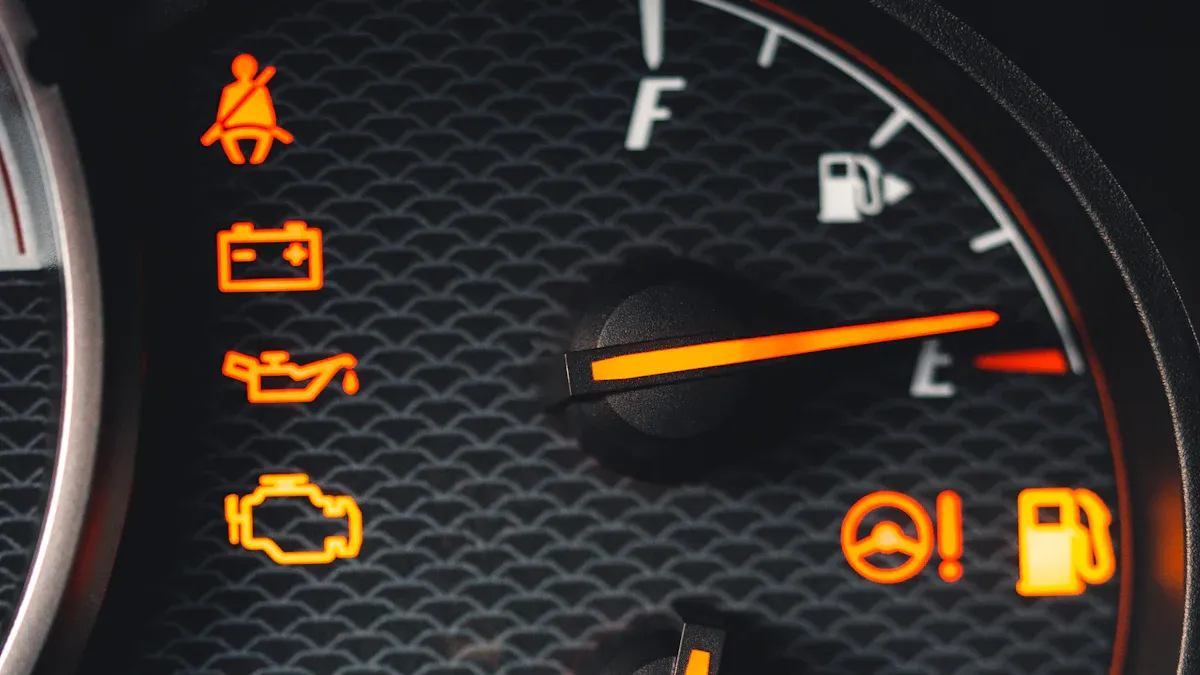
3. Dashboard Oil Change Light
Your car has a critical dashboard indicator for oil changes. It often looks like an oil can with a droplet. This symbol is part of an advanced monitoring system. It alerts you about engine or oil life issues. When you see this oil change light, your oil needs to be changed. Another important dashboard oil light is the oil pressure light. When this light comes on, it signals a drop in the engine’s low oil pressure. You need to address this immediately. Ignoring an illuminated oil change light can lead to severe engine damage. It can also cause an overheating engine. This is one of the most direct warning signs.
4. Reduced Fuel Economy
You might notice you are filling up your gas tank more often. This is a sign of reduced fuel economy. Your car is not running as efficiently as it should. This can happen if your engine oil is old and thick. It makes the engine work harder. This uses more fuel. A tune-up addresses issues that make your engine run optimally. These issues include dirty spark plugs or clogged air filters. Both can cause your car to consume more fuel. This is a warning sign that your car needs an oil change or a tune-up. Ignoring this means you spend more money on gas. It also means your engine is under stress.
5. Rough Idling or Stalling
Does your car shake or vibrate when it is stopped at a light? Does it stall unexpectedly? These are signs your car needs a tune-up. Worn-out spark plugs, weak ignition coils, or fuel issues can cause an engine misfire. This leads to shaking, hesitation, or uneven running at idle. A vacuum leak allows too much air into the engine’s intake. This results in rough or uneven idling, high RPMs, or stalling. Common causes include cracked vacuum hoses or worn-out gaskets. A dirty or malfunctioning Idle Air Control Valve (IAC) can cause rough idling, stalling, or fluctuating RPMs. Dirty fuel filters, failing fuel pumps, or clogged fuel injectors cause uneven fuel flow. This leads to rough idling, hesitation, or jerky acceleration. Failing sensors like the oxygen sensor, Mass Airflow Sensor, or Throttle Position Sensor can disrupt engine operation. This leads to a rough idle. Dirt buildup in the throttle body can cause the engine to stall at idle.
📝 Note: An EGR Valve (Exhaust Gas Recirculation Valve) fouled with carbon can stick open. This causes a rough idle or engine stall. Faulty spark plugs, spark plug wires, or ignition coils cause a rough idle and misfires. You will feel this during acceleration. Excessive carbon build-up on intake valves in Gasoline Direct-Injected engines disrupts air-fuel flow. This leads to engine misfires and rough idling. Dirty fuel injectors restrict fuel flow. This causes rough idling and poor gas mileage. Low or contaminated engine oil affects internal engine components. This leads to rough operation due to restricted lubrication. A failing oxygen sensor can cause the car to burn too much or too little fuel. This leads to inconsistent RPMs.
6. Difficulty Starting the Engine
If your car struggles to start, it often points to tune-up issues. A weak or failing battery is a common reason for a slow start. Corroded battery terminals create resistance. This hinders electrical flow to the starter motor. A worn starter motor draws more current and turns slower. It will eventually fail. Fuel system problems, like a clogged fuel filter or failing fuel pump, restrict gasoline flow. This prevents the engine from getting the fuel it needs to start. Worn spark plugs have eroded electrodes. This increases the spark gap. It weakens the spark and strains the ignition coil. Faulty ignition coils or wires prevent high-voltage electricity from reaching spark plugs. This causes misfires. Clogged fuel injectors impede proper fuel atomization. This leads to an incorrect air-fuel ratio and incomplete combustion. These are critical warning signs. Ignoring them can leave you stranded.
7. Excessive Exhaust Smoke
You should not see much smoke coming from your exhaust pipe. If you do, the color of the smoke tells you a lot.
Smoke Color | What It Usually Means (Causes) |
|---|---|
Blue Smoke | Burning Oil: This is the most common cause. It means engine oil is entering the combustion chamber and burning with the fuel. Worn valve seals or worn piston rings allow oil to seep past. Worn cylinder walls also let oil get past piston rings. A failing turbocharger seal can leak oil into the exhaust. A malfunctioning PCV valve can force oil past seals. Using oil that is too thin can also cause it to burn. |
White Smoke | Burning Coolant (Antifreeze): This is a serious cause. It means engine coolant is entering the combustion chamber and burning. A blown head gasket allows coolant to leak into the cylinders. A cracked engine block or cylinder head can also let coolant in. A small amount of white smoke on a cold start is usually normal condensation. A faulty fuel injector can cause white smoke that smells of raw fuel. Transmission fluid leaking into the engine can also produce white smoke. |
Black Smoke | Rich Fuel Mixture (Too Much Fuel, Not Enough Air): The engine is burning too much fuel. A clogged air filter restricts airflow. Faulty fuel injectors deliver too much fuel. A malfunctioning fuel pressure regulator causes a rich mixture. A bad oxygen sensor can cause the engine to run rich. Worn spark plugs or ignition system issues lead to incomplete combustion. This leaves unburned fuel. A dirty Mass Airflow Sensor (MAF) can cause the engine to inject too much fuel. |
Gray Smoke | Burning Transmission Fluid: This is common if the smoke has a sweet, acrid smell. Burning power steering fluid or brake fluid can also cause gray smoke. A failing turbocharger can produce gray smoke if it burns oil and other fluids. Overuse of certain fuel additives can sometimes lead to gray smoke. A less severe rich condition can also produce gray smoke. If oil burning is not severe, it might appear gray. Clogged Diesel Particulate Filter (DPF) in diesel vehicles can sometimes produce gray smoke. A faulty PCV valve can also manifest as gray smoke. |
Blue smoke means your engine is burning oil. This indicates an oil change is overdue or you have internal engine issues. Black smoke suggests a tune-up is needed to fix fuel-air mixture problems. White smoke often points to coolant issues. These are serious warning signs.
8. Burning Oil Smell
If you smell burning oil while driving, it is a critical warning sign. This often means oil is leaking onto hot engine parts. Oil leaks are a common cause. Oil dripping onto the exhaust manifold or catalytic converter will burn. This produces a distinct odor. These leaks come from worn-out gaskets, loose oil filters, or damaged seals. Heat and pressure degrade rubber seals over time. This allows oil to escape. You might see oil spots under your car. You might also see smoke from the engine bay or notice a low oil level. If oil spills onto the engine during an oil change, or if the engine is overfilled, the excess oil can burn off. An improperly secured oil fill cap can also cause spills. An aging valve cover gasket can become brittle or cracked. This allows oil to leak onto hot surfaces. This leads to oil loss and reduced engine performance. It can even cause misfires if oil gets into spark plug wells. A persistent burning smell and oil pooling around the engine mean you need a gasket replacement. If there are no visible external leaks, the burning oil smell might be from oil burning inside the engine’s combustion chamber. This happens when piston rings or valve seals wear out. This allows oil to enter areas it should not. Symptoms include blue-tinted exhaust smoke, excessive oil consumption, and decreased performance. This means your oil needs to be changed or you have a serious engine problem.
9. Decreased Acceleration or Power
Does your car feel sluggish? Does it struggle to accelerate? This is a sign your car needs a tune-up. Worn spark plugs cause incomplete combustion. This leads to the engine not firing correctly. This results in reduced power. Old ignition coils may not provide enough voltage to the spark plugs. This causes weak or inconsistent power. Dirty fuel injectors or a clogged fuel filter restrict fuel delivery to the engine. This leads to poor throttle response. Your car feels underpowered and inefficient. A dirty air filter restricts airflow to the engine. The engine does not get enough air. It cannot run optimally. This leads to sluggishness and power loss. A clogged fuel filter restricts fuel flow. You notice this during acceleration when fuel demand increases. This makes the vehicle act sluggish or lose power. Dirty or failing fuel injectors prevent the correct amount of fuel from reaching the engine. This results in poor acceleration and reduced gas mileage. Fouling or improper gapping of spark plugs makes it hard for the spark to ignite fuel. This leads to misfiring, reduced gas mileage, and sluggish acceleration. A failing fuel pump struggles to maintain adequate fuel pressure. This prevents the car from accelerating properly. A restricted exhaust system or catalytic converter chokes off the engine’s “exhale.” This increases back pressure. It leads to decreased acceleration and poor operation. A faulty Throttle Position Sensor (TPS) can cause the car’s computer to misjudge your acceleration request. This leads to inconsistent or poor acceleration. A slipping transmission prevents the engine’s power from reaching the wheels efficiently. This results in inconsistent acceleration. Faulty Mass Airflow (MAF) or Oxygen (O2) sensors throw off the air-fuel ratio. This leads to poor performance and sluggish acceleration. A stretched timing chain causes inaccurate syncing of the camshaft and crankshaft. This leads to engine misfiring and poor acceleration. Failing ignition coils prevent spark plugs from getting enough high-voltage energy to ignite fuel. This leads to misfiring, excessive fuel consumption, and slow acceleration.
10. Vibrations or Shaking
If your car vibrates or shakes more than usual, especially at certain speeds, it is a warning sign. This often points to issues that a tune-up can fix. Problems with spark plugs, ignition coils, or fuel delivery can cause the engine to run unevenly. This creates vibrations. Worn-out engine mounts can also cause shaking. These issues affect the overall quality of your ride. Ignoring vibrations can lead to further damage to engine components. It can also affect your car’s handling and safety.
11. Other Dashboard Warning Lights
Beyond the oil change light, other dashboard warning lights can signal a need for a tune-up. The ‘Check Engine’ light is a common warning. It can signal problems like faulty oxygen sensors, catalytic converter issues, or spark plug/ignition problems. These issues are often addressed during a tune-up. Ignoring this light can result in more expensive repairs and reduced fuel economy. This highlights the preventative aspect of addressing these warning signs. The ‘Check Engine’ light can indicate issues from a loose gas cap to more serious engine problems. Ignoring this warning can lead to severe and potentially irreversible damage to your engine. This suggests a need for timely diagnosis and repair. This aligns with the purpose of a tune-up. These are critical warning signs that you should not ignore.
12. Exceeding Service Intervals
Your car manufacturer provides a recommended service schedule. This schedule includes intervals for oil changes and tune-ups. If you have gone past these recommended mileage or time limits, your car needs maintenance. Modern vehicles often have systems that track this for you. They will display a warning message. Exceeding these intervals leads to the deterioration of oil quality. It also means wear on critical engine components. This reduces the overall quality and lifespan of your car. Regular maintenance based on these intervals ensures the longevity and performance of your vehicle. It prevents an overheating engine and maintains the quality of your ride. You maintain the quality of your engine by following these guidelines.
What to Do When Your Car Shows These Signs
When your car shows these signs, you must act quickly. Ignoring them can lead to bigger problems. You can take immediate steps. You can also schedule professional service. Understanding your car’s maintenance schedule helps you stay proactive.
Immediate Actions to Take
If you notice severe engine trouble, take immediate steps. Reduce your speed. This lessens stress on the engine. Reduce the load on the engine. Turn off air conditioning or other non-essential systems. Seek diagnosis as soon as possible. Ignoring these warnings can lead to more damage.
Scheduling Professional Service
You need to find a reliable mechanic. When choosing a professional automotive service center, consider several factors.
Certifications: Ensure the auto shop and mechanics are certified by the National Institute for Automotive Service Excellence (ASE). This verifies their expertise. Check online reviews to confirm certifications.
Services: The mechanic should have up-to-date training for your specific car. They should explain necessary services clearly.
Warranties: Ask about the shop’s warranties on repairs. A comprehensive warranty covers you if issues arise. Get warranty details in writing.
Costs: Get a written price estimate before work begins. This estimate should detail parts and labor. Compare estimates from different shops. This helps you understand pricing.
Understanding Your Car’s Maintenance Schedule
Your car’s owner’s manual is a vital resource. It contains a critical vehicle maintenance schedule. You will find specific guidance on oil changes. This includes intervals for conventional and synthetic oils. For example, change conventional oil every 3,000 miles. Change synthetic oil every 5,000-10,000 miles. The manual also lists manufacturer’s maintenance recommendations. It details auto maintenance requirements like oil changes and tire rotation. You will see recommended inspection schedules or parts replacement at specific mileage intervals. These include 30,000, 60,000, and 90,000 miles.
Car manufacturers establish service intervals based on extensive testing. This data shows when vehicle components degrade. The 30-60-90 rule is a general guideline. It indicates points where wear and tear accelerate. This necessitates proactive maintenance. Specific intervals vary based on engine type, driving conditions, and manufacturer specifications. Your owner’s manual provides the definitive schedule for your vehicle. Manufacturers use real-world wear data and engineering data. Different engine designs have varied maintenance needs. Severe driving conditions may alter recommended intervals. Technological advancements, like improved oil and engine components, can extend service intervals. Regular oil changes protect your engine. They ensure your engine runs smoothly. Always use the correct type of oil. This helps your engine last longer.
Recognizing these 12 signs your car needs attention is vital. You maintain your car’s health and ensure safe driving in 2026. Regular oil changes and tune-ups are proactive prevention. They save you money and extend your car’s life. Your engine needs fresh oil for optimal performance. Old oil harms the engine. Always check your car’s manual. Seek professional care promptly when any signs appear. This protects your engine and its oil system. A timely oil change keeps your engine running smoothly. You prevent engine damage. The right oil protects your engine.
FAQ
1. How often should I change my car’s oil?
Your car’s owner’s manual provides the best guide. Generally, change conventional oil every 3,000 miles. Synthetic oil lasts longer, often 5,000 to 10,000 miles. Driving conditions also affect this schedule. Always follow manufacturer recommendations.
2. What does a car tune-up include?
A tune-up involves inspecting and replacing key components. Mechanics check spark plugs, air filters, and fuel filters. They also inspect ignition systems and fluid levels. This ensures your engine runs efficiently. It restores power and fuel economy.
3. What happens if I skip an oil change or tune-up?
Skipping maintenance causes serious engine damage. Old oil leads to increased friction and wear. This can cause engine failure. Neglecting a tune-up reduces fuel efficiency and power. You face costly repairs later.
4. Can I perform these services myself?
You can perform basic checks like oil levels. However, professional service is best for oil changes and tune-ups. Mechanics have specialized tools and expertise. They ensure proper procedures and identify other potential issues. This keeps your car safe and reliable.
