The Toyota Yaris stands out as a compact hatchback favored for daily city drives, while the Yaris Cross takes shape as a roomier, SUV-inspired choice aimed at those craving extra versatility and comfort. With the Yaris Cross’s higher seat position and larger interior, families or drivers wanting more space often feel reassured through its flexible cargo options and enhanced visibility.
Both models rely on Toyota’s proven hybrid engine, ensuring smooth, efficient commutes, but the Yaris Cross’s added ground clearance and softer ride help it handle bumps and longer travels with ease. Each model delivers smart tech, advanced safety, and their own sense of style, sparking curiosity about which better fits an advancing lifestyle.
Design and Body Style Comparison
Comparison between the Toyota Yaris and the Toyota Yaris Cross starts with how their designs shape your everyday experience.
The Yaris stands out with its classic hatchback shape, keeping lines sleek and refined, while focusing on sporty design elements for urban agility.
In contrast, the Yaris Cross brings to life body variations inspired by SUVs, showcasing a rugged, muscular form and a taller, wider stance.
This noticeable difference comes from Yaris Cross being 20mm wider and 240mm longer, making each drive feel more commanding and secure.
The increased ground clearance and bold styling make Yaris Cross more versatile for different environments, while both vehicles share the reliable TNGA platform.
Moving from city streets to weekend getaways, these variations in design elements affect visibility, comfort, and the emotional connection you get behind the wheel.
Interior Space and Comfort
Stepping inside, Yaris Cross welcomes drivers with a cabin that feels noticeably roomier than the Yaris, offering more headroom, legroom, and flexible cargo space for everyday needs.
The higher seating position in the Yaris Cross not only enhances comfort on longer trips but also improves visibility, making city driving less stressful.
As the rear seats fold down, families and explorers alike will appreciate the way cargo capacity expands, giving the Yaris Cross a practical edge as the demands of life start to stack up.
Cabin Space Comparison
Inside the Toyota Yaris Cross, the extra space becomes clear as soon as you open the door. Taller dimensions and a wider body transform the cabin into an airy, comfortable environment.
The raised seating position not only boosts visibility but also delivers a strong sense of openness for both driver and passengers. Improved headroom and legroom make a real difference, most noticeable for those in the back seats.
Foldable rear seats mean loading larger items is easier, a clear plus for busy families. Cabin materials and interior design feel sturdy and durable, though not as flashy as some rivals.
The standard Yaris, in contrast, feels cozy but limited should you value personal space or versatility. Both focus on comfort, yet Yaris Cross makes daily travels feel a touch more relaxed.
Seating Position Differences
Many drivers notice an immediate difference the moment they settle into the Toyota Yaris Cross compared to the regular Yaris. The Yaris Cross lifts riders higher, with an improved visibility that lets you see more of the road and your surroundings.
This higher seating position inspires confidence, making city driving and busy intersections less intimidating. At the same time, the increased interior space boosts passenger comfort, letting everyone relax a bit more.
- Elevated driving position delivers improved visibility and a commanding road view.
- Added headroom and legroom create a more open, relaxed experience for passengers.
- Raised seats make getting in and out easier and more comfortable, beneficial for all ages.
- Yaris Cross cabin focuses on both comfort and flexibility, modifying space as passenger needs change.
Cargo Capacity Expansion
Cargo space quickly becomes a real advantage for families or anyone who juggles varied routines.
The Yaris Cross clearly stands out in cargo management, offering extra storage solutions beyond what the regular Yaris hatchback provides. Its increased length and height allow more room for groceries, sports gear, or weekend luggage, and the rear seats fold down easily for even more usable space. This flexibility supports daily errands and family trips, especially at the point a child’s stroller or bulky items need to fit in.
Yaris Cross drivers will also notice subtle touches that help secure loose items, making organization less of a challenge. Although the standard Yaris can handle quick shopping trips, its compact size means less expansion potential.
The Yaris Cross makes managing life’s load easier and more comfortable for all occupants.
Powertrain and Driving Dynamics
Yaris and Yaris Cross both rely on a 1.5-litre three-cylinder hybrid engine, providing smooth power along with impressive fuel savings for everyday drives.
Yaris Cross adjusts the formula by tuning its suspension for a cushier ride and adding flexibility, especially as streets get rough or weather turns slick.
Both cars can glide silently in electric mode during city speeds but Yaris Cross stands out for extra punch and SUV-like composure wherever the road leads.
Hybrid Powertrain Comparison
Although both models are built on the same foundations, the Toyota Yaris and Yaris Cross take distinctly different approaches with their hybrid powertrains and driving performance, each customized to match unique lifestyles and needs.
Both utilize Toyota’s proven 1.5-litre three-cylinder engine with hybrid efficiency, yet the Yaris Cross expands capabilities for drivers wanting versatility and electric mobility.
- Yaris Cross’s hybrid setup achieves up to 130bhp and supports electric-only driving at city speeds, offering smooth, near-silent travel around town.
- The Yaris prioritizes urban agility, with quicker responses ideal for everyday commuting, while the Cross delivers more power and confidence, excelling in tougher, varied conditions.
- Both feature Toyota’s seamless series-parallel system, making every trip easy without plugging in—just drive and enjoy the flexibility of smart electric mobility.
- The Yaris Cross’s suspension offers a more insulated ride over rough roads, reassuring in unpredictable environments and keeping comfort a top priority.
Suspension and Ride Quality
Stepping inside these two compact Toyotas, one finds the ride and handling shaped not only through their shared DNA but through choices aimed at everyday comfort and confidence.
The Yaris rides close to the pavement, its suspension tuning engineered for agility and precise control. In city traffic and on smoother roads, you experience neat handling, quick steering, and a lively, responsive feel.
Adapting to the Yaris Cross, ride comfort takes priority, thanks to a more insulated suspension setup. The higher ground clearance and SUV stance soften rough bumps and uneven surfaces, making travels less jostling and more reassuring.
Both models share the same wheelbase and core design, yet the Yaris Cross leans toward a plush experience, while the Yaris welcomes an engaging, nimble drive.
Electric Driving Capability
In case someone is looking for a car that brings quiet moments into city life, both models offer the chance to glide through town using their hybrid system’s electric motor, able to move on battery power alone at lower speeds.
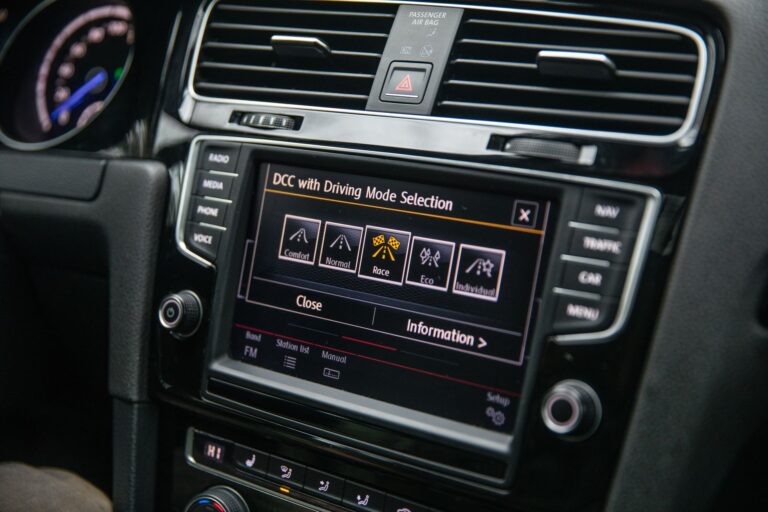
This electric performance cultivates a peaceful driving experience, especially during stop-and-go travels. You’ll find their driving modes fold seamlessly between petrol and electric with no need to plug in, letting daily trips feel smooth and effortless.
While pure-electric driving is mostly for light-throttle or coasting in urban settings, it’s still an important feature for reducing noise and emissions. Whether choosing the classic Yaris or the more spacious Yaris Cross, drivers gain these electric advantages.
- Improves quietness and ride comfort in city driving
- Enhances fuel economy, with both models using hybrid technology
- Allows pure-electric operation at low speeds for short bursts
- Uses thoughtful driving modes for effortless shifts
Fuel Efficiency and Range
Fuel efficiency plays a big role at the time of choosing between the Toyota Yaris and the Yaris Cross, especially for drivers who care about saving money and making fewer stops at the pump.
Both models share a hybrid powertrain using petrol as the main fuel type, which keeps maintenance costs low and delivers impressive mileage. While Toyota claims the Yaris can achieve around 3.3L/100km in lab conditions, real-world driving brings that closer to 5.0L/100km, still making it economical for city life.
The Yaris’s 36-litre tank suggests a theoretical range of almost 1100km, which reassures those with long weekly commutes.
The Yaris Cross, with its larger frame and refined hybrid system, strikes a balance between strong fuel efficiency and reduced emissions.
Technology and Features
Many drivers find comfort comprehending both the Toyota Yaris and Yaris Cross are packed with everyday technology that makes life easier, safer, and more fun.
Technology integration shapes each car, with strong safety and convenience features, but the Yaris Cross pushes technology and feature comparison a little further for active lives in mind.
- Both models use a series-parallel hybrid system, drawing on Toyota’s hybrid knowledge to balance electric and petrol power automatically.
- Yaris Cross adds advanced driver assistance technology, offering easier parking and maneuvering, especially helpful in city traffic or tight spots.
- Both cars have eCVT automatic transmission for smooth, efficient travels, while the Yaris Cross delivers heightened driving visibility for added confidence.
- Everyday usability is supported by systems that prioritize comfort, safety, and intuitive controls, helping every drive feel relaxed and supported.
Practicality and Versatility
Everyday life brings all sorts of jobs, like shopping for groceries, picking up kids, or squeezing into a parking spot in the city.
Once contemplating practical features versus usability, the Yaris wins for slipping easily into tight spaces, making city parking stress-free. Its compact shape turns narrow roads and busy lots into less of a headache.
For heavier tasks, like large family shops or hauling sports gear, the Yaris Cross steps in with a spacious boot and flexible rear seats that fold flat.
Its higher ride makes loading easier, while the roomy cabin creates comfort for passengers and more cargo possibilities.
Whether maneuvering school pickups or weekend outings, the Yaris Cross’s taller stance and better visibility add reassurance on unpredictable city streets, expanding daily versatility.
Market Position and Competitors
Although both the Toyota Yaris and the Yaris Cross are grounded in reliability, their market positions reflect different kinds of everyday needs.
The Yaris appeals to a target audience seeking an affordable, efficient hatchback for city life, while the Yaris Cross targets those who want extra flexibility and space at a higher price point, aiming for small SUV buyers.
The pricing strategy of the Yaris Cross sets it above the Yaris, with a higher starting price to reflect its SUV-inspired design, advanced features, and increased versatility.
- Yaris Cross is priced between £26,050 and £34,450, positioning it above the Yaris hatchback.
- Competitors for Yaris Cross include Ford Puma, Nissan Juke, Renault Captur, Skoda Kamiq, and Volkswagen T-Cross.
- Yaris Cross shares foundations and its hybrid system with the Lexus LBX, broadening its appeal.
- Both vehicles attract buyers seeking Toyota’s renowned reliability yet differ in their approach to style, size, and utility.