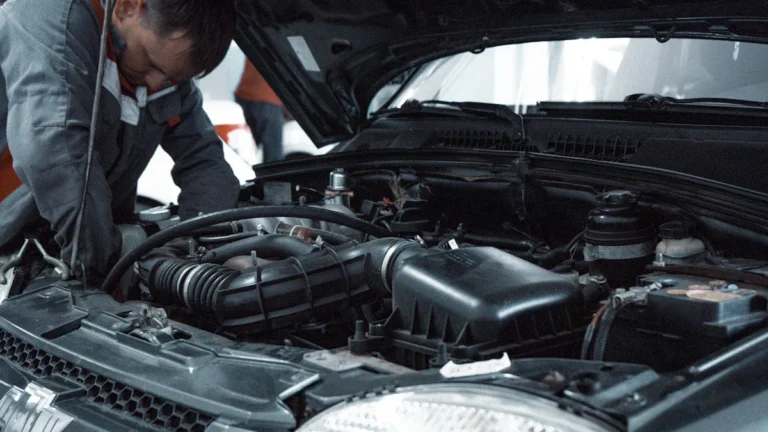
Trouble code P0442 means a small leak in the EVAP system that lets fuel vapors escape. It usually comes from a loose or damaged gas cap, cracked or brittle hoses, or a faulty purge or vent valve. Signs include a check engine light, faint fuel smell, slight rough idle, or occasional hissing. Simple fixes are tightening or replacing the cap, inspecting and replacing hoses, and bench-testing valves. A smoke test helps find tiny leaks and offers next steps should the light stays on, and more practical tips follow.
What P0442 Means and How the EVAP System Works
A small warning light can cause big worry, but P0442 is simply a code that points to a small leak in the vehicle evaporative emissions system, often called the EVAP system.
The EVAP overview explains how fuel vapors are kept from escaping into the air. It captures vapors in a charcoal canister and routes them to the engine to burn later.
System components include the filler cap, purge valve, vent valve, charcoal canister, and related hoses. Each part works together so the system stays sealed.
A person reading this will feel included, aware that many drivers share the same issue. Clear steps follow naturally from grasping these parts, making repair choices less intimidating and more collaborative.
Common Causes of a Small EVAP Leak
After grasping how the EVAP system traps and returns fuel vapors, it helps to look at what commonly causes a small leak so readers feel less worried and more prepared. Small leaks often come from simple wear or damage. A loose gas cap, cracked vacuum line, faulty purge valve, worn O ring, or plastic degradation in connectors can let vapors escape. A vacuum leak from aging hoses is common and fixable. The tone reassures people that many issues are shared and solvable, inviting collective problem solving.
| Cause | Typical Spot | Emotional observation |
|---|---|---|
| Loose gas cap | Fuel neck | Easy hope |
| Cracked hose | Vacuum lines | Shared frustration |
| Worn O ring | Filler pipe | Gentle relief |
| Plastic degradation | Connectors | Care needed |
| Faulty valve | Purge system | Team effort |
Symptoms That Indicate Code P0442
Drivers could notice small changes long before the check engine light makes an appearance, and those changes often point toward trouble code P0442.
People might sense faint fuel odors near the vehicle or after fueling.
The engine could run a bit rough at idle or have slight hesitation during acceleration.
Reduced fuel efficiency can appear without other obvious causes.
Dashboard alerts might come on briefly or stay lit, creating worry and a desire for clear next steps.
Mechanics often find that small vacuum leaks or cracked EVAP hoses create these subtle signs.
Friends who share car tips reassure each other that prompt attention helps.
Simple inspections and listening for hissing sounds can bring comfort and guide the next repair step.
How a Loose or Damaged Gas Cap Triggers P0442
Small signs like a faint fuel smell or a brief check engine light can point toward problems with the EVAP system, and one of the simplest causes is a loose or damaged gas cap.
A loose cap lets vapors escape, causing a fuel odor and tripping sensors that monitor pressure.
Cap wear can let seals fail, so small damage matters.
Drivers who care for their cars often spot this sooner and feel relieved fixing it is simple.
- Reassurance: tightening the cap often stops the warning and restores calm.
- Belonging: sharing tips with others builds confidence and keeps everyone safer.
- Action: inspect threads, replace worn caps, and retest the system to clear the code.
Inspecting EVAP Hoses, Lines, and Clamps
Inspecting EVAP hoses, lines, and clamps is a hands-on check that can quickly calm worries whenever a P0442 code appears. The writer notes how to follow vacuum line routing with care, tracing each hose from the tank to the charcoal canister. Look for cracks, soft spots, and pinch points. Check clamp corrosion detection by tapping clamps and watching for rust flakes or loose fittings. Gentle hands help preserve fragile plastic lines and build trust between the reader and the task.
| What to inspect | Signs to watch for | Action |
|---|---|---|
| Hoses | Cracks, swelling | Replace if brittle |
| Lines | Wrong routing, kinks | Reroute neatly |
| Clamps | Rust, looseness | Tighten or replace |
Transitioning, the next step tests components connected to these lines.
Testing the EVAP Purge and Vent Valves
Begin locating the purge and vent valves, then prepare to test them methodically. The technician checks each valve visually, then moves to valve bench testing and electrical diagnostics. Hands-on testing helps the reader feel part of the repair team. Simple steps follow.
- Listen for clicks whenever applying 12 volts to the purge valve. Confidence grows with a clear sound.
- Probe the vent valve wiring for continuity. Shared effort brings reassurance.
- Swap a known good valve provided available to confirm behavior. Trust builds through doing.
The narrative links bench checks and wiring tests so the reader sees how they work together. Friendly tone keeps the process welcoming. Small victories along the way nurture belonging and calm.
Using a Smoke Machine to Find Small Leaks
Before starting a smoke test the technician prepares the machine and checks connections so the tool is safe and ready to use.
They then run smoke through the EVAP system while carefully inspecting components like hoses, valves, and the charcoal canister to spot any smoke escape.
Via watching where smoke appears and how it behaves the technician can interpret patterns to find small leaks and decide the next repair steps.
Preparing the Smoke Machine
A calm, step-by-step approach helps while preparing a smoke machine to find small evaporative system leaks. The technician organizes tools, reviews safety briefing notes, and checks smoke calibration before any work begins. This builds trust and keeps the team connected.
- Check fluid and battery levels to avoid interruptions.
- Confirm hoses and fittings are clean and secure to prevent false readings.
- Run a brief test cycle to verify steady smoke flow and correct pressure.
Next, the technician explains roles so everyone feels included and confident. They use simple cues and steady pacing, which reduces anxiety and encourages questions. Proper setup links to accurate diagnosis, so careful preparation matters. Small details yield reliable results and shared success.
Inspecting EVAP Components
With steady hands and a calm voice, the technician moves from setup into the garage light and begins inspecting EVAP components using the smoke machine, cognizant that careful observation will find small leaks others could miss.
The technician watches seams, hoses, and fittings whenever colleagues nod in quiet support.
They pair sensor diagnostics with smoke checks to confirm whether a fault code comes from a bad sensor or a real leak.
Hands check clamps and connectors next.
Connector cleaning is done gently so parts stay intact and electrical paths remain reliable.
The team shares tips and stays patient whenever the leak hides.
Each small finding gets recorded, and the combined effort helps everyone feel included in solving the P0442 puzzle together.
Interpreting Smoke Patterns
After checking hoses, clamps, and connectors, the technician moves the smoke machine into position and watches how the vapor behaves to find tiny EVAP leaks. The smoke signature reveals subtle flows and sudden bursts. Observing where vapor lingers or escapes builds a clear map for leak mapping. The team feels relief whenever patterns line up with expectations and each small success strengthens trust.
- Seeing a thin trail calms anxiety and confirms the problem is findable.
- Watching a plume gather brings hope and a plan.
- Noticing scattered traces connects the dots and invites collaboration.
The method is patient and kind. Shared findings make everyone feel included. Step by step, the crew follows trails, marks spots, and fixes with care.
Quick DIY Fixes You Can Try at Home
A homeowner can often fix a P0442 trouble code with a few careful checks that do not require a shop.
Start by confirming the gas cap is tight and in good condition, then inspect EVAP hoses for cracks or loose connections and gently replace any suspect hose.
Should those steps not clear the code, consider swapping a faulty purge or vent valve as the next simple DIY repair that many people handle with basic tools.
Check Gas Cap Tightness
Tightening the gas cap is an easy initial check whenever a P0442 code appears, and it often fixes the problem without a trip to the shop.
The owner can firstly feel welcome in tackling this small task. A loose fuel cap lets vapor pressure escape, which triggers the code. The step is quick and connects the person to caring for their car.
- Remove the fuel cap and inspect for cracks or dirt.
- Refit the fuel cap and turn until it clicks several times.
- Start the engine and drive for a short loop to let the system reset.
If the cap is damaged, replacing it restores proper sealing and vapor pressure control.
This simple check builds confidence prior to moving to more complex checks.
Inspect EVAP Hoses
With the gas cap checked and replaced in case needed, the next step looks at the EVAP hoses that link the fuel tank and charcoal canister to the rest of the system.
A person inspects hose routing initially, following lines from the tank to the canister and to purge areas. They look for cracks, hard spots, pinches, and loose fittings. Gentle tugging reveals firm clamping or concealed tears. Provided a hose smells strongly of fuel, it likely needs attention. During evap diagnostics a simple smoke test or even a visual pressure check helps pinpoint leaks.
The tone stays reassuring and inclusive, reminding readers that mistakes happen and that many owners learn this skill. Clear photos and steady hands make this task feel achievable and safe.
Replace Faulty Valve
Begin locating the faulty valve and getting comfortable with its position and connections, since clear eyes make the job easier and less stressful. The person removes panels and notes wiring. They feel part of a small team fixing this together. They order a correct valve replacement and gather basic tools. Next they swap the valve, keep parts organized, and secure connectors. Then they perform actuator calibration so the system reads accurately. Gentle patience helps.
- Feel reassured whenever parts match and fit snugly.
- Celebrate small wins like tight clamps and steady clips.
- Ask a friend to double check hose seating for confidence.
This routine keeps things simple and welcoming. It teaches careful work, builds shared trust, and restores normal car rhythm.
When to See a Professional Technician
Often a driver notices the P0442 code and feels worried, and that worry is valid because small vapor leaks can lead to bigger problems should they be ignored. The writer recommends clear choices about When to seek help and When Not to delay. Technician Choice matters; pick a friendly shop that explains Diagnostic Timing and listens. Community feeling helps drivers feel welcome while decisions are made.
| Sign to See Tech | Urgency | What They Check |
|---|---|---|
| Persistent code | High | EVAP system |
| Fuel smell | High | Leak detection |
| Failed gas cap try | Medium | Cap and vent |
| Intermittent alert | Low | Monitor and log |
| Rough idle present | High | Broader engine scan |
A trusted technician gives calm guidance and involvement so the driver feels supported.
Preventive Maintenance to Avoid Future P0442 Errors
Routine EVAP system inspections can catch small faults before they trigger a P0442 code, and a technician can gently explain what to watch for so owners feel supported.
Regular checks should include a careful look at hoses and connections, and worn or cracked hoses must be replaced promptly to prevent leaks.
Together these steps create a simple maintenance plan that reduces anxiety and helps keep the vehicle running reliably.
Regular EVAP Inspections
Regular checks of the EVAP system help prevent the frustration and expense of a P0442 code from popping up unexpectedly. The vehicle owner feels part of a caring group whenever seasonal inspections use checklist templates and simple steps. A friendly technician can guide them through visual checks, smoke tests, and cap inspections. Clear records build confidence and reduce guesswork.
- Inspect seals and fittings for cracks and loose clips to ease worry.
- Run a smoke test to find tiny leaks and restore peace of mind.
- Verify tank and vent valve operation so the owner feels supported.
These actions connect routine care with community knowledge, making maintenance feel safe and shared, and encouraging regular attention without fear.
Replace Worn Hoses
Upon checking for worn EVAP hoses, a careful homeowner can feel reassured via clear steps that are easy to follow and gentle whenever things go wrong.
The homeowner inspects hose materials for cracks, soft spots, and brittleness. They compare original rubber to upgraded synthetic options and choose what matches the vehicle and budget.
Next they note routing techniques that prevent kinks and chafing. They trace lines from the fuel tank to the purge valve and secure them with clamps or clips.
Whenever replacing hoses they cut cleanly, fit snugly, and test for leaks with a gentle pressure check. Neighbors or friends often help, offering tools and company. This shared work builds confidence and reduces the chance of future P0442 errors.