Few things are as frustrating as when your car alarm keeps going off. That persistent noise is embarrassing, and you need it to stop right now! When your car alarm going off, it demands immediate attention. This guide gives you 10 fast ways to silence your car alarm. You will also discover why car alarms often activate unexpectedly. Sometimes, it is faulty sensors or a low car battery. Other car alarms might be too sensitive. We help you quiet those noisy car alarms and understand their causes.
Key Takeaways
You can stop a car alarm quickly using your key fob, unlocking the driver’s door with a key, or starting the engine.
A low car battery, faulty sensors, or an open door, hood, or trunk can make your car alarm go off by mistake.
If simple fixes do not work, you can try disconnecting the car battery or pulling the alarm fuse as a last step.
If your car alarm keeps going off, a mechanic can help find and fix bigger problems with the alarm system.
Immediate Steps to Silence Your Car Alarm
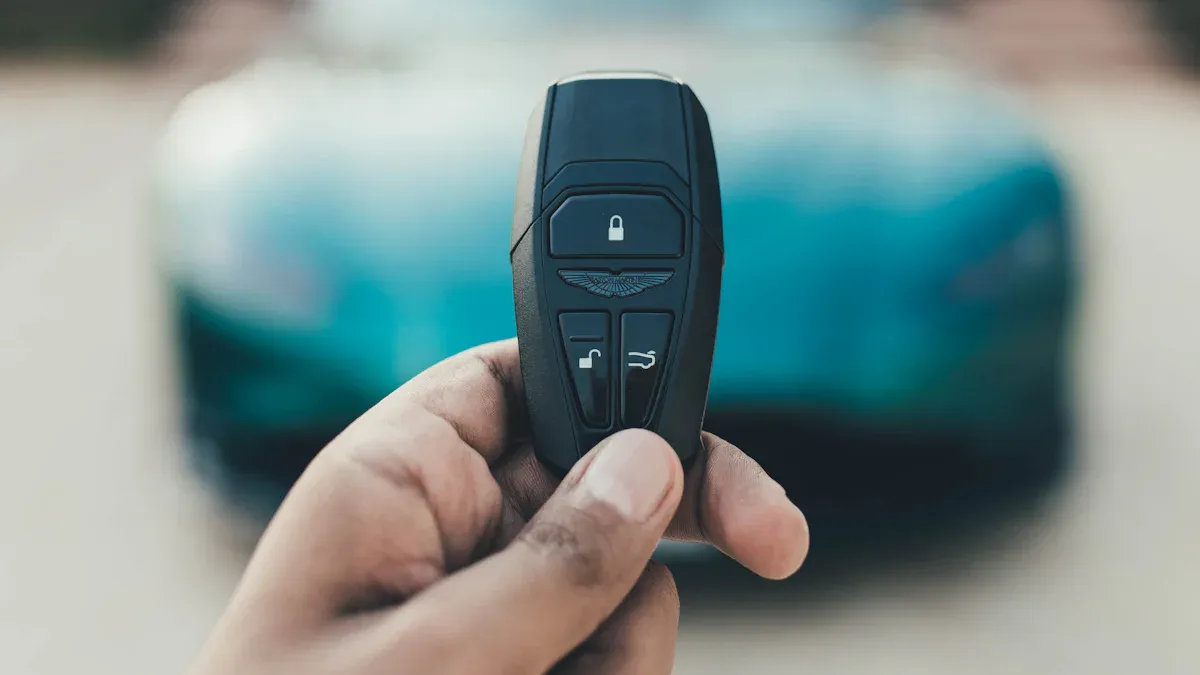
When your car alarm starts blaring, you need quick solutions. These immediate steps can help you silence the noise fast. You want to stop that annoying car alarm right away. False car alarms are a common problem, and they can be quite disruptive.
Use Key Fob to Stop Alarm
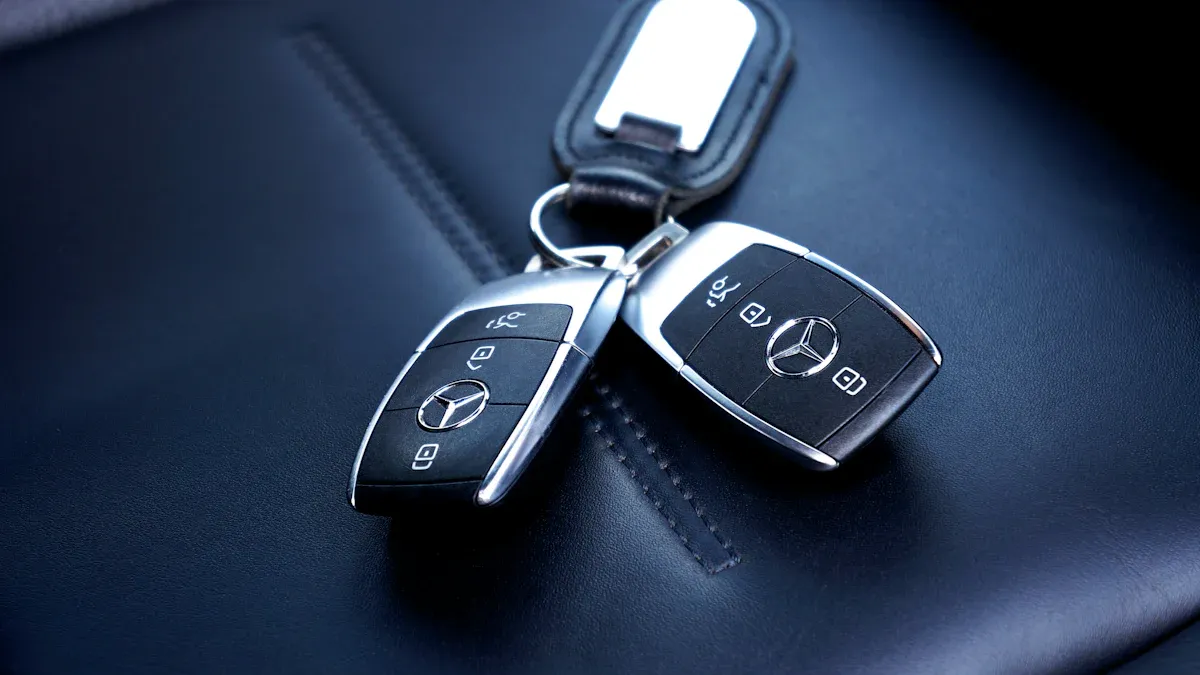
Your key fob is often the first and easiest way to silence a car alarm. Simply press the “unlock” button on your key fob. This usually tells your car’s system that you are the owner. It should turn off the car alarm. If that does not work, try pressing the “lock” button, then “unlock” again. Some key fobs also have a “panic” button. Pressing it again can sometimes stop the car alarm if it was accidentally activated. If your key fob seems unresponsive, a dead battery might be the problem. Consider replacing the key fob battery if this happens often. Many car alarms rely on a working key fob for proper function. This is one of the simplest ways to deal with annoying car alarms.
Manually Unlock Driver’s Door
What if your key fob does not work? You can try unlocking the driver’s door with your physical key. Insert the key into the door lock. Turn it to unlock the door. This action often disarms the car alarm system. It signals to the car that an authorized person is entering. This method is a reliable backup when electronic signals fail. It can stop many types of car alarms from sounding. Sometimes, physical entry is the only way to quiet those persistent car alarms.
Start the Engine
Starting your car’s engine is another effective way to silence a persistent car alarm. When you turn the ignition, your car’s computer recognizes you as the driver. This usually overrides the alarm system. Get into your car, insert the key, and turn it to the “on” position. Then, start the engine. This should stop the car alarm from sounding. This works because the car assumes you are driving it. It’s a common fix for many car alarms that go off unexpectedly.
Disconnect Car Battery
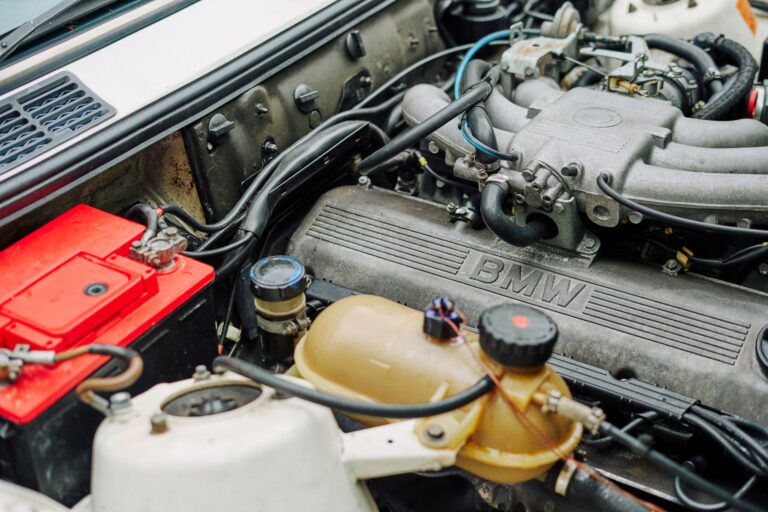
Disconnecting your car battery is a last-resort method. It will immediately silence any car alarms. You should only do this if other methods fail. It is a direct way to cut power to the entire system. This can stop even the most stubborn car alarms.
Here are the steps to safely disconnect your car battery:
Turn off the car’s ignition completely.
Locate the car battery. It is usually under the hood. Sometimes, you find it in the trunk.
Use a wrench to disconnect the negative cable from the battery terminal. This cable often has a minus (-) sign.
Wait for a few minutes. This allows the system to reset.
Reconnect the negative cable to the battery terminal.
Disconnecting the car battery, when performed correctly, will not typically cause significant damage to your vehicle. However, you might lose minor settings. For example, your radio presets could reset. You might also need to re-enter a security code for your radio. This is a small price to pay to stop those loud car alarms. It’s a guaranteed way to silence all car alarms, especially when other methods fail.
Troubleshooting Common Car Alarm Issues
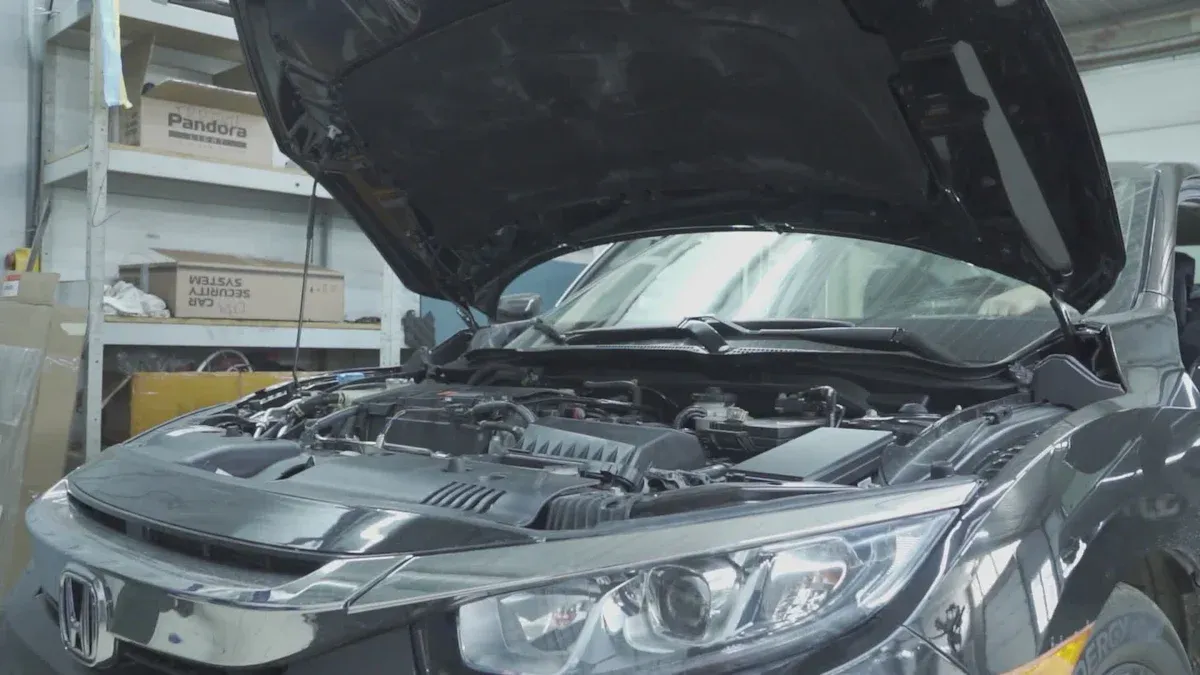
You have silenced your car alarm, but you want to prevent it from happening again. Now, let’s look at why your car alarm keeps going off. Many common issues can cause those annoying false alarms. Understanding these problems helps you find lasting solutions.
Check Doors, Hood, and Trunk Closure
Sometimes, your car alarm goes off for a simple reason: a door, the hood, or the trunk is not fully closed. Your car alarm system monitors these entry points. It uses sensors to detect if someone opens them. If a sensor malfunctions, perhaps due to dirt, moisture, or wear, it can falsely report an opening. A loose latch or a worn gasket can also trick the system. This false report then starts the car alarm, even if no one is tampering with your vehicle. Always double-check that all doors, the hood, and the trunk are securely latched. Give them a firm push to ensure they click into place. This simple check can often stop your car alarm from triggering the alarm unnecessarily.
Inspect for Faulty Sensors
Beyond simple closure issues, your car might have faulty sensors. These sensors are the eyes and ears of your car alarm system. They detect impacts, motion, or unauthorized entry. If a sensor becomes too sensitive, dirty, or damaged, it can send incorrect signals. This leads to false alarms. For example, a shock sensor might be set too high. Then, a loud truck driving by or a strong gust of wind could set off your car alarm. You can often adjust the sensitivity of these sensors. Check your car’s manual for instructions. Sometimes, cleaning a dirty sensor can also resolve the issue. Look for sensors on your windshield, inside the cabin, or near the wheels.
Disconnect Hood Sensor
A common culprit for a car alarm that keeps going off is a problematic hood sensor. This sensor detects if someone opens your car’s hood. If it’s faulty, it might think the hood is open when it’s actually closed. This triggers the car alarm. You can often temporarily disconnect this sensor to see if it stops the false alarms.
Tip: The hood sensor is usually located near the hood latch. For some models, like a 2019+ SK Forester, you will find the hood sensor/switch within the hood lock assembly. One owner even noted it on the passenger side of the hood latch, marked by an orange rubber stopper.
To disconnect it, locate the sensor and gently unplug the wire connector. This is a temporary fix. If it solves the problem, you know you need to replace the sensor.
Examine Aftermarket Alarm Systems
Did you install an aftermarket car alarm system? These systems can sometimes be more prone to issues than factory-installed ones. Poor installation can lead to wiring problems or incorrect sensor placement. Also, aftermarket alarms often have adjustable sensitivity settings.
If your car alarm keeps going off, check the installation. You might need to adjust the sensitivity. Consult the alarm system’s manual for specific instructions on how to do this. Sometimes, a professional installer can diagnose and fix problems with these car alarms. This provides lasting solutions.
Look for Low Car Battery Voltage
A low car battery can cause many unexpected electrical problems, including triggering the alarm. Your car’s electrical circuit voltage drops when the battery is weak. Modern car alarms monitor this voltage. A significant drop can look like someone is tampering with your electrical system. This can lead to the alarm activating, even if no real threat exists.
Note: Advanced alarm systems, like CarLock, even monitor your car’s battery health. If the voltage drops too low, they can send you an alert on your phone. This helps you catch a dying battery before it leaves you stranded. A weak battery sends erratic electrical signals. These signals can trick the car alarm into detecting a problem and causing false alarms.
How do you know if you have a low car battery? Look for these signs:
Battery Warning Light: A light on your dashboard often tells you about low voltage.
Flickering Headlights: If your headlights flicker within a minute of turning them on without the engine running, your battery might be weak.
Glitching Electronics: Your windows might hesitate, cabin lights might flicker, or Bluetooth connections could drop. This means the battery lacks enough power.
Rough Idling: Your engine might jolt slightly during the first minute after starting. The battery might not be supplying enough power to sensors.
Temperature Sensitivity: Your car struggles to start on cold mornings but starts fine during the day. This points to a weakening battery.
Battery Dead After Recharging: If your battery does not hold a charge, it is likely dying.
Weak Electrical Power: Dim headlights or sluggish radio, AC, or power windows show the battery is struggling.
Clicking Sound: A clicking sound when you turn the key means the battery sends too little current to the starter.
Slow Crank: The engine cranks slower than usual when you try to start it.
If you notice these symptoms, have your battery tested. You might need to charge or replace it. This can prevent your car alarm from triggering the alarm due to low power.
Advanced Solutions and Professional Help
You have tried the quick fixes and troubleshooting steps. Sometimes, your car alarm still acts up. When that happens, you need more advanced solutions. These steps can help you tackle stubborn car alarms. You might also need to know when to call in a professional.
Locate and Pull Alarm Fuse
If your car alarm keeps going off and nothing else works, you can try pulling its fuse. This cuts power to the car alarm system directly. It is a temporary solution, but it will silence the noise.
Here is how you can do it:
Find your fuse box. Your car usually has two fuse boxes. One is under the hood, near the battery. The other is inside the car, often under the dashboard or in the glove compartment. Check your car’s owner’s manual to find their exact locations.
Locate the alarm fuse. The fuse box cover usually has a diagram. This diagram shows what each fuse controls. Look for a fuse labeled “alarm,” “security,” or “horn.” If you cannot find a specific alarm fuse, you might need to pull the fuse for the horn. This will stop the sound, but your horn will not work either.
Carefully pull the fuse. Use a fuse puller tool, which often comes with your car’s fuse box. You can also use small pliers or tweezers. Pull the fuse straight out.
Remember, pulling the fuse disables your car alarm. Your car will not have that extra layer of security until you replace the fuse. This is a good way to stop the noise immediately. However, it does not fix the underlying problem that triggers the car alarm.
Reset the Alarm System
Sometimes, your car alarm system just needs a fresh start. Resetting it can clear glitches and restore normal function. The exact steps vary by car model and alarm type. You have a few general options to try.
You can try these basic key-based reset methods:
Unlock the driver’s door with your physical key. Insert the key into the driver’s door lock. Turn it to unlock. This action tells your car you are authorized. It can disable the security mode.
Use the ignition position to reset. Put your key in the ignition. Turn it to the “ON” position. Do not start the car. Wait about 10 to 15 minutes. This gives the system time to recognize your key and reset itself.
Perform multiple lock/unlock cycles. Use your physical key in the driver’s door. Complete three full lock and unlock cycles. Then, try to start your vehicle.
You also have electronic system reset procedures:
Reset key fob programming. Press and hold specific button combinations on your key fob. For example, you might hold the lock and unlock buttons at the same time for a few seconds. This can reset its programming.
Watch dashboard indicators. Look at your dashboard security lights. They might show specific flash patterns. These patterns can tell you the system’s status or if a reset is happening.
Allow the computer to relearn. Leave your key in the “ON” position for a longer time. This lets your car’s computer re-learn key authorization and security settings.
A more involved method is the battery disconnect reset:
Disconnect safely. First, disconnect the negative battery terminal. Then, disconnect the positive terminal. Wait 15 to 30 minutes. This allows all electrical systems to fully discharge and reset.
Reconnect properly. Reconnect the positive terminal first. Then, reconnect the negative terminal.
Reinitialize the system. After reconnecting, leave your key in the “ON” position for several minutes before starting the car. This allows all systems to initialize correctly.
Some aftermarket car alarms have their own specific reset steps. For example, if you have a ‘Code Alarm’ system, you might follow these steps:
Make sure your security system is disarmed. The ignition should be off.
Turn the ignition ON, then OFF, then ON again. Do this quickly, at about 1/2-second intervals. Do not start the vehicle. The status indicator will flash for Code Entry after two seconds.
Wait 5 seconds. Then, press the ARM button on the remote transmitter you want to program. The siren will chirp once. This confirms the system has learned your transmitter.
Repeat step 3 for any other remote transmitters you have.
Exit the Transmitter Programming Mode. Turn your vehicle ignition on, then off. Test all your remote transmitters.
These steps can often resolve persistent issues that trigger your car alarm.
When to Call a Mechanic
You have tried everything. Your car alarm still keeps going off. This is when you should call a professional mechanic. They have specialized tools and knowledge to diagnose complex problems.
Consider calling a mechanic if:
The alarm keeps triggering. You have tried all the solutions, but the car alarm still goes off randomly. This suggests a deeper issue.
You suspect electrical problems. Car alarms are part of a complex electrical system. If you think there is a wiring issue or a faulty computer module, a mechanic can help. They can safely test and repair these components.
You are uncomfortable with DIY fixes. Some steps, like disconnecting the battery or working with fuses, might seem daunting. It is always better to let a professional handle it if you are unsure.
Your car alarm system is aftermarket and complex. Aftermarket systems can be tricky. A mechanic specializing in car electronics can often pinpoint problems with these systems.
A professional can quickly identify the root cause of your car alarms. They can provide lasting solutions. This saves you time and frustration in the long run.
You learned fast ways to stop a car alarm, like using your key fob or starting the engine. But to prevent your car alarm keeps going off, you must find the real problem. This stops annoying false alarms. Regular checks help your car alarm work right. Always check door latches and clean sensors. Replace your key fob battery every 1 to 5 years. This helps avoid future false alarms and ensures your car alarm only goes off for the right reasons.
FAQ
How do I stop my car alarm without a key fob?
You have a few options. You can manually unlock the driver’s door with your physical key. This often disarms the system. Starting your car’s engine also usually silences the alarm. As a last resort, you can disconnect your car battery.
Why does my car alarm go off randomly?
Many things can cause this. You might have a faulty sensor or a low car battery. Sometimes, a door, hood, or trunk is not fully closed. Even a sensitive shock sensor can trigger it. Check these common issues first.
Can a dead key fob battery set off my car alarm?
No, a dead key fob battery usually won’t set off your car alarm. It just means you cannot disarm it with the fob. You will need to use your physical key or another method to stop the alarm. Replace the fob battery if it is dead.
How do I permanently disable my car alarm?
You can pull the alarm fuse. This disables the system. However, your car loses its security. For a permanent fix, a mechanic can diagnose and properly disable or repair the system. They can ensure no other issues arise.
Is it bad to disconnect my car battery to stop the alarm?
💡 Tip: Disconnecting your battery is a last resort. It stops the alarm immediately. You might lose radio presets. Your car’s computer might need to relearn some settings. It is generally safe if done correctly.