

Mazda CX-30 SUVs are primarily built in Mexico. This manufacturing location plays a significant role in the vehicle’s overall quality and affordability. When you consider purchasing a Mazda CX-30, knowing it is made in Mexico can influence your decision. The combination of skilled labor and advanced production techniques in this region contributes to the vehicle’s reputation for reliability and performance.
Key Takeaways
Mazda CX-30 SUVs are mainly built in Mexico and Japan, with the Salamanca plant in Mexico being the primary production site.
Understanding where your Mazda CX-30 is made can help you assess its quality and reliability, as some users report differences between models from Mexico and Japan.
You can find out where your Mazda CX-30 was built by checking the Vehicle Identification Number (VIN), specifically the first three characters.
Mazda’s global manufacturing strategy includes plants in Malaysia and the United States, allowing for efficient production and distribution.
User experiences vary, but many believe that quality control can maintain standards for vehicles made in Mexico, making them a viable option.
Manufacturing Locations
Mazda CX-30 SUVs are built in several key locations around the world. The primary sites include Mexico and Japan, each contributing uniquely to the production process.
Mexico Production
The Salamanca plant in Mexico serves as the main production facility for Mazda CX-30 SUVs. This location is significant for several reasons:
The Salamanca plant has existing infrastructure that supports the production of the Mazda3 sedan, which shares a platform with the CX-30.
Mexico’s strategic location facilitates efficient distribution to global markets, aided by commercial agreements with 45 countries.
In 2024, the Mazda CX-30 sold 234,295 units, marking a 16.7% increase in sales compared to the previous year. However, some users have expressed concerns about the quality of vehicles assembled in Mexico compared to those built in Japan. They indicate a perceived difference in quality control standards. For instance, one user noted that their CX-30, assembled in Mexico, has parts sourced from various countries, including Japan and Thailand. This suggests a diverse supply chain that may impact quality. Another user emphasized the importance of management in maintaining quality control across different manufacturing plants, hinting at potential variability in production standards.
Japan Production
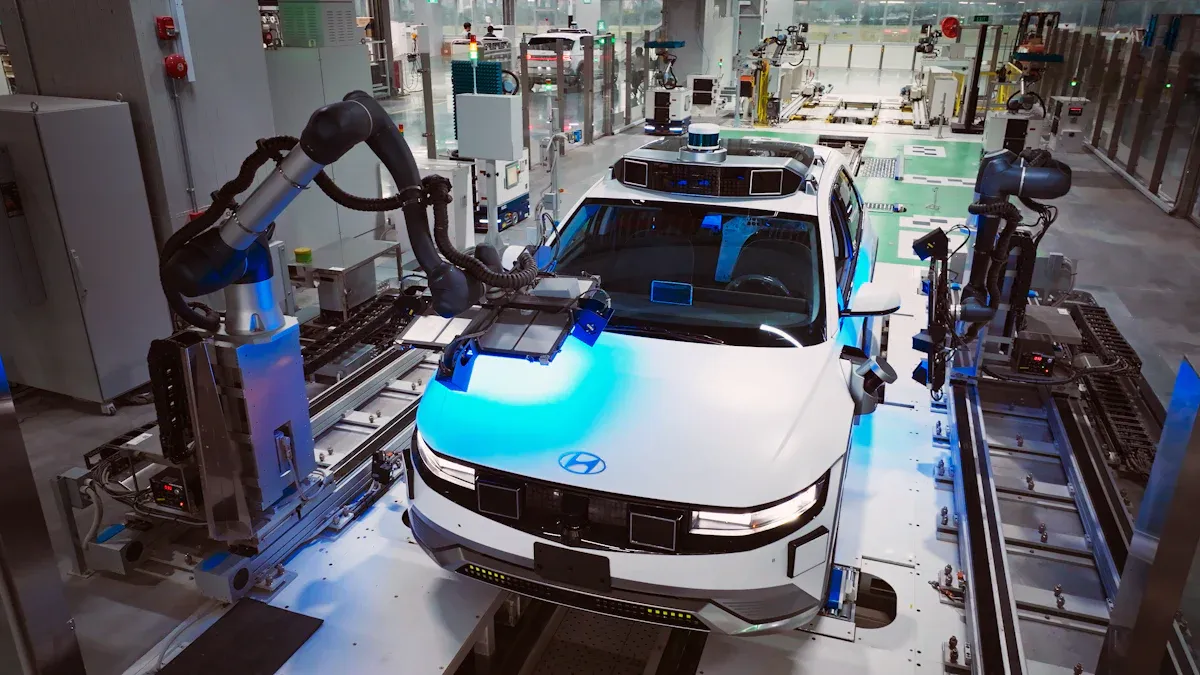
Mazda also produces CX-30 SUVs at its facility in Hiroshima, Japan. This plant is known for its advanced production techniques and high-quality standards. Here are some key features of the Japanese production facility:
Feature | Description |
|---|---|
Advanced Production Techniques | The facility utilizes flat palette platforms instead of fixed conveyors, allowing for flexible production. |
Flexibility in Manufacturing | Capable of producing various vehicle types, including all-electric and hybrid models on the same line. |
Use of Automatic Guided Vehicles | AGVs are employed to align and transport vehicles, enhancing efficiency and adaptability in production. |
Reduction in Production Processes | The new system has reduced the number of production processes by 40%, streamlining operations. |
Upgraded Facility | The Hofu H2 plant was upgraded in 2021 to accommodate larger vehicles and future EV models. |
Environmental regulations in Japan also influence the manufacturing process. Mazda embraces the concept of ‘Mottainai,’ which reflects its commitment to reducing waste and promoting sustainability. The company integrates renewable fuels into its production to lessen its environmental footprint. Additionally, Mazda employs advanced technologies to ensure compliance with stringent regulations, such as using a three-way catalytic converter to reduce emissions from gasoline engines.
Quality of Mazda CX-30 SUVs
User Experiences
When considering the quality of Mazda CX-30 SUVs, you may notice varying opinions based on where the vehicle was manufactured. Many users share their experiences, which can help you understand the differences between models made in Mexico and those produced in Japan.
Some users express concerns about the longevity of Mazdas made in Mexico compared to those made in Japan.
Others believe that the quality control standards for Mazdas manufactured in Mexico are maintained adequately.
There is a general sentiment that while there may be differences, the quality of Mazdas made in Mexico is not significantly worse than those made in Japan, provided quality control is upheld.
Some opinions suggest that cars made in Mexico are generally not as good as those made elsewhere, including Japan.
However, it is noted that Japanese vehicles made in Mexico are still considered better than those from GM and Ford made in Mexico due to superior engineering.
To give you a clearer picture, here are some common quality issues reported for Mazda CX-30 SUVs from different manufacturing locations:
Model Year | Common Issues Reported | Number of Complaints | Recalls |
|---|---|---|---|
2020 | Engine problems, battery failures, AEB issues | 17 | 3 |
2021 | Engine issues, visibility problems, electrical system issues | 74 | 2 |
These insights can help you make an informed decision when considering a Mazda CX-30 SUV. Understanding the experiences of other users can guide you in choosing a model that meets your expectations for quality and reliability.
Identifying Your CX-30’s Origin
To determine where your Mazda CX-30 SUV was built, you can check the Vehicle Identification Number (VIN). The VIN is a unique code that provides important information about your vehicle, including its manufacturing origin. Here’s how to decode it:
Locate the VIN: You can find the VIN in several places:
On the dashboard, under the windshield on the driver’s side.
On a sticker in the driver’s door jamb or pillar.
In your vehicle’s title, registration, or insurance documents.
Decode the VIN: The VIN consists of 17 characters, each providing specific information. Here’s a breakdown of the relevant sections:
Section | Description |
|---|---|
1-3 WMI | World Manufacturer Identifier: manufacturer/country |
4-8 VDS | Vehicle Description Section: model/body/systems/motor |
9 Check digit | Error-protection control digit |
10 Year | Specific code for the model year |
11 Plant | Assembly factory code |
12-17 Serial | Production sequence number |
For Mazda CX-30 SUVs, the WMI codes can help you identify the manufacturing location. For example:
WMI | Description |
|---|---|
3MV | Mazda de Mexico Vehicle Operation, Mazda multi-purpose passenger vehicle (Mazda CX-30) |
DM | CX-30 (’20-) |
If your VIN starts with “3MV,” your Mazda CX-30 was manufactured in Mexico. If it has a different WMI, it may have been produced in Japan.
By checking the VIN, you can gain insights into your vehicle’s origin. This information can help you understand the quality and features associated with your Mazda CX-30 SUV. Knowing where your vehicle was built allows you to make informed decisions about maintenance and potential resale value.
Mazda’s Global Strategy
Mazda employs a global manufacturing strategy that significantly impacts the quality and availability of its CX-30 SUVs. The company produces vehicles in both Japan and Mexico. Many consumers perceive Japanese-made vehicles as having superior build quality. This perception stems from Japan’s stringent manufacturing standards. In contrast, some customers report inconsistencies in vehicles assembled in Mexico. Issues like interior rattles and minor electrical problems can affect overall satisfaction.
Mazda’s strategy also includes production in other countries. For instance, the Kulim Plant in Malaysia assembles several models, including the CX-30. Here’s a quick overview of Mazda’s assembly locations:
Country | Facility Name | Models Assembled |
|---|---|---|
Malaysia | Kulim Plant (Mazda Malaysia Sdn. Bhd.) | CX-30, CX-5, CX-8 |
Additionally, Mazda has expanded its operations to the United States. A new plant in Alabama collaborates with Toyota to produce vehicles. This joint venture aims to enhance production efficiency. The annual production capacity for both companies is set at 150,000 SUVs, starting at the end of FY2021. Localized production reduces transportation costs and lead times, benefiting customers.
Mazda’s multi-country production approach allows the company to respond quickly to market demands. This flexibility helps maintain strong sales, even during market declines. The CX-30 has contributed significantly to this success, showcasing Mazda’s ability to adapt and thrive in a competitive landscape.
By understanding Mazda’s global strategy, you can appreciate how it influences the quality and availability of the CX-30 SUV. This knowledge can guide your purchasing decisions and expectations regarding the vehicle’s performance and reliability.
In summary, you learned that Mazda CX-30 SUVs are primarily built in Mexico and Japan. The Salamanca plant in Mexico plays a crucial role in production, while the Hiroshima facility in Japan is known for its high-quality standards. Understanding where your vehicle is manufactured can impact your perception of its quality. As a potential buyer, consider these factors when making your choice. Your decision can influence your satisfaction with the vehicle and its long-term reliability. 🚗✨
FAQ
What is the main manufacturing location for the Mazda CX-30?
Mazda primarily builds the CX-30 in Mexico, specifically at the Salamanca plant. This location plays a crucial role in the vehicle’s production and distribution.
Are there quality differences between CX-30s made in Mexico and Japan?
Some users report perceived quality differences. Generally, vehicles made in Japan are viewed as having higher quality standards, while those from Mexico may have some variability.
How can I find out where my Mazda CX-30 was built?
You can check the Vehicle Identification Number (VIN). The first three characters indicate the manufacturing location. For example, “3MV” means it was made in Mexico.
Does Mazda have other manufacturing plants outside of Mexico and Japan?
Yes, Mazda also produces vehicles in Malaysia and has expanded operations in the United States. These locations help meet global demand efficiently.
What should I consider when buying a Mazda CX-30?
Consider the manufacturing location, user reviews, and your personal preferences regarding quality and features. Understanding these factors can help you make an informed decision.



