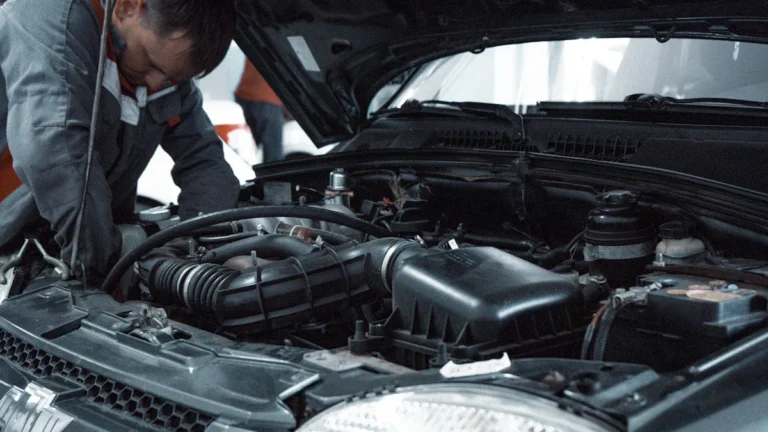
The wrench light ford on your dashboard is a vital warning. It differs from the check engine light. This ford wrench light specifically signals problems with your vehicle’s powertrain or transmission. A lit ford wrench light means you might experience performance issues. Your ford vehicle could even enter “limp mode” to prevent serious damage. This ford wrench light demands your immediate attention.
Key Takeaways
The Ford wrench light warns about problems with your car’s engine or transmission. It is different from the check engine light.
Common reasons for the wrench light include transmission issues, a bad throttle body, or engine problems. Sometimes, it is just a reminder for maintenance.
You can check transmission fluid or try a temporary system reset. These steps might help, but they do not fix the main problem.
A flashing wrench light means a serious problem. You should stop driving and get professional help right away. Ignoring the light can cause more damage.
Professional diagnostic scans help find the exact cause of the wrench light. This ensures your car gets the correct repair.
Understanding the Wrench Light Ford
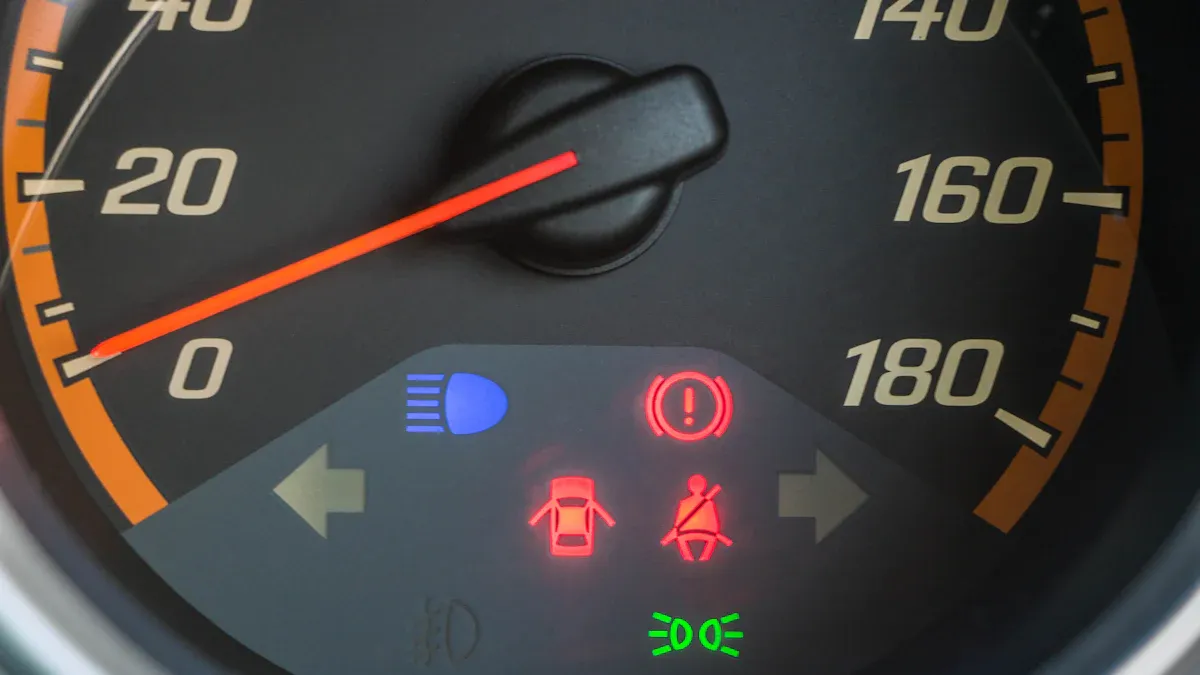
Powertrain Malfunction Indication
The ford wrench light tells you about problems with your vehicle’s powertrain. This system includes your engine, transmission, and drivetrain. It also covers the four-wheel-drive system if your ford has one. When you see this powertrain malfunction indicator light, it means your ford detects a malfunction in these critical areas.
Sometimes, your ford might enter “limp mode.” This mode protects your vehicle from more damage. Your ford limits engine power and speed. You might notice reduced acceleration or a lower top speed. This happens to get you to a service center safely.
Many issues can trigger the ford wrench light. These include:
Faulty throttle body
Transmission issues
Failed sensors
Electronic control module (ECM) failure
Low battery voltage
Loose or damaged electrical connections
Other problems can also cause a powertrain malfunction. For example, low battery voltage can make your powertrain control module (PCM) limit fuel injection. An excessive difference between engine oil and coolant temperature often points to a clogged oil cooler. A turbo overboost condition or low fuel level can also cause a malfunction. Problems with electronic throttle control or biased sensors are also common.
Wrench Light vs. Check Engine Light
You might confuse the ford wrench light with the check engine light. They are different. The check engine light usually signals emissions-related problems. These can be minor, like a loose gas cap. The wrench light focuses on your ford‘s core mechanical systems. It specifically warns you about a powertrain malfunction. This means issues with how your engine delivers power to the wheels. The powertrain malfunction light is a more urgent warning for performance-critical components.
Common Causes of the Ford Wrench Light
When your ford wrench light illuminates, it signals a problem. Many issues can trigger this important warning. Understanding these common ford wrench light triggers helps you address the problem quickly. These issues range from serious transmission problems to simple maintenance reminders.
Transmission System Issues
Transmission problems are a very frequent reason for the ford wrench light to appear. Your vehicle’s Power Control Module (PCM) and Engine Control Module (ECM) constantly monitor the transmission. They detect faults within this system. When they find an issue, the powertrain malfunction light comes on. You might notice specific symptoms. For example, your transmission could miss a gear when you accelerate lightly, especially in 3rd or 4th. The engine revs up, then skips the gear. It might only shift when you ease off the accelerator. Sometimes, the ford wrench light comes on, and your vehicle gets stuck in 4th gear. It cannot shift higher. A diagnostic scan might show a code like P0766, which points to a shift solenoid problem.
Low transmission fluid is another common culprit. This can cause several noticeable issues:
Delayed or Rough Shifting: Your vehicle takes longer to engage gears. Shifts might feel jarring.
Slipping Gears: The transmission unexpectedly changes gears. You might lose power or see sudden RPM surges without increased speed.
Fluid Leaks: Look for red or brownish fluid under your vehicle. This indicates a leak, leading to low fluid levels and potential overheating.
Unusual Noises: You may hear whining, clunking, or grinding sounds from the transmission area.
Sluggish Acceleration: Your vehicle responds slowly when you press the gas pedal. Overall performance decreases.
Burning Odor: A burning smell, especially with other symptoms, suggests your transmission is overheating.
Fluid Discoloration: Transmission fluid that looks brown or smells burnt is old and contaminated.
No Shifting at All: If gears fail to engage, your vehicle cannot move. This suggests a complete lack of transmission fluid.
Overheating, faulty transmission sensors (like the transmission range sensor), and solenoid problems also frequently cause a powertrain malfunction.
Throttle Body Malfunctions
A faulty or dirty throttle body often triggers the ford wrench light. The throttle body controls the amount of air entering your engine. A problem here directly affects engine power and acceleration. Mechanics at ford dealerships frequently see dirty or failed throttle bodies. This is a common issue, especially in models like the 2013 Edge with 3.5L V6 engines. A bad throttle body can cause your car to stall. If the problem is severe, your vehicle might not run at all. Some service managers even point to a design flaw in older throttle bodies.
Ford has addressed these issues. They issued Technical Service Bulletins (TSBs) for certain models. For example, the 2011-2012 Ford Edge, MKX, and Mustang had documented TSBs related to throttle body malfunctions. Ford’s Customer Satisfaction Program 16B23 specifically addresses electronic throttle body (ETB) malfunctions. This program replaces the ETB due to potential contamination of internal motor contacts. This contamination increases electrical resistance. It can cause the wrench light ford to illuminate. Your vehicle might enter a reduced power mode. Dealers replace the ETB on affected vehicles at no cost. It is important to note that Ford’s service manual states you should not clean throttle bodies. Doing so may void your warranty.
Engine Performance Problems
Various engine performance issues can also activate the ford wrench light. These problems indicate a malfunction in how your engine operates.
Misfires: When one or more cylinders do not fire correctly, your engine runs rough.
Dirty Mass Airflow (MAF) Sensors: A dirty MAF sensor provides incorrect air readings to your engine. This leads to several problems:
Acceleration Lag: Your vehicle’s acceleration lags, and the engine stutters at higher speeds.
Black Exhaust Smoke: Too much fuel in the combustion chamber causes black smoke.
Poor Fuel Economy: An incorrect air-fuel mixture significantly reduces fuel efficiency.
Rough Engine Idle: Excess air in the combustion chamber causes an unstable idle.
Surging/Bucking Engine: Too much fuel can make your engine surge or buck.
O2 Sensor Failures: Faulty oxygen sensors send incorrect data about exhaust gases. This affects fuel mixture.
Ignition System Issues: Problems with spark plugs, ignition coils, or wires can cause misfires.
The ford wrench light often illuminates when your engine must reduce fuel delivery. This happens due to high oil or coolant temperatures. This puts your vehicle into “limp mode.” Your speed becomes severely restricted, sometimes to as low as 10 mph. A significant temperature difference (more than 15 degrees) between engine oil and coolant suggests a clogged oil cooler. Oil temperatures exceeding 245 degrees Fahrenheit also point to this issue. A clogged oil cooler can lead to other component failures.
Routine Maintenance Reminder
Sometimes, the ford wrench light acts as a simple reminder. It can indicate overdue service. This includes an oil change. If you recently had an oil change but the reminder was not reset, the light might still appear. Always check your maintenance schedule. Ensure all services are up to date.
Minor Sensor or Cap Issues
Less severe issues can also trigger the ford wrench light. A loose gas cap is a common example. If your ford has a capless fuel system, a bad seal can cause a similar malfunction. Other faulty sensors, not directly related to the powertrain, can sometimes confuse the system. This leads to the light illuminating. Always check these simple things first.
Quick Fixes for the Ford Wrench Light
When the wrench light ford appears, you can try some immediate steps. These actions might help you understand the problem or temporarily clear the light. They can also help prevent more damage.
Checking Transmission Fluid
Checking your transmission fluid is a good first step. Low fluid often causes the ford wrench light.
Warm up your vehicle. Start the engine. Place it in park. Open the hood.
Find the transmission fluid dipstick. It is usually near the oil dipstick on front-wheel-drive cars. You can also check your owner’s manual.
Remove the dipstick. Look at the fluid’s color, look, and smell. It should be clear. If it is dirty or smells burnt, you need service.
Wipe the dipstick clean. Put it back in. Pull it out again to check the fluid level. Add more fluid if it is below the ‘Full’ mark.
Use a funnel to add fluid. Do not overfill it. For manual transmissions, checking fluid is different. You need a jack to reach a plug under the car. You can ask a service department for help if you prefer not to do this yourself. Remember, not all transmission fluid is the same. Your owner’s manual tells you the correct type for your ford.
Inspecting for Obvious Problems
Look for any clear issues. You might see other warnings on your dashboard. These could be high voltage battery warnings or multiple visual warnings if your truck will not start. A check engine light often points to a PCM problem. These visual cues can help with ford wrench light repair.
Temporary System Reset
You can try a temporary system reset. This might clear the ford wrench light.
Turn on the ignition. Do not start the engine.
Press and hold both the gas and brake pedals for 30 seconds.
Release the pedals. Turn off the car. This often clears the light. This method has cleared the light after an oil change. However, the ford wrench light may come back later.
Reducing Vehicle Stress
Drive gently if the light is on. Avoid hard acceleration or heavy loads. This reduces stress on your powertrain. It can prevent further damage until you get a proper repair.
Consulting Your Owner’s Manual
Always check your owner’s manual. It has specific information for your ford model. It can guide you on fluid types and what different warning lights mean. This helps you understand the problem and plan for repair.
Ford Wrench Light Diagnosis and Professional Help
When your ford wrench light comes on, you need to understand what to do next. Sometimes, quick fixes work. Other times, you need professional help. Proper ford wrench light diagnosis is key to keeping your ford running well.
Persistent Wrench Light
A ford wrench light that stays on needs your attention. Do not ignore it. Ignoring a persistent ford wrench light can lead to more extensive damage and costly repairs. Addressing the issue promptly is crucial. It can save you time, money, and stress. The ford wrench light indicates underlying problems. These problems require immediate attention. Neglecting it can severely impact your truck’s health. You need a thorough ford wrench light diagnosis to find the root cause. This helps you plan the correct repair.
Noteworthy Performance Issues
Pay close attention to how your ford drives. Does it feel different? You might notice reduced power or strange shifting. These are signs of a serious problem. If your ford shows these symptoms, seek professional diagnosis right away. A proper ford wrench light diagnosis helps pinpoint the exact issue. This ensures you get the right repair.
Flashing Wrench Light Severity
A flashing ford wrench light is a very urgent warning. It means a severe powertrain malfunction. This type of malfunction needs immediate attention. Pull over safely as soon as you can. Continuing to drive with a flashing ford wrench light can cause major damage. You should have your ford towed to a service center for a complete ford wrench light diagnosis.
Importance of Diagnostic Scans
Professional diagnosis often involves a diagnostic scan. Technicians use special tools. These tools connect to your ford‘s computer. They read trouble codes. These codes tell them why the powertrain malfunction light is on. A diagnostic scan provides accurate information. It helps identify the specific malfunction. This is the most effective way to get a correct ford wrench light diagnosis and plan for repair.
The wrench light ford is a serious warning. It signals powertrain or transmission problems. Sometimes, it is just a maintenance reminder for your ford. You must understand its meaning. Identify common causes. Know immediate actions. Timely attention is crucial. Use quick fixes or professional diagnosis. This prevents further damage. It ensures your ford‘s longevity and safe operation. The ford wrench light helps you keep your vehicle healthy. A persistent ford wrench light needs quick action. Do not ignore the ford wrench light. Your ford wrench light is important.
FAQ
What does the Ford wrench light mean?
The Ford wrench light signals a problem with your vehicle’s powertrain or transmission. It indicates a malfunction that needs attention. You should investigate the issue to prevent further damage and ensure proper repair.
Can I drive with the wrench light on?
You can drive short distances if the light is solid and your vehicle shows no performance issues. If the light flashes or you notice reduced power, stop driving. Get immediate repair to avoid serious damage.
How do I reset the wrench light?
You can try a temporary reset. Turn the ignition on without starting the engine. Press and hold both the gas and brake pedals for 30 seconds. Release them. This might clear the light, but it does not fix the underlying problem. You still need a proper repair.
Why is professional diagnosis important for the Ford wrench light?
A professional ford wrench light diagnosis identifies the exact cause of the problem. Technicians use specialized tools to read trouble codes. This ensures you get the correct ford wrench light repair. It prevents guesswork and ensures a lasting repair.