The VSC light on your Lexus GS300 indicates a potential issue with the Vehicle Stability Control system. This system is crucial for maintaining stability on slippery surfaces and collaborates with emergency braking to ensure your safety. To optimize your vehicle’s performance, it’s important to reset the VSC light, and you can accomplish this easily at home with a few simple steps.
Key Takeaways
Resetting the VSC light can be done at home using either the battery disconnection method or an OBD-II scanner. Choose the method that suits your comfort level.
Gather essential tools like a wrench set and screwdriver before starting. Optional tools like an OBD-II scanner can enhance the process and provide more insights.
If the VSC light remains on after resetting, check for common issues like wheel speed sensors or dirt buildup. Ignoring the light can lead to safety risks and costly repairs.
Tools to Reset the VSC Light
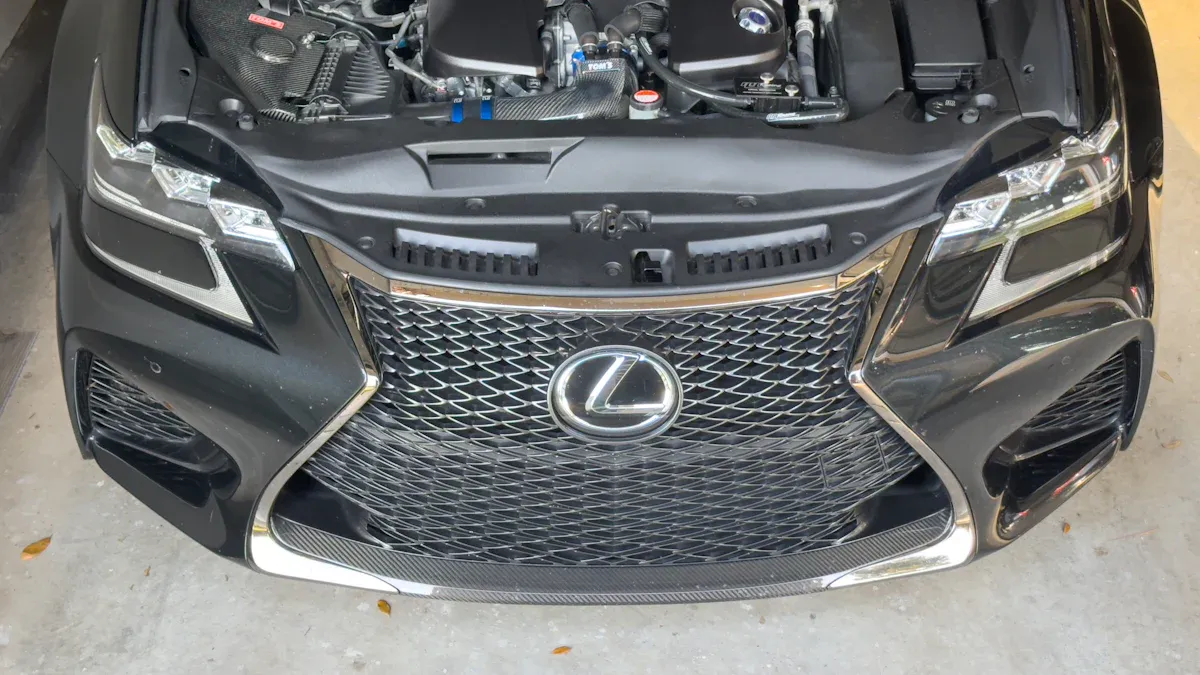
When it comes to resetting the VSC light on your Lexus GS300, having the right tools can make the process smoother. Here’s a breakdown of what you’ll need.
Basic Tools
To get started, you’ll need a few essential tools that are likely already in your garage:
Wrench Set: A basic wrench set will help you disconnect the battery if you choose that method.
Screwdriver: A flathead or Phillips screwdriver can assist in removing any covers or panels if necessary.
Flashlight: Good lighting is crucial, especially if you’re working in a dim area.
These tools will help you perform the reset without any hassle.
Optional Tools
If you want to take your reset process to the next level, consider these optional tools:
OBD-II Scanner: This handy device connects to your car’s diagnostic port. It allows you to read error codes and reset the VSC light more effectively. Using an OBD-II scanner can save you time and provide more insight into your vehicle’s health.
Battery Charger: If you plan to disconnect the battery for 15-20 minutes, having a battery charger on hand can keep your battery from losing charge during the process.
Using these optional tools can enhance your experience and make it easier to reset the VSC light. Remember, while the basic tools will get the job done, the optional tools can provide additional benefits, especially for advanced users.
Summary
In summary, gathering the right tools is the first step in resetting the VSC light on your Lexus GS300. Whether you stick with the basics or opt for some advanced equipment, being prepared will make the process much easier.
Reset the VSC Light Steps

Resetting the VSC light on your Lexus GS300 can be done using two main methods: the battery disconnection method and the OBD-II connector method. Let’s dive into each method step-by-step.
Battery Disconnection Method
This method is straightforward and can often reset the VSC light effectively. Here’s how to do it:
Turn Off Your Car: Make sure your vehicle is completely off before you start.
Wait for the Engine to Cool: It’s important to let your engine cool down to avoid burns.
Disconnect the Battery:
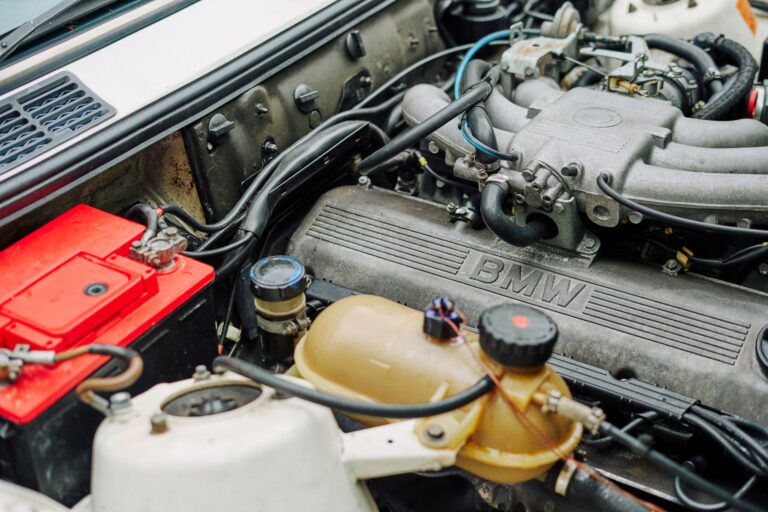
Use your wrench to loosen the negative terminal (usually marked with a minus sign).
Carefully remove the cable from the battery terminal.
Wait for 10 Minutes: This allows the car’s computer to reset.
Reconnect the Battery:
Place the negative cable back onto the terminal and tighten it securely.
Start Your Car: Turn on the ignition and check if the VSC light has turned off.
Tip: Always turn your car off before touching the battery to reduce the risk of electrocution. Disconnecting the battery can reset the car’s computer system and clear the ‘Check VSC’ message. However, this is only a temporary solution, as it doesn’t fix any underlying issues. Some users have found success with this method, while others suggest that it may not be effective if there are persistent problems with the VSC system.
OBD-II Connector Method
If you prefer a more technical approach, using an OBD-II scanner can be very effective. Here’s how to reset the VSC light using this method:
Turn Off Ignition: Ensure your car is off before proceeding.
Locate the OBD-II Connector: It’s usually found under the dashboard near the driver’s seat. You might see a black plastic cover that you can pull out.
Prepare a Jumper Wire: You’ll need a 4-inch wire for this step.
Insert the Jumper Wire:
Insert one end into pin number 3 on the top row of the OBD-II connector.
Insert the other end into pin number 5 on the bottom row.
Turn ON the Ignition: Do not start the engine; just turn the key to the ON position.
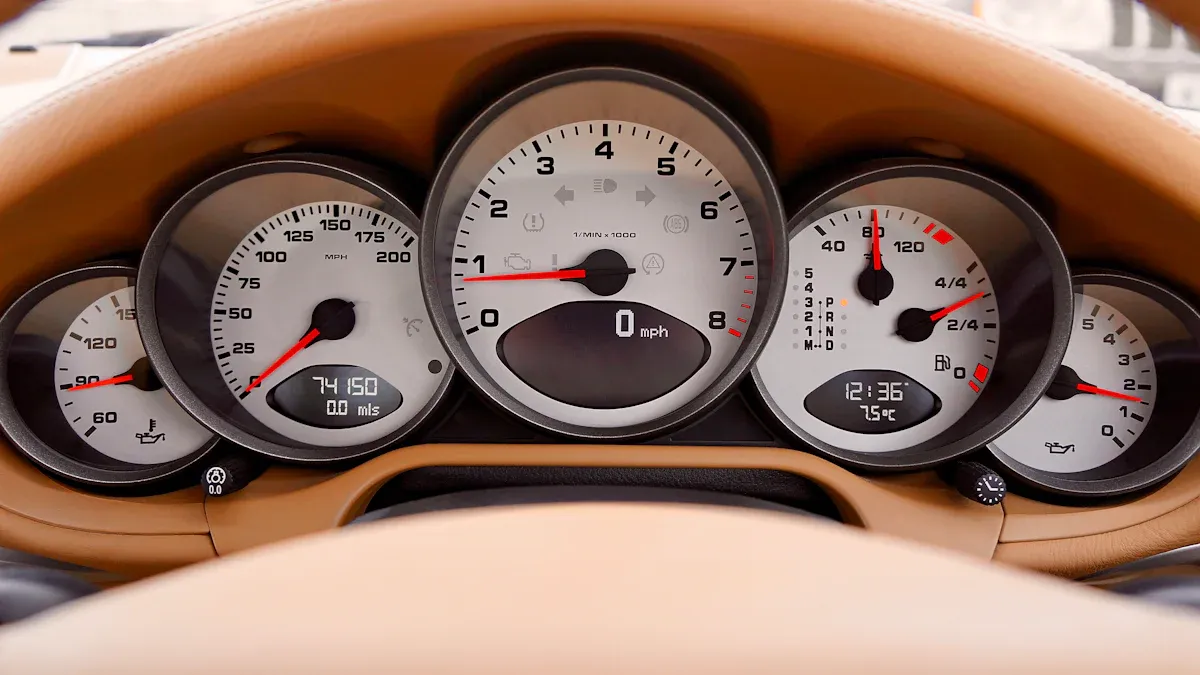
Observe the Lights: The VSC and Check Engine lights should turn ON. This is normal.
Wait for the VSC Light to Flash: Keep an eye on the VSC light; it should start flashing rapidly.
Turn OFF Ignition: After the light flashes, turn the ignition off.
Remove the Jumper Wire: Take out the wire and cover the OBD-II connector.
Turn Ignition ON Again: Wait about 15 seconds to ensure everything has initialized.
Start Your Car: Finally, start your vehicle and take it for a test drive to see if the VSC light is off.
Using these methods, you can effectively reset the VSC light on your Lexus GS300. If the light remains on after trying these steps, it may indicate an underlying issue that needs professional attention.
Troubleshooting the VSC Light
If the VSC light stays on after you try to reset it, don’t panic. There are a few common issues that might be causing the problem. Here’s what you should look out for:
Common Issues
Wheel Speed Sensors: Problems with these sensors can trigger the VSC light. They help your car understand how fast each wheel is turning.
Dirt on the Reluctor Wheel: Sometimes, dirt can build up on the reluctor wheel, which can also cause the light to stay on.
Exhaust System or O2 Sensors: Issues with these components are common culprits for the VSC light remaining illuminated.
If you notice the light is still on, it’s essential to take some diagnostic steps. Here are a few things you can check:
Battery Voltage: Make sure it’s between 10 and 12 volts.
Skid Control ECU Connection: Ensure it’s securely connected.
VSC Switch Operation: Use a multimeter to verify it’s working correctly.
CAN Communication System: Check for any issues here.
Ground Connection: Inspect the ground connection at the skid control ECU.
Steering Angle Sensor and ABS Sensors: Look for potential problems with these sensors.
Underlying Problems
Ignoring the VSC light can lead to more significant issues down the road. Here’s why you should address it promptly:
Limp Home Mode: If you don’t fix the problem, your vehicle might enter ‘limp home mode.’ This mode severely limits your car’s performance and safety.
Costly Repairs: Unresolved faults may require expensive repairs, like replacing the ECU or oxygen sensors.
MOT Failures: Warning lights can cause your vehicle to fail its MOT, meaning you’ll need repairs before you can legally drive it.
False Sense of Security: Regularly resetting error codes without fixing the underlying issues can create a false sense of security. This can impact your confidence in your vehicle’s reliability.
By keeping an eye on these common issues and addressing any underlying problems, you can ensure your Lexus GS300 runs smoothly and safely.
Resetting the VSC light on your Lexus GS300 is a straightforward process. You can do it by either disconnecting the battery or using an OBD-II scanner. Remember, a flashing VSC light means the system is working hard to keep you stable, while a steady light indicates a potential malfunction. Ignoring these warnings can lead to safety risks. If the light stays on after your attempts to reset the VSC light, don’t hesitate to consult a professional. They can help you identify and fix any underlying issues.
FAQ
What does the VSC light mean?
The VSC light indicates a potential issue with your Vehicle Stability Control system, which helps maintain stability during driving.
How often should I reset the VSC light?
You should reset the VSC light only after addressing the underlying issue. Regular resets without fixing problems can lead to safety risks.
Can I drive with the VSC light on?
Driving with the VSC light on is not recommended. It may indicate a malfunction that could affect your vehicle’s stability and safety.