


A faulty MAP sensor can severely impact your engine’s performance, leading to poor engine performance, reduced fuel efficiency, and even engine stalling. You might face significant engine performance problems. Replacing this part typically costs between $150 and $400. Recognizing bad map sensor symptoms early prevents further damage and expensive repairs. This guide details 10 common map sensor symptoms, explains their implications, and discusses replacement costs.
Key Takeaways
A MAP sensor helps your car’s engine run well. It measures air pressure in the engine.
Watch for signs like bad gas mileage, rough idling, or your car stalling. These mean your MAP sensor might be bad.
Ignoring a bad MAP sensor can cause more engine problems. It can also make your car unsafe to drive.
Replacing a MAP sensor usually costs between $150 and $400. This includes the part and the work to put it in.
Understanding the MAP Sensor
What a MAP Sensor Is
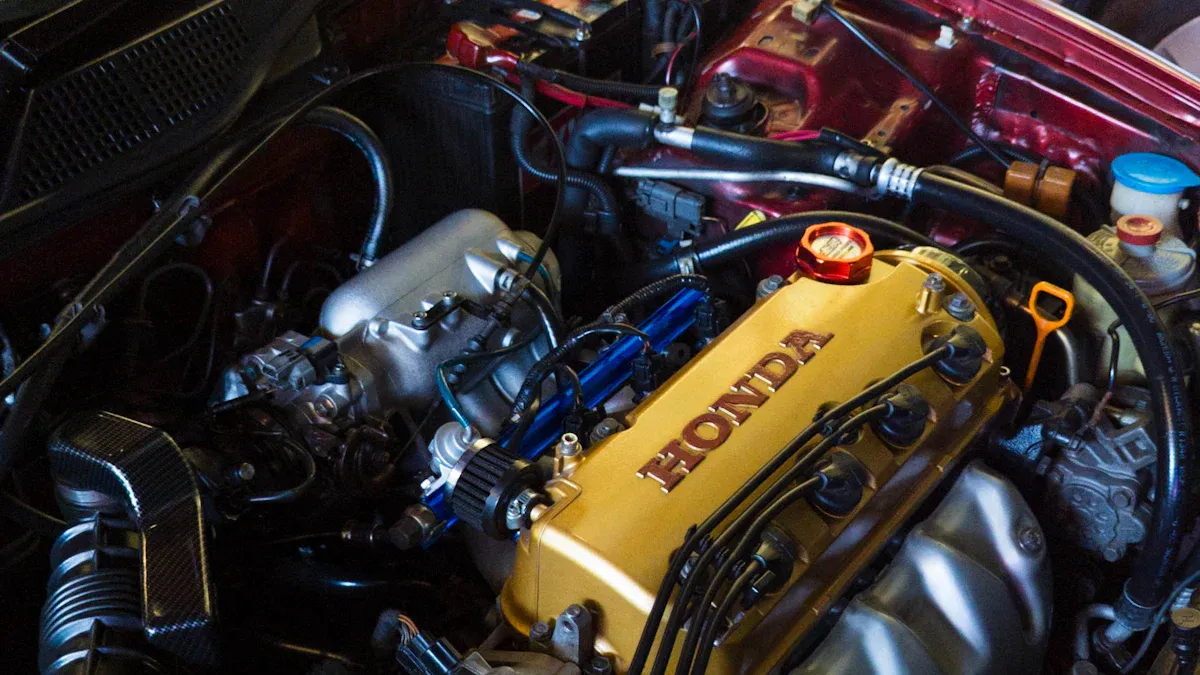
A Manifold Absolute Pressure (MAP) sensor is a vital component in your car’s engine management system. It measures the pressure within your engine’s intake manifold. Think of it as a tiny barometer for your engine. This sensor converts the pressure reading into a voltage signal. It then sends this signal directly to your vehicle’s Engine Control Unit (ECU). The ECU uses this crucial data, along with information from other sensors, to determine the optimal air/fuel mixture and ignition timing for efficient combustion.
How a MAP Sensor Works
The MAP sensor works using a clever design. Inside the sensor, you will find a diaphragm. This diaphragm flexes with changes in intake manifold pressure. Attached to the diaphragm is a piezoresistive element. This element changes its electrical resistance when the diaphragm flexes. This change in resistance creates a corresponding change in the voltage signal. The sensor sends this varying voltage signal to your ECU. This tells your ECU exactly how much air enters the engine.
MAP Sensor’s Role in Engine Performance
Your MAP sensor plays a critical role in how your engine performs. The ECU relies heavily on the MAP sensor’s data. It uses this information to calculate the precise amount of fuel to inject into the engine. This ensures you get the correct air/fuel mixture. It also helps set the ignition timing perfectly. This precise control leads to better fuel economy. It also gives you consistent power output. Furthermore, it helps control harmful emissions. The MAP sensor even works with the Barometric Pressure (BAP) sensor. This partnership ensures your engine runs efficiently under varying loads and at different altitudes.
10 Bad MAP Sensor Symptoms
You need to know the signs when your MAP sensor starts to fail. Recognizing these bad map sensor symptoms early saves you money and prevents bigger issues. A faulty map sensor can cause many engine performance problems. Here are 10 common warning signs.
Poor Fuel Economy
Your car uses more gas than usual. A faulty MAP sensor sends incorrect pressure readings to the ECU. The ECU then injects too much fuel into the engine. This makes your engine run “rich.” You will notice your gas mileage drops significantly. This is a clear sign of poor fuel economy.
Rough or Inconsistent Idling
Your engine might shake or feel unstable when you stop. The MAP sensor gives bad data. The ECU cannot properly adjust the air-fuel mix. This causes the engine to struggle. It leads to a rough or inconsistent idle. You might feel vibrations through the steering wheel or seat. This can also lead to a misfire.
Engine Stalling or Hesitation
Your car might suddenly lose power or shut off. A faulty MAP sensor can cause this. The ECU gets wrong information. It cannot control the engine correctly. This leads to sudden stalling, especially when you slow down or stop. Your car might also hesitate when you press the gas pedal. This creates a dangerous situation.
Check Engine Light On
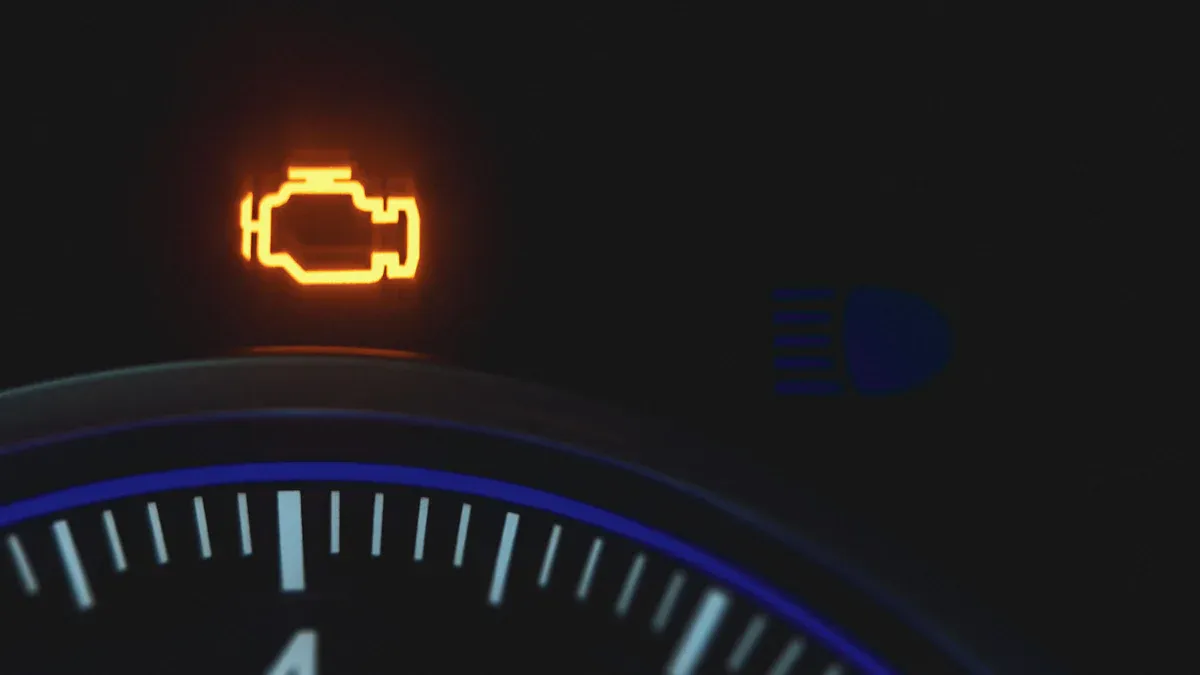
The check engine light on your dashboard illuminates. This is often the first sign of a problem. Your car’s computer detects an issue with the MAP sensor. It turns on the check engine light to warn you. You might see specific diagnostic trouble codes (DTCs) when you scan your car. These codes directly point to a problem with the Manifold Absolute Pressure or Barometric Pressure sensor. Common codes include:
P0106: Manifold Absolute Pressure/Barometric Pressure Sensor Range/Performance Problem
P0107: Manifold Absolute Pressure/Barometric Pressure Sensor Low Input
P0108: Manifold Absolute Pressure/Barometric Pressure Sensor High Input
P0109: Manifold Absolute Pressure/Barometric Pressure Sensor Intermittent
An activated check engine light means you should investigate quickly.
Failed Emissions Test
Your car fails its annual emissions inspection. A faulty MAP sensor can cause this. The engine runs too rich or too lean. This creates more harmful pollutants. These pollutants exceed legal limits. You will not pass the test until you fix the problem.
Black Smoke from Exhaust
You see black smoke coming from your tailpipe. This indicates your engine is running rich. The MAP sensor tells the ECU there is more air than there actually is. The ECU then adds too much fuel. This unburnt fuel exits as black smoke. This also wastes fuel.
Engine Knocking or Pinging
You hear a knocking or pinging sound from your engine. This sound happens during acceleration. A bad MAP sensor can cause incorrect ignition timing. The fuel ignites at the wrong time. This creates a metallic knocking sound. This can damage your engine over time.
Hard Starting Issues
Your car struggles to start. It cranks for a long time before the engine catches. The MAP sensor provides incorrect air pressure data. The ECU cannot set the proper fuel mixture for starting. This makes it difficult for your engine to ignite.
Sluggish Acceleration and Power Loss
Your car feels slow and lacks power. It struggles to accelerate. A faulty MAP sensor prevents the ECU from delivering the right amount of fuel. The engine does not get enough power. You will notice a significant decrease in performance. This makes merging onto highways difficult.
Rich or Lean Fuel Mixture Codes
Your car’s computer logs specific fault codes related to the fuel mixture. These codes indicate your engine is running rich or lean. A faulty MAP sensor often causes these issues. The sensor sends bad data. The ECU then adjusts the fuel incorrectly. This leads to your engine running rich or lean.
Rich Mixture Codes: P0172 and P0175 indicate a ‘Fuel Trim System Too Rich’ condition.
Lean Mixture Codes: P0171 or P0174 are identified as ‘Lean Code’.
Common Causes of MAP Sensor Failure
Your MAP sensor can fail for several reasons. Understanding these causes helps you prevent future problems. You can also diagnose issues more quickly. Here are the most common reasons your MAP sensor might stop working correctly.
Vacuum Leaks
Your engine relies on a sealed vacuum system. Leaks in this system directly affect your MAP sensor’s readings. A cracked vacuum hose or a loose connection changes the pressure inside the intake manifold. The MAP sensor then sends incorrect data to your ECU. This leads to poor engine performance. You should regularly check your vacuum lines for damage.
Electrical System Issues
Problems with your car’s electrical system can also damage the MAP sensor. A frayed wire or a corroded connector can disrupt the sensor’s signal. Sometimes, the sensor itself has an internal electrical fault. This prevents it from sending accurate voltage readings. You might experience intermittent issues if the electrical connection is loose.
Contamination and Debris
Your MAP sensor can get dirty. Over time, oil, carbon, or other debris can build up on the sensor’s sensing element. This contamination blocks the sensor from accurately measuring pressure.
Excessive oil on an air filter can damage the sensor. This has happened before. If your air filter has too much oil, it can cause problems for the MAP sensor.
You should ensure your air filter is clean and properly installed.
Age and Wear
Like any car part, your MAP sensor wears out over time. Constant exposure to engine heat and vibrations degrades its internal components. The sensor’s accuracy decreases as it ages. Eventually, it fails completely. You might notice performance issues becoming more frequent as your car gets older. Regular maintenance checks can help you catch these issues early.
Diagnosing a Faulty MAP Sensor
You can identify a bad MAP sensor with a few practical steps. Knowing these methods helps you pinpoint the problem quickly. This prevents further engine damage.
Using an OBD-II Scanner
An OBD-II scanner is your first tool for diagnosis. You plug it into your car’s diagnostic port. It reads trouble codes. It also shows live data. You should monitor the Manifold Absolute Pressure (MAP) sensor data. This data is crucial for diagnosing MAP sensor issues. Monitoring MAP readings helps your engine’s control unit adjust fuel delivery and timing. Normal MAP readings change with acceleration and driving conditions. Unusual MAP readings, either higher or lower than normal, can indicate problems. High MAP values might suggest intake system blockages or vacuum leaks. Low MAP values could point to sensor malfunctions or leaks in the intake manifold. Keeping track of MAP sensor inputs ensures engine efficiency. It also helps with early detection of issues.
Visual Inspection
You should always start with a visual check. Look at the MAP sensor itself. Check its electrical connector. Make sure it is secure and clean. Inspect the vacuum hoses connected to the sensor. Look for cracks, kinks, or loose connections. A damaged hose can cause a faulty map sensor reading. Also, check for any signs of oil or debris on the sensor body. Contamination can block the sensor’s ability to read pressure correctly.
Multimeter Testing
You can use a multimeter to test the MAP sensor’s electrical signals. This tool measures voltage. Disconnect the sensor’s electrical connector. Then, follow your car’s service manual for specific testing procedures. For an analog MAP sensor, you expect certain voltage readings.
Condition | Analog MAP Sensor Voltage |
|---|---|
Idle | 1 to 2 volts |
Wide Open Throttle | 4.5 to 5 volts |
Some Ford vehicles use digital MAP sensors. These sensors send a frequency signal. At idle, you might see 100 Hz or less. At wide-open throttle, it could be 150 Hz or higher. Zero vacuum typically shows 159 Hz.
Vacuum Gauge Checks
A vacuum gauge helps you check the engine’s vacuum. This is important because the MAP sensor measures manifold vacuum. Connect the gauge to a vacuum port on the intake manifold. Start the engine. A steady reading indicates good engine health. A fluctuating or low reading can point to vacuum leaks. These leaks can affect the MAP sensor’s accuracy. This test helps confirm if a vacuum issue is causing your faulty map sensor symptoms.
MAP Sensor Replacement Cost
You need to understand the costs involved when your MAP sensor fails. Replacing this part involves both the cost of the sensor itself and the labor to install it. Knowing these figures helps you budget and make informed decisions.
Average Parts Cost
The cost of a new MAP sensor varies. You can expect to pay anywhere from $50 to $200 for the part alone. This price depends on several factors. Your car’s make and model play a big role. Original Equipment Manufacturer (OEM) parts, which come from your car’s manufacturer, are usually more expensive. Aftermarket sensors, made by other companies, often cost less. However, aftermarket parts might not always offer the same quality or lifespan. Luxury or high-performance car models tend to have more expensive MAP sensor parts. This is because these vehicles often use specialized components.
Average Labor Cost
Replacing a MAP sensor is usually a straightforward job. It does not take a lot of time. Most mechanics charge for about 0.5 to 1 hour of labor. Labor rates vary widely. They can range from $75 to $150 per hour. This means the labor cost for a MAP sensor replacement typically falls between $75 and $150. Some sensors are in harder-to-reach locations. This might increase the labor time slightly.
Factors Affecting Total Cost
Several things can influence the total cost to replace a faulty map sensor.
Vehicle Make and Model: As mentioned, luxury cars or less common models often have higher part costs.
Location: Labor rates differ significantly by region and even by specific repair shop. Shops in urban areas often charge more.
Type of Sensor: Some vehicles use more complex MAP sensors. These sensors can be more expensive.
Mechanic’s Rates: Dealerships usually charge higher labor rates than independent repair shops.
Diagnostic Fees: If you have not diagnosed the problem yourself, the mechanic might charge a diagnostic fee. This fee adds to your total cost.
DIY vs. Professional Replacement
You have two main options for replacing your MAP sensor: do it yourself or hire a professional.
Doing It Yourself (DIY):
Pros: You save money on labor costs. This can be a significant saving. You also gain experience working on your car.
Cons: You need the right tools. You must have some mechanical knowledge. You risk making mistakes if you are unsure. An incorrect installation can cause more problems. You also do not get a warranty on your labor.
Hiring a Professional:
Pros: Professionals have the right tools and expertise. They can diagnose the problem accurately. They often offer a warranty on parts and labor. This gives you peace of mind.
Cons: You pay for labor. This increases the overall cost. You might also wait for an appointment.
Consider your comfort level and mechanical skills. If you are unsure, a professional replacement is often the safer choice.
A working MAP sensor is vital for your engine’s best performance and fuel efficiency. Do not ignore bad map sensor symptoms. Recognizing these bad map sensor symptoms early prevents more engine performance problems. Timely diagnosis and replacement save you money. It also prevents bigger issues. Address any suspected MAP sensor issues quickly. Regular engine checks help prevent future poor engine performance.
FAQ
Can you drive with a bad MAP sensor?
You can drive short distances. Expect poor performance and fuel economy. Long-term driving can damage your engine. Get it fixed quickly to avoid more problems.
How long does a MAP sensor last?
A MAP sensor usually lasts for the life of your vehicle. However, contamination or electrical issues can cause early failure. Regular maintenance helps extend its lifespan.
Is a MAP sensor expensive to replace?
The cost is moderate. Parts range from $50 to $200. Labor adds $75 to $150. The total cost is typically $150 to $400. This depends on your car and location.
What happens if you ignore a bad MAP sensor?
Ignoring it leads to worse fuel economy and engine damage. You might fail emissions tests. Your car could stall or lose power. This creates unsafe driving conditions.
Can a dirty air filter affect the MAP sensor?
Yes, a very dirty air filter can restrict airflow. This changes manifold pressure. It can also introduce contaminants to the sensor. This affects its accuracy.



